Painting Techniques

“Painting Techniques” offers a comprehensive exploration of essential methods for artists of all levels. Discover in-depth guides on watercolor washes, oil glazing, and acrylic impasto, alongside tutorials for mastering color theory and brush control. Learn about wet-on-wet and wet-on-dry approaches, dry brush texturing, and blending techniques to enhance your artistic repertoire.
This resource covers both traditional and contemporary methods, including digital painting tools and AI-assisted art creation, providing a bridge between classical craftsmanship and modern innovation.
Perfect for beginners developing foundational skills or experienced artists refining their practice and exploring new styles


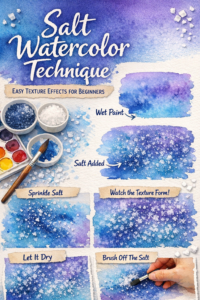
Salt Watercolor Technique: Easy Texture Effects for Beginners
The salt watercolor technique is a simple and magical way for beginners to create beautiful textures in their artwork. By sprinkling common salt over wet paint, you can easily achieve a speckled, starry effect. This guide will teach you the science behind the reaction, the best materials to use, and […]

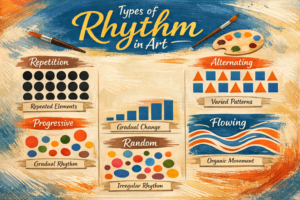
Types of Rhythm in Art: A Beginner’s Guide to Visual Movement
Summary: Rhythm in art isn’t just for the pros; it is the secret to making your paintings feel alive. This guide breaks down the five main types of visual rhythm in simple terms. You will learn how to use regular, alternating, progressive, flowing, and random repetition to guide the viewerโs […]

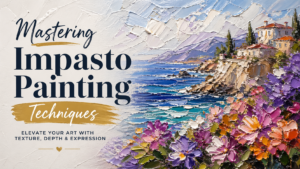
The Impasto Texture Trick
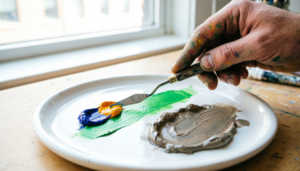
Summary: Want the thick, painterly look of impressionism without wasting expensive paint tubes? The impasto technique creates stunning, three-dimensional texture on your canvas. This guide reveals how beginners can use affordable modeling paste and palette knives to build bold, expressive art. Learn to stop over-blending and start frosting your canvas […]

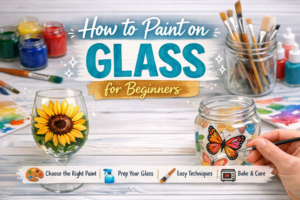
How to Paint on Glass for Beginners: easy Guide
Learn how to paint on glass for beginners with this straightforward guide to supplies, surface prep, and simple techniques. We cover the best paints for slick surfaces and the secret to making your art permanent. By the end, you will have the confidence to turn any recycled jar into a […]

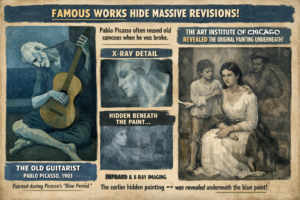
What is a Pentimento? The Fascinating Hidden Mistakes in Masterpieces
Pentimenti are the visible ghosts of previous decisions showing through a painting’s surface. This post explains how these hidden layers emerge over time and what they teach us about art history. You will learn to spot these alterations and realize that even the masters changed their minds mid-painting. Look closely […]

The Beginnerโs Guide to Mixing Realistic Skin Tones
Weโve all been there. You buy a tube of paint optimistically labeled “Flesh Tint” or “Portrait Pink,” squeeze it onto your palette, and apply it to your canvas. The result? Your subject ends up looking like a plastic department store mannequin. Mixing realistic skin tones is one of the most […]

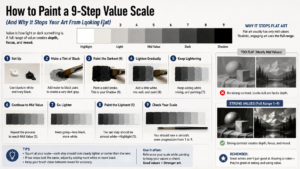
How to Paint a 9-Step Value Scale (And Why It Stops Your Art From Looking Flat)
To paint a compelling, three-dimensional illusion on a flat surface, color gets all the credit, but value does all the heavy lifting. In fine art pedagogy, value refers to the relative lightness or darkness of a hue, independent of its color properties. ๐ Keypoint Summary Training your eye to look […]

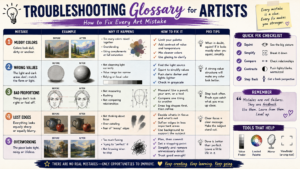
Troubleshooting Glossary for Artists: How to Fix Every Art Mistake
Welcome to the ultimate troubleshooting guide for artists! Every single artist – from cave painters thousands of years ago to modern masters hanging in world-class museums – makes mistakes. In fact, learning how to recognize, understand, and fix a mistake is what separates a beginner from a true professional. When […]

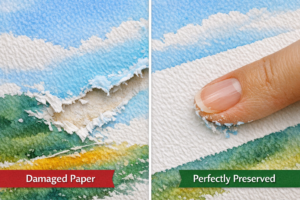
How to Remove Masking Fluid Without Tearing Watercolor Paper
Does your watercolor paper rip when you peel off masking fluid? You are definitely not alone. This guide explains how to remove masking fluid safely without ruining your hard work. You will learn the best tools to use, how long to let it dry, and why paper quality matters. Keep […]

Color Mixing for Beginners: How to Avoid Muddy Paint
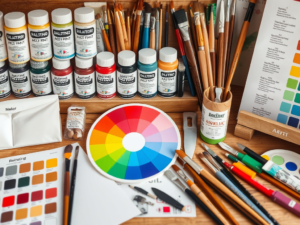
Are your vibrant paints turning into dull brown puddles? Muddy paint happens when you mix too many colors or combine complementary colors incorrectly. To avoid muddy paint, stick to a limited palette, understand warm and cool tones, and never mix more than three colors at once. This guide breaks down […]