
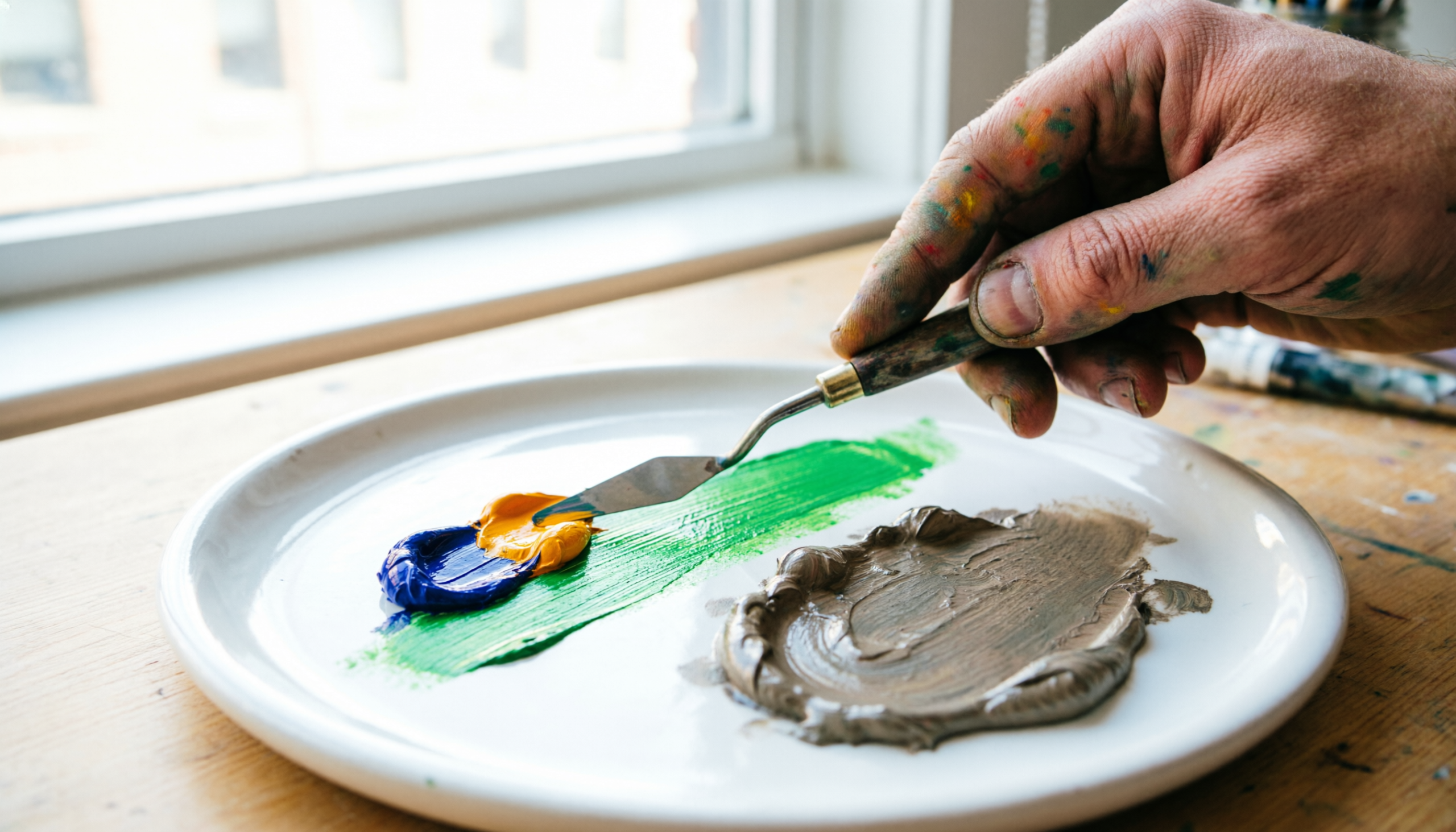
Are your vibrant paints turning into dull brown puddles? Muddy paint happens when you mix too many colors or combine complementary colors incorrectly. To avoid muddy paint, stick to a limited palette, understand warm and cool tones, and never mix more than three colors at once. This guide breaks down the easiest color mixing rules so you can keep your artwork bright and start painting with confidence today.
You buy expensive, beautiful tubes of paint and squeeze them onto your palette. You’re ready to create a masterpiece. But ten minutes later, you’re staring at a puddle that looks like dirty dishwater. Figuring out how to avoid muddy paint is a rite of passage for every beginner.
When I first started, I ruined so many canvases trying to mix the perfect green. I just kept adding more paint, hoping to fix it. That only made the mud worse. It’s incredibly frustrating to feel like you’re wasting good supplies.
The truth is, color mixing isn’t magic. It relies on a few simple rules that anyone can learn. Once you understand why colors turn brown, you can stop it from happening. In this guide, we’ll break down the exact steps to keep your paints vibrant. Grab your brushes, take a deep breath, and let’s clear up the mud so you can start painting.

Why Does My Mixed Paint Look Muddy?
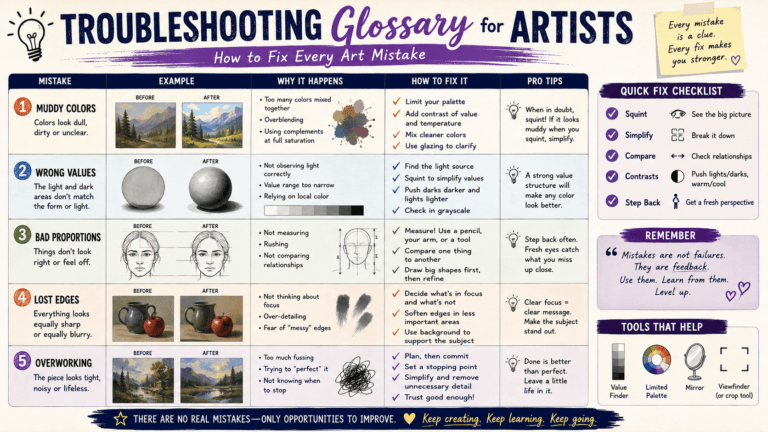
Muddy paint happens when you mix three or more primary colors together. In color theory, combining all three primaries creates a neutral gray or brown. You also create mud when you accidentally mix complementary colors, like red and green, or when your brush is dirty.
Every time you add a new color to your puddle, you risk creating a neutral tone. This is why mixing all three primaries creates brown or gray. It’s a fundamental rule of color theory.
A dirty brush is another common culprit. If you don’t clean your bristles well, leftover paint mixes into your fresh colors. This happens frequently if you don’t change your water cup often enough. Practicing good brush hygiene and safe paint disposal keeps your colors crisp and your studio clean.
The Magic of a Limited Palette

When you’re learning, having fewer paint tubes actually creates brighter colors. It sounds backward, but a limited palette forces you to understand your core colors. If you only have red, yellow, blue, and white, you learn exactly how they interact.
Having 50 tubes of paint just leads to confusion. Many professional artists recommend limiting your palette to three to five colors to speed up your learning process. This constraint makes you a better, more confident painter.
How Do Warm and Cool Colors Affect Mixing?
Every primary color has a warm or cool bias. For example, a warm red has a hint of yellow, while a cool red has a hint of blue. To mix vibrant secondary colors, you must combine primaries that lean toward each other.

Understanding this color bias is the true secret to bright mixes. If you mix a warm red with a warm blue, they will clash. The yellow hidden in the warm red mixes with the blue and red, giving you all three primaries. As we learned earlier, that makes mud.
Instead, you need to read your paint labels carefully. Experts agree that understanding warm and cool color bias is the secret to bright mixes. By matching a cool red with a warm blue, you create a brilliant, vibrant purple.
The Rule of Three for Bright Colors
A hard rule for beginners is to never mix more than three pigments at once. The moment you introduce a fourth color, the mixture loses its saturation. It quickly becomes dull and lifeless.
If you’re trying to match a specific shade, test your mixes on scrap paper first. This saves your main canvas from becoming a testing ground. Keep track of which three tubes you used so you can recreate the mix later.
How Do I Fix Muddy Paint Once It Happens?
You cannot un-mix muddy paint, but you can save your artwork by letting the muddy layer dry completely. Once dry, you can paint over it with fresh colors. You can also save the muddy mixture in a jar to use as a neutral shadow tone.
Don’t panic if you make mud on your canvas. Acrylics are very forgiving, so just let the mistake dry. Adding wet paint on top of wet mud only spreads the mess further.
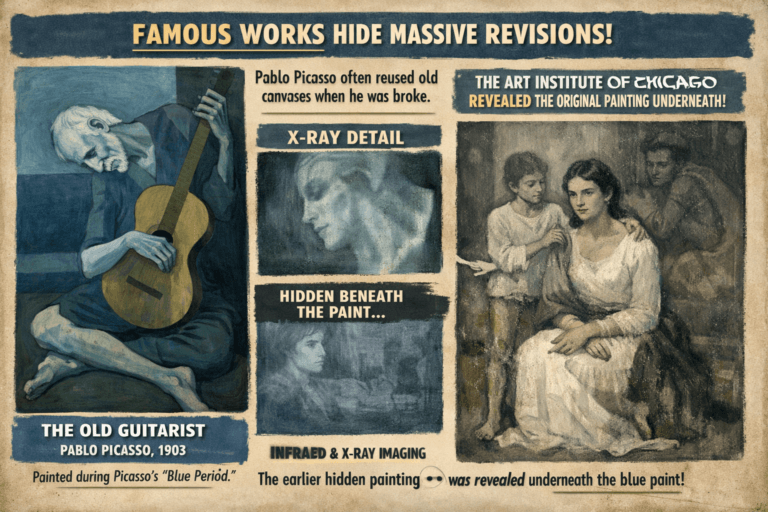
Actually, muddy colors are incredibly useful if you know how to use them. Professional illustrators love repurposing muddy paint for shadows and underpainting. These neutral, muted tones are perfect for painting moody landscapes or diving into the magical world of concept art.
Conclusion
Making mud is a rite of passage for every artist. It happens to the best of us, and it’s nothing to stress over. By keeping your palette limited, paying attention to warm and cool tones, and sticking to the rule of three, you’ll keep your colors bright.
Don’t let the fear of muddy paint stop you from exploring. You can always paint over a mistake once it dries. The best way to learn is by doing it yourself. Grab three tubes of paint and start your own daily painting challenge to practice your new mixing skills. Clear your palette, pick up a brush, and start painting today.
Frequently Asked Questions
Does adding white or black make paint muddy? Adding black can easily overpower a color and make it look muddy or dead. Adding white makes a color opaque and pastel, but it won’t create brown mud. Always use black very sparingly.
Why do my acrylic paints look darker when they dry? Acrylic paints dry darker because the polymer binder in the paint is milky when wet but dries clear. This shift is totally normal. Acrylic paints dry darker due to the polymer binder clearing, so always mix your colors slightly lighter than you want them to be.
What is the easiest color palette for a beginner to use? A basic primary palette is the best place to start. Get a warm and cool version of red, yellow, and blue, plus a large tube of titanium white. This setup teaches you everything you need to know about color relationships.
Do I need a special palette board to mix colors? No, you don’t need anything fancy. A piece of wax paper, a ceramic plate, or a cheap plastic tray works perfectly. Just make sure the surface is smooth and easy to clean.
How often should I change my paint water? You should change your water as soon as it looks like dark tea or coffee. Dirty water is a major cause of dull, muddy colors. If you prefer digital color wheels on a screen, you get to skip this messy step entirely!

Olly
Olly Farmer M.Sc, B.Sc, PGCE 25 years experience of Watercolor Painting and AI Art; teacher for 13 years; Creator of Art Tools; Art Gallery Contributor of Art Articles to Medium.com, LinkedIn and Facebook
Continue exploring
PROMINENT PAINTING
Keep your creative momentum
Get new painting guides, practical techniques and artist stories delivered without the noise.
Occasional emails. Unsubscribe whenever you like.