Latest Articles and Guides

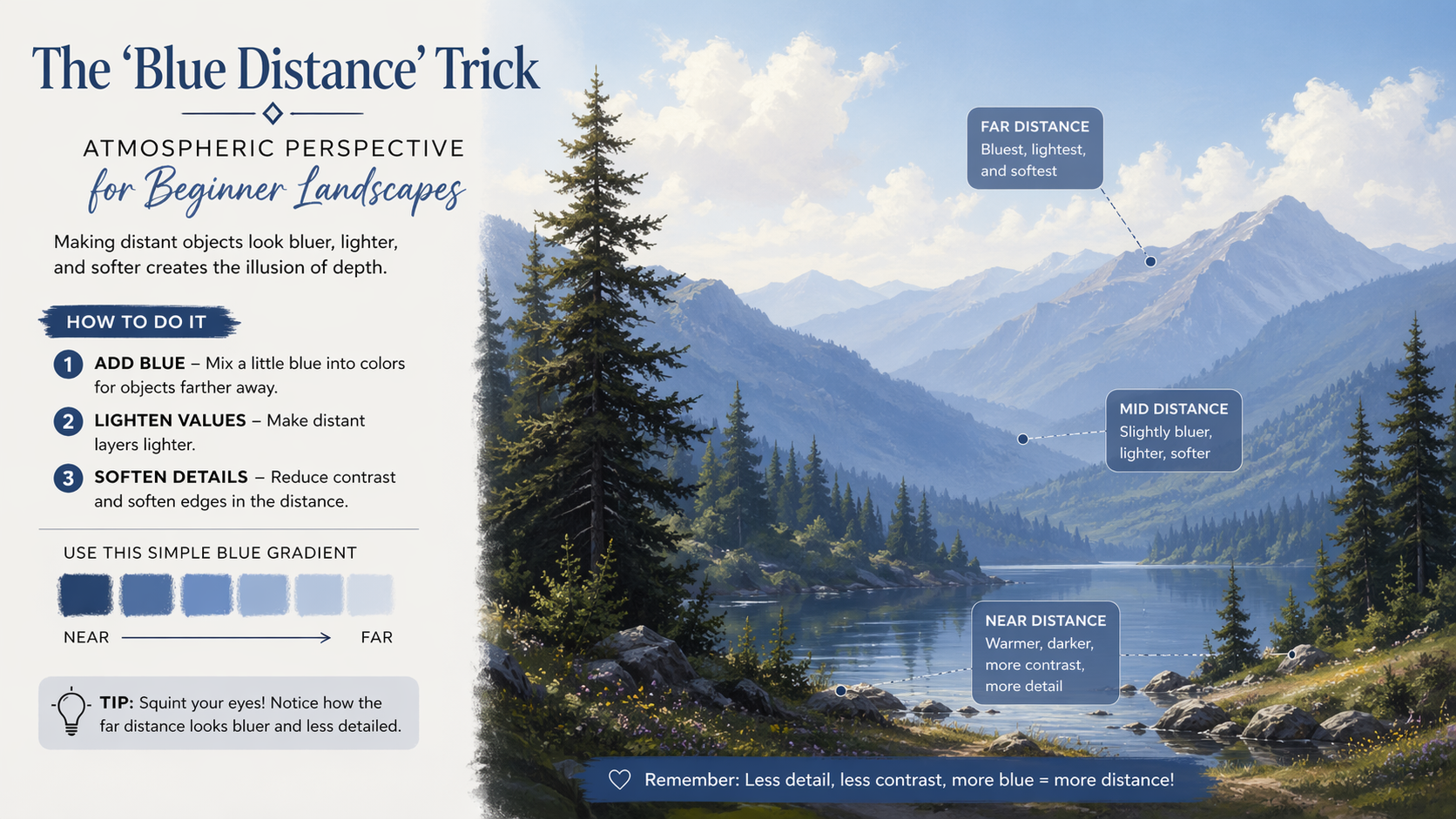
The ‘Blue Distance’ Trick: Atmospheric Perspective for Beginner Landscapes
Are your painted landscapes looking completely flat and lifeless? You can easily fix this common beginner mistake by mastering atmospheric perspective. This post explains why distant mountains look blue and how light interacts with air to create visual distance. You’ll…
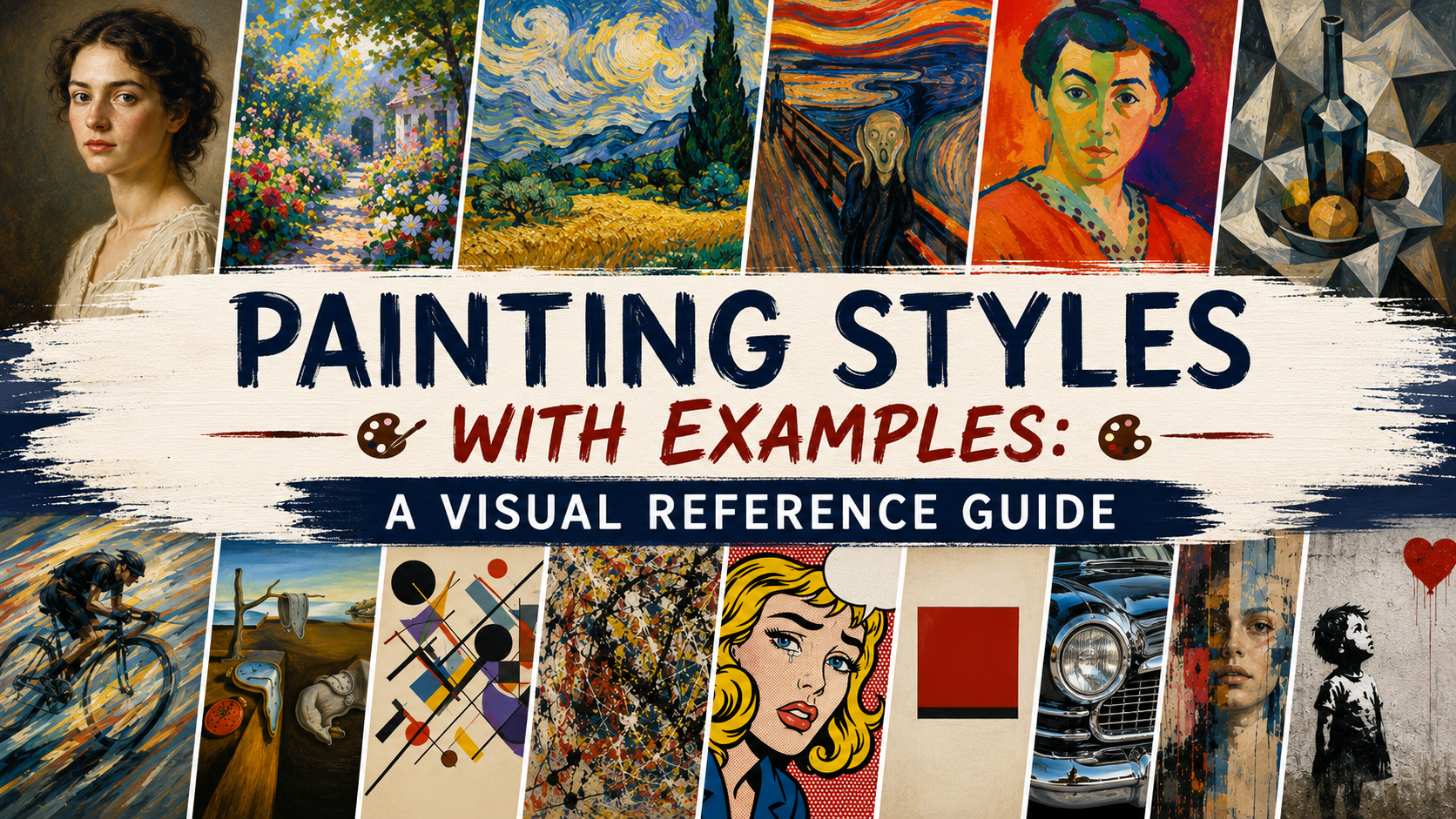
Painting Styles With Examples: A Visual Reference Guide
If you’ve ever looked at a painting and wondered, “What style is this?” you’re not alone. From the soft light of Impressionism to the bold shapes of Cubism, artists have developed countless ways of representing the world. Understanding painting styles…

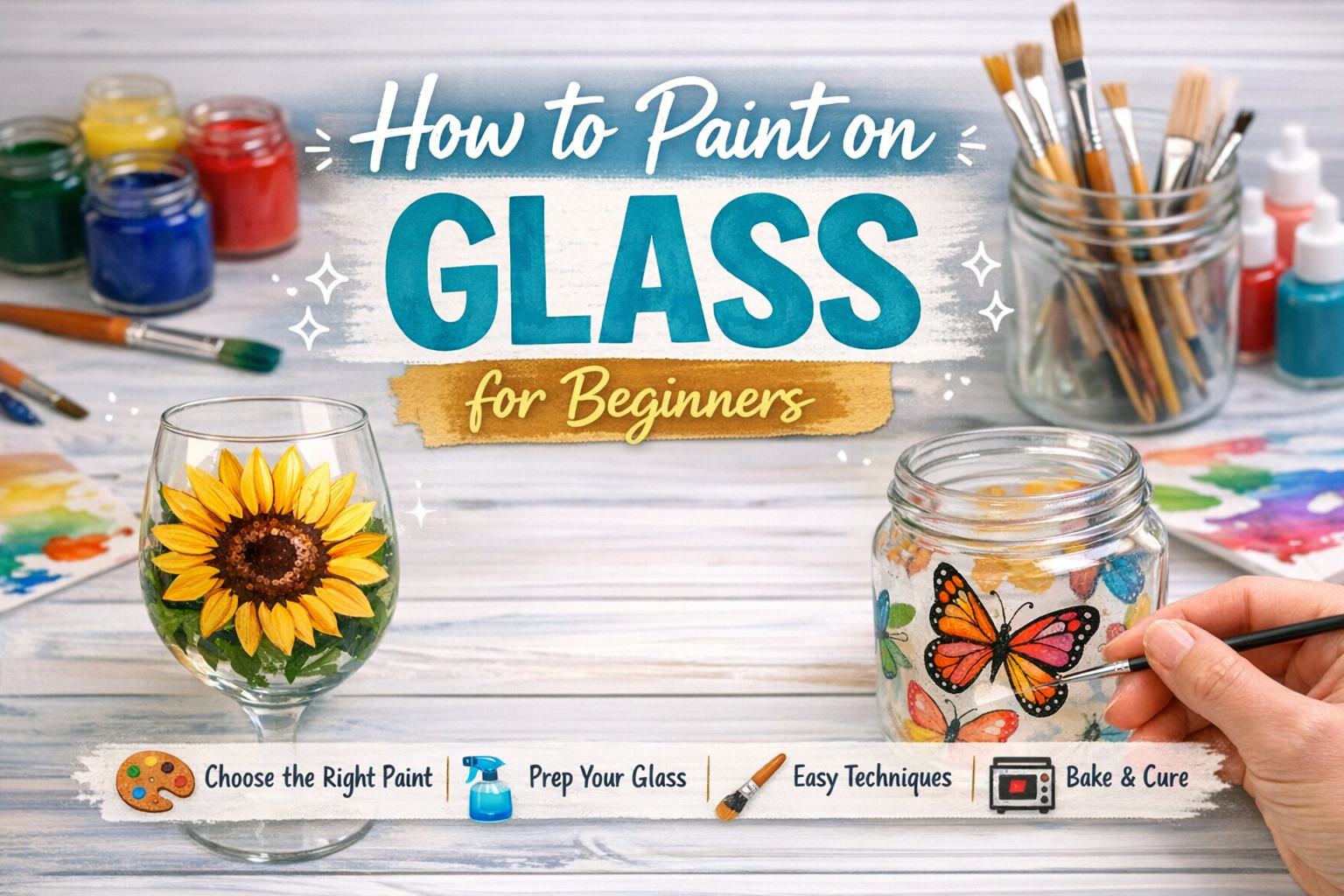
How to Paint on Glass for Beginners: easy Guide
Learn how to paint on glass for beginners with this straightforward guide to supplies, surface prep, and simple techniques. We cover the best paints for slick surfaces and the secret to making your art permanent. By the end, you will…
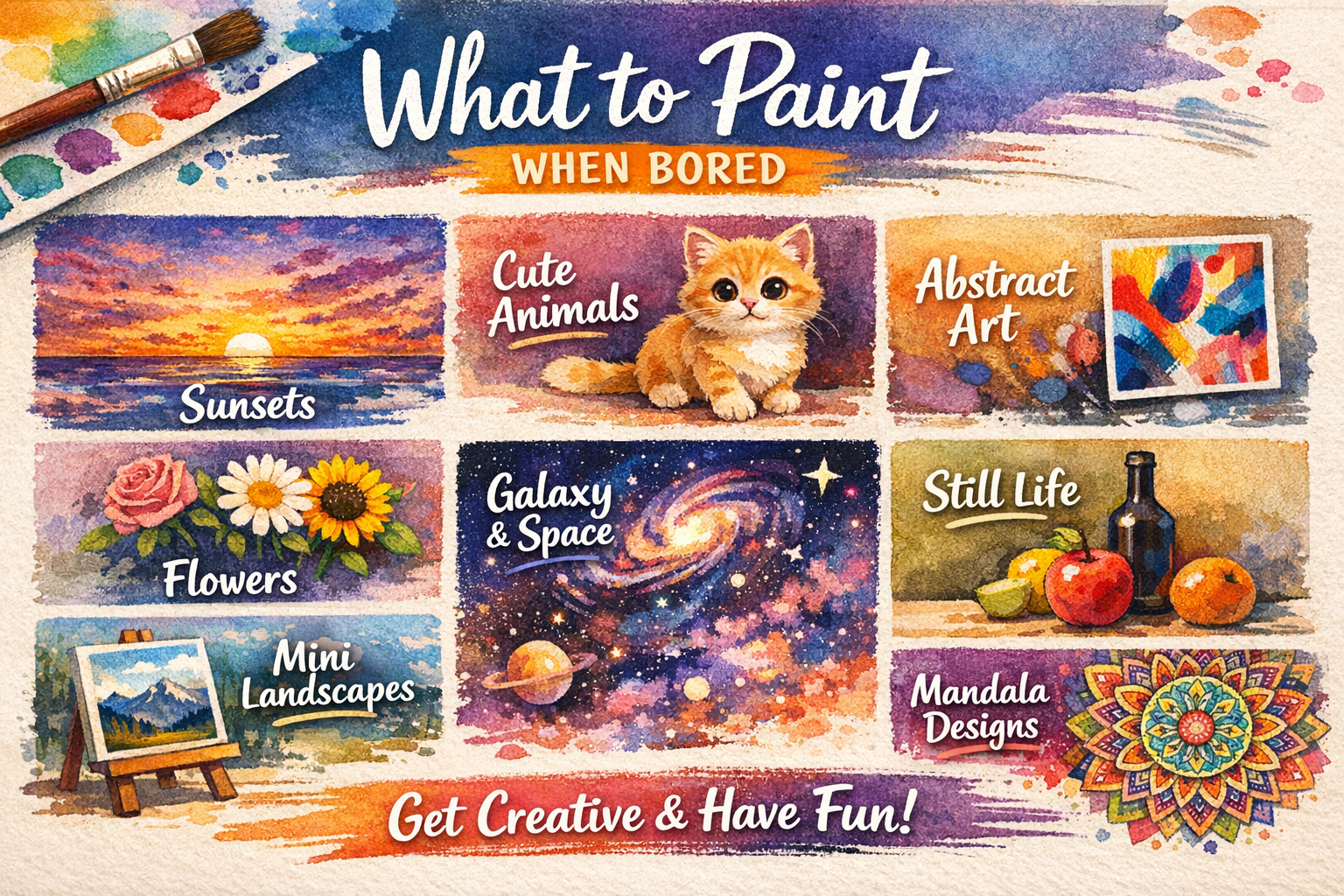
What to Paint When Bored: Quick Ideas to Spark Your Creativity
Feeling bored is the perfect excuse to pick up a brush and create without pressure. This guide offers quick, low-stakes painting ideas designed to spark joy and boost your confidence in under an hour. You will discover simple watercolor projects,…

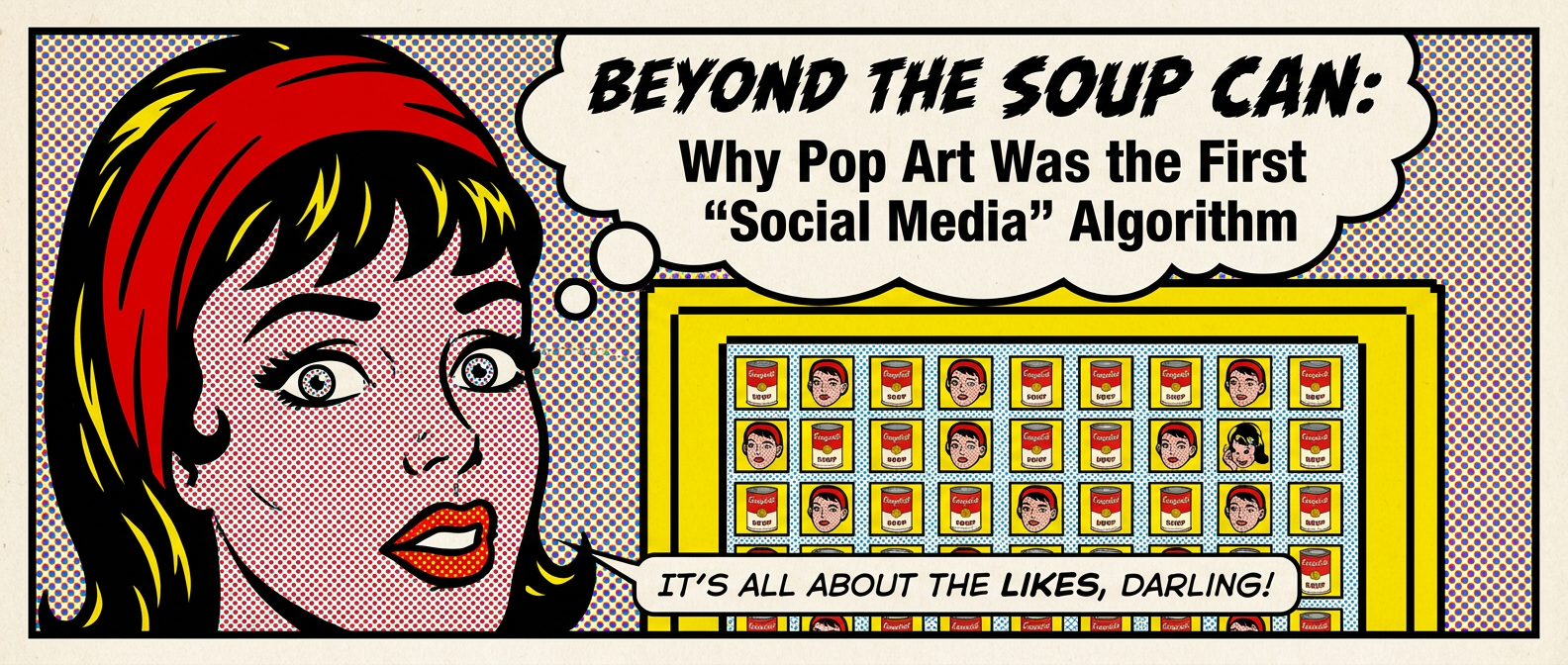
Beyond the Soup Can: How the Characteristics of Pop Art Predicted Social Media
In the mid-1950s, the art world was a place of high drama and deep, brooding paint strokes. The Abstract Expressionists – men like Jackson Pollock and Mark Rothko – were celebrated for splashing their inner turmoil onto canvases. Art was…
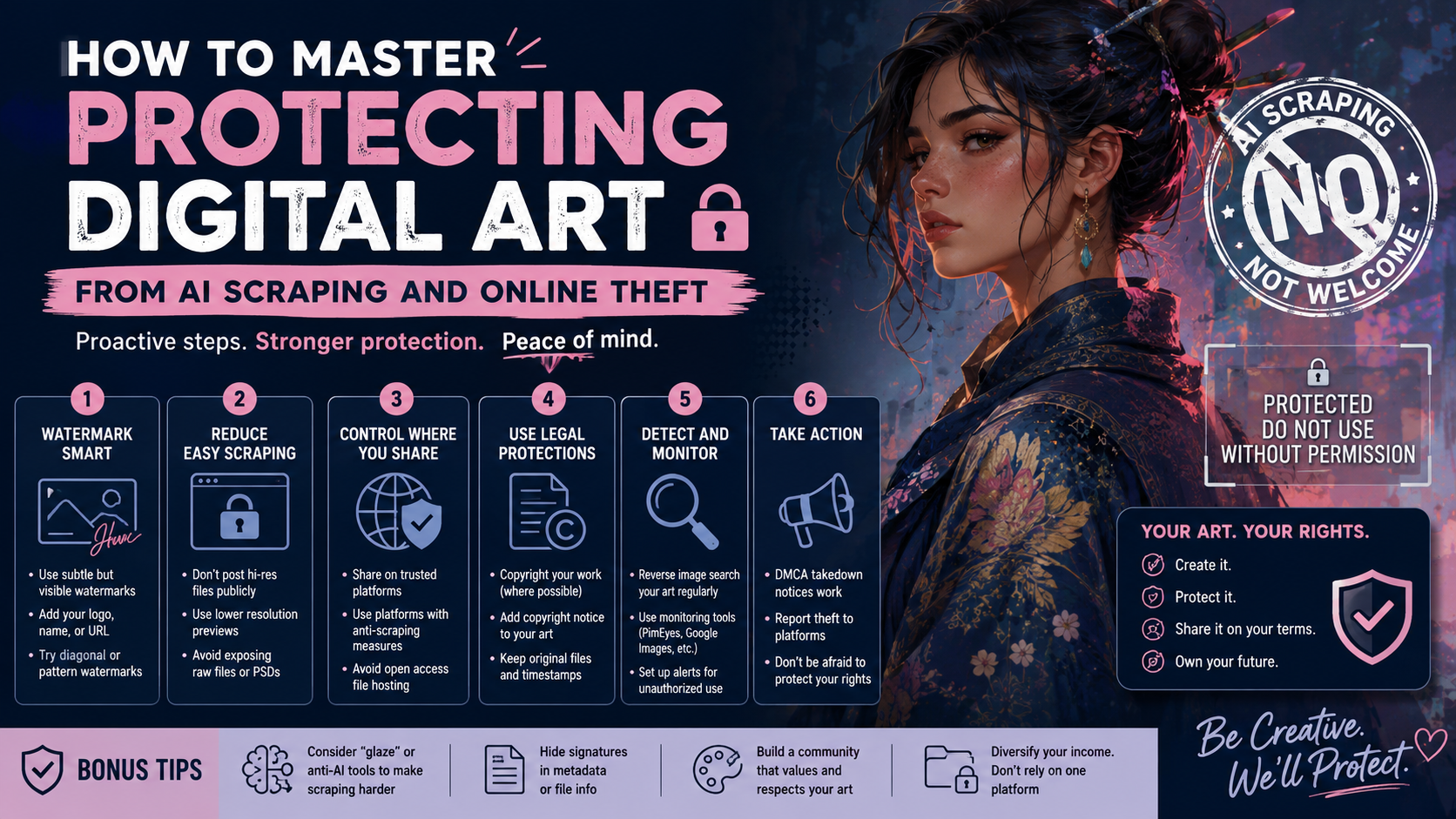
How to Master Protecting Digital Art from AI Scraping and Online Theft
Protecting digital art from AI scraping has become a top priority for creators in a landscape where portfolios are constantly harvested by unauthorized bots. As an artist, your style is your signature, yet without the right safeguards, your unique aesthetic can…
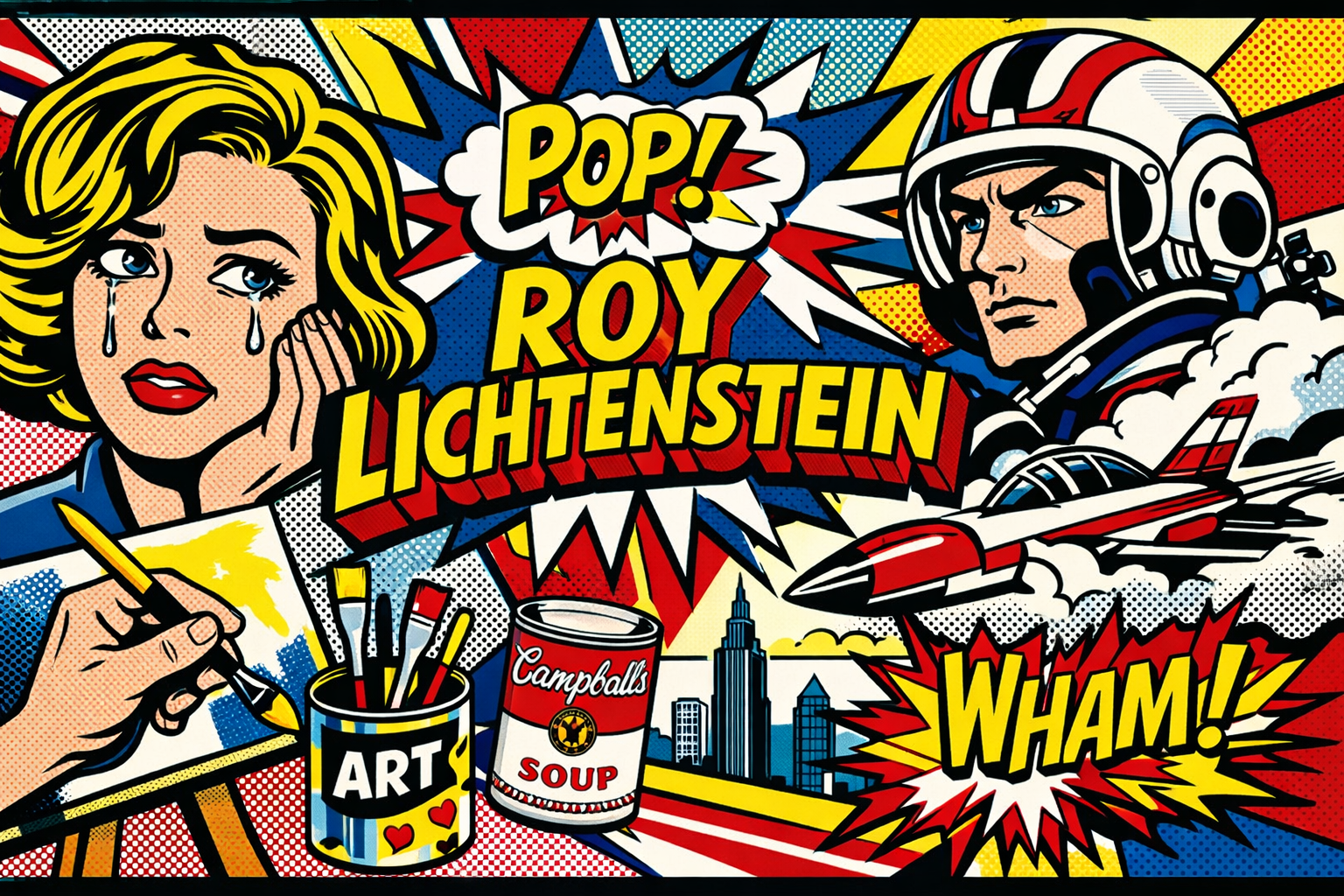
Roy Lichtenstein’s Enduring Legacy: How He Defined Pop Art
Roy Lichtenstein profoundly shaped the Pop Art movement by elevating commercial art forms, particularly comic strips and advertisements, into high art, challenging traditional notions of artistic originality and subject matter. Through his distinctive use of Ben-Day dots, bold outlines, and…
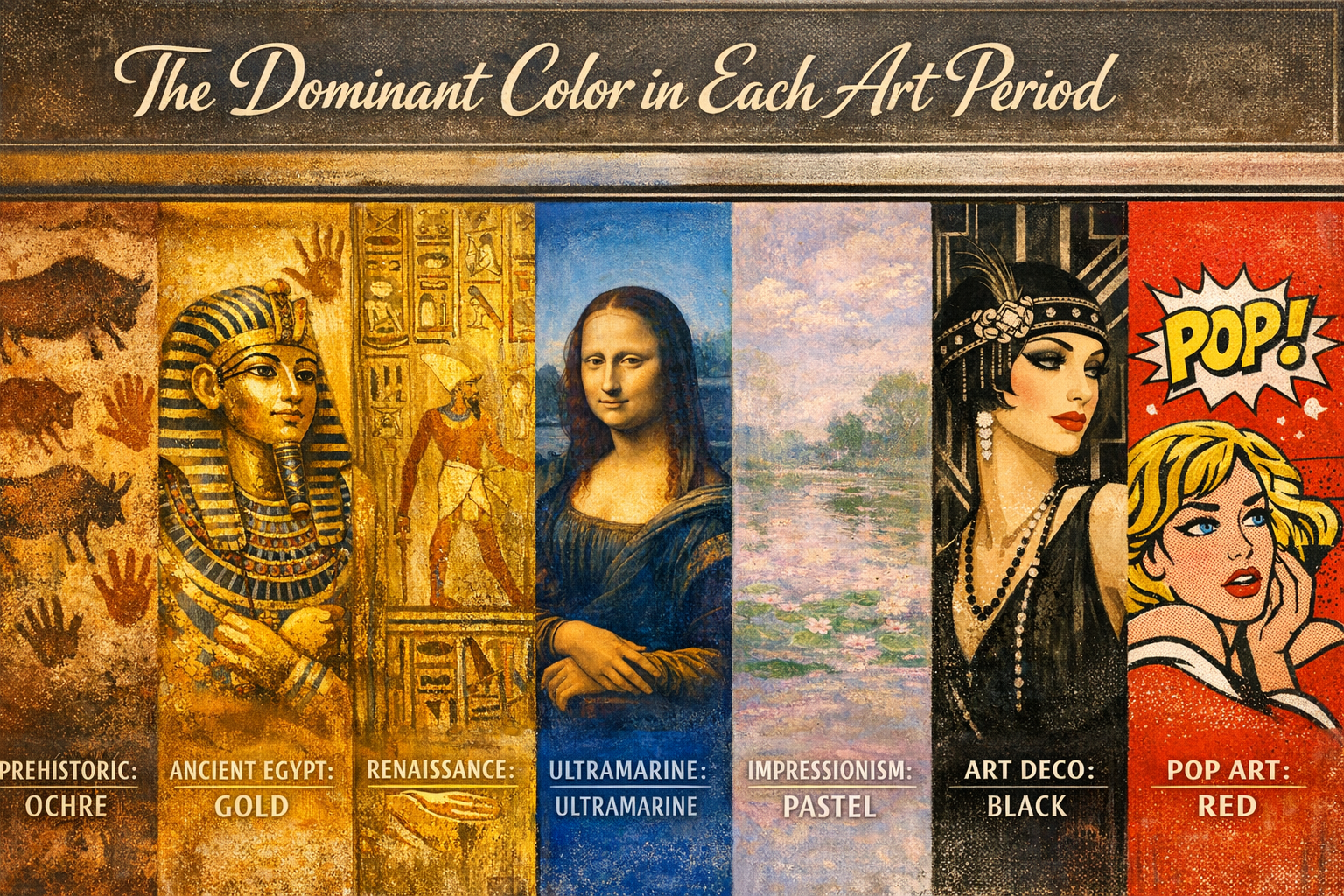
From Lapis to Lead: The Dominant Color in Each Art Period
The dominant colour in each art period changed as technology and human philosophy evolved. Renaissance artists relied on earthy ochres and expensive blues, while Baroque painters favored deep blacks and dramatic whites. Rococo brightened things up with airy pastels. Finally,…
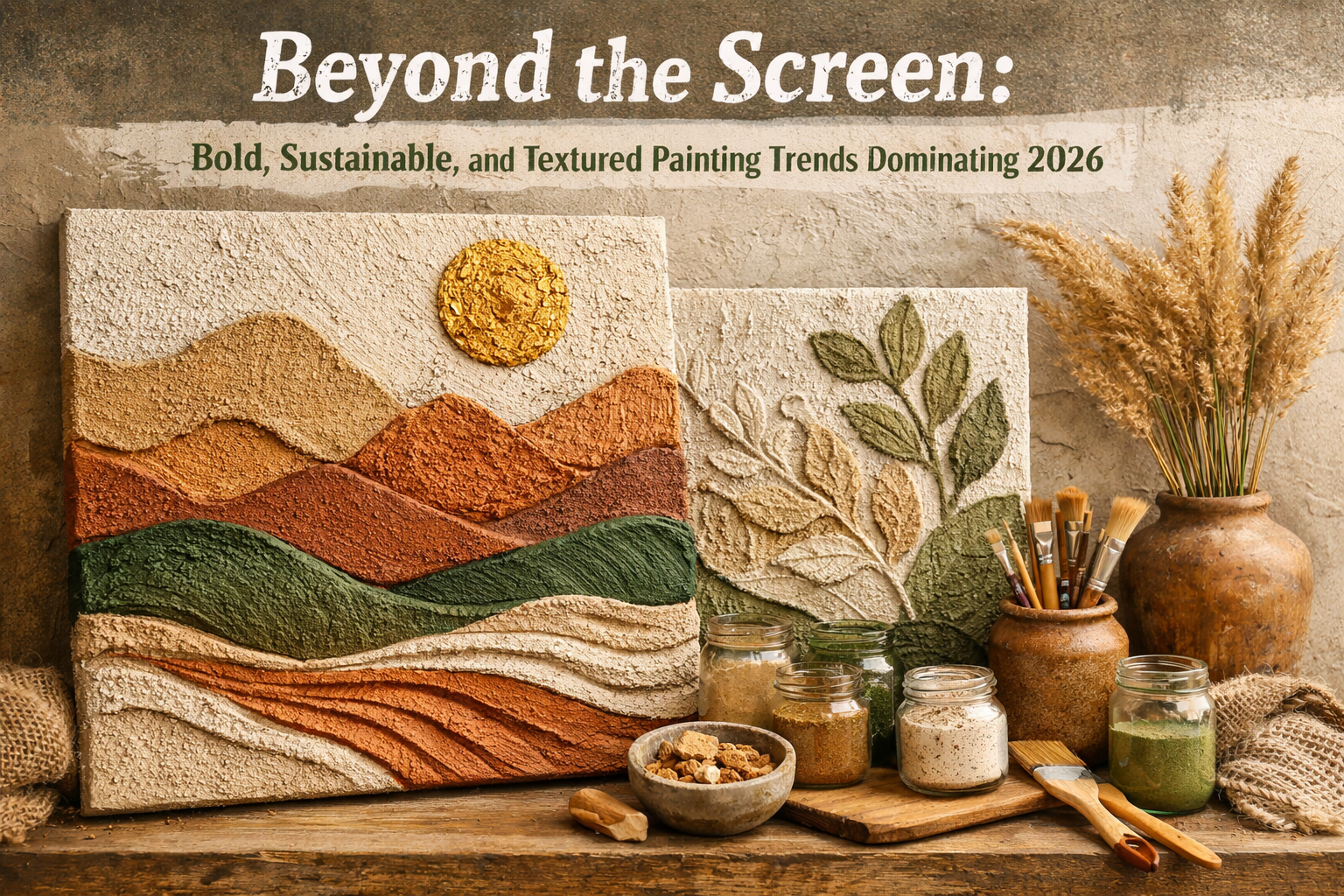
Beyond the Screen: Bold, Sustainable, and Textured Painting Trends Dominating 2026
The physical art studio is undergoing a profound modern renaissance. In a screen-dominated landscape, artists, hobbyists, and interior decorators are intentionally trading digital feeds for physical hobbies. This behavioral pivot has driven a massive expansion in the creative supplies sector:…
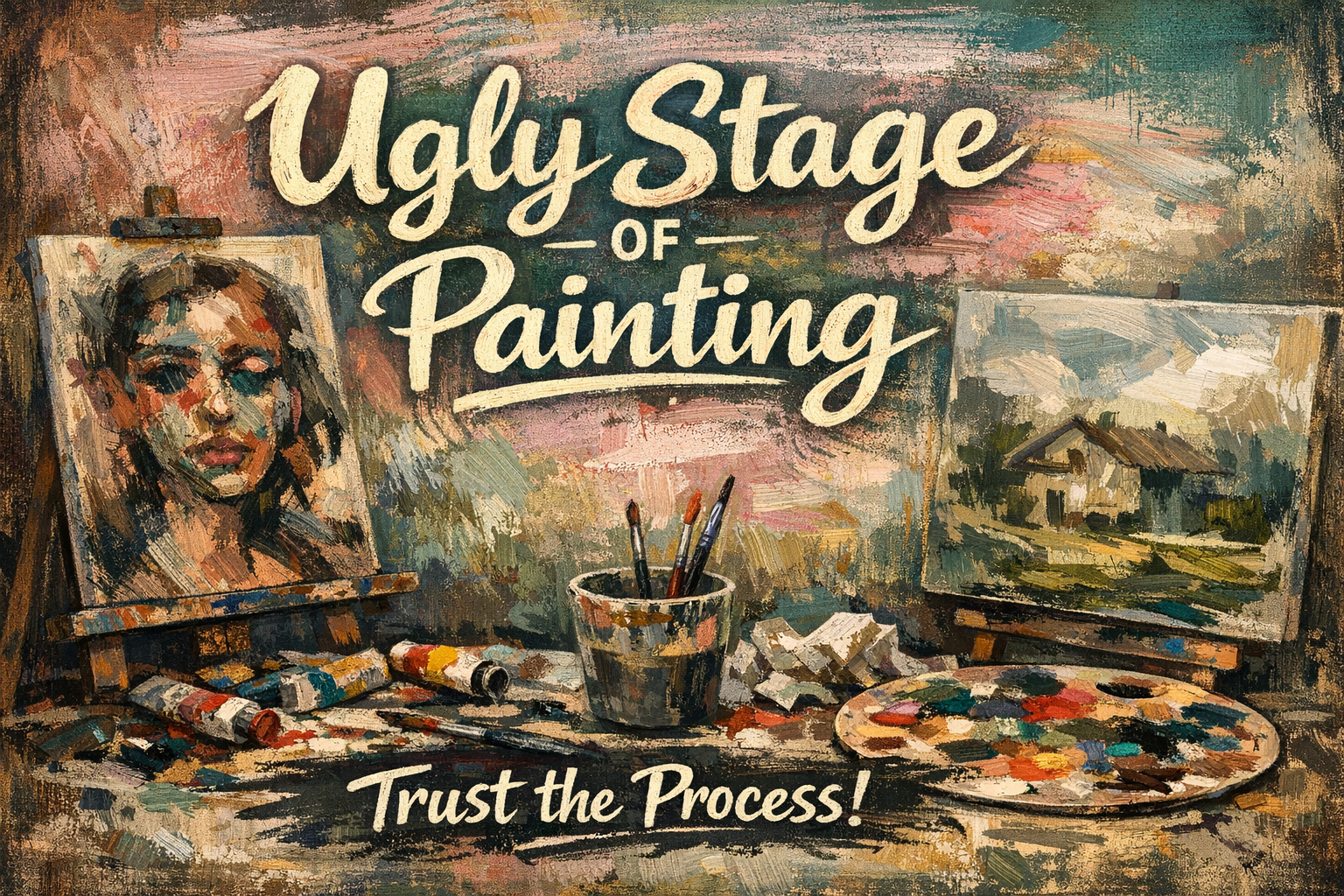
The Ugly Stage of Painting: Why It Happens and How to Push Through
Every painting hits a point where it looks awful. This is the ugly stage of painting. It happens because your brain cannot process flat blocks of color without final details. Do not throw your canvas away. This guide explains why…