If you’ve ever looked at a painting and wondered, “What style is this?” you’re not alone.
From the soft light of Impressionism to the bold shapes of Cubism, artists have developed countless ways of representing the world. Understanding painting styles helps you identify artwork and understand how different movements shaped art history.
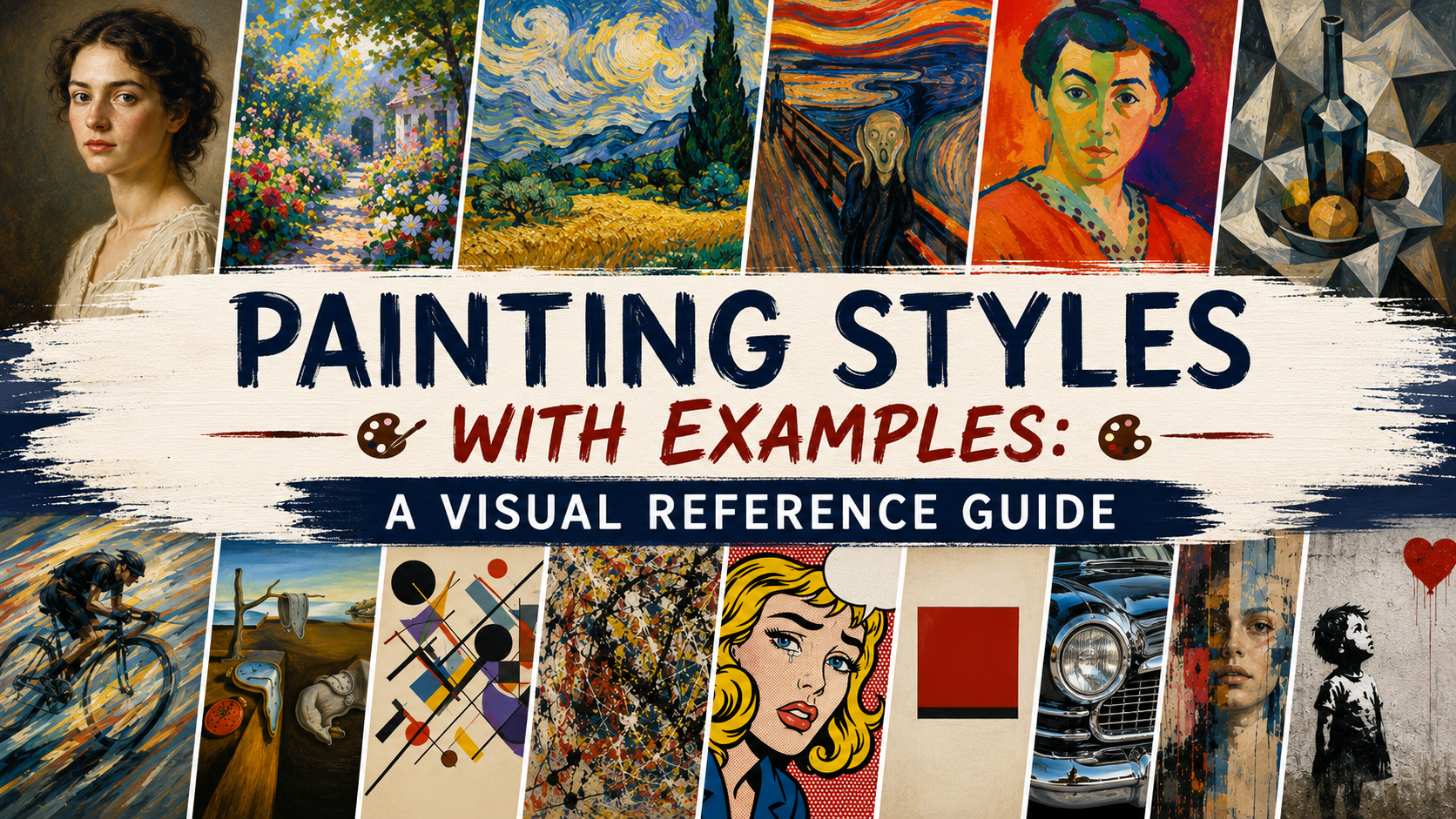
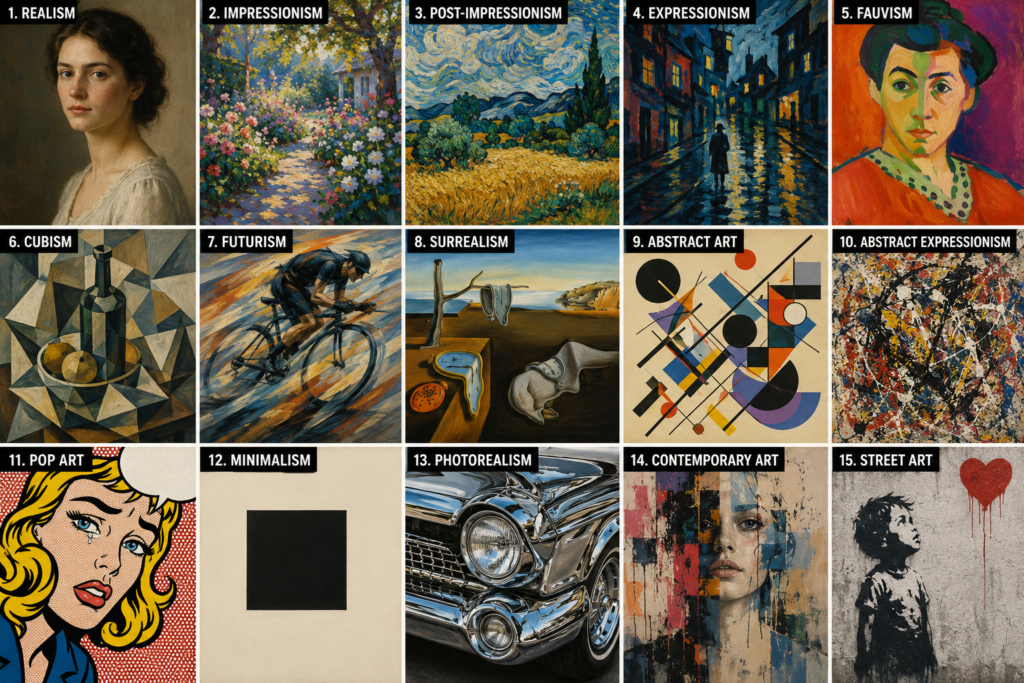
This visual guide introduces some of the most important painting styles with examples so you can quickly recognize their defining characteristics.
What Is a Painting Style?
A painting style is the distinctive visual approach an artist or movement uses to create artwork. To explore these connections further, see our guide to painting styles and movements.
A style can be identified through:
- Brushwork
- Colour choices
- Subject matter
- Composition
- Level of realism
- Use of light and texture
Many styles developed as reactions to earlier movements, creating the rich variety of art we see today.
1. Realism
Key Characteristics

- Accurate representation of subjects
- Natural colours
- Fine details
- Everyday scenes
Example
A highly detailed portrait showing realistic skin tones, accurate lighting, and true-to-life proportions.
Famous Artists
- Gustave Courbet
- Jean-François Millet
- Winslow Homer
Visual Clues
If it looks almost like a photograph but is clearly painted, you’re probably looking at Realism.
2. Impressionism
Key Characteristics
- Visible brushstrokes
- Bright colours
- Outdoor scenes
- Focus on light
Example
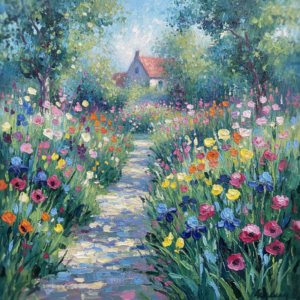
A sunlit garden painted with quick, broken brushstrokes that capture the feeling of a moment rather than exact details.
Famous Artists
- Claude Monet
- Pierre-Auguste Renoir
- Camille Pissarro
Visual Clues
Objects appear slightly blurred while light and atmosphere dominate.
3. Post-Impressionism
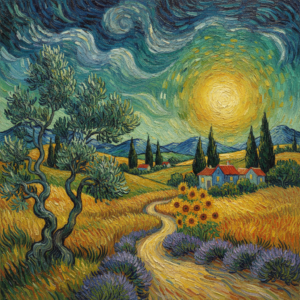
Key Characteristics
- Stronger colours
- More structure
- Emotional expression
Example
A countryside landscape painted using bold colour choices and expressive brushwork.
Famous Artists
- Vincent van Gogh
- Paul Cézanne
- Paul Gauguin
Visual Clues
More emotional and stylized than Impressionism.
4. Expressionism
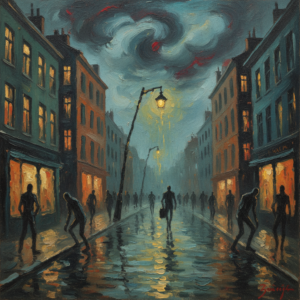
Key Characteristics
- Distorted forms
- Intense colour
- Emotional impact
Example
A city street painted with exaggerated colours and dramatic angles to communicate anxiety.
Famous Artists
- Edvard Munch
- Ernst Ludwig Kirchner
Visual Clues
Emotion matters more than realistic appearance.
5. Fauvism
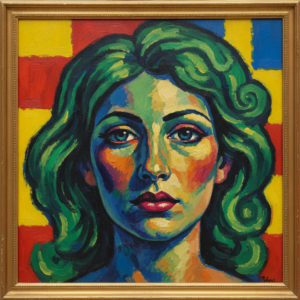
Key Characteristics
- Wild colours
- Simplified forms
- Decorative appearance
Example
A portrait with bright green shadows and vivid orange skin.
Famous Artists
- Henri Matisse
- André Derain
Visual Clues
Colours are intentionally unrealistic.
6. Cubism
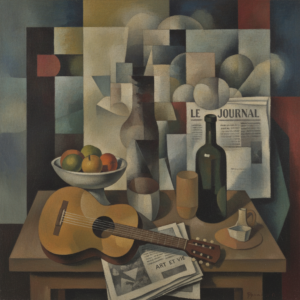
Key Characteristics
- Geometric shapes
- Multiple viewpoints
- Fragmented subjects
Example
A guitar broken into overlapping planes and angular forms.
Famous Artists
- Pablo Picasso
- Georges Braque
Visual Clues
Objects appear assembled from many viewpoints at once.
7. Futurism

Key Characteristics
- Movement
- Energy
- Technology
Example
A cyclist shown with repeated overlapping forms to suggest speed.
Famous Artists
- Umberto Boccioni
- Giacomo Balla
Visual Clues
Everything appears to be moving.
8. Surrealism

Key Characteristics
- Dreamlike imagery
- Unexpected combinations
- Symbolism
Example
Melting clocks hanging from tree branches in a desert landscape.
Famous Artists
- Salvador Dalí
- René Magritte
Visual Clues
Reality behaves like a dream.
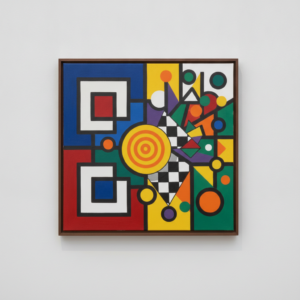
9. Abstract Art
Key Characteristics
- Non-representational
- Shapes and colours
- Focus on visual relationships
Example
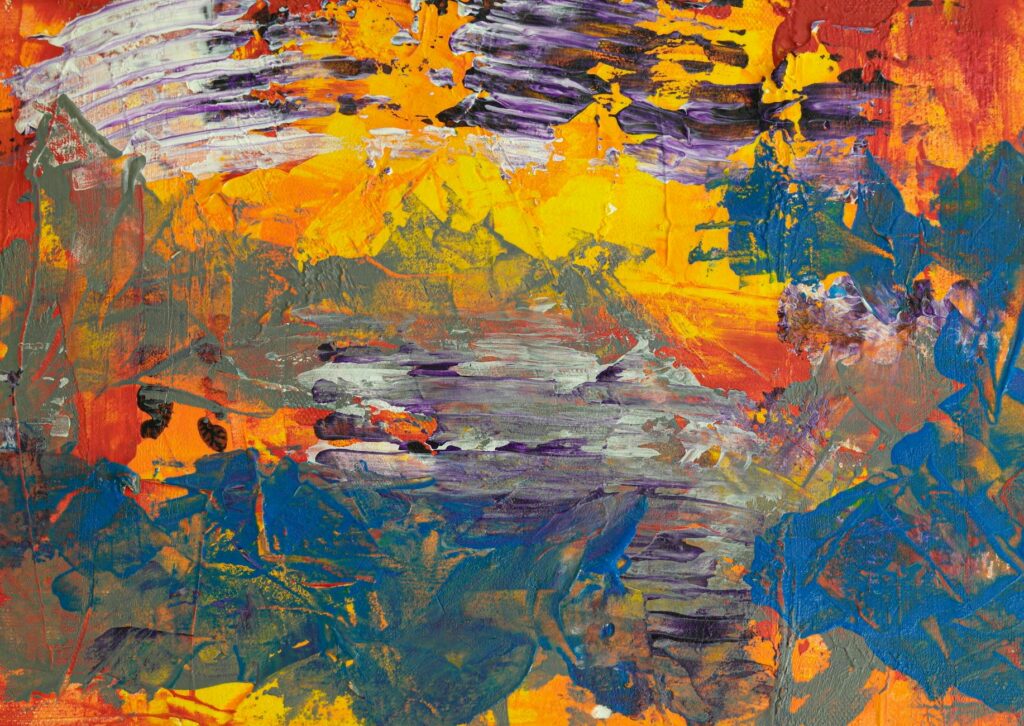
A composition of coloured geometric forms with no recognizable subject.
Many beginners start by experimenting with abstract painting because it encourages creative freedom.
Famous Artists
- Wassily Kandinsky
- Piet Mondrian
Visual Clues
You cannot identify a specific object or scene.
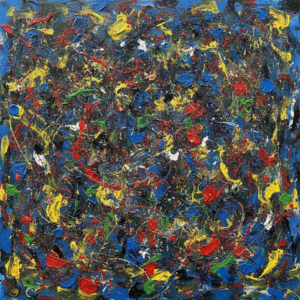
10. Abstract Expressionism
Key Characteristics
- Large scale
- Energetic brushwork
- Emotional spontaneity
Example
A canvas covered with sweeping gestures and layered paint.
Famous Artists
- Jackson Pollock
- Mark Rothko
Visual Clues
The painting records the artist’s actions and emotions.
11. Pop Art

Key Characteristics
- Popular culture references
- Bold graphics
- Commercial imagery
Example
A brightly coloured image inspired by comic-book printing techniques.
Famous Artists
- Andy Warhol
- Roy Lichtenstein
Visual Clues
Looks influenced by advertising or mass media.
12. Minimalism

Key Characteristics
- Simplicity
- Limited colour palette
- Clean geometry
Example
A large canvas containing only a few carefully placed shapes.
Famous Artists
- Frank Stella
- Agnes Martin
Visual Clues
Less is deliberately more.
13. Photorealism

Key Characteristics
- Extreme detail
- Precision
- Photograph-like appearance
Example
A reflective chrome car rendered with microscopic accuracy.
Famous Artists
- Richard Estes
- Chuck Close
Visual Clues
Viewers often mistake it for a photograph.
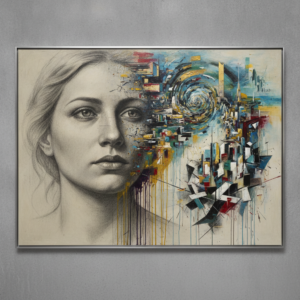
14. Contemporary Painting
Key Characteristics
- Mixed influences
- Experimental techniques
- Diverse subject matter
Example
A painting combining realism, abstraction, and digital-inspired imagery.
Visual Clues
Modern themes and innovative approaches.
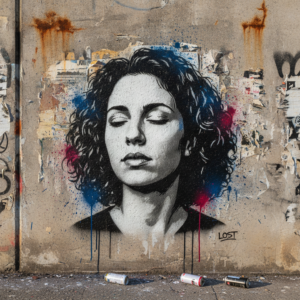
15. Street Art Style
Key Characteristics
- Urban influences
- Bold graphics
- Public-art aesthetic
Example
A stencil portrait layered over colourful spray-painted textures.
Famous Artists
- Banksy
- Shepard Fairey
Visual Clues
Looks inspired by murals and graffiti culture.
Quick Comparison Table
| Style | Realistic? | Colour Use | Main Focus |
|---|---|---|---|
| Realism | High | Natural | Accuracy |
| Impressionism | Medium | Bright | Light |
| Expressionism | Low | Emotional | Feelings |
| Fauvism | Low | Wild | Colour |
| Cubism | Low | Structured | Form |
| Surrealism | Variable | Symbolic | Dreams |
| Abstract | None | Central | Design |
| Pop Art | Medium | Bold | Popular Culture |
| Photorealism | Extremely High | Natural | Precision |
How to Identify Painting Styles Quickly
When examining a painting, ask:
- Is it realistic or abstract?
- How are colours used? Knowledge of colour theory can make identifying styles much easier.
- Are brushstrokes visible?
- Does the work emphasize emotion, light, form, or ideas?
- Does it resemble a known artistic movement?
These questions will help you classify most paintings surprisingly quickly.
Final Thoughts
Learning painting styles isn’t about memorizing art history dates. It’s about training your eye to recognize visual patterns. The more examples you see, the easier it becomes to distinguish Impressionism from Post-Impressionism, Cubism from Abstract Art, or Realism from Photorealism.
Use this guide as a visual reference whenever you’re trying to identify a painting style or explore new artistic directions in your own work.