Stop Guessing, Start Learning: Why Studying Masters Accelerates Your Art
Here’s a secret most beginners miss: you don’t have to reinvent the wheel.
The world’s most celebrated artists didn’t emerge from a vacuum—they studied, copied, and remixes the work of those who came before them. Picasso mastered realism before shattering it. Van Gogh practiced Japanese woodblock prints before developing his swirling style.
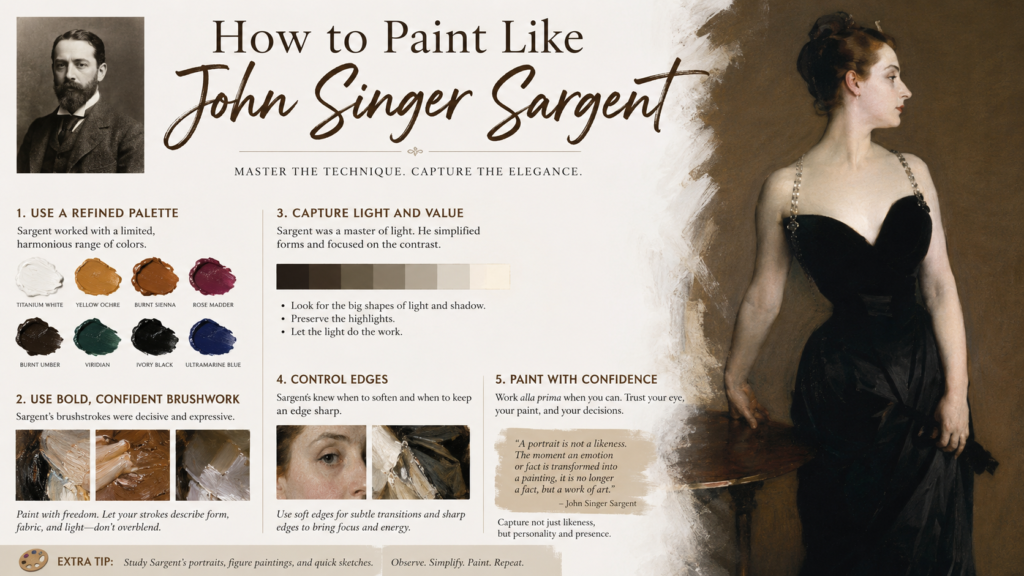
At Prominent Painting, we believe the fastest path to finding your voice is walking in the footsteps of giants. This isn’t about creating perfect replicas; it’s about decoding the simple techniques behind famous art and making them your own.
“Good artists copy, great artists steal.” — Often attributed to Pablo Picasso (though he likely meant “transform”)
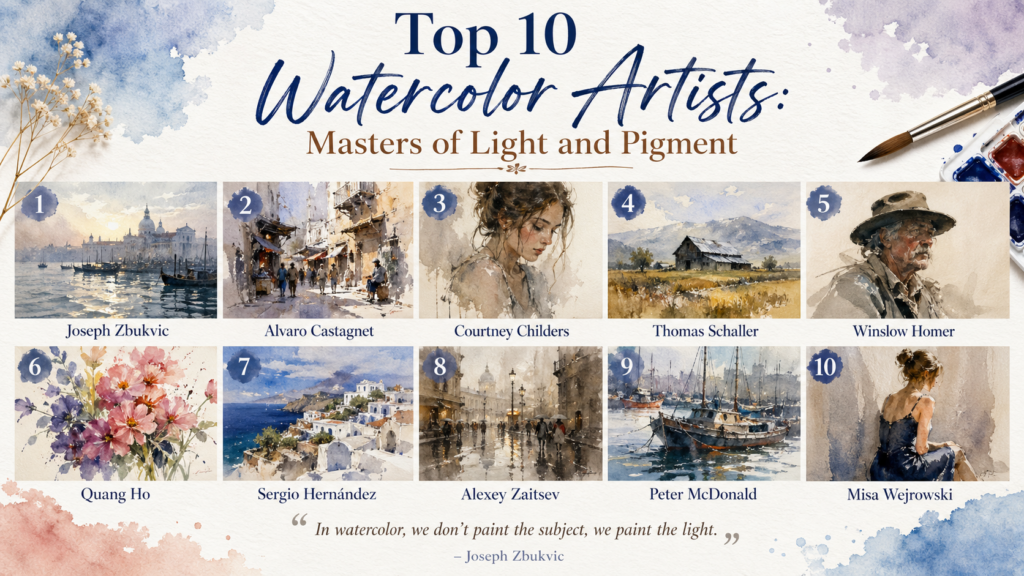
Ready to unlock the secrets of the masters? Let’s dive into 7 famous artists for beginners whose styles are surprisingly accessible—and deeply inspiring.
🎨 The Beginner-Friendly Master List: 7 Artists to Study First
1. Vincent van Gogh (1853–1890)
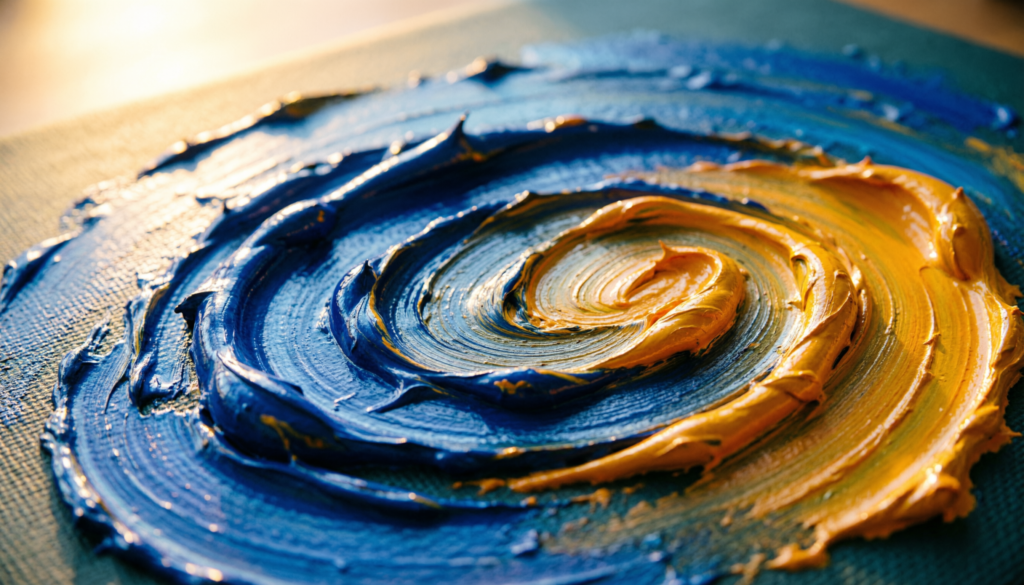
Style: Post-Impressionism | Signature Move: Bold impasto brushstrokes + emotional color
Why beginners love him: His work celebrates movement over perfection. Thick paint hides “mistakes,” and his subjects (sunflowers, stars, bedrooms) are everyday wonders.
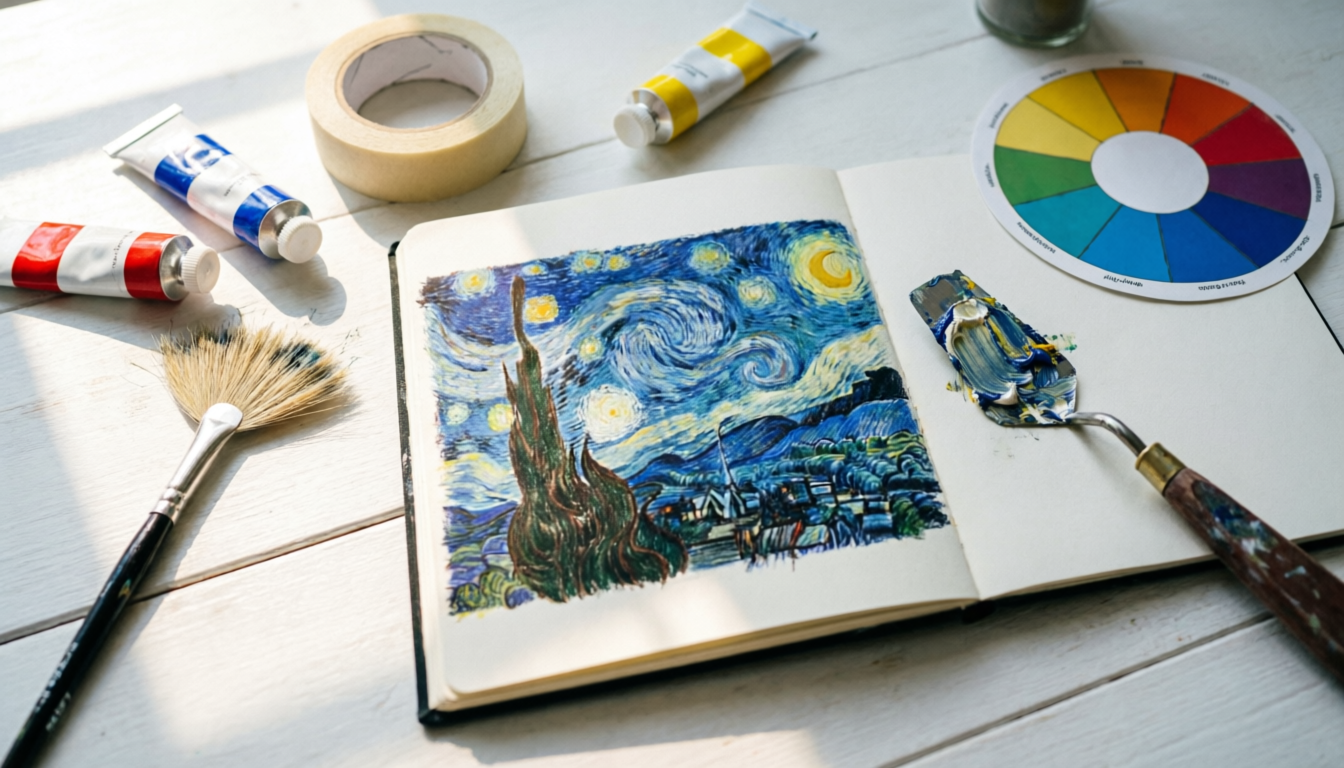
Key Technique: Impasto – applying paint thickly so brushstrokes stand out in 3D texture.
Your First Project: Recreate Starry Night’s sky using only 3 colors (blue, yellow, white) and a palette knife instead of brushes.
Supplies: Heavy-body acrylics, canvas board, palette knife.
Inspired? Explore our abstract painting guide to master expressive brushwork.
2. Claude Monet (1840–1926)
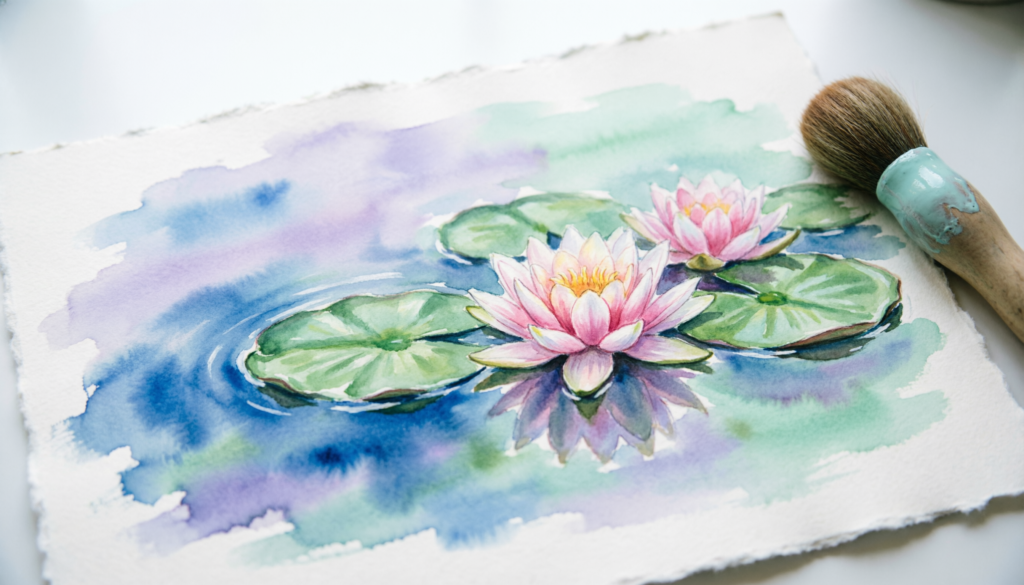
Style: Impressionism | Signature Move: Soft edges + light-focused color layers
Why beginners love him: No hard lines! His water lilies and haystacks prove that blurry can be beautiful. Perfect for learning color mixing without pressure.
Key Technique: Wet-on-wet blending – layering wet paint to create soft transitions
Your First Project: Paint a simple pond scene with 3 washes of blue, green, and pink—no details, just mood
Supplies: Watercolors, large round brush, textured paper.
Level up with our seascape painting 101 guide.
3. Piet Mondrian (1872–1944)

Style: De Stijl / Geometric Abstraction | Signature Move: Grids + primary colors
Why beginners love him: Straight lines = instant confidence. His black-grid compositions feel modern, meditative, and impossible to “mess up.”
Key Technique: Masking tape precision – creating crisp edges by painting over taped sections
Your First Project: Create a “Mondrian-inspired” canvas with red, blue, yellow blocks separated by black lines
Supplies: Acrylics, painter’s tape, ruler, small canvas.
Love geometry? Try our guide to mandala art for more structured creativity.
4. Henri Matisse (1869–1954)
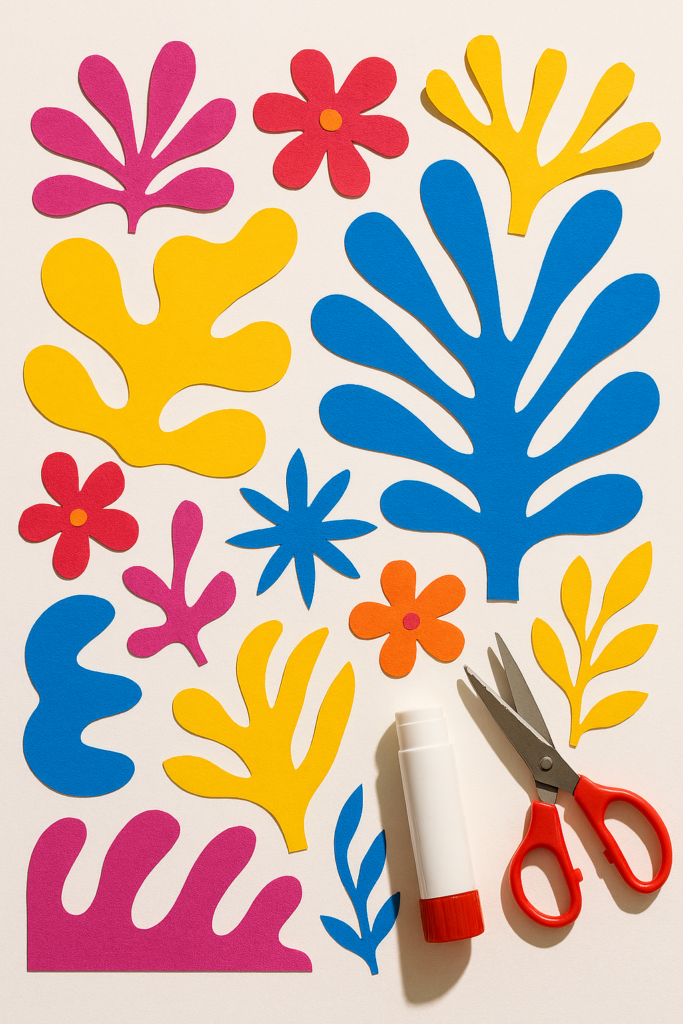
Style: Fauvism / Cut-Outs | Signature Move: Wild color + simplified shapes
Why beginners love him: He famously said, “I dream of an art of balance, purity, and serenity.” His later cut-out works prove you don’t need brushes—just scissors and bold choices.
Key Technique: Color blocking – using flat, unblended hues to define form
Your First Project: Cut paper shapes in bright colors, arrange them on a contrasting background, then glue (or paint the same effect!).
Supplies: Construction paper, scissors, glue OR acrylics + stencil brushes.
Discover more playful approaches in our mixed media techniques guide.
5. Georgia O’Keeffe (1887–1986)
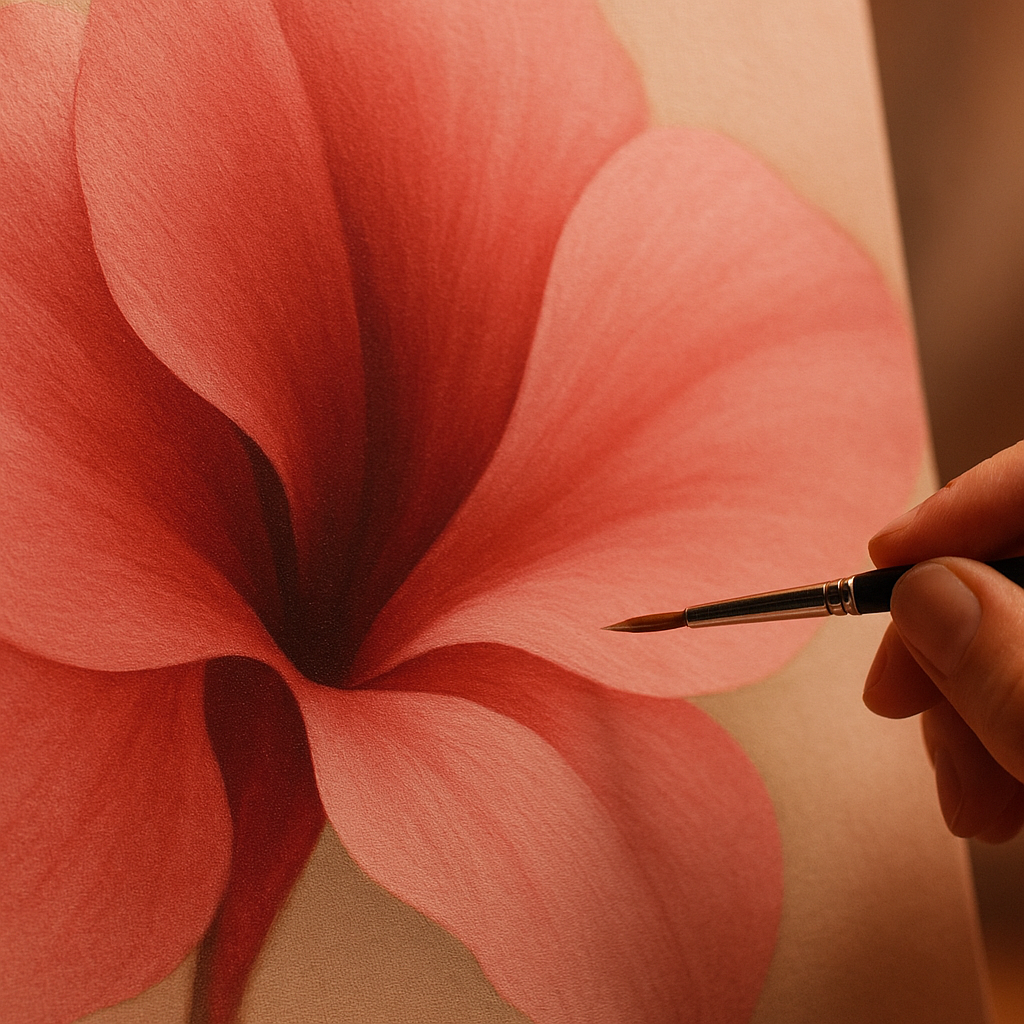
Style: American Modernism | Signature Move: Extreme close-ups of nature
Why beginners love her: She magnified flowers until they became abstract landscapes. This teaches you to see differently—a core skill for all artists.
Key Technique: Gradient blending – smooth transitions from dark to light within a single shape
Your First Project: Paint one oversized flower petal, focusing only on its color shifts from center to edge
Supplies: Acrylics or oils, fine detail brush, reference photo.
Floral fans: Don’t miss our how to paint flowers for beginners tutorial.
6. Bob Ross (1942–1995)
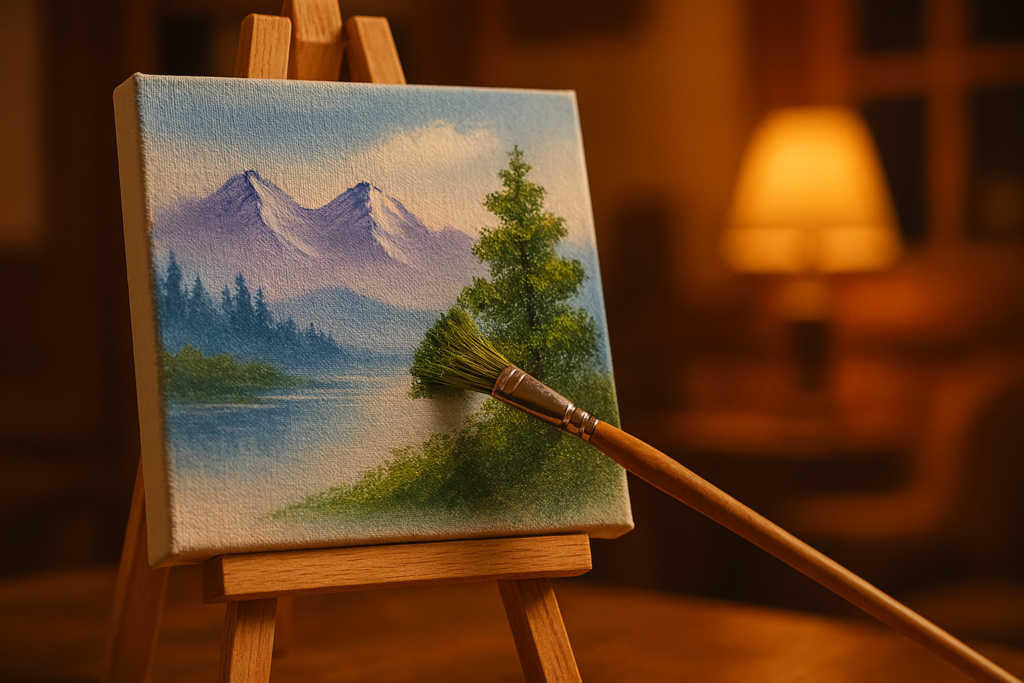
Style: Plein Air / Happy Little Trees | Signature Move: Wet-on-wet landscape magic
Why beginners love him: His mantra—”There are no mistakes, only happy accidents”—is the ultimate permission slip to play. His mountain scenes are built from simple circles and taps.
Key Technique: Wet-on-wet oil painting – layering wet paint without waiting for drying time
Your First Project: Paint a “happy little tree” using a fan brush and two shades of green
Supplies: Oil paints (or slow-drying acrylics), fan brush, small canvas.
Need supply help? See our essential painting supplies guide.
7. Frida Kahlo (1907–1954)
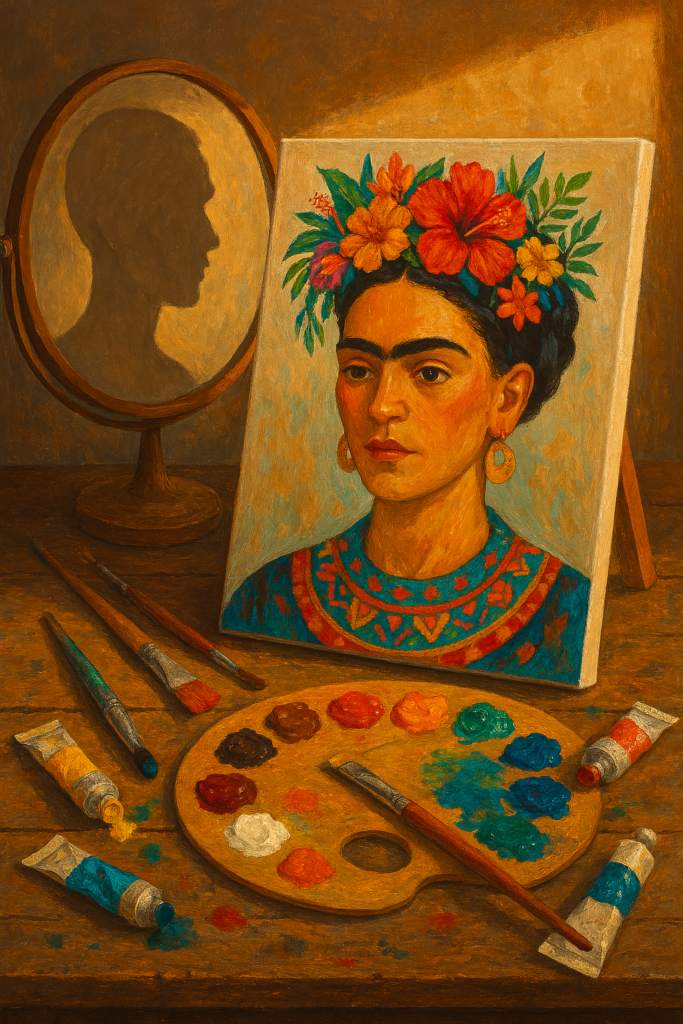
Style: Surrealism / Folk Art | Signature Move: Symbolic self-portraits + vibrant patterns
Why beginners love her: Her work blends personal storytelling with decorative elements. You don’t need realism—just courage to express your truth.
Key Technique: Pattern integration – weaving textiles, flora, and symbols into portraits
Your First Project: Paint a simplified self-portrait with one symbolic element (a flower, animal, or object that represents you).
Supplies: Acrylics, medium canvas, reference mirror.
Deepen your narrative skills with our portrait painting techniques guide.
🔍 How to Study a Master Without Feeling Intimidated
Studying famous artists isn’t about comparison—it’s about curiosity. Try this 3-step method:
- Observe: Pick one artwork. Ask: What’s the simplest shape here? What 3 colors dominate?
- Simplify: Reduce the piece to its bare bones (e.g., Van Gogh’s sky = swirls of 2 blues + 1 yellow).
- Remix: Recreate it with your twist—different colors, bigger brushes, or add your own symbol.
✨ Pro Tip: Set a 20-minute timer. Call it a “master study sprint.” Speed kills perfectionism!
🚀 Your 7-Day Master Challenge
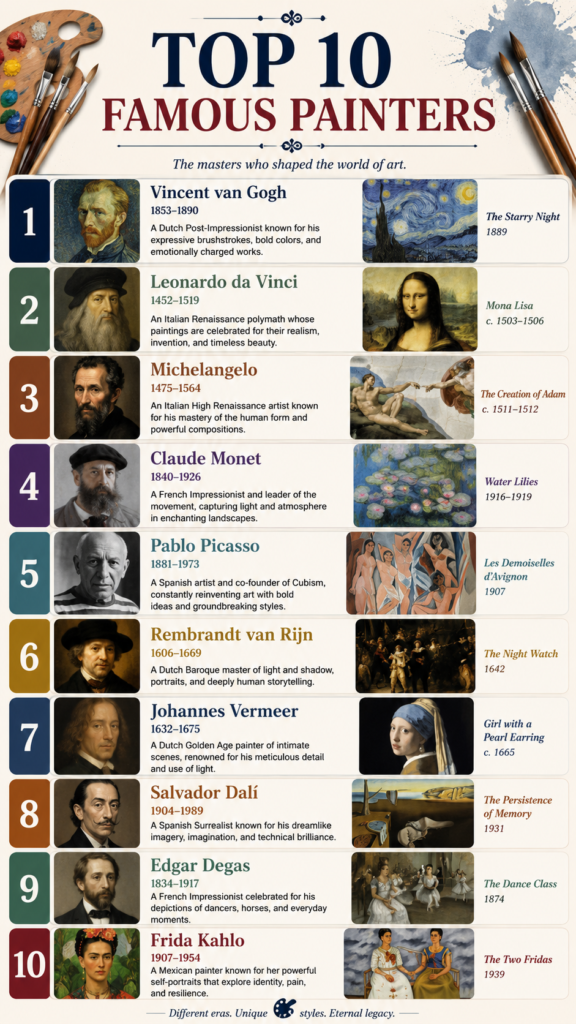
Day 1: Van Gogh sky (impasto swirls)
Day 2: Monet water reflection (wet-on-wet washes)
Day 3: Mondrian grid (tape + primary colors)
Day 4: Matisse cut-out (paper or painted shapes)
Day 5: O’Keeffe petal (gradient blending)
Day 6: Bob Ross tree (fan brush taps)
Day 7: Kahlo symbol (personal portrait element)
Document your journey! Share with #MasterStudyChallenge for community support.
💡 Why This Works: The Science of Learning from Masters
Research shows that copying masterworks activates the same neural pathways as original creation—but with less cognitive load. You’re not “cheating”; you’re reverse-engineering genius.
Plus, famous artists often used beginner-friendly constraints:
- Limited palettes (Monet rarely used black)
- Repetitive marks (Van Gogh’s dashes)
- Simple compositions (Mondrian’s grids)
These aren’t limitations—they’re launchpads.
❓ Quick FAQ: Famous Artists for Beginners
Q: Do I need expensive supplies to mimic these styles?
A: Not at all! Student-grade acrylics and basic brushes work perfectly. Bob Ross even used household items like sponges!
Q: What if my version looks nothing like the original?
A: That’s the point! You’re learning principles, not producing forgery. Embrace your unique interpretation.
Q: Which artist should I start with?
A: If you love texture → Van Gogh. Prefer calm → Monet. Crave structure → Mondrian. Follow your gut!
Q: Can I sell paintings inspired by masters?
A: Yes—as long as you transform the work significantly (add your style, change composition, etc.). Direct copies are copyright issues; inspired pieces are not.
Q: Where can I see these artworks in person?
A: Many museums offer free virtual tours! Also, high-res images are available on Google Arts & Culture.
🌟 Final Brushstroke: Your Inner Master Awaits
The greatest artists weren’t born geniuses—they were relentless students. Van Gogh copied Millet. Picasso studied Velázquez. O’Keeffe practiced botanical illustration for years.

Your next step:
- Pick one artist from this list.
- Find an image of their work online.
- Set a 20-minute timer.
- Paint your simplified version.
- Celebrate showing up.
Explore more master-inspired projects at Prominent Painting, where every stroke honors the past while building your future. Tag your master study with #LearnFromLegends.