
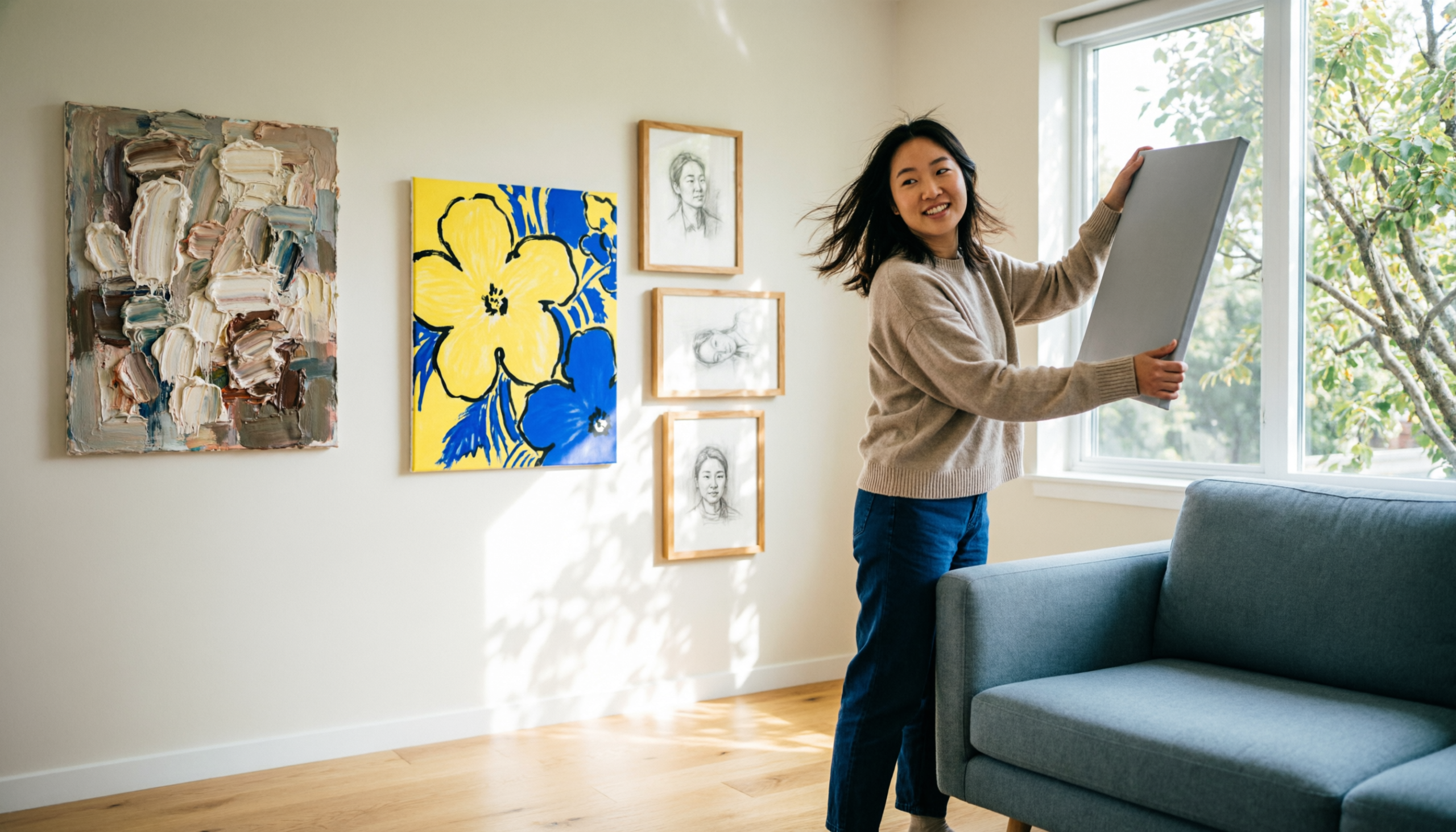
Collecting art in 2026 is not about high-stakes auctions or exclusive clubs. It is about finding a true match for your walls. This guide explores the booming market for affordable art collections 2026. You’ll learn how to identify emerging talent and navigate online platforms safely. We’ll also show you how to start a collection that grows in value and meaning. Your journey from a blank wall to a curated gallery starts here.

Have you ever stared at a blank wall and felt like a real art collection was out of reach? In 2026, that gatekeeping is officially over. Building affordable art collections 2026 is easier than ever before. The global art market is undergoing a massive structural reset.
Transaction volumes for works under $50,000 have reached a staggering 87 percent. We are moving away from treating art as mere content. Instead, we are entering an exciting era of art as an environment. Today’s collectors aren’t looking for expensive prestige names. They are looking for visible humanity.
This means art that shows the artist’s hand through raw textures and intentional imperfections. You might be drawn to vibrant floral pop or moody surrealism. Either way, building your collection is about intuition over optimization.
As a watercolorist and educator with over a decade of teaching, I’ve seen firsthand how the right piece of art heals. My goal at Prominent Painting is to make the mysterious art world feel like home. Collecting isn’t about being a wealthy expert. It is simply about being human. Let’s navigate this new landscape together without the intimidation factor.
Why Is 2026 the Best Time to Start an Affordable Art Collection?
2026 is a prime collector’s year because the art market has decentralized. With 87 percent of all art transactions now occurring in the sub-$50,000 price tier, galleries prioritize accessibility. They focus on human-centric art over high-end prestige, making it easier for beginners to enter the market safely.
The cultural shift is moving rapidly from status to sincerity. Buyers want real emotional connections with the artwork they bring home. Smaller dealers with under $250,000 in turnover are seeing 17 percent growth. This proves that the grassroots, lower-end market is thriving.
Social media and direct-to-artist platforms are democratizing the art world. You no longer need an expensive art advisor to find beautiful pieces. Artists are selling directly to fans online. This cuts out the middleman and keeps prices fair for everyone.
What Is the Visible Humanity Trend in Art?

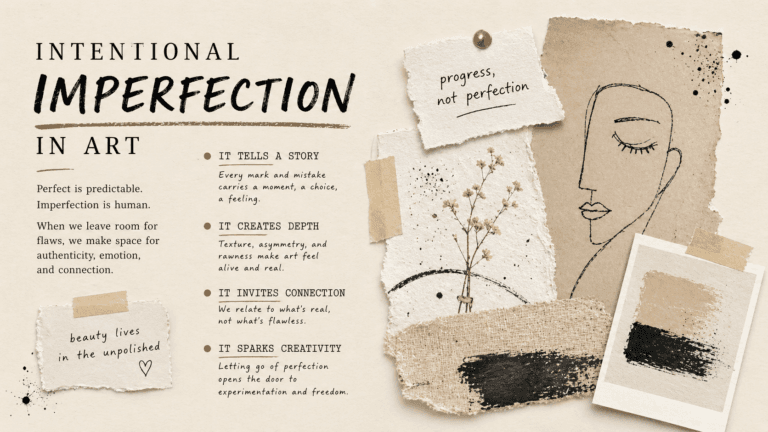
Visible Humanity is a 2026 art trend that rejects AI-generated perfection in favor of raw and tactile elements. Collectors seek works with visible brushstrokes, textured layers, and simple compositions. These details prove a human hand and real time were behind the creation.
A slightly naïve or unpolished painting style shows instinct and immediacy. It feels warm and relatable to the viewer. The steady rise of collage and craft shows a massive demand for irreplicable artistry. People want physical things that a computer simply cannot generate.
You can integrate this trend into your home easily. Use our color theory basics guide to choose textured pieces that harmonize with your current room colors. A heavily textured painting adds wonderful depth and shadow to any space.
Top Emerging Art Movements for New Collectors
Several fresh movements are making waves this year for new collectors. Floral Pop is a huge trend right now across global galleries. It features saturated, optimistic nature scenes reimagined with bold symbolism. Galleries note that these bright nature works are selling incredibly fast to young buyers.
Personal Surrealism is another rapidly growing category. Artists use dream-like logic to process modern anxieties and daily stress. This results in moody, thought-provoking pieces that start great conversations. They are absolutely perfect for a living room focal point.
Eco-Conscious Art is also a massive movement for 2026. Creators use recycled materials and organic pigments as a creative imperative. When we implemented this focus in our own local workshops, we saw students connect much deeper with their materials.
| Art Movement | Key Characteristic | Best Room to Display |
| Floral Pop | Bright colors, bold natural symbolism | Living rooms, entryways |
| Personal Surrealism | Moody, dream-like scenes and logic | Home offices, bedrooms |
| Eco-Conscious Art | Recycled materials, earthy natural tones | Dining rooms, sunrooms |
Where Do You Find Affordable Originals and Limited Editions?

For 2026, the best sources for affordable art include major events like the Affordable Art Fair and curated digital marketplaces. Direct-to-consumer sales via social media are also booming. Platforms like Instagram now account for 51 percent of new collector engagement globally.
You have many great options for finding art online safely. Sites like Saatchi Art and Artsy let you filter by price, size, and medium. If you prefer to buy in person, the Affordable Art Fair hosts fantastic global editions in major cities.
It’s important to know the difference between open and limited editions. A limited edition print has a strict set production number and is signed by the artist. Open editions are printed endlessly and hold less financial value over time.
If you plan to visit a gallery, review our art gallery etiquette tips. They will help you feel completely confident in person. You can also leverage free tools for artists to research typical pricing trends before you buy.
How Do You Know if an Emerging Artist Is Worth Collecting?
Look for a clear voice and consistent artistic development. A strong indicator of future success is an artist who can articulate their vision well. They should show a cohesive thread across their portfolio rather than jumping randomly between disconnected styles.
Analyzing an artist statement reveals their conceptual maturity. Art professionals suggest looking for recurring motifs or a highly dedicated color palette. This shows the artist is serious about mastering their specific craft over time.
Exhibition history is another incredibly helpful clue. Check if they have shown work in local galleries or collaborative group shows. If you want to understand how artists develop this consistency, read our guide on how to find your painting style to see the process firsthand.
Practical Steps to Building a Soul-First Budget
Setting an art budget doesn’t have to be stressful or restrictive. Start by allocating a safe comfort budget for yourself. For many new buyers, spending between $100 and $500 is a perfect starting point. This lets you acquire real art without financial panic.
Always follow your instincts over passing trends. Buy what you actually want to look at every single day. Market experts agree that a genuine emotional connection is the best return on investment you can make.
Consider small originals and artist studies as easy entry points. These smaller works are much cheaper than large gallery canvases. They are a fantastic, affordable way to own an original piece from an artist you truly love.
Conclusion
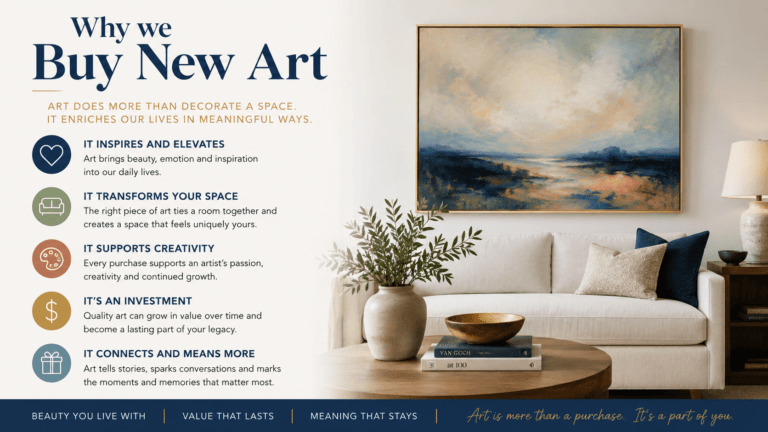
Building an art collection isn’t about filling empty gaps on a wall. It’s about creating an environment that speaks directly to your soul. In 2026, the traditional financial barriers are finally down. The most valuable piece in your home is simply the one that makes you pause.
Whether you start with a limited edition print or a small textured canvas, you’re doing it right. Every great collection starts with a single, unexplained connection. Don’t wait for a perfect plan or a huge bank account.
Trust your eye and support a living artist. Let your walls start telling your unique story today. Are you ready to find your very first piece? Start by exploring the styles that resonate with you most in our introduction to painting.
FAQs: Affordable Art Collections
What is the price range for affordable art in 2026?
Most affordable art fairs and online platforms cap their range between $100 and $12,000. However, many entry-level original pieces are readily available for under $1,000. This makes collecting highly accessible for normal budgets.
Is digital art still a trend for 2026 collections?
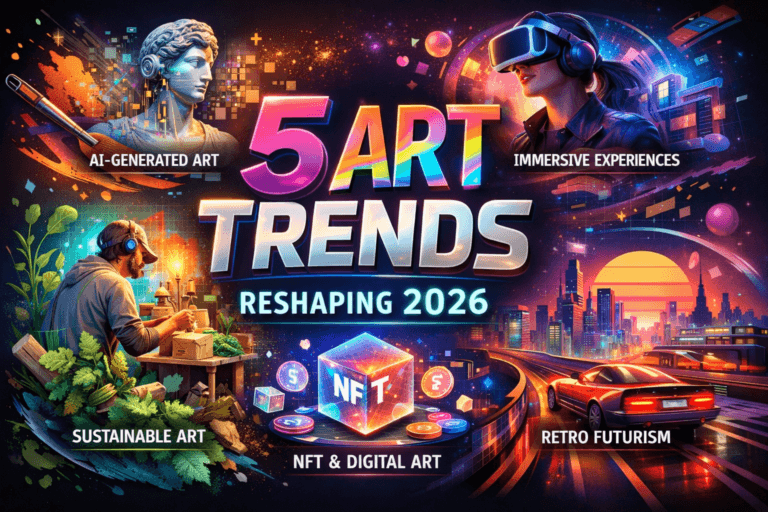
Yes, but the focus has shifted heavily to hybrid works. These are physical pieces that incorporate digital elements to bridge the gap between tradition and technology. Collectors enjoy having a tangible physical object attached to their digital rights.
How can I tell if an art print is collectible?
Always look for limited edition prints. These should be strictly signed and numbered by the creator. Limited runs are much more exclusive and hold their value significantly better than mass-produced posters.
Do I need to visit galleries in person to buy art?
No, you don’t have to visit physical galleries. Over half of new collectors now buy directly via social media apps. Online sales continue to grow, though local fairs remain a fun way to meet artists.
What is the most popular medium to collect in 2026?
Paintings absolutely remain the most purchased medium globally. Collectors specifically favor pieces with heavy texture or visible humanity elements. The tactile nature of physical paint simply cannot be replicated by screens.

Olly
Olly Farmer M.Sc, B.Sc, PGCE 25 years experience of Watercolor Painting and AI Art; teacher for 13 years; Creator of Art Tools; Art Gallery Contributor of Art Articles to Medium.com, LinkedIn and Facebook
Continue exploring
PROMINENT PAINTING
Keep your creative momentum
Get new painting guides, practical techniques and artist stories delivered without the noise.
Occasional emails. Unsubscribe whenever you like.