
Summary: Filming your painting process for social media does not require an expensive camera crew or complex studio gear. By pairing a sturdy overhead desk mount with balanced LED lights, you can capture crisp, shadow-free time-lapses right from your smartphone. This guide breaks down essential Amazon gear, lighting strategies, and editing workflows to help you share your creative journey with online art communities.
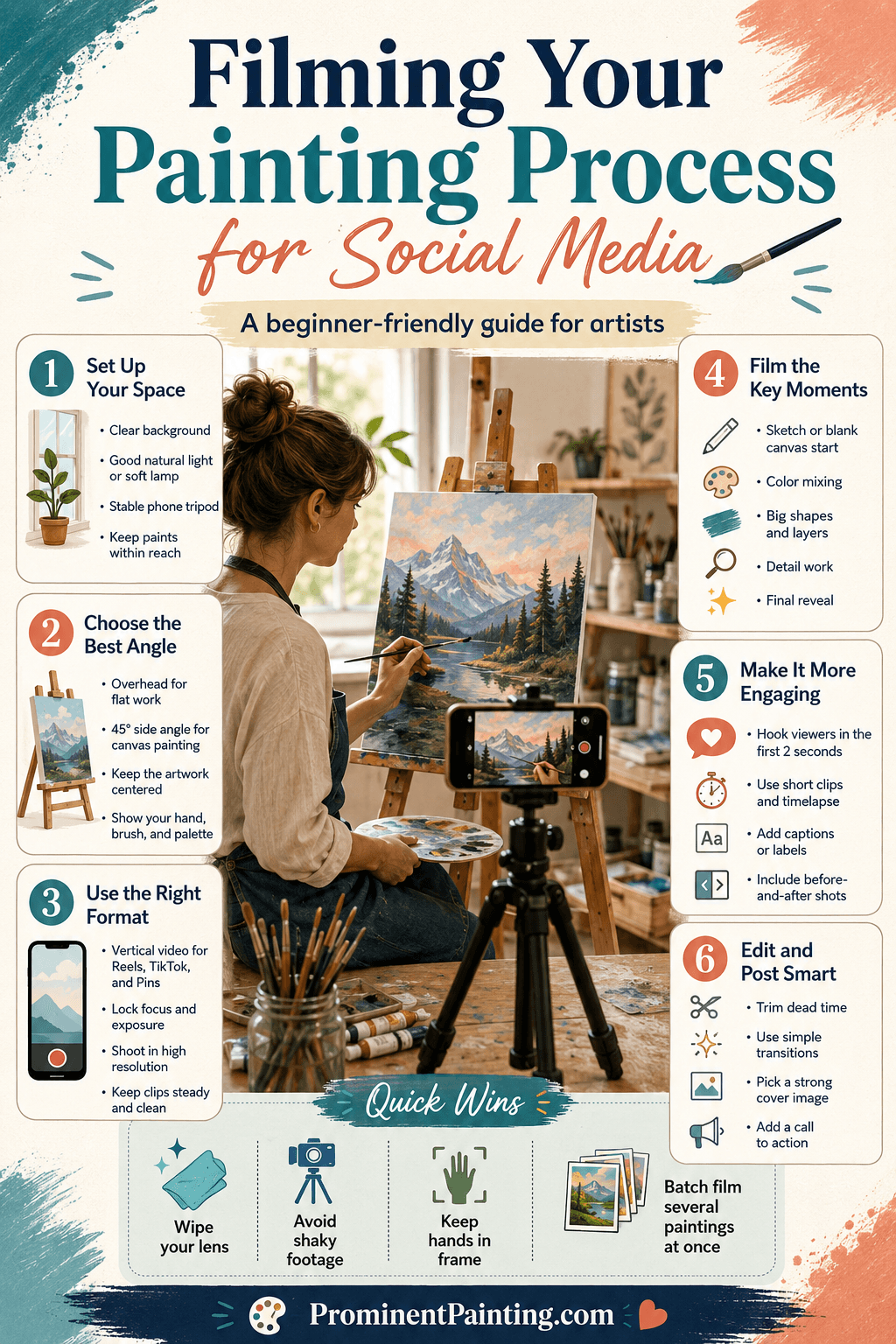
Recording your canvas can feel intimidating at first. You press record, dip your brush in water, and suddenly worry your hand blocks the best view of the canvas. You are not alone in feeling this way. Over a decade of teaching taught me that setup friction stops more artists from sharing their work than lack of talent ever will.
Social feeds thrive on video. In fact, social media video content generates 1,200% more shares than text and image posts combined. Learning filming your painting process for social media connects your studio directly with fellow creators across the globe. You do not need thousands of dollars in gear to get started. A smart setup lets you record clean footage without overcomplicating your process.
What Equipment Do You Need to Film Your Painting Process?
You only need a modern smartphone, a sturdy overhead desk mount, and a dimmable LED light source. This simple combination lets you record smooth time-lapses and crisp detail shots without cluttering your studio desk.
Start with the camera you already own. Modern smartphone sensors capture incredible detail in 1080p or 4K resolution. The real key lies in physical stability. Holding a phone by hand or balancing it against a jar of water leads to shaky footage and ruined shots.
To create professional videos, you will want reliable gear designed specifically for top-down tabletop recording:
- Heavy-Duty Overhead Phone Mount: Look for an adjustable C-clamp boom arm like the Overhead Phone Stand Mount. Clamping directly to your desk keeps your camera completely steady during aggressive brushwork.
- Diffused LED Lighting: Unfiltered overhead room lights create harsh glares and strange yellow tones. A compact dual-light setup like the Neewer Desktop LED Video Light Kit provides soft, balanced illumination across your canvas.
- Surface Protection: Keep your desk tidy with a neutral grey or white cutting mat to keep camera autofocus balanced on your paper.
When setting up your station, make sure you are working with reliable materials. Pairing your video kit with choosing beginner-friendly paints ensures your colors look rich and vivid on screen.
Choosing the Right Overhead Mount and Lighting Setup
Top-down tabletop photography requires absolute stability. A cheap plastic tripod will shake every time your hand presses against the painting table. Heavy-duty metal articulated arms solve this problem instantly by securing your phone overhead while keeping the desk surface clear for your paint palette and water jars.
Lighting dictates your final visual quality. According to video production standards, maintaining a consistent 5000K to 6500K daylight color temperature ensures true-to-life visual color accuracy on camera. Avoid mixing warm household bulbs with cool daylight windows, as this confuses your phone camera sensor and shifts your paint pigments toward muddy tones.
How Do You Frame and Film Art Videos Without Hand Shadows?
Position your primary key light at a 45 degree angle opposite your dominant hand, while keeping your overhead camera directly parallel to the paper. This layout keeps your working area fully illuminated while blocking your arm from casting dark shadows over your brushwork.
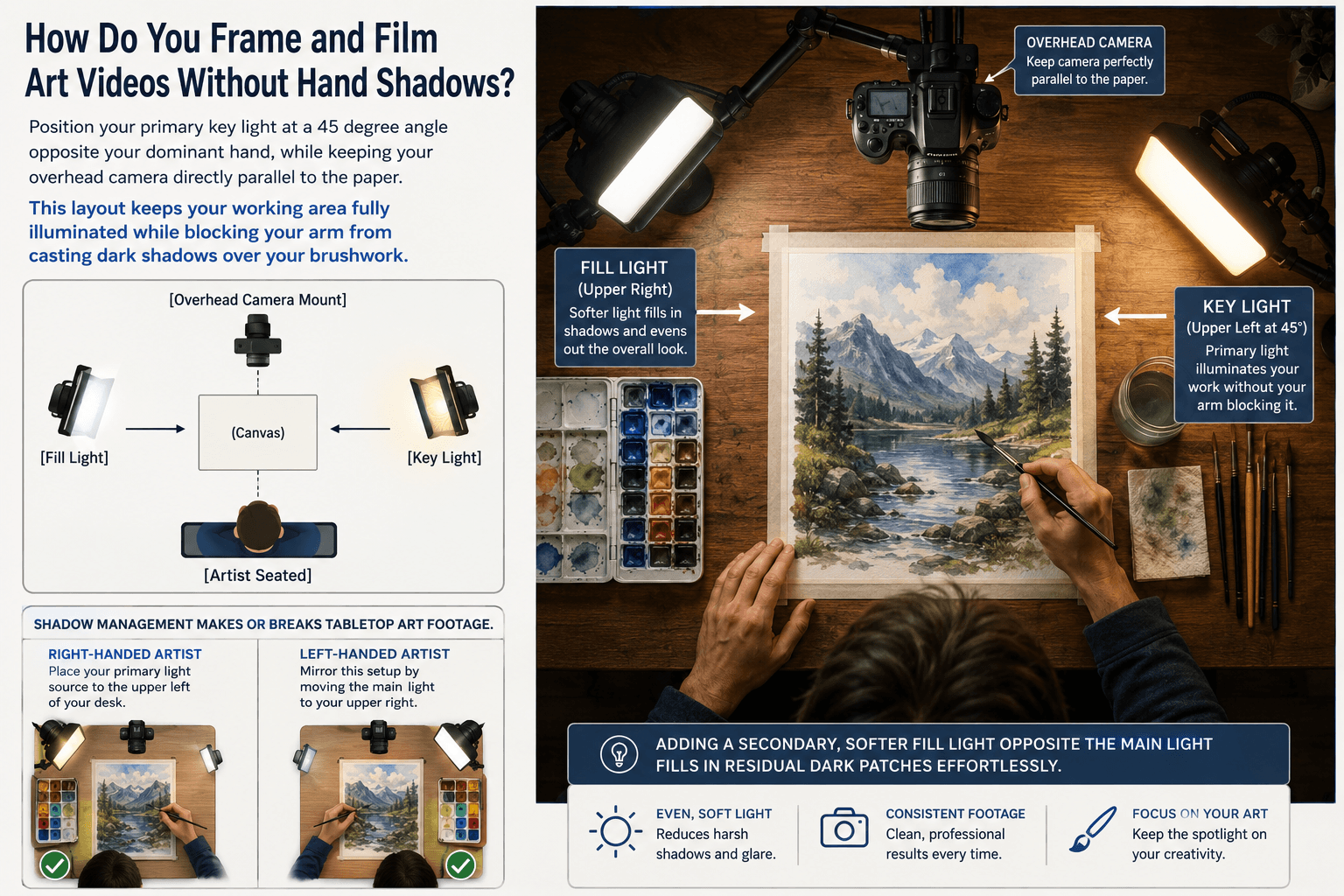
Shadow management makes or breaks tabletop art footage. If you are right-handed, place your primary light source to the upper left of your desk. If you paint left-handed, mirror this setup by moving the main light to your upper right. Adding a secondary, softer fill light opposite the main light fills in residual dark patches effortlessly.
As Lukis Studio notes in their tabletop drawing guide, using dual indirect lighting sources prevents heavy hand shadows when filming tabletop art. Pay attention to your tools as well. Using clean equipment like selecting the best paint brushes gives your viewers a clear, beautiful view of pigment hitting wet paper.
Editing Time-Lapses and Capturing Authentic Creative Hooks
Great video content does not require hours of complex editing. Most creators film long painting sessions using their phone camera built-in time-lapse mode, or record raw footage to speed up later inside free editing apps like CapCut or InShot.
Keep your video pacing lively:
- Grab Attention Fast: Show a dramatic color mix or a bold brushstroke within the first three seconds.
- Vary Your Shot Lengths: Cut between wide overhead progress shots and close-up angles showing texture.
- Add Personal Audio: Record a quick voiceover explaining what went well or where you made a mistake.
Recent audience research shows that authentic, unpolished studio footage builds higher viewer trust than hyper-edited promotional clips. Do not hide your mistakes. Showing how you fix an accidental water spill makes your content relatable and encouraging to beginners.
Best Video Cameras for Filming Your Art Process
Dedicated video cameras offer superior lens sharpness, wider dynamic range, and accurate color science for artists expanding beyond smartphone clips. Camera models designed for content creators simplify focus tracking while recording long painting sessions without automatic shutoff.
When choosing a camera for art videos, prioritize flip-out screens, clean HDMI output, and flat-field lens options. According to camera technical evaluations, sharp flat-field lenses prevent edge distortion so straight canvas lines stay perfectly square in your frame. Matching your lens setup with color theory basics helps you capture exact color values on screen.
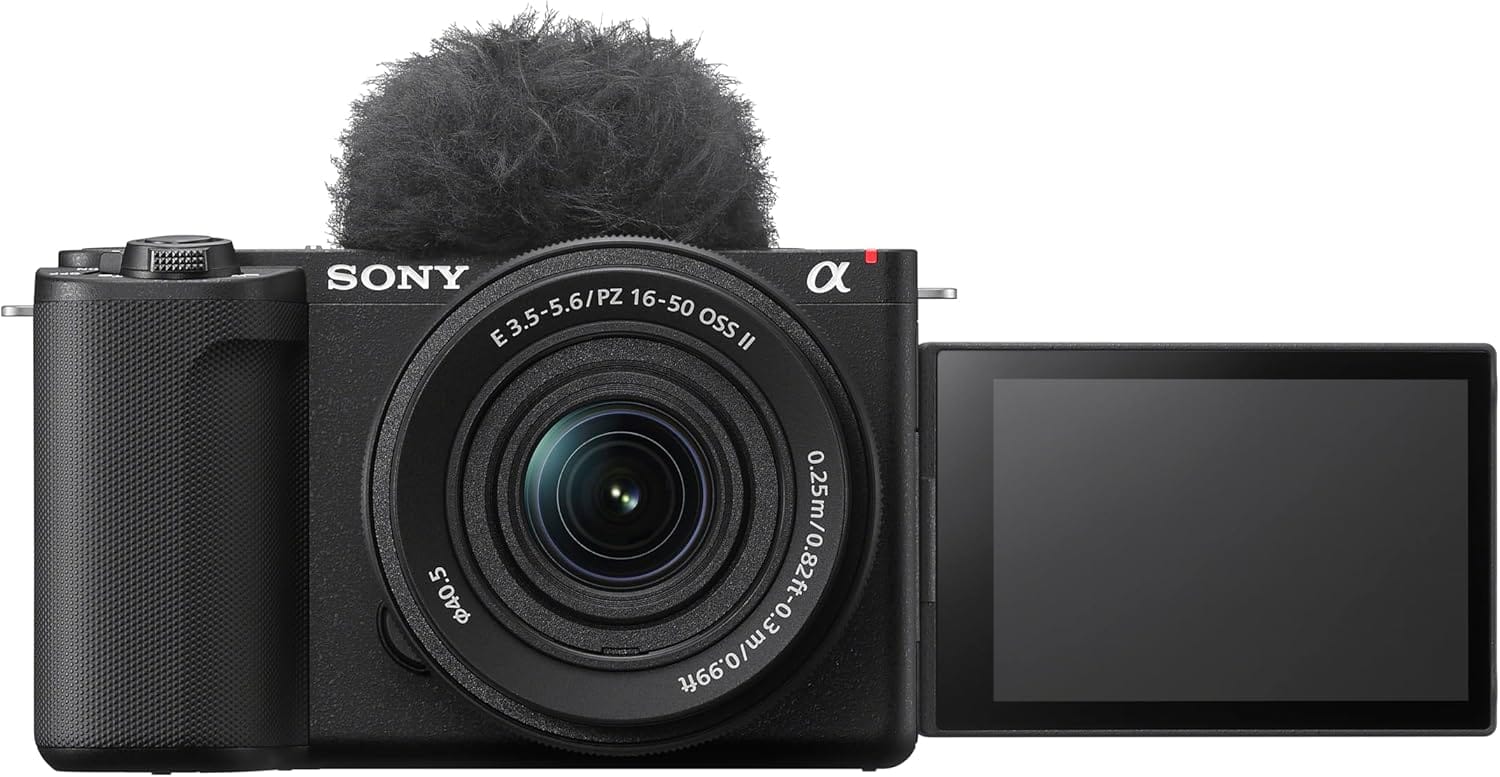
| Camera Model | Primary Strength | Best For | Key Features |
| Sony ZV-E10 II | Dedicated Vlogging Tech | Compact Studio Rigs | Flip-out screen, product showcase focus, 4K 60p video. |
| DJI Osmo Pocket 3 | Built-in 3-Axis Gimbal | Portable Process Clips | Ultra-compact design, face tracking, fast 1-inch sensor. |
| Fujifilm X-T5 | Exceptional Color Science | High-Detail Artwork | 40MP sensor, legendary color accuracy, internal stabilization. |
| Canon EOS R7 | Fast Autofocus Tracking | Detailed Macro Shots | Sharp APS-C sensor, subject detection, unlimited recording time. |
You can find the Sony ZV-E10 II Mirrorless Camera on Amazon for an easy plug-and-play desktop video rig. For an all-in-one handheld gimbal, check out the DJI Osmo Pocket 3 Creator Combo on Amazon.
Which Social Media Platforms Work Best for Art Process Videos?
TikTok, Instagram Reels, and YouTube Shorts yield the highest organic reach for short-form art process videos. Platforms prioritizing short vertical clips reward authentic painting footage, giving artists rapid exposure regardless of their initial follower count.
| Platform | Recommended Length | Best Video Format | Key Audience Benefit |
| TikTok | 15 to 45 Seconds | Vertical (9:16) | High organic reach for raw studio processes. |
| Instagram Reels | 30 to 60 Seconds | Vertical (9:16) | Excellent for building an aesthetic portfolio. |
| YouTube Shorts | 30 to 60 Seconds | Vertical (9:16) | Drives subscribers toward long-form tutorials. |
Industry benchmark reports show that short-form videos yield 2.5 times more engagement than long-form content, with mobile devices driving 75% of total viewing. Understanding these short-form painting trends helps you tailor your clips for maximum impact without changing how you paint.
You do not need perfection to start sharing your art with the world. Set up your phone, turn on your lights, and let your natural painting process shine. Every clip you record helps demystify art for someone else while giving you a fresh perspective on your own creative habits. Take a look at our guide on how to build your personal art brand to turn your new process clips into a thriving online art practice today!
FAQs: Filming Your Painting Process
Should I film my painting process in portrait or landscape mode?
Film short-form process clips in vertical portrait mode (9:16 ratio). Social platforms like TikTok, Instagram Reels, and YouTube Shorts are built specifically for full-screen vertical smartphone viewing. Reserve horizontal landscape orientation (16:9) for detailed, long-form YouTube tutorials.
How do I prevent my phone from overheating while recording long painting sessions?
Lower your screen brightness, close background apps, and remove heavy protective cases before filming long sessions. If you record for several hours, use built-in time-lapse modes rather than continuous 4K video to reduce processing load on your phone camera battery.
What is the best camera speed for painting time-lapses?
A speed multiplier between 8x and 16x works best for most painting time-lapses. This range compresses a one-hour studio session down to a fast-paced 30 to 60-second video that keeps viewers engaged without obscuring your actual brushwork technique.
Do I need professional video editing software to post art clips?
No, you do not need complex desktop editing software. Free mobile apps like CapCut, InShot, or VN Video Editor offer intuitive tools for trimming clips, adding text overlays, speeding up footage, and recording voiceovers directly on your smartphone.
How do I stop my studio lights from changing the real color of my paint?
Use LED lights rated with a High Color Rendering Index (CRI 95 or higher) set to daylight temperature (5000K-6000K). Avoid mixing warm indoor incandescent light bulbs with natural sunlight, as mixed lighting tricks smartphone camera auto-white-balance settings.

Olly
Olly Farmer M.Sc, B.Sc, PGCE 25 years experience of Watercolor Painting and AI Art; teacher for 13 years; Creator of Art Tools; Art Gallery Contributor of Art Articles to Medium.com, LinkedIn and Facebook
Continue exploring

PROMINENT PAINTING
Keep your creative momentum
Get new painting guides, practical techniques and artist stories delivered without the noise.
Occasional emails. Unsubscribe whenever you like.