
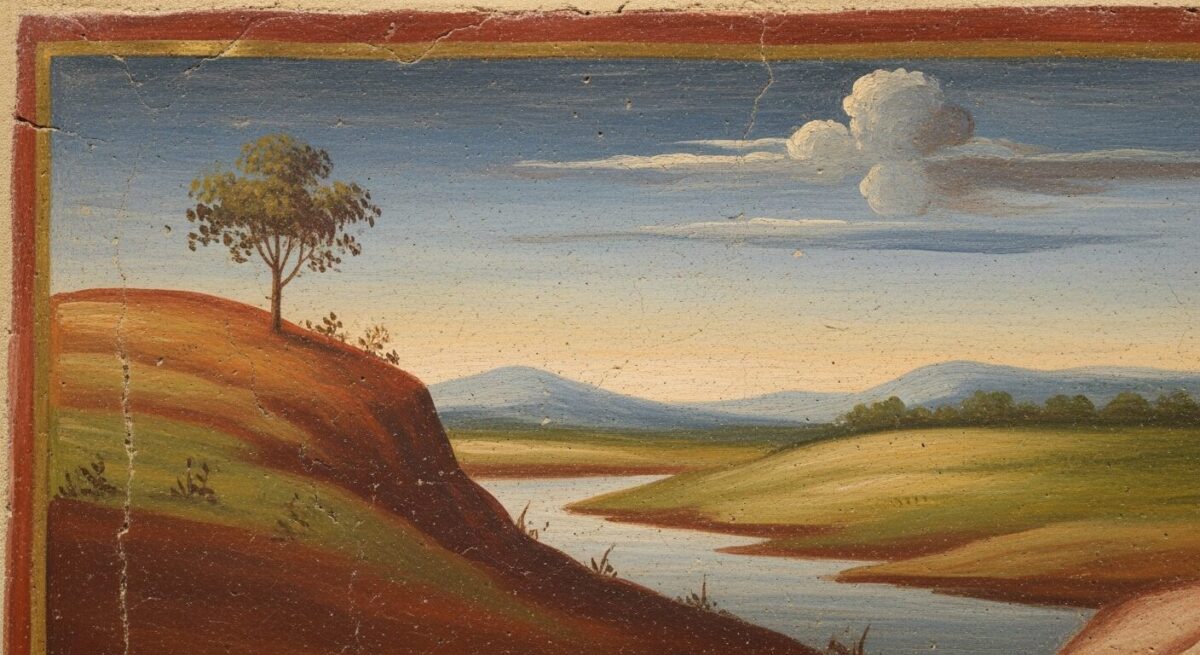
Fresco painting is a painting technique in which pigments mixed with water are applied directly onto freshly laid wet plaster.
Fresco painting for beginners opens up a world of ancient artistic traditions that have captivated viewers for centuries. This timeless technique, which involves painting on wet lime plaster, creates stunning wall art that can last for hundreds of years. From Michelangelo’s breathtaking Sistine Chapel ceiling to Roman villa decorations, fresco painting has left an indelible mark on art history. Whether you’re a complete novice or an experienced artist looking to explore new mediums, learning fresco painting offers a unique and rewarding creative journey.
Key Points Summary
- Fresco painting involves applying water-based pigments to wet lime plaster
- Two main techniques: buon fresco (true fresco) and fresco secco
- Essential materials include lime plaster, natural pigments, and specialized brushes
- Time-sensitive process requiring quick, confident painting while plaster remains wet
- Rich historical tradition dating back to ancient civilizations
- Creates permanent, luminous artwork through chemical bonding
What is Fresco Painting?
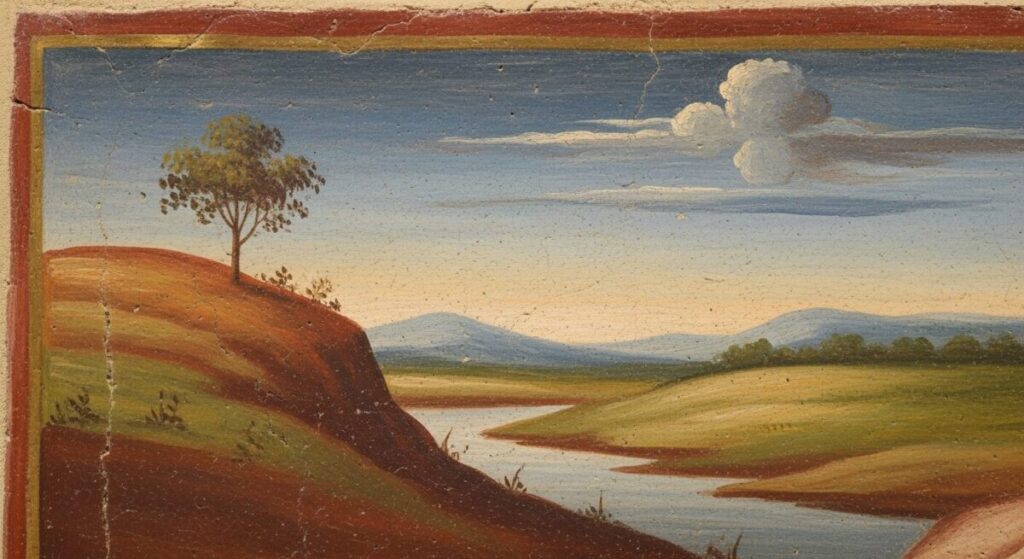
Fresco painting is a traditional wall painting technique where artists apply water-based pigments directly onto freshly laid, wet lime plaster. The word “fresco” comes from the Italian word meaning “fresh,” referring to the wet plaster surface. As the plaster dries and carbonates, it chemically bonds with the pigments, creating artwork that becomes part of the wall itself.
This ancient art form differs significantly from modern painting techniques because the artist must work quickly while the plaster remains workable. The result is a matte, luminous finish that has remarkable durability when properly executed.
The Rich History of Fresco Art
Renaissance art represents the golden age of fresco painting, but this technique has much deeper roots. Ancient Romans decorated their villas with elaborate frescoes, while Byzantine and medieval artists adorned church walls with religious scenes. The technique reached its pinnacle during the Italian Renaissance when masters like Michelangelo, Raphael, and Giotto created masterpieces that still inspire artists today.
The Sistine Chapel ceiling, painted by Michelangelo between 1508 and 1512, remains the most famous example of buon fresco technique. This monumental work demonstrates the incredible possibilities of fresco painting when mastered by skilled hands.
Essential Materials for Fresco Painting
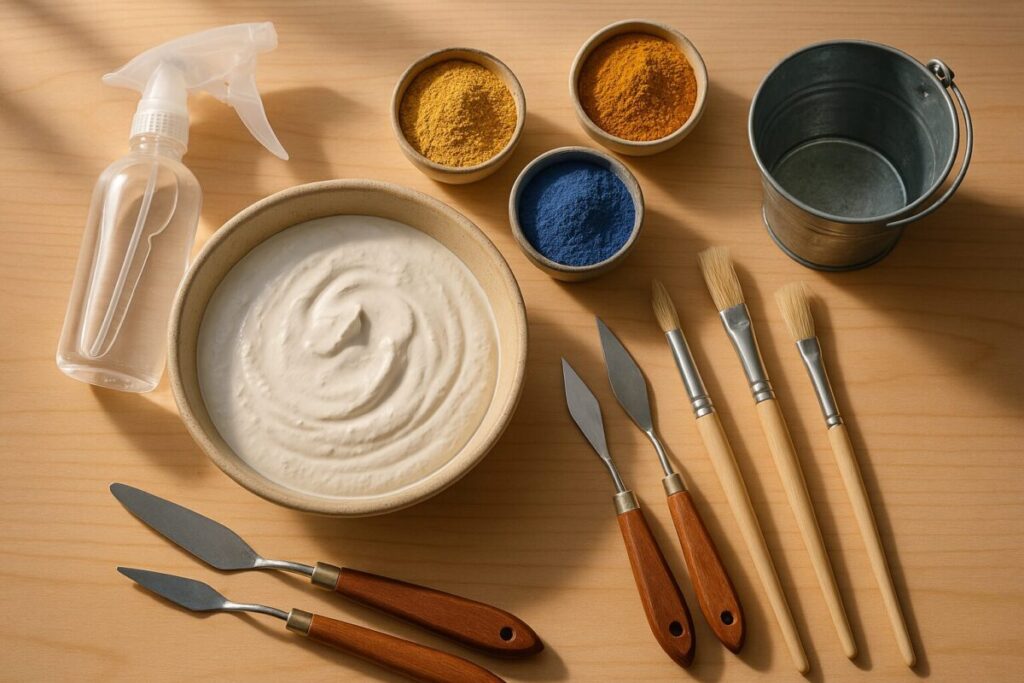
Before diving into fresco painting techniques, you’ll need to gather the right painting supplies. Here’s what every beginner needs:
Basic Fresco Painting Supplies
| Material | Purpose | Notes |
|---|---|---|
| Lime plaster (calcium hydroxide) | Base surface for painting | Must be fresh and properly mixed |
| Natural earth pigments | Coloring agents | Iron oxides, ultramarine, ochres work best |
| Hog bristle brushes | Paint application | Stiff bristles handle thick pigment mixtures |
| Spray bottle | Moisture control | Keeps plaster workable longer |
| Palette knives | Mixing pigments | Essential for proper color preparation |
| Water containers | Pigment dilution | Use distilled water for best results |
Choosing the Right Plaster
Lime plaster forms the foundation of successful fresco painting. Made from calcium hydroxide (slaked lime), this plaster must be properly aged and mixed. Many beginners purchase pre-made lime plaster from art suppliers, which ensures consistent quality and proper preparation.
Selecting Natural Pigments
Natural earth pigments work best for fresco painting because they’re alkali-resistant and won’t fade when exposed to lime’s high pH. Popular choices include:
- Yellow ochre
- Red ochre
- Burnt sienna
- Ultramarine blue
- Raw umber
- Titanium white (modern addition)
Understanding color theory helps you mix these pigments effectively and create harmonious color schemes in your frescoes.
Fresco Painting Techniques: Buon Fresco vs Fresco Secco
Buon Fresco Technique (True Fresco)
Buon fresco, or “true fresco,” involves painting on wet lime plaster. This traditional method creates the most durable results because pigments chemically bond with the carbonating lime. However, it requires working quickly since you only have about 8-12 hours before the plaster becomes too dry.
“In buon fresco, the artist becomes a partner with chemistry itself, as the lime plaster carbonates and locks the pigments permanently into the wall surface.”
Traditional Italian Fresco Master
Fresco Secco Method
Fresco secco, meaning “dry fresco,” involves painting on dried plaster using pigments mixed with a binding agent like egg tempera or lime water. While easier for beginners, this method doesn’t achieve the same permanence as buon fresco since the paint sits on top of the plaster rather than bonding with it.
The Chemistry Behind Fresco Painting
One of the most remarkable aspects of fresco painting is that the colour does not simply sit on the surface—it becomes part of the wall itself.
In a true buon fresco, artists paint onto fresh lime plaster made from slaked lime (calcium hydroxide) mixed with sand and water. As the plaster dries, it reacts with carbon dioxide in the air through a process called carbonation. During this reaction, the calcium hydroxide gradually converts back into calcium carbonate, the same mineral found in limestone and marble.
As calcium carbonate crystals form throughout the plaster layer, they trap and encapsulate the pigment particles. Rather than creating a separate paint film, the pigments become locked within the wall’s mineral structure. This is why frescoes can survive for centuries—even millennia—without peeling in the way that many other paints can.
The process can be simplified as:
Calcium Hydroxide + Carbon Dioxide → Calcium Carbonate + Water
As the reaction progresses, the wall effectively turns back into stone. The pigments remain embedded within this newly formed crystalline matrix, creating a durable surface that is resistant to flaking and weathering.
This chemistry also explains why fresco artists traditionally used only mineral-based pigments that could withstand the highly alkaline environment of fresh lime plaster. Some organic colours would fade, darken, or chemically react with the lime, while earth pigments such as ochres and iron oxides remained stable.
The permanent bond between pigment and plaster is what sets fresco apart from most other painting techniques. In oil, acrylic, and tempera painting, colour forms a layer on top of the support. In fresco, the colour becomes part of the support itself—a fusion of art and chemistry that has preserved masterpieces from Pompeii to the Sistine Chapel for hundreds of years.
The Plaster Window: Why Timing Matters
The defining challenge of fresco painting is the narrow period in which the plaster remains workable. In buon fresco, pigments are applied directly onto fresh, wet plaster called the intonaco. As the plaster dries, a chemical process known as carbonation locks the pigment into the wall itself, creating the remarkable durability that frescoes are famous for.
This means artists are racing against time. Once the plaster begins to dry, the pigments can no longer bond properly with the surface. Every section of a fresco must therefore be carefully planned and completed while the plaster is still damp. Renaissance artists divided large compositions into manageable areas called giornate—literally “a day’s work.” The joins between these sections can sometimes still be seen in historic frescoes.
The timing affects every decision. Colors often appear darker when first applied and change as the plaster cures. Mistakes are difficult to correct because painting over a dry area does not create the same permanent bond. If an artist makes a major error, the plaster may need to be removed and replaced before repainting.
For this reason, fresco painting requires extensive preparation, detailed sketches, and confident brushwork. Unlike oil painting, where artists can revise a work for weeks or months, fresco rewards careful planning and decisive execution.
Step-by-Step Fresco Painting Process
Step 1: Surface Preparation
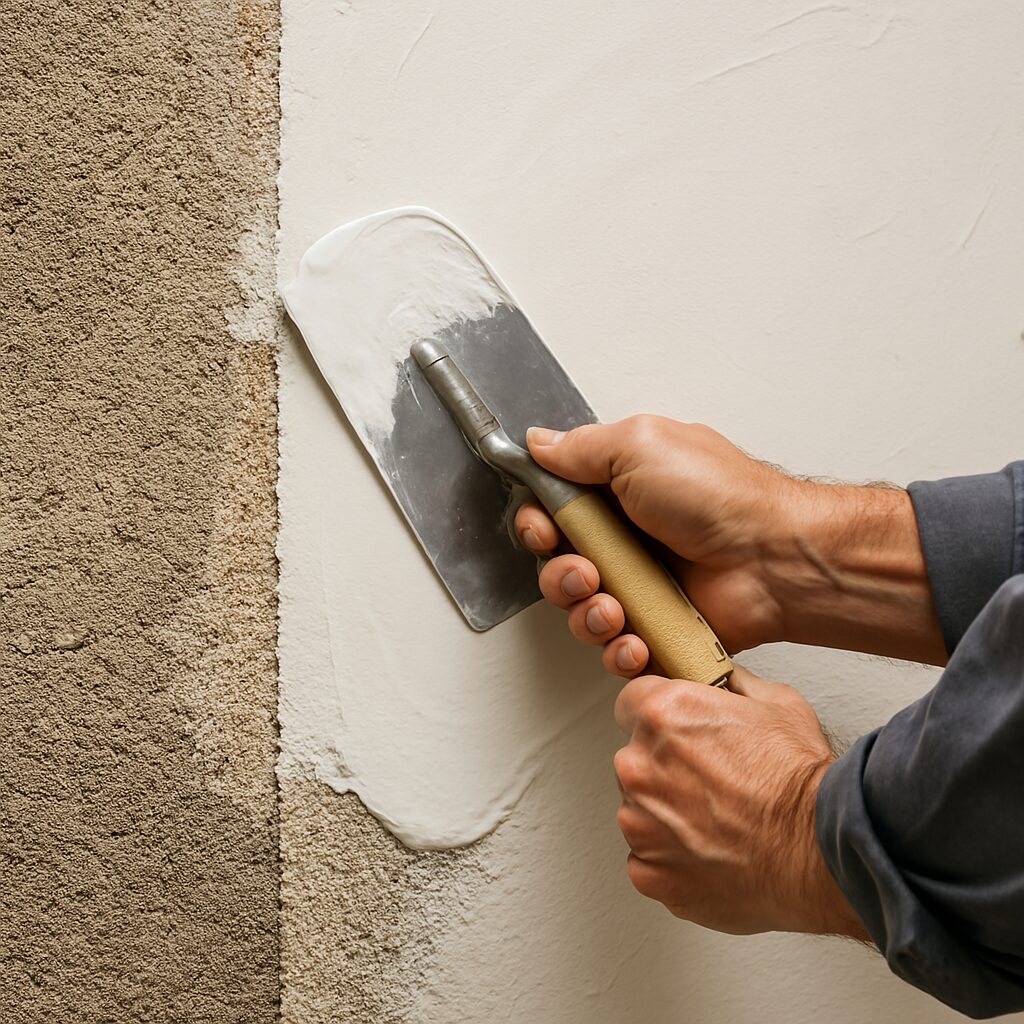
Proper wall preparation is crucial for successful fresco painting. The surface must be clean, stable, and properly primed with base coats of plaster. Traditional frescoes use multiple plaster layers:
- Arriccio: The rough base layer
- Intonaco: The smooth final layer for painting
Step 2: Creating Your Cartoon
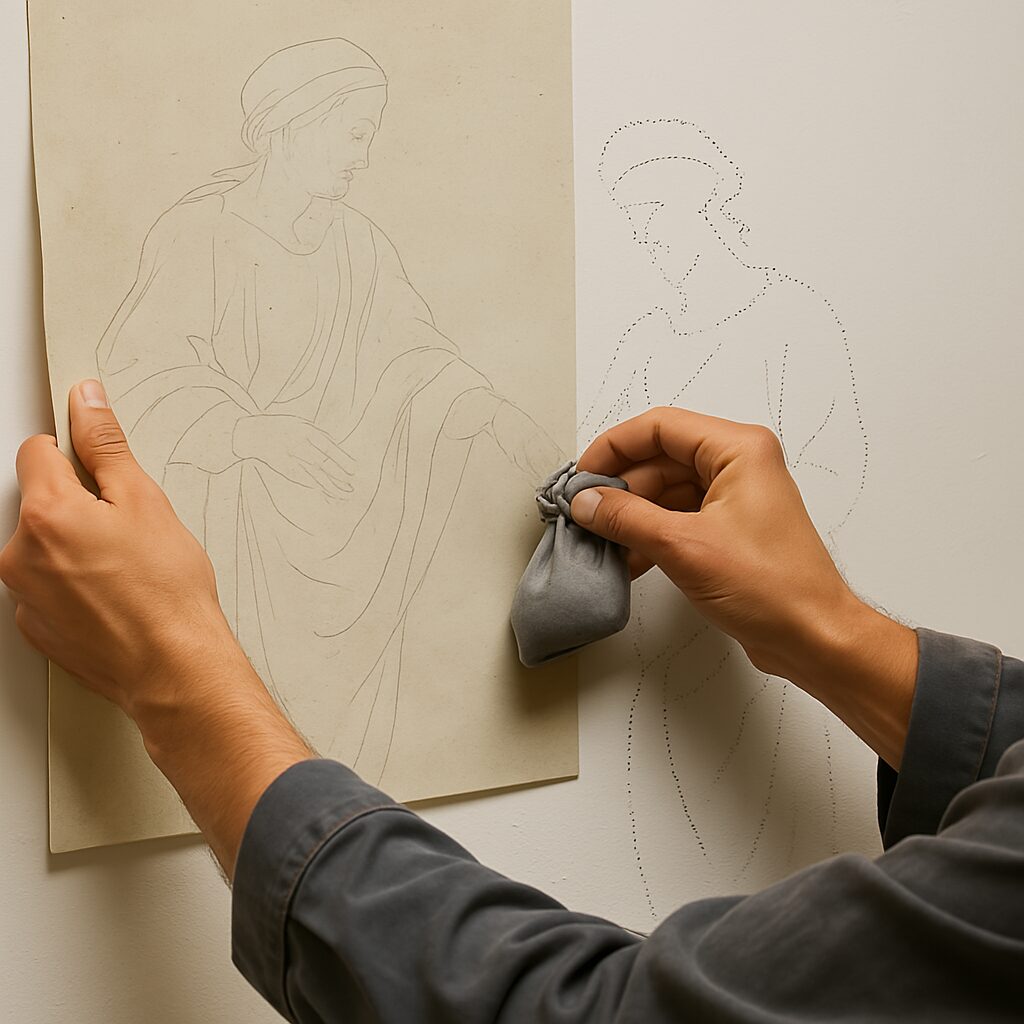
A cartoon in fresco painting refers to a full-size drawing of your design. This preparatory drawing helps you plan your composition and serves as a guide during the painting process. Many artists use the traditional spolvero technique to transfer their cartoon to the wet plaster surface.
Step 3: Plaster Application
Apply the final intonaco layer smoothly and evenly. The plaster should have a creamy consistency and remain wet throughout your painting session. Work in small sections called “giornata” (meaning “day’s work” in Italian) that you can complete while the plaster remains workable.
Step 4: Cartoon Transfer
Transfer your design to the wet plaster using the spolvero technique. This involves perforating your cartoon with small holes and dusting powdered charcoal through them onto the plaster surface, creating a dotted outline of your design.
Step 5: Paint Application
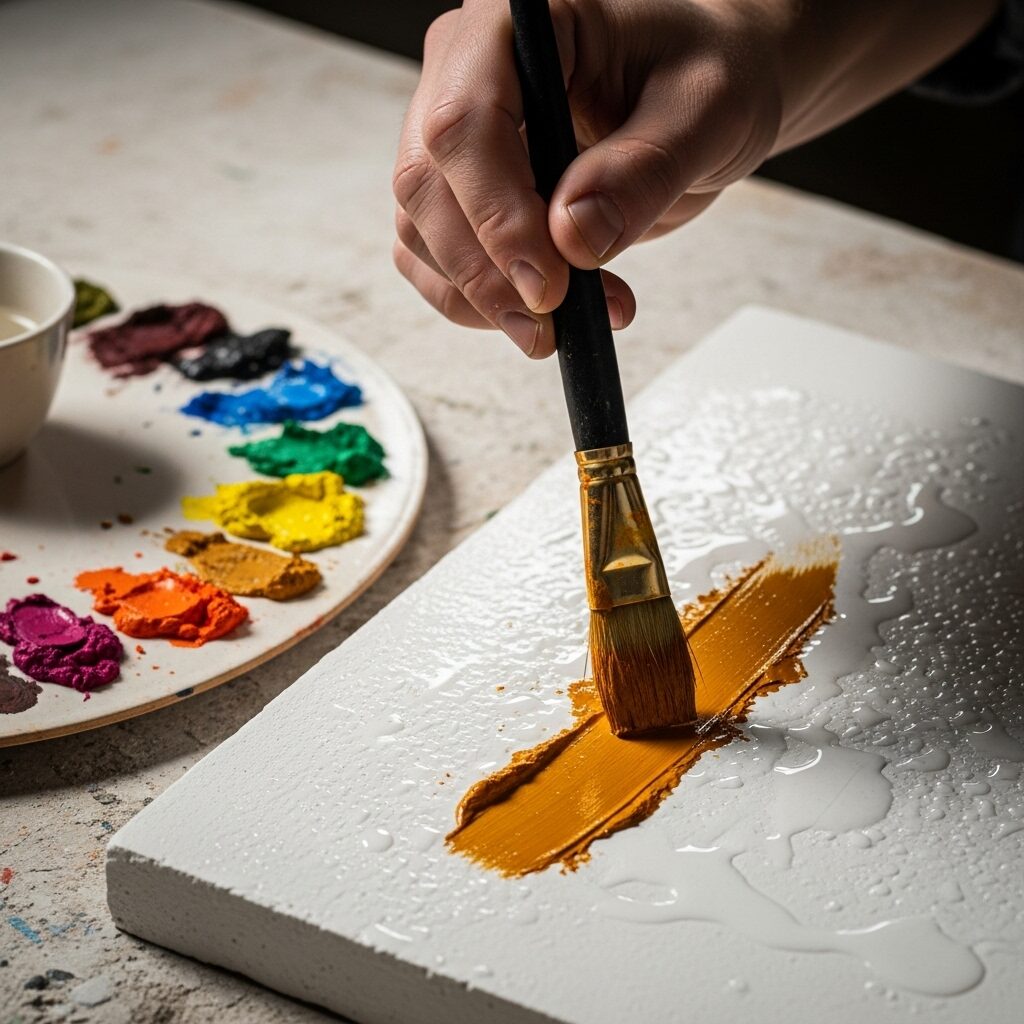
Mix your pigments with water only – no binding agents needed in true fresco. Apply paint quickly and confidently, working from light to dark colors. The wet plaster absorbs the pigmented water, and as it carbonates, it permanently captures the pigments.
Step 6: Finishing Touches
Complete your section while the plaster remains workable. Any areas not finished must be scraped away and redone with fresh plaster. This time pressure makes fresco painting both challenging and exciting for beginners.
Beginner Tips and Common Mistakes
Essential Tips for Success
Learning fresco painting requires patience and practice. Start with small practice panels before attempting larger wall surfaces. Keep your initial designs simple and focus on mastering the basic technique before trying complex compositions.
Work in good lighting conditions and maintain proper ventilation when working with lime plaster. Always wear protective equipment including gloves and safety glasses, as lime can be caustic.
Common Mistakes to Avoid
Many beginners make these typical errors:
- Working too slowly and letting the plaster dry
- Using incompatible pigments that react poorly with lime
- Applying paint too thickly, preventing proper absorption
- Not maintaining consistent moisture levels in the plaster
- Attempting overly complex designs as a first project
Modern Applications and Contemporary Fresco
While rooted in ancient tradition, fresco painting has found new life in contemporary art and interior design. Modern artists adapt traditional techniques for indoor projects, creating stunning accent walls and decorative elements that bring the timeless beauty of fresco into today’s homes and public spaces.
Contemporary fresco artists often combine traditional buon fresco methods with modern materials and design sensibilities, creating works that honor the past while speaking to present-day audiences.
Famous Examples of Fresco Painting
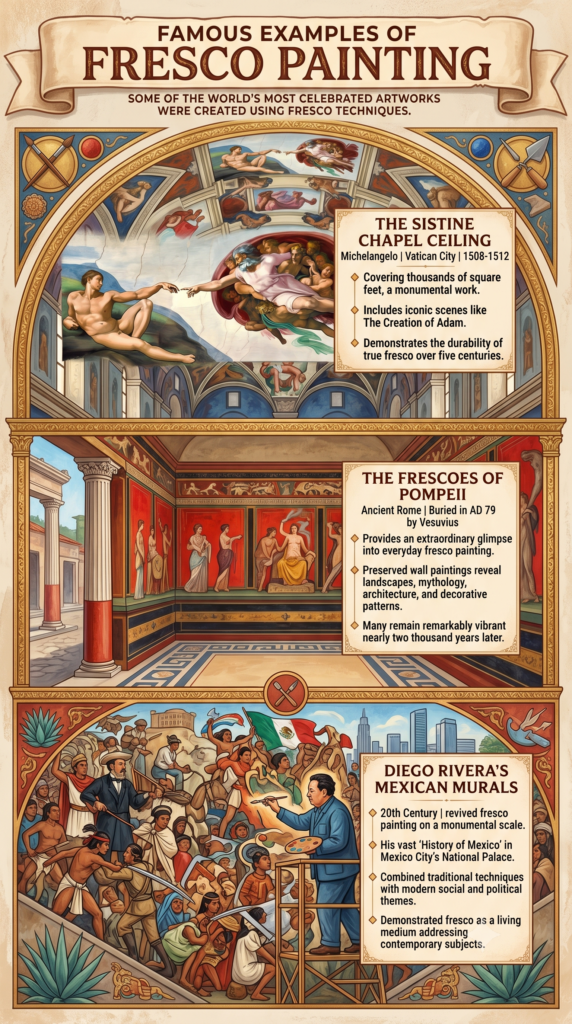
Some of the world’s most celebrated artworks were created using fresco techniques.
The Sistine Chapel Ceiling
Perhaps the most famous fresco ever painted is the ceiling of the Sistine Chapel in Vatican City, created by Michelangelo between 1508 and 1512. Covering thousands of square feet, the monumental work includes iconic scenes such as The Creation of Adam. Its survival for more than five centuries demonstrates the durability of true fresco painting.
The Frescoes of Pompeii
The ancient Roman city of Pompeii provides an extraordinary glimpse into everyday fresco painting. When Mount Vesuvius erupted in AD 79, homes, villas, and public buildings were buried beneath volcanic ash. The preserved wall paintings reveal Roman interiors filled with landscapes, mythology, architecture, and decorative patterns. Many remain remarkably vibrant nearly two thousand years later.
Diego Rivera’s Mexican Murals
In the twentieth century, Mexican artist Diego Rivera helped revive fresco painting on a monumental scale. His murals, including the vast History of Mexico in Mexico City’s National Palace, combined traditional fresco techniques with modern social and political themes. Rivera demonstrated that fresco was not merely a Renaissance practice but a living medium capable of addressing contemporary subjects.
Together, these examples show the extraordinary range of fresco painting—from ancient Roman homes to Renaissance chapels and modern public murals.
Can You Try Fresco Painting at Home?
Traditional fresco painting is difficult to recreate at home because it requires lime-based plaster, careful surface preparation, and precise timing. However, beginners can experiment with simplified versions of the technique.
One option is to apply water-based pigments to a small panel coated with fresh plaster or lime putty. While the results may not match historical frescoes, the process helps artists understand how color behaves on a damp mineral surface.
Another popular approach is to use modern plaster alternatives such as plaster of Paris, fine-art mural plaster, or specially prepared fresco panels. These materials are easier to work with than traditional lime plaster and are widely available to hobbyists and students.
Keep expectations realistic. The goal of a home project is not to replicate the Sistine Chapel but to experience the unique relationship between pigment, plaster, and timing. Even a small practice piece can reveal why fresco has fascinated artists for thousands of years.
If you want to explore the technique without the complexity of true fresco, consider creating a fresco-inspired painting on a textured plaster ground. This approach captures much of the appearance and character of historical frescoes while using familiar acrylic or watercolor materials.
Check out this helpful tutorial video for visual guidance:
Visual Summary of Process
🎨 Fresco Painting for Beginners
Interactive Step-by-Step Guide to Traditional Fresco Techniques
Fresco Painting Stages
Materials Needed
💡 Fresco Tips
Stage 1: Wall Preparation
Prepare the wall surface with a rough base coat. The wall must be clean, damp, and ready to receive the fresh lime plaster. This foundation layer helps the final plaster adhere properly.
Frequently Asked Questions
How long does fresco painting take to dry? Buon fresco painting must be completed while the plaster is wet, typically within 8-12 hours. The plaster continues to carbonate and harden over several weeks, reaching full strength after about 28 days.
Can beginners learn fresco painting at home? Yes, beginners can practice fresco painting at home using small panels and proper ventilation. Start with practice boards before attempting wall surfaces, and always follow safety guidelines when working with lime plaster.
What materials do you need for fresco painting? Essential materials include lime plaster (calcium hydroxide), natural earth pigments, hog bristle brushes, water containers, spray bottle, palette knives, and protective equipment. A cartoon and transfer materials are also necessary for design work.
What is the difference between fresco and regular painting? Fresco painting uses water-based pigments applied to wet lime plaster, creating a chemical bond as the lime carbonates. Regular painting typically uses binders like oil or acrylic and can be applied to various dry surfaces.
How to prepare plaster for fresco painting? Proper plaster preparation involves mixing slaked lime with water and fine aggregate, applying it in layers (arriccio and intonaco), and maintaining proper moisture levels throughout the painting process.
What pigments are best for fresco painting? Natural earth pigments like ochres, siennas, umbers, and ultramarine blue work best because they’re alkali-resistant and compatible with lime’s high pH. Avoid pigments containing metals that might react with lime.
As you embark on your journey into fresco painting for beginners, remember that this ancient art form rewards patience, practice, and respect for traditional techniques. The unique satisfaction of creating permanent wall art through chemical bonding between pigments and lime plaster offers an unmatched artistic experience that connects you to centuries of artistic tradition.
Citations:
- A Beginner’s Guide to Fresco Art: History, Methods, and Famous Examples (Vault Editions) – Detailed overview of fresco history, techniques, and examples from antiquity through global cultures.
- A Complete Guide to Fresco Painting (The Collector) – Covers historical context, technical manual notes (Cennino Cennini), materials, methods, and artist tips for beginners.
- How To Identify Fresco Artwork: 3 Techniques (John Canning & Co) – Explains the differences between buon fresco, secco, and mezzo fresco techniques with beginner-friendly descriptions.
- How to get started with fresco painting? (Ilia Fresco) – Practical guide for studio setup, choosing materials, mixing plaster, and step-by-step basics.
- Fresco (Wikipedia) – Technical background, chemistry, stepwise process, and terminology for beginners learning fresco mural painting.
- Fresco painting | history, method, & examples (Britannica) – Comprehensive summary of fresco painting, materials, cartoon transfer, the giornata method, and key artists .