British Impressionism brought the vibrant colors and quick brushstrokes of the French movement to the shores of the UK. This post explores the famous British Impressionists, their unique styles, and the artist colonies they built. You will discover how they captured the beauty of everyday life. Grab your brushes and get inspired to paint your own luminous landscapes.
When you hear the word “Impressionism”, your mind probably jumps straight to France. You might picture Claude Monet painting water lilies or Pierre-Auguste Renoir capturing a sunny Parisian afternoon. But did you know that a quiet artistic revolution was also happening across the English Channel?
The British Impressionists are some of the most fascinating painters in art history. They took the radical ideas of the French masters and gave them a distinctly local twist. These artists stepped out of their stuffy studios to paint the world exactly as they saw it.
It is easy to feel intimidated by famous art movements. However, painting is just about looking closely at the world around you. As an arts educator, I have spent over a decade helping people realize that art is for everyone. You do not need a fancy degree to appreciate these beautiful works or to try the techniques yourself.
Let us explore the wonderful world of British Impressionism. We will look at the artists who shaped it and see how their methods can inspire your own creative journey today.
What Is British Impressionism?
British Impressionism is an art movement from the late 19th and early 20th centuries where UK painters adopted the quick brushstrokes and focus on light used by French Impressionists. These artists painted everyday scenes and natural landscapes to capture fleeting moments in time.
In the 1880s, the traditional British art scene was very strict. The Royal Academy dominated the conversation with its highly detailed and often staged narrative paintings. A new generation of painters felt this approach was out of touch with modern life. They wanted to paint real people and real places.
These rebels were heavily inspired by the French Impressionist painters who exhibited their controversial work in London. To understand the roots of this shift, you can explore our guide on what is impressionism. The British artists started painting outdoors to study how natural light changes throughout the day. This simple act changed the course of British art forever.
Who Were the Leading British Impressionist Artists?
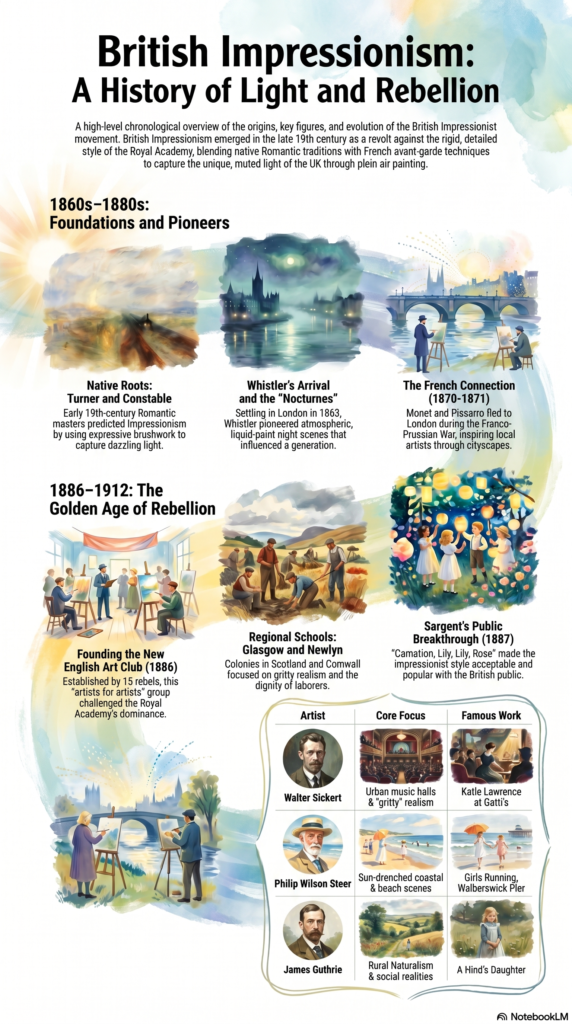
The leading British Impressionist artists included Philip Wilson Steer, Walter Richard Sickert, George Clausen, and Stanhope Forbes. The American expatriate John Singer Sargent also played a massive role in popularizing the style while living and painting in England.
Walter Richard Sickert brought a moody and urban feel to the movement. He loved painting the gritty reality of London music halls and theaters. His work proved that Impressionism did not always have to feature sunny fields or bright flowers.
Philip Wilson Steer took a different path. He focused on beautiful coastal scenes and shimmering waters. You can see his mastery of light in his famous paintings of children playing by the sea. If you want to learn more about the greats, check out our piece on famous painters and paintings.
The Magic of the Newlyn School
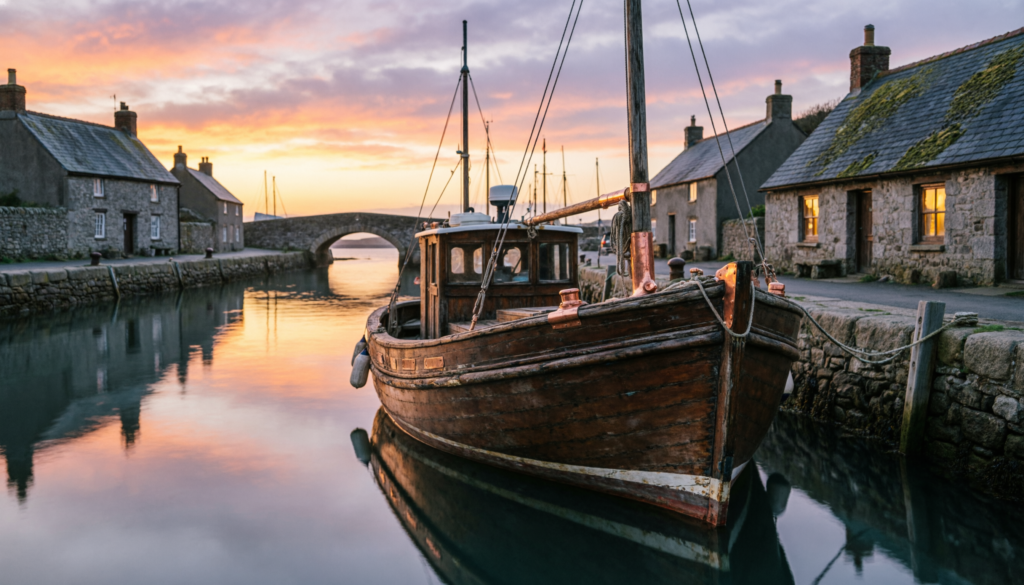
One of the most exciting parts of this movement was the creation of artist colonies. The most famous of these was the Newlyn School in Cornwall. Artists flocked to this small fishing village to escape the smog of London and find authentic subjects.
Stanhope Forbes was a central figure in this community. He and his peers painted the local fishermen and their families. They worked directly on the beaches and in the harbor. A recent study of their work even found actual sand embedded in the paint of their large canvases.
This dedication to painting real life is deeply inspiring. They documented a way of life that was slowly disappearing. Their work bridges the gap between pure Impressionism and the emotional depth of realism art.
How Did British Impressionism Differ from the French Movement?
British Impressionism differed from the French movement by focusing heavily on narrative and gritty realism. While French artists often dissolved their subjects entirely into light and color, British painters usually kept the physical forms of their everyday subjects clear and recognizable.
The British landscape also dictated a different color palette. The light in England is often softer and more diffused than the bright sun of southern France. Because of this, British artists used slightly more muted and earthy tones.
Many of these painters also cared deeply about the working class. They did not just want to paint pretty pictures of wealthy people at leisure. They painted farmers, sailors, and factory workers with immense dignity and respect.
Why Did British Artists Paint Outdoors?
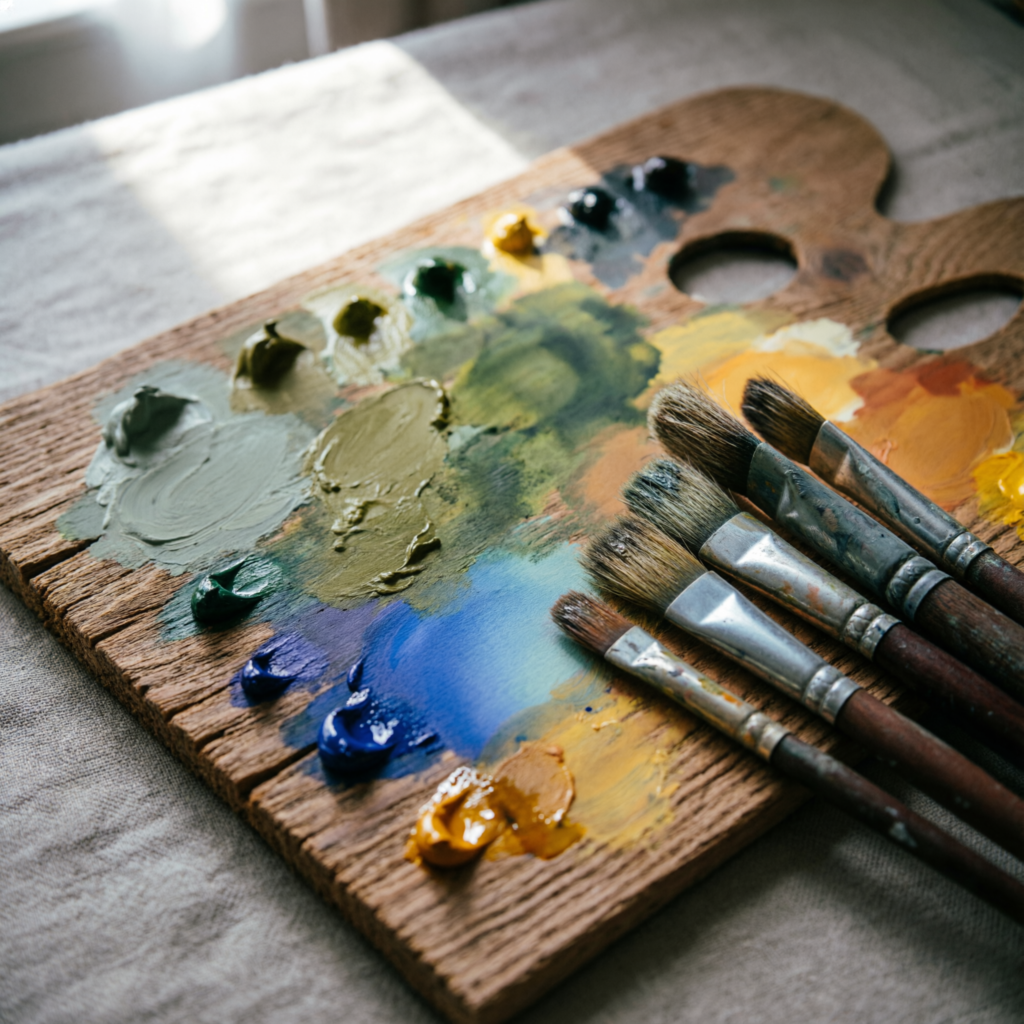
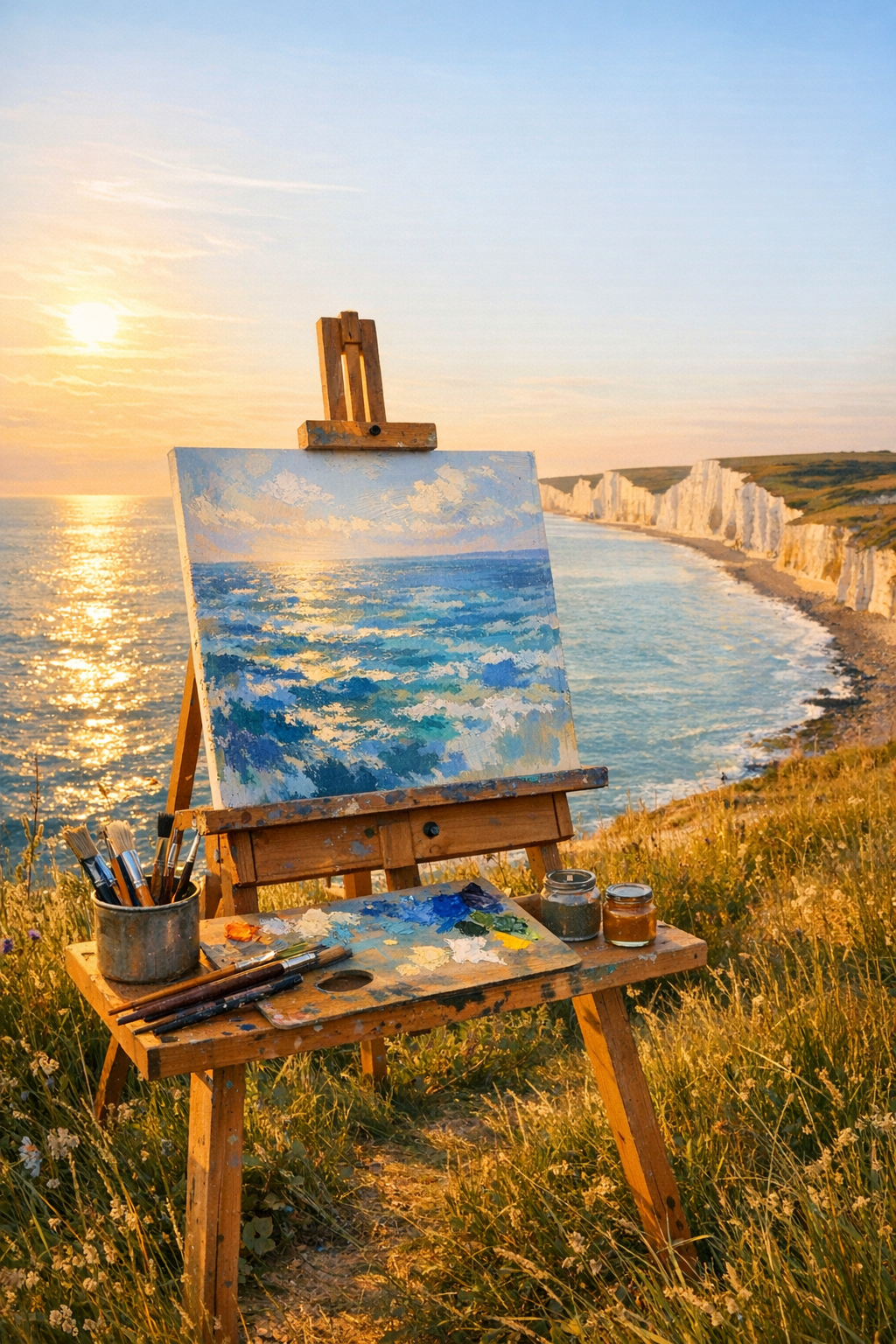
British artists painted outdoors to accurately capture the colors and shadows created by natural sunlight. This technique is called plein air painting, and it allowed them to record the authentic atmosphere of a specific place before the weather or light changed.
Painting outside forces you to work quickly. You cannot spend hours fussing over tiny details when the sun is setting. This urgency is exactly what gives Impressionist paintings their lively and energetic feel.
If you are curious about trying this yourself, the outdoors is a wonderful classroom. You can learn the basics by reading our year-round outdoor painting guide. It is a therapeutic way to connect with nature and your own creativity.
Embracing the Light in Your Own Art
You do not need to be a master painter to borrow ideas from the British Impressionists. Their entire philosophy was based on observing the world honestly. Start by simply paying attention to how shadows change color during the golden hour.
When we teach these concepts in our workshops, we always start with the basics of mixing. Getting your colors right is half the battle. Our primer on understanding color theory in art will help you mix those perfect, moody British greens and soft blues.
Remember that perfection is not the goal. The Impressionists were actually mocked at first for their “unfinished” paintings. Let your brushstrokes be messy and visible. Allow yourself to have fun and make mistakes on the canvas.
Conclusion
The British Impressionists proved that you do not need perfect weather or a fancy studio to create breathtaking art. They found beauty in the foggy streets of London and the rugged coasts of Cornwall. By stepping outside and painting what they saw, they changed art history.
Their legacy is a reminder to look closer at the ordinary moments in our own lives. You have the power to capture your unique perspective on canvas. The world is full of interesting light and shadows waiting to be painted.
Are you ready to try your hand at these techniques? Grab a sketchbook, head to your local park, and start capturing the light today.
Frequently Asked Questions
- Who was the most famous British Impressionist? Walter Richard Sickert and Philip Wilson Steer are two of the most famous British Impressionist painters. John Singer Sargent is also heavily associated with the movement, though he was originally from America. They all helped introduce French techniques to the UK art scene.
- What is the Newlyn School? The Newlyn School was an artist colony in Cornwall, England. It was founded in the late 19th century by painters who wanted to work outdoors. They focused on painting the daily lives of local fishermen and villagers.
- Did the French Impressionists ever paint in Britain? Yes, several famous French Impressionists painted in Britain. Claude Monet and Camille Pissarro moved to London in 1870 to escape the Franco-Prussian War. They painted many iconic views of the River Thames and the surrounding suburbs.
- What is plein air painting? Plein air is a French term that means painting outside in the open air. Artists use this method to capture the true effects of natural sunlight and weather. It requires painters to work quickly with bold brushstrokes.
- How can I start painting like an Impressionist? Start by focusing on light and color rather than tiny details. Use quick, loose brushstrokes to capture the feeling of a scene. Painting outdoors is one of the best ways to practice this spontaneous style.