Starting your journey into collecting abstract limited edition prints can feel overwhelming at first. With so many printmaking techniques, price points, and places to buy, where do you even begin? The good news is that collecting abstract limited edition prints offers an accessible and rewarding way to build a meaningful art collection without breaking the bank. Whether you’re drawn to bold geometric shapes, expressive brushstrokes, or minimalist compositions, limited edition prints bring the magic of original abstract art into your life at a fraction of the cost.
Key Points:
- Limited edition prints offer an affordable entry point into art collecting
- Understanding printmaking techniques helps you make informed purchases
- Authentication and provenance protect your investment
- Proper care and framing preserve your collection’s value
- Starting with a modest budget and clear personal taste leads to satisfaction
What Are Abstract Limited Edition Prints?
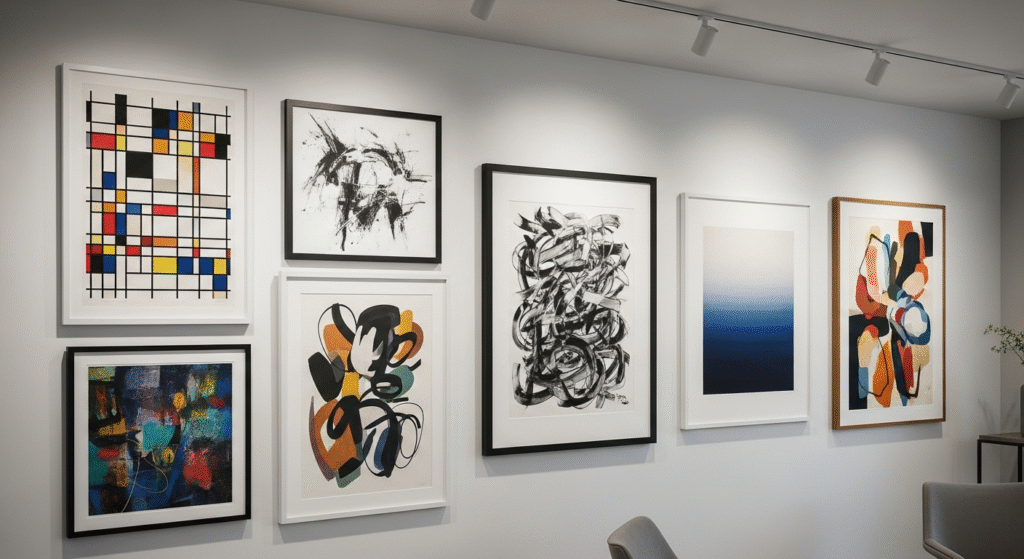
Abstract art focuses on colors, shapes, and forms rather than realistic representations of objects. When artists create abstract paintings, they’re expressing emotions, ideas, or pure visual experiences. Think of Kandinsky’s influential works with their vibrant colors and flowing lines, or the bold geometric compositions of Piet Mondrian.
A limited edition print means the artist has created a fixed number of reproductions from an original artwork. Once those prints are made, no more will be produced from that particular image. This scarcity creates value and collectibility. The artist typically signs and numbers each print, making it different from mass-produced posters you might find at a furniture store.
Why Collect Abstract Limited Edition Prints?
Accessibility: While an original abstract painting by a renowned artist might cost thousands or millions, limited edition prints often start at just $100-500, making them perfect for beginning collectors.
Investment Potential: As artists gain recognition, their early limited edition prints can increase significantly in value. You’re essentially buying into an artist’s career at a favorable point.
Personal Connection: Abstract art speaks to our emotions in unique ways. You can build a collection that reflects your taste without needing to understand complex art history.
Supporting Artists: When you buy directly from artists or reputable galleries, you help them continue creating.
Understanding Printmaking Techniques: A Quick Primer
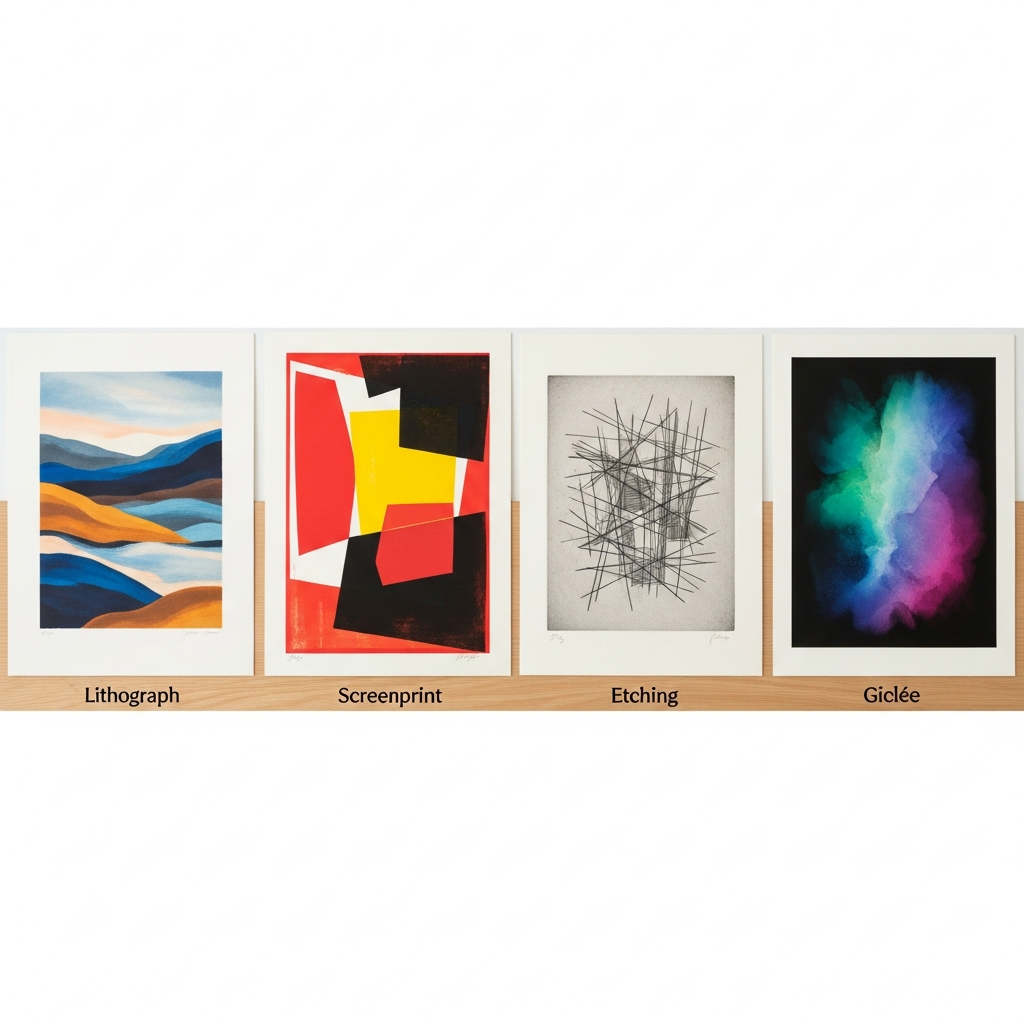
The technique used to create your print affects both its appearance and value. Here are the most common methods:
Traditional Printmaking Methods
Lithography: Artists draw directly onto stone or metal plates with greasy materials. The surface is then treated so only the drawn areas attract ink. Lithographs often have a soft, painterly quality that works beautifully for abstract art. Many famous abstract artists have used this technique.
Screenprinting (Serigraphy): Ink is pushed through a fine mesh screen onto paper. Each color requires a separate screen. This method creates bold, flat areas of color perfect for geometric abstract work. Think of bold compositions similar to modern abstract paintings with bold colors.
Etching: Artists scratch designs into metal plates, then fill the grooves with ink and press them onto paper. Etchings have fine lines and rich, deep blacks that add sophistication to abstract compositions.
Woodcut: The oldest printmaking method, where artists carve into wood blocks and ink the raised surfaces. These prints have bold, graphic qualities with visible textures.
Modern Printmaking Methods
Giclée Printing: High-resolution digital prints created with specialized archival inks on fine art paper or canvas. While some collectors prefer traditional methods, giclée prints offer exceptional color accuracy and longevity. The contemporary art market increasingly accepts quality giclées from established artists.
Decoding the Print: Essential Terminology Every Collector Needs to Know
When you examine a limited edition print, you’ll notice numbers, letters, and signatures. Understanding this information is crucial for making informed purchases.
Edition Numbers
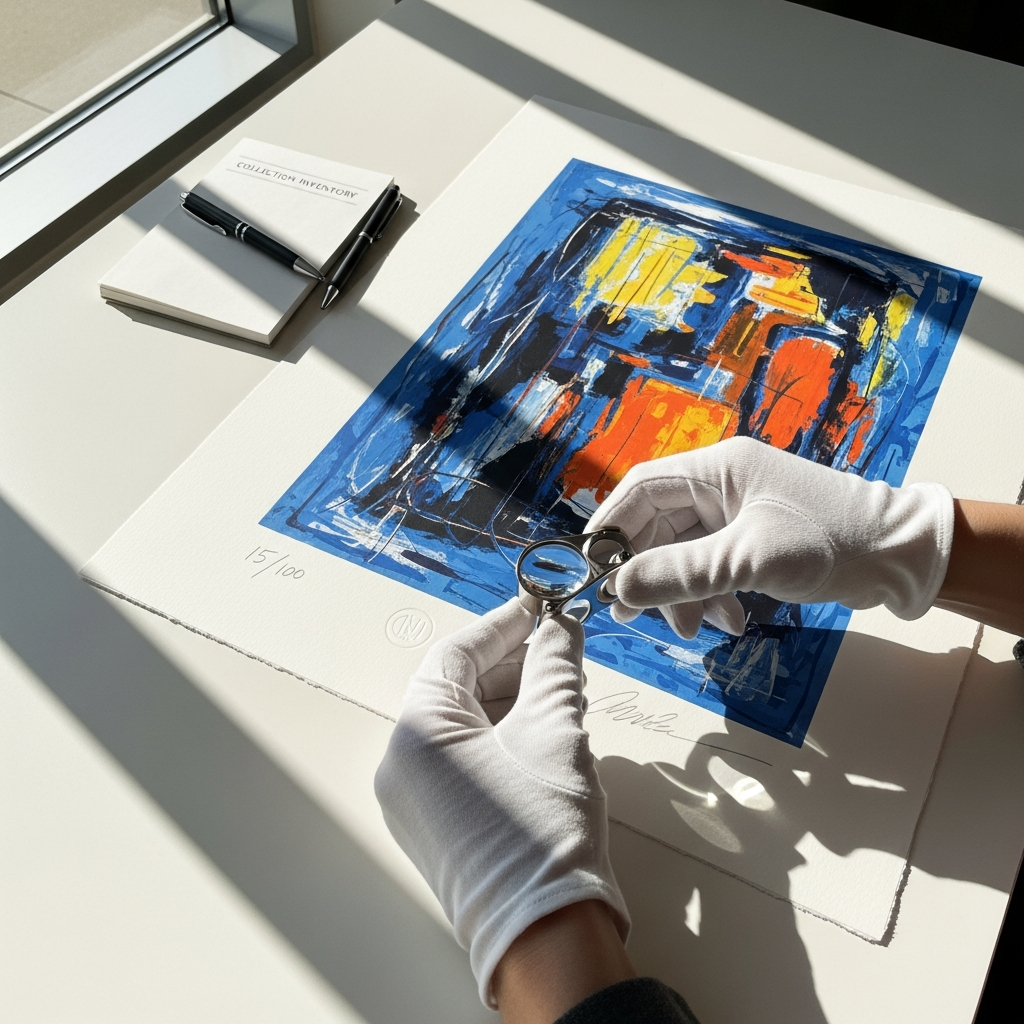
The numbering typically appears as a fraction, like “25/100.” The first number shows which print in the series you have, while the second indicates the total edition size. So “25/100” means you have the 25th print out of 100 total prints made.
Smaller editions generally command higher prices because there are fewer prints available. An edition of 25 will typically be more valuable than an edition of 500, assuming similar artistic quality and artist recognition.
| Edition Size | Typical Price Range | Collectibility |
|---|---|---|
| 1-25 | $$$ – $$$$ | Highest |
| 26-100 | $$ – $$$ | High |
| 101-250 | $ – $$ | Moderate |
| 251-500 | $ – $$ | Good for beginners |
Special Designations
Artist’s Proofs (AP): These are extra prints outside the numbered edition, reserved for the artist’s personal use. They’re marked “AP” and typically comprise 10-15% of the edition size. Artist proofs often sell for slightly more than numbered prints because of their special status.
Printer’s Proofs (PP): Reserved for the master printer who helped create the edition. These are rare and collectible.
Trial Proofs (TP): Test prints made during the printing process. These can be particularly interesting to collectors as they show the artist’s working process.
Hors de Commerce (HC): French for “not for sale,” these prints were originally meant for exhibitions or promotional purposes.
Signatures and Marks
The artist’s signature should appear in pencil on the print itself, not just printed as part of the image. Most artists sign in the bottom right corner, with the edition number on the bottom left. Look for the date the print was created, which can affect value.
Chop marks are small embossed stamps from the printer or publisher, adding another layer of authenticity. These indentations prove the print came from a legitimate publisher.
Starting Your Collection: A Step-by-Step Guide
Step 1: Educate Yourself
Before spending money, spend time. Visit museums, galleries, and art fairs. Browse online galleries and artist websites. Read about different abstract art styles to understand what resonates with you.
YouTube is an excellent resource for learning. Watch videos about printmaking processes, artist interviews, and gallery tours to deepen your knowledge:
Step 2: Define Your Taste
Abstract art comes in many flavors. Are you drawn to:
- Geometric abstraction: Clean lines, shapes, and mathematical precision (like Mondrian’s work)
- Lyrical abstraction: Flowing, organic forms and soft colors
- Expressionist abstraction: Bold gestures and emotional intensity
- Minimalist abstraction: Simple forms and limited color palettes
- Color field painting: Large areas of flat color creating atmospheric effects
“Collecting is about passion, not fashion. Buy what you love, not what you think will be valuable”.
Leading art advisor Mary Rozell
Step 3: Set a Budget
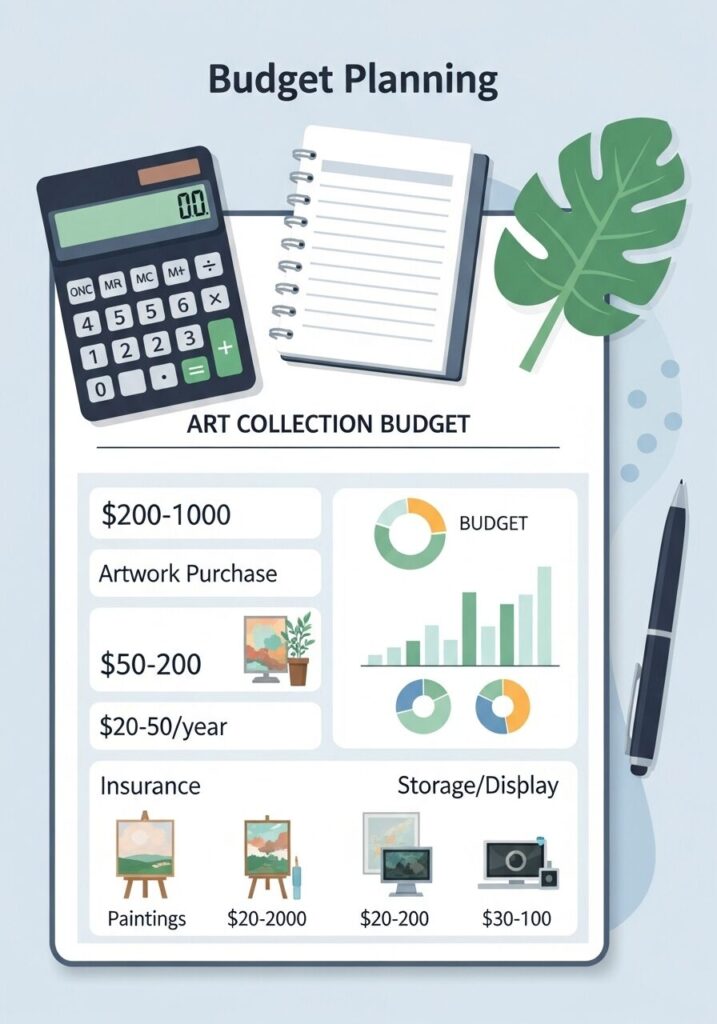
Start modestly. Many beginning collectors invest $200-1,000 in their first few prints. This budget lets you:
- Buy 2-4 quality prints from emerging artists
- Focus on pieces you genuinely love
- Learn the market without significant financial risk
- Upgrade to more expensive pieces as your knowledge grows
Remember, what makes paintings valuable changes over time. Starting small gives you flexibility.
Step 4: Where to Buy Abstract Limited Edition Prints
Reputable Galleries (Physical and Online):
- Artsy – Connects collectors with galleries worldwide
- Saatchi Art – Extensive collection of emerging artists
- Uprise Art – Curated contemporary prints with payment plans
- Local galleries – Build relationships with gallery owners who can guide you
Auction Houses:
- Christie’s and Sotheby’s – For higher-end prints
- Online auction platforms – More accessible pricing
Direct from Artists:
- Artist websites and social media
- Art fairs and open studio events
- Instagram has become a major marketplace
Things to Ask Sellers:
- Is a Certificate of Authenticity included?
- What is the edition size?
- Has the artist signed and numbered the print?
- What is the paper quality and printmaking method?
- What is the print’s provenance (ownership history)?
- Are there any condition issues?
Authentication and Provenance: Protecting Your Investment

The Importance of Certificates of Authenticity (COA)
A Certificate of Authenticity is your print’s resume. It should include:
- Artist’s name and signature
- Title of the artwork
- Year of creation
- Edition number and size
- Printmaking technique used
- Paper type and dimensions
- Publisher information (if applicable)
- Gallery or dealer contact information
Without a COA, proving authenticity becomes difficult, especially if you later want to sell the print. Learn more about authenticating artwork using scientific methods.
Verifying Signatures and Edition Numbers
Real signatures appear in pencil or pen on the print’s margin, not as part of the printed image. They should look natural and fluid, not mechanical. If you’re concerned about authenticity, consult with art professionals who can identify unknown artists.
Compare your print’s edition number against the artist’s catalog raisonne (a comprehensive list of their works) if one exists. For emerging artists, check their website or contact them directly.
Understanding Provenance
Provenance is the documented history of who has owned a piece. For prints, this might include:
- Original gallery of purchase
- Previous collectors
- Exhibition history
- Publications where the print has appeared
Strong provenance increases value and provides assurance that you’re buying a legitimate work. Keep all receipts, gallery correspondence, and documentation about your prints.
Condition Assessment
Examine prints carefully for:
- Foxing: Brown spots from moisture or mold
- Fading: Loss of color intensity from light exposure
- Tears or creases: Damage to the paper
- Mat burn: Discoloration where the mat touched the print
- Water damage: Stains or warping
Even minor condition issues can significantly reduce a print’s value. When buying online, request detailed photographs and condition reports.
Valuation and Investment Potential
Factors Influencing Value
Artist Recognition: Established artists command higher prices. Follow contemporary painting artists and watch for emerging talent.
Edition Size: Smaller editions (under 50) typically hold value better than larger editions.
Condition: Pristine condition is essential for maximum value.
Rarity: Prints from important series or periods in an artist’s career appreciate faster.
Provenance: Well-documented ownership history adds credibility and value.
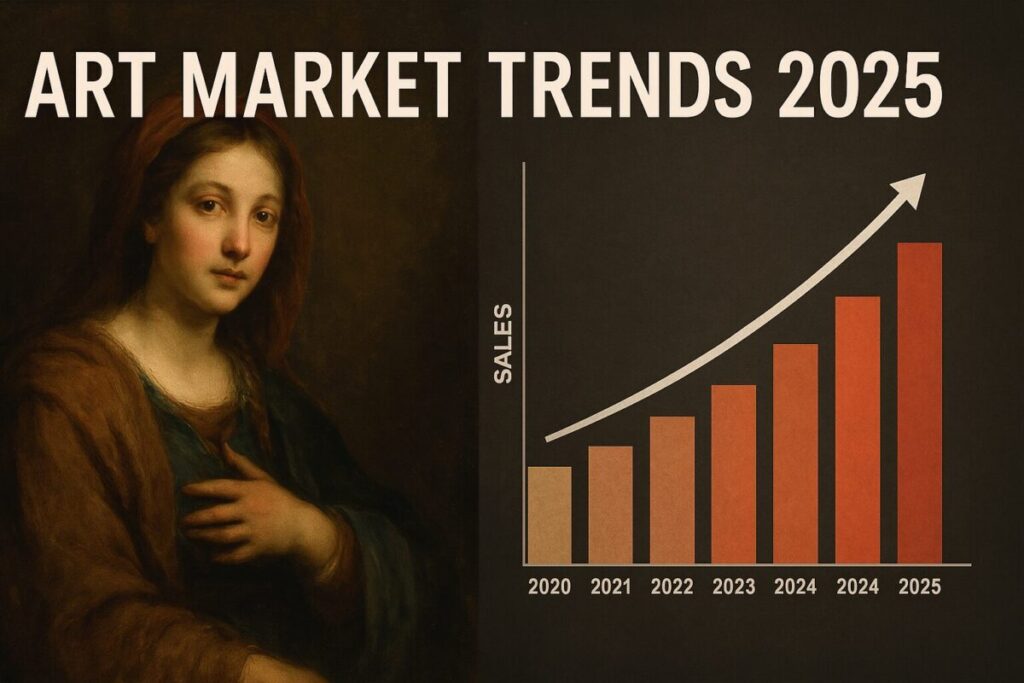
Market Demand: Trends in the art market affect which styles and artists are currently desirable.
Tracking the Market
Stay informed about:
- Auction results for similar prints
- Gallery exhibitions and sales
- Art market publications and websites
- Artist rankings and trends
Remember that art should be acquired primarily for enjoyment, not as a pure financial investment. The emotional returns often exceed the financial ones.
Care and Preservation: Protecting Your Investment
Professional Framing is Essential
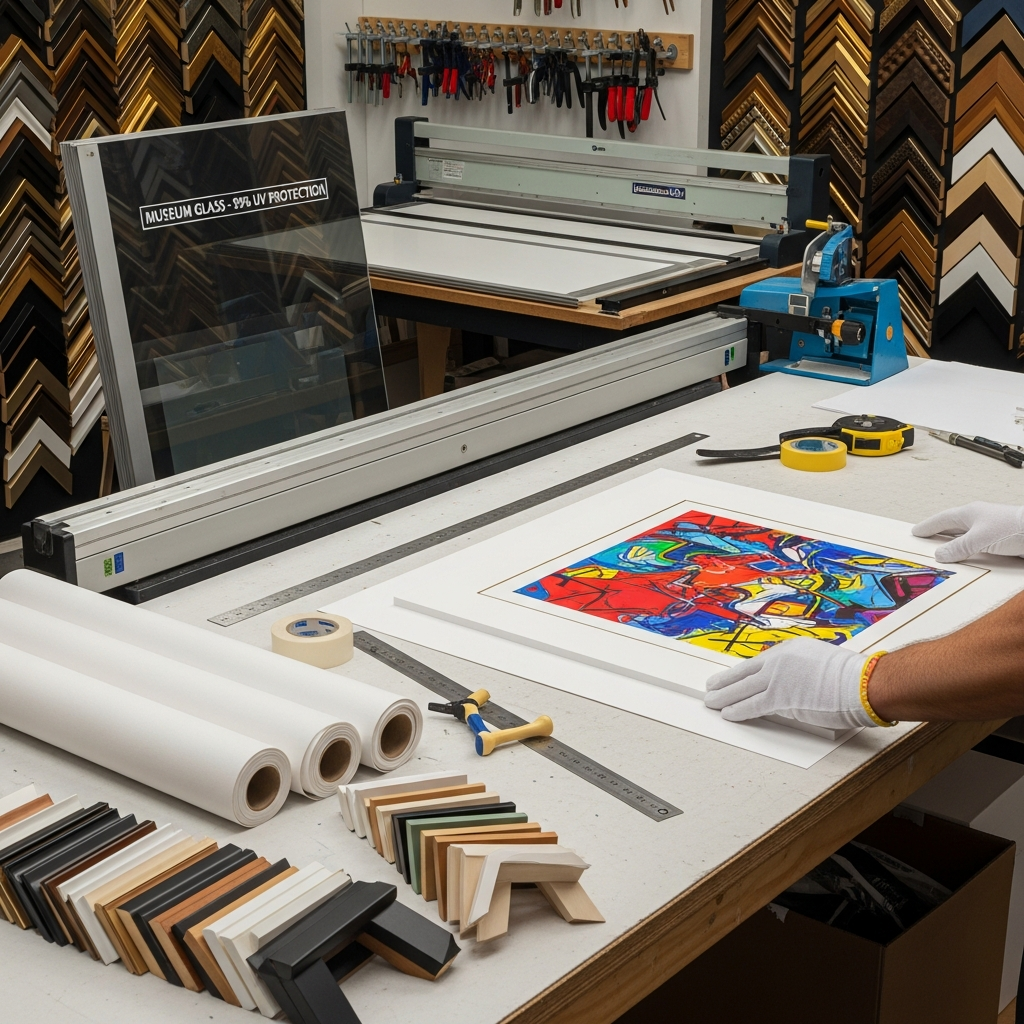
Never skimp on framing. Quality framing protects your investment and enhances its beauty. Working with concepts similar to framing and varnishing finished paintings, follow these guidelines:
UV-Protective Glazing: Use museum-quality glass or acrylic that blocks 97-99% of UV rays. Regular glass offers no UV protection and will allow your print to fade over time.
Acid-Free Materials: Mats and backing boards must be acid-free (also called archival or conservation-grade). Acidic materials cause yellowing and deterioration.
Proper Spacing: The print should never touch the glass. A mat creates necessary airspace, preventing moisture buildup and damage.
Quality Frame: Choose frames appropriate to your print’s style. Simple, clean frames often work best for abstract art.
Environmental Considerations
Light Exposure:
- Never hang prints in direct sunlight
- Use LED bulbs for artificial lighting (they emit less UV radiation)
- Rotate displayed pieces periodically to minimize light exposure
- Consider the “golden hour” principle used in landscape painting – indirect, soft light is ideal
Humidity and Temperature:
- Maintain 40-55% relative humidity
- Keep temperature between 65-75°F (18-24°C)
- Avoid hanging prints near heating vents, fireplaces, or air conditioners
- Basements and bathrooms are too humid for paper art
Handling and Storage
When Handling Prints:
- Always wash and dry hands thoroughly
- Hold prints by the edges only
- Place prints on clean, flat surfaces
- Never roll prints (this can crack the paper and damage the image)
Storage Best Practices:
- Use acid-free tissue paper between prints
- Store flat in archival boxes
- Keep in a cool, dry, dark place
- Never store in attics or basements
- Check stored prints annually for condition changes
Documentation and Cataloging
Maintain detailed records of your collection:
- Photographs of each print (front and back)
- Purchase receipts and prices paid
- Certificates of Authenticity
- Condition reports
- Exhibition history
- Insurance appraisals (update every 3-5 years)
Use spreadsheet software or specialized collection management apps to track this information. This documentation becomes invaluable for insurance claims, estate planning, or eventual sales.
Common Pitfalls to Avoid
Buying from Unverified Sources
The internet has made art more accessible, but it’s also easier to encounter fakes or misrepresented works. Only buy from:
- Established galleries with physical locations
- Artists’ official websites
- Reputable online platforms with authentication guarantees
- Vetted auction houses
Avoid random sellers on general marketplace sites unless you can thoroughly verify authenticity.
Ignoring Condition Issues
That $200 print might seem like a bargain, but not if it has significant condition problems. Factor restoration costs into your budget. Sometimes paying more for a pristine example makes better financial sense.
Not Understanding Terminology
Don’t confuse these terms:
- Original print (created by the artist through printmaking): Valuable
- Reproduction (mechanically copied from a painting): Limited value
- Poster (mass-produced commercial printing): Minimal value
An “original print” doesn’t mean a one-of-a-kind artwork; it means the artist used printmaking as their creative medium. Understanding fine art definitions helps clarify these distinctions.
Impulse Buying Without Research
That gorgeous print at the art fair might call to you, but:
- Take time to research the artist
- Compare prices with other works by the same artist
- Check the edition size and availability
- Consider how it fits with your collection goals
- Sleep on major purchases when possible
Building Your Collection Over Time
Our Curated List of Limited Edition Paintings
Browse the complete range of Limited Edition Paintings
Limited edition paintings, which include high-quality prints like giclée and screen prints, have their maximum effect when their inherent scarcity and prestige are leveraged in specific environments.
Start with Artists You Can Afford
Emerging artists offer the best opportunity for both enjoyment and potential appreciation. Many successful collectors built their collections by:
- Attending art school graduation shows
- Following young artists who made it big
- Buying from local galleries representing new talent
- Engaging with the online artist community
Consider Thematic Collecting
Some collectors focus on:
- Specific abstract styles (geometric, expressionist, etc.)
- Particular printmaking techniques
- Artists from certain regions or movements
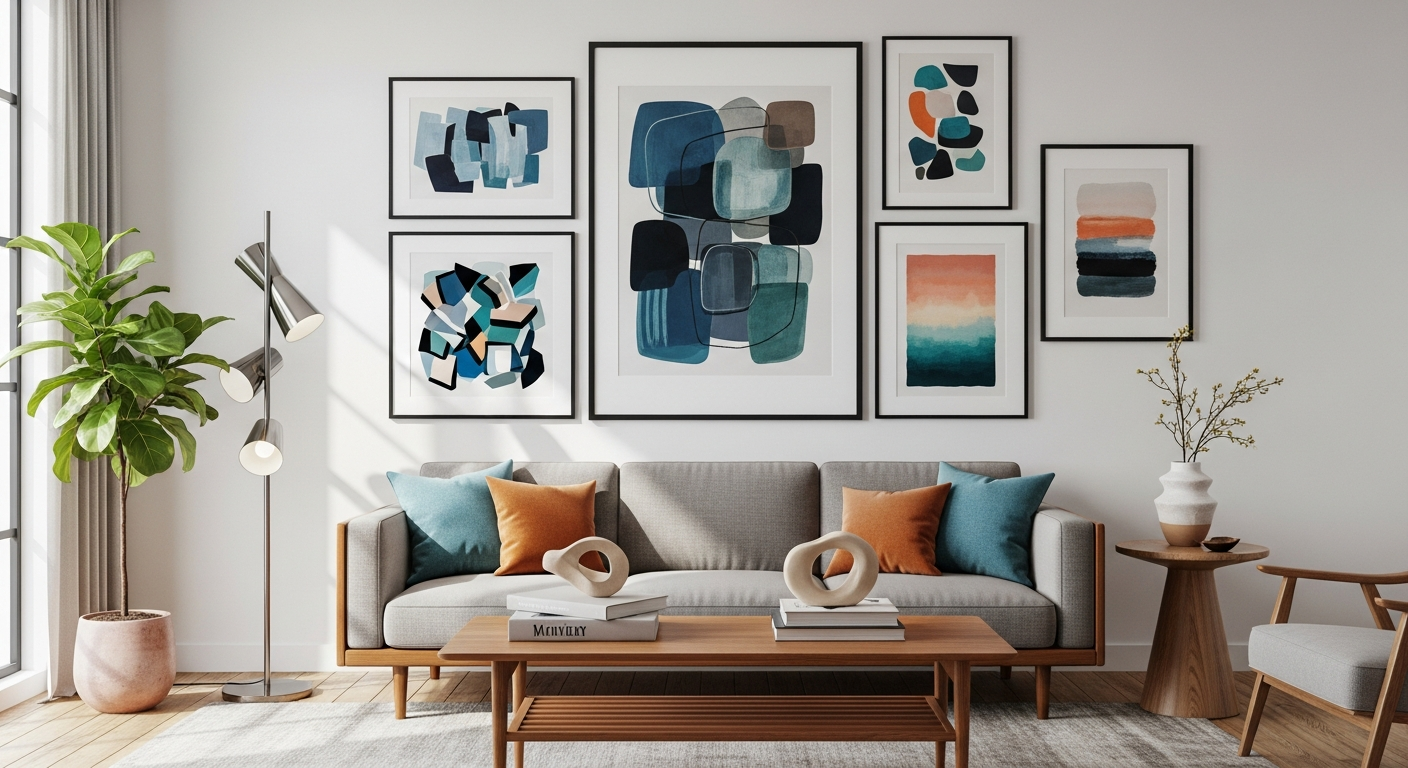
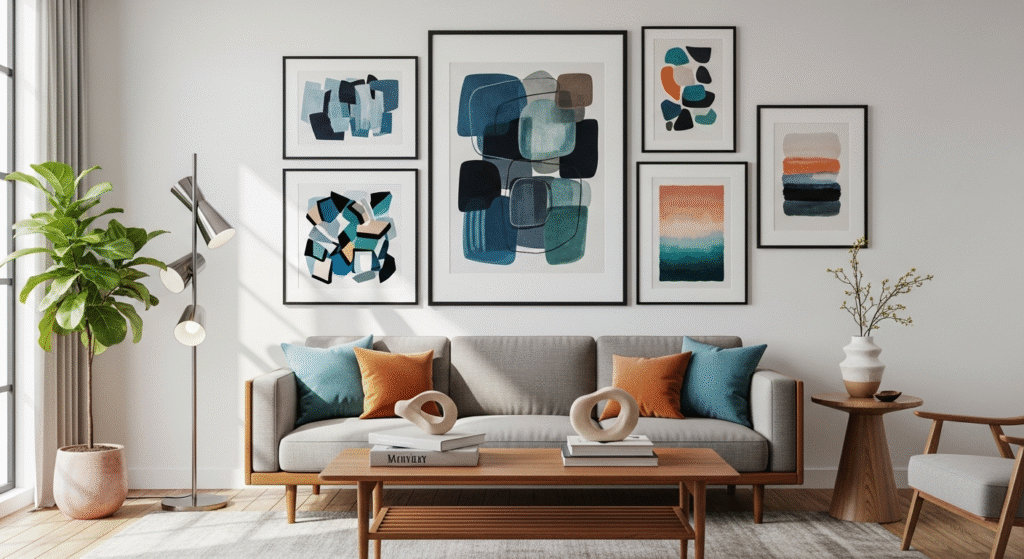
- Color palettes that complement their homes
- Specific time periods or art movements
Having a focus helps guide purchasing decisions and creates a more cohesive collection.
Engage with the Art Community
Join:
- Museum membership programs
- Collector groups and clubs
- Gallery mailing lists for exhibition announcements
- Art tours and lectures
- Online forums and social media groups
Relationships with galleries, artists, and fellow collectors provide knowledge, opportunities, and enhanced enjoyment of your collection. Understanding motivations for art collecting helps you connect with like-minded enthusiasts.
When to Upgrade or Sell
As your knowledge and budget grow, you might want to:
- Trade up to higher-quality works
- Focus your collection by selling outliers
- Take advantage of increased values to fund new purchases
- Work with galleries that accept trade-ins
Selling art online or through auction houses becomes easier when you’ve maintained good documentation.
Frequently Asked Questions
What is a limited edition print in art?
A limited edition print is an artwork created by an artist using printmaking techniques (like lithography, etching, or screenprinting) where only a specific number of copies are produced. Each print is typically signed and numbered by the artist, with common edition sizes ranging from 25 to 500 prints. Once the edition is complete, no additional prints are made from that image, creating scarcity and collectible value. Limited editions differ from mass-produced posters because the artist directly supervises or creates each print.
Are limited edition prints a good investment?
Limited edition prints can be good investments, but they should primarily be purchased for personal enjoyment rather than purely financial gain. Prints by established artists with strong reputations tend to hold or increase in value over time, especially smaller editions (under 100). Emerging artist prints offer higher risk but potentially greater rewards if the artist’s career flourishes. Key factors affecting investment potential include the artist’s recognition, edition size, print condition, provenance, and current market trends. Unlike stocks or bonds, art investments are illiquid and appreciation isn’t guaranteed.
How do you authenticate a limited edition print?
Authenticating a limited edition print involves several steps: First, verify the artist’s pencil signature in the margin matches known examples of their signature. Check that the edition number is hand-written and matches the total edition size. Request a Certificate of Authenticity from the seller, which should detail the print’s creation method, date, and edition information. Look for publisher or printer chop marks (embossed stamps). Compare the print against the artist’s catalog raisonné if available. For valuable prints, consult professional authenticators or contact the artist’s estate directly. Be wary of prints lacking documentation or sold through unverified channels.
Where is the best place to buy limited edition prints?
The best places to buy limited edition prints include established art galleries (both physical locations and reputable online galleries), directly from artists through their official websites or studios, and major auction houses like Christie’s or Sotheby’s. Online platforms such as Artsy, Saatchi Art, and Uprise Art offer vetted collections with authenticity guarantees. Art fairs and museum gift shops also provide quality options. Avoid general marketplace sites unless you can thoroughly verify authenticity. Building relationships with reputable gallery owners provides access to new releases and expert guidance. Always prioritize sellers who provide Certificates of Authenticity and detailed provenance information.
What do the numbers on a limited edition print mean?
The numbers on a limited edition print appear as a fraction, such as “15/100.” The bottom number (100) indicates the total size of the edition – meaning 100 prints were created from this image. The top number (15) shows where your specific print falls in the printing sequence – this is the 15th print made. Contrary to common belief, lower numbers aren’t necessarily more valuable unless they show subtle artistic differences from later prints. The total edition size affects value more than the individual number – smaller editions (like 25 prints) typically command higher prices than larger editions (500+ prints) because of greater scarcity.
Conclusion: Start Your Collection with Confidence
Collecting abstract limited edition prints opens a world of artistic discovery and personal expression. By understanding printmaking techniques, authentication methods, and proper care, you can build a meaningful collection that brings joy for years to come. Start small, trust your instincts, and remember that the best collections reflect genuine personal taste rather than investment trends.
The journey of collecting abstract limited edition prints combines intellectual curiosity with emotional response. As you develop your eye and knowledge, you’ll find that each piece tells a story – not just about the artist’s vision, but about your own evolving relationship with abstract art. Whether you’re drawn to the bold geometric patterns reminiscent of early modernism or the expressive gestural marks of abstract expressionism, there’s a world of printmaking waiting to be explored.
Visit galleries, ask questions, handle prints carefully, and most importantly, buy what speaks to your soul. The most successful collections are built on passion, patience, and a willingness to learn. Your first abstract limited edition print might cost $200 or $2,000, but the satisfaction of owning art you love is priceless. Happy collecting!
Citations
- Artsy – Online Art Marketplace: https://www.artsy.net
- Saatchi Art – Contemporary Art Gallery: https://www.saatchiart.com
- Christie’s Auction House: https://www.christies.com
- Sotheby’s Auction House: https://www.sothebys.com
- Uprise Art – Curated Contemporary Prints: https://www.upriseart.com
- International Fine Print Dealers Association (IFPDA): https://www.ifpda.org
- Archives of American Art, Smithsonian Institution – Art Documentation Resources: https://www.aaa.si.edu
This comprehensive guide was created to help new collectors navigate the exciting world of abstract limited edition prints with confidence and knowledge. For more art collecting advice, explore our extensive library of painting resources and artist profiles.