
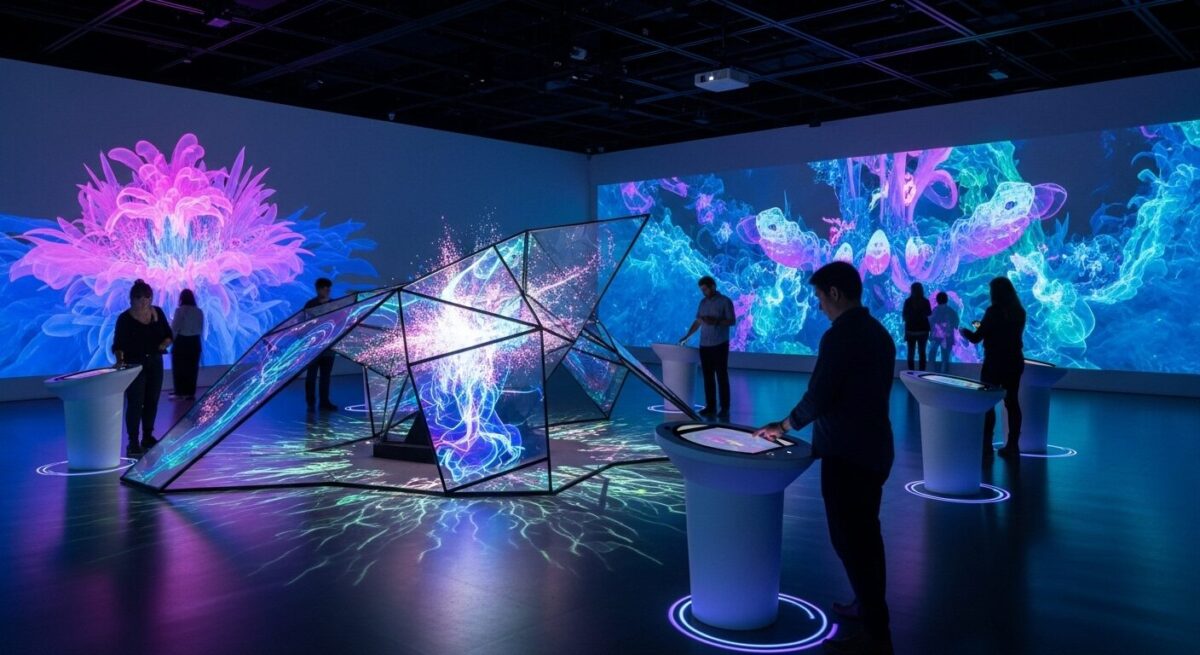
Conceptual art flips the script on traditional creativity by prioritizing the idea over the finished object. While a painting focuses on visual beauty, conceptual works use performance, text, or instructions to make abstract thoughts tangible. This guide demystifies the movement, explores how legendary artists like Duchamp paved the way, and shows you how to find meaning in even the most “confusing” gallery pieces.
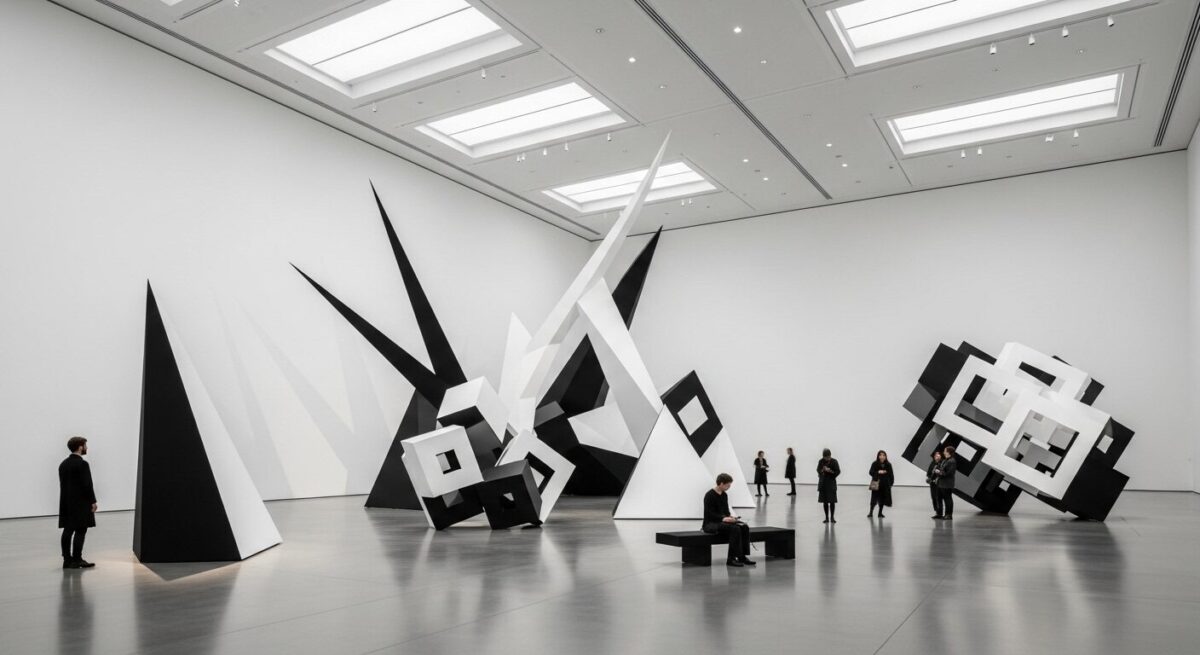
Have you ever stood in a museum, stared at a pile of bricks or a blank wall, and thought, “Is this actually art?” You aren’t alone. It is a common frustration for anyone starting their creative journey. Traditional art – think of a beautiful watercolor landscape or a realistic portrait—is easy to appreciate because you can see the hard work and technical skill right on the surface.
Conceptual art is different. It challenges everything we think we know about making things. In this world, the “art” isn’t the object you see with your eyes; it is the spark of an idea in the artist’s mind. Think of the physical piece as just a delivery truck for a much bigger message. This shift from “looking” to “thinking” can feel intimidating at first, but it is actually an invitation to participate. By understanding why artists moved away from the canvas and toward the concept, you’ll gain a fresh perspective that makes even the strangest installations feel accessible and deeply meaningful.
What Is Conceptual Art Exactly?
Conceptual art is a movement where the idea or “concept” takes precedence over traditional aesthetic concerns like technical skill or visual beauty. The physical artwork serves only as a vehicle to communicate a philosophical, social, or political message, making the viewer’s intellectual engagement the final step in completing the piece.
When you read a great book, the physical paper and ink aren’t the art. The art is the story that plays out in your mind. Conceptual art works the same way. Unlike perspective for beginners where you focus on technical depth, a conceptual piece focuses on the depth of the thought. The object might be a chair, a photograph, or even just a conversation, but the value lies in the question it asks you to consider.
Why Did Artists Stop Painting and Start Thinking?
In the 1960s, a group of artists grew tired of the “pretty picture” standard. They felt that the art world had become too focused on commercial value and technical perfection. They wanted to rebel against “formalism” – the idea that art should only be about its visual qualities, like how well someone understands color theory basics.
These rebels wanted to tackle big issues like politics, identity, and the meaning of life. By removing the requirement for a “beautiful” object, they freed themselves to explore raw, intellectual territory. They proved that art doesn’t have to live in a frame to change the way we see the world.
How Do You Make an Invisible Idea Tangible?
Artists transform abstract thoughts into physical reality through “materiality,” choosing mediums that best serve the specific message. This includes using found objects, written instructions, the artist’s own body in performance, or immersive installations that change how a viewer perceives a physical space.
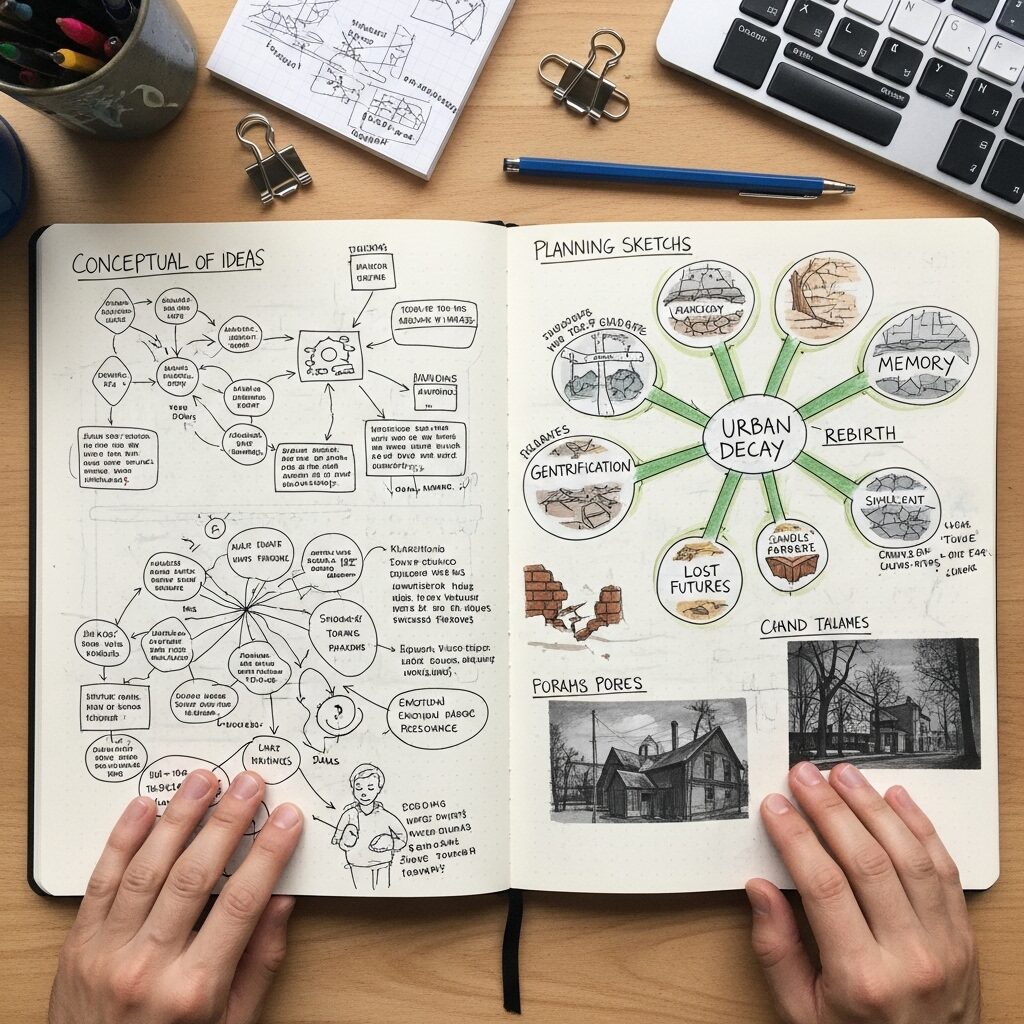
Every project begins with a “blueprint” phase. While a traditional artist might study essential elements of composition to balance a drawing, a conceptual artist researches philosophy or sociology to balance an argument. They choose their materials based on intent. If the message is about the environment, they might use melting ice. If it is about human connection, they might use their own presence. The material is never random; it is a strategic choice meant to make the invisible thought feel real.
5 Ways Conceptual Art Shows Up in Real Life
You don’t always need a paintbrush to be an artist. Here are five common ways these ideas manifest:
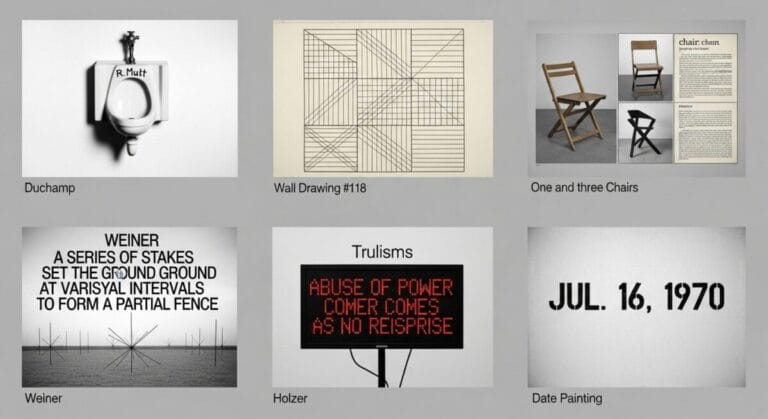
- Performance Art: Using the human body to tell a story. Marina Abramović famously sat in a chair for 700 hours just to prove the power of a silent gaze.
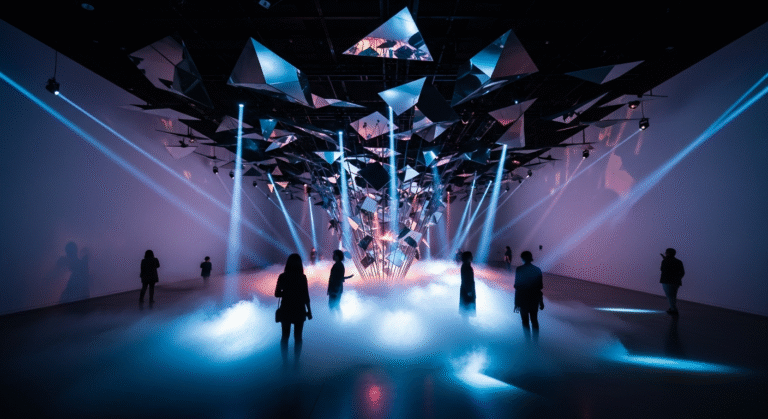
- Installation Art: Changing the energy of a room. Olafur Eliasson once put a giant artificial sun inside a museum to make people think about the weather.
- Text-Based Art: Using words as the primary visual. Jenny Holzer projects bold statements onto buildings to spark public debate.
- Instruction-Based Art: Creating a “recipe” for art. Sol LeWitt wrote directions for wall drawings so that anyone could recreate his work.
- Social Interaction: Making the art out of human relationships. Rirkrit Tiravanija once cooked food for gallery visitors, making the dinner and the chat the actual “masterpiece”.
Understanding basic art history helps us see how we got from oil paintings to these modern social experiments.
Why “My Kid Could Do That” Is the Wrong Starting Point
While the execution of a conceptual piece might seem simple, the “skill” lies in the intellectual rigor of the original idea and its historical context. Like a scientist designing an experiment, the artist’s work is in the discovery and the question posed, not just the physical labor of assembly.
It is easy to look at a row of bricks and think it requires no talent. But the “talent” in conceptual art isn’t in the hands—it is in the brain. A novelist uses words that everyone knows, yet we don’t say “I could have written that” because we respect the story they built. If you want to truly appreciate art, you have to look for the “why” instead of just the “how”.
| Feature | Traditional Art | Conceptual Art |
| Primary Focus | Visual beauty and craft | The idea and message |
| Success Metric | Technical execution | Intellectual provocation |
| Viewer Role | Passive observer | Active participant |
| Longevity | Meant to last centuries | Often temporary or documented |
Conclusion
Conceptual art proves that the most powerful pieces aren’t always the ones that look the best on a postcard. They are the ones that stay in your head long after you leave the gallery. By shifting your focus from “how well was this drawn?” to “what is this asking me?”, you unlock a whole new way to experience creativity. It is about connection, not just decoration.
Whether you are picking up a brush for the first time or looking for a way to deepen your current practice, remember that your ideas have weight. Don’t be afraid to let your thoughts lead the way. Next time you see something “weird” in a museum, lean in – there is a conversation waiting for you
Understanding conceptual art through examples and expert analysis
Frequently Asked Questions
Is the physical object in conceptual art completely worthless? No, but it is secondary. The object is a tool used to trigger a thought process in the viewer. Without the idea, the object is just “stuff,” but without the object, the idea might never be shared.
How can I tell if a conceptual piece is “good” or just lazy? Look for the intention. Good conceptual art has a clear “why” behind every choice. If the artist can’t explain the thought process or if the idea is shallow, it might lack the rigor found in successful works.
Do I need to read the long “artist statement” to understand the work? Often, yes. Because the art is intellectual, the context provided by the artist is like a key that unlocks the door to the meaning. Don’t feel bad for needing a little help to “get it”.
Can I make conceptual art if I can’t draw or paint? Absolutely. Since the idea is the most important part, you can use photography, writing, or even social media to express your artistic vision. It is the ultimate medium for beginners who have something to say.
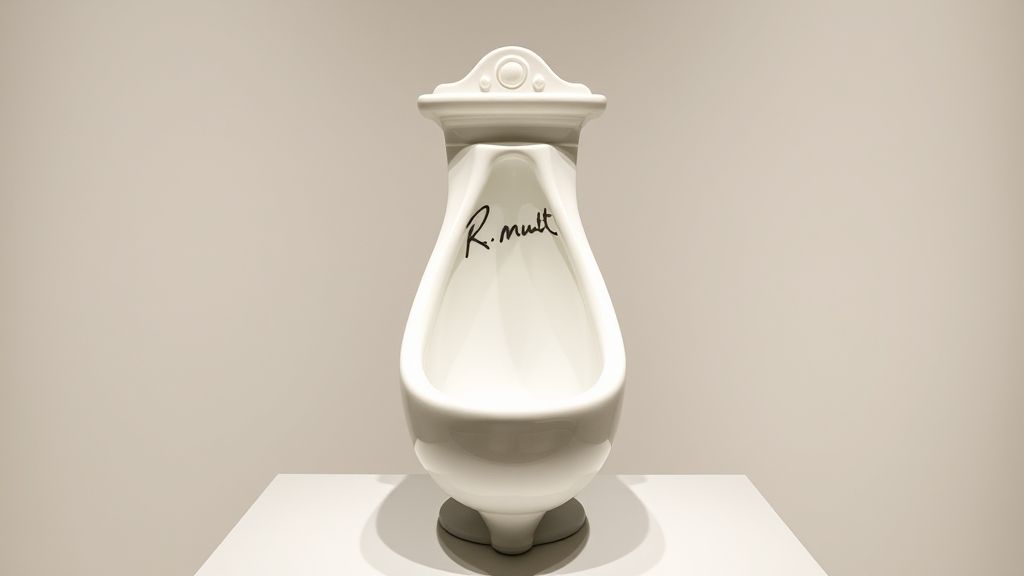
Why is a signed urinal considered the start of this? In 1917, Marcel Duchamp presented a urinal as art to prove that the artist’s choice and the museum’s context define what art is. It blew the doors open for everything that followed.

Opal Jonson
Experienced Artist
Continue exploring

PROMINENT PAINTING
Keep your creative momentum
Get new painting guides, practical techniques and artist stories delivered without the noise.
Occasional emails. Unsubscribe whenever you like.