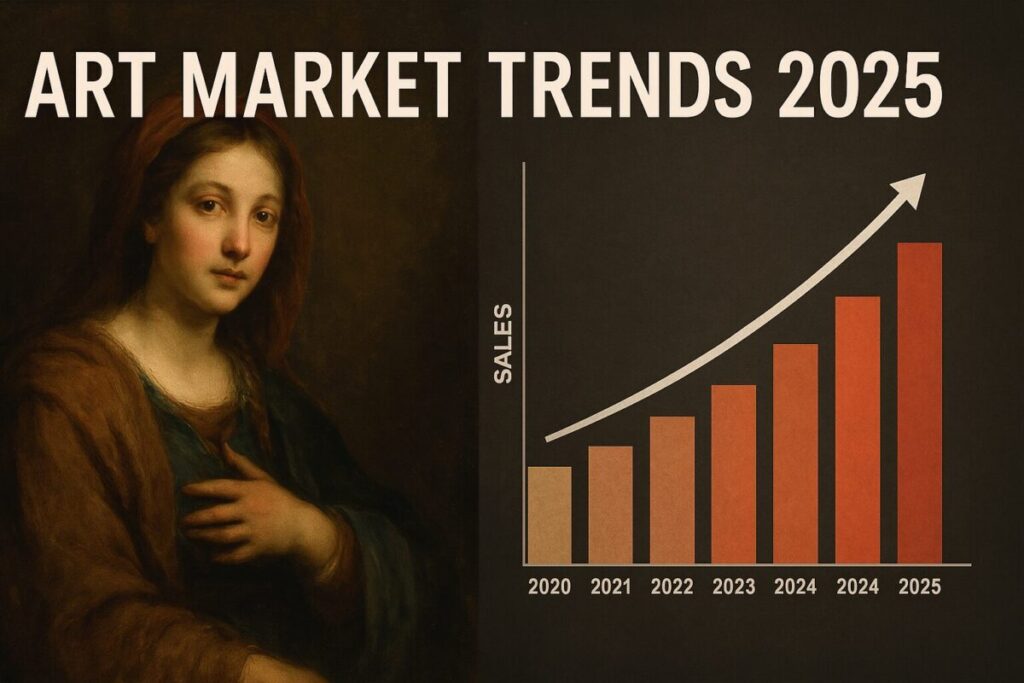
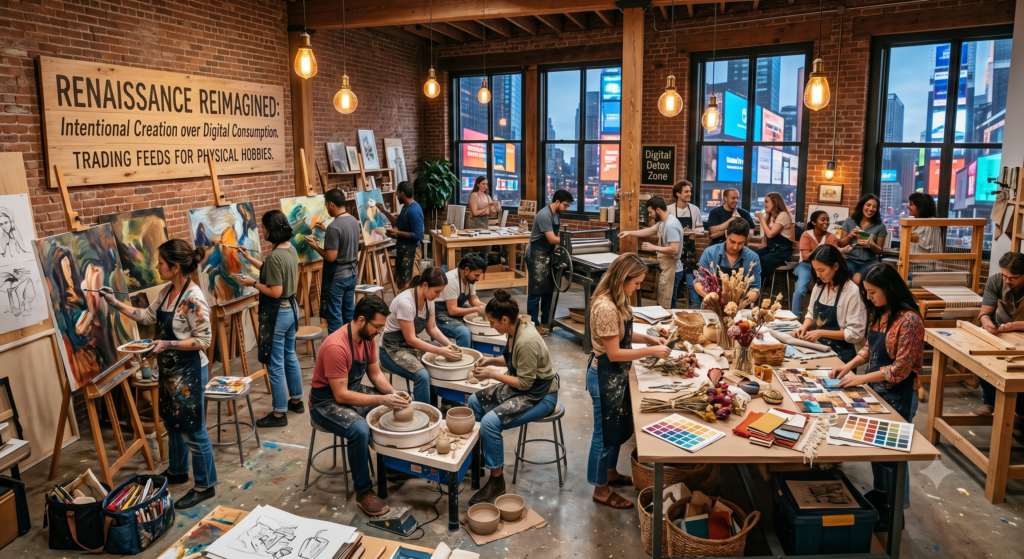
The physical art studio is undergoing a profound modern renaissance. In a screen-dominated landscape, artists, hobbyists, and interior decorators are intentionally trading digital feeds for physical hobbies. This behavioral pivot has driven a massive expansion in the creative supplies sector: the global art materials market is projected to grow from $10.56 billion in 2026 to $14.86 billion by 2032, expanding at a compound annual growth rate (CAGR) of 5.86%.
For professional muralists, studio artists, and DIY decor creators, keeping pace with 2026’s material science, trending mediums, and aesthetic movements is critical to maintaining a cutting-edge practice.
Key Point Summary
- Market Growth & Analog Pivot: Driven by digital fatigue, consumers are swapping screen time for tactile hobbies, expanding the global art materials market toward a projected $14.86 billion valuation by 2032.
- The Green Transition: Artists are demanding sustainable tools, prompting a shift toward 100% pure synthetic vegan brushes and solvent-free paint lines to reduce deforestation and microplastic pollution.
- Dynamic, Textured Mediums: Portability and tactile depth are driving massive spikes in squeezable heavy-body acrylic pouches and viral, user-friendly “jelly gouache”.
- Expressive Aesthetics: Clean, cold minimalism is being phased out in favor of earthy color palettes, like “Sunbaked Sand,” and touchable, multi-sensory poster textures.
- Experiential Studio Demographics: Over 60% of consumers prefer specialized art shops over big-box retailers, with Millennials leading online sales as group “paint nights” replace passive scrolling.
The Eco-Conscious Studio: Zero-Waste Brushes and Non-Toxic Pigments
The ecological footprint of traditional painting tools is facing intense scrutiny. Standard synthetic paint brushes take more than 450 years to decompose, and their plastic handles require up to 1,000 years to break down in landfills. Furthermore, rinsing acrylic polymer emulsion down the sink introduces microplastics directly into local municipal water systems.
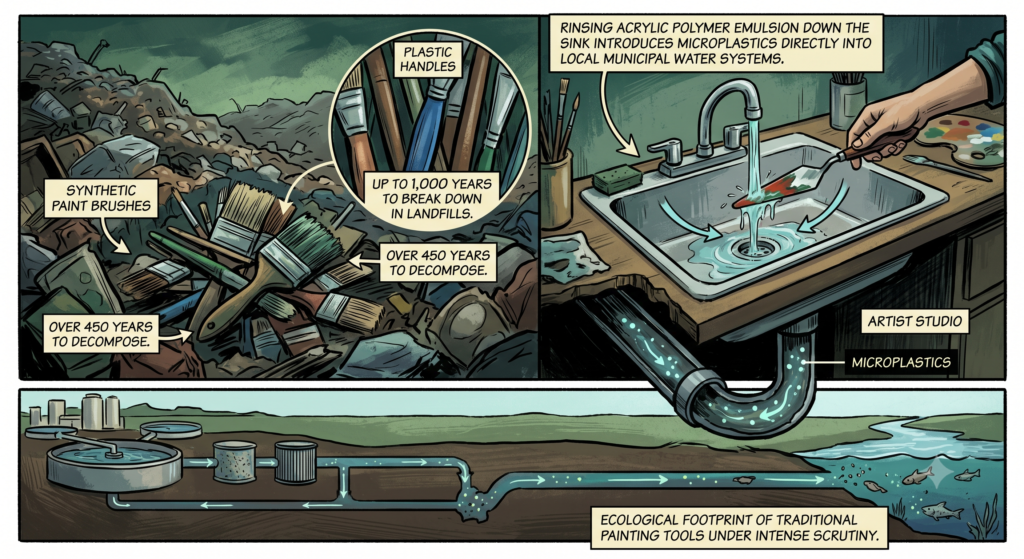
To counter this, the synthetic hair brush market is growing at a robust 6.4% annually as a cruelty-free, high-performance vegan alternative to animal hair. Leading manufacturers are transitioning toward sustainably-made brush sets and solvent-free paint lines.
| Product Component | Traditional Standard | Sustainable 2026 Alternative | Ecological Impact |
| Brush Handles | Petroleum plastic or hardwood timber | Rapidly renewable bamboo | Prevents deforestation and absorbs high levels of localized carbon dioxide |
| Ferrules | Virgin aluminum or plastic bands | Recycled brass | Minimizes raw metal extraction; ensures long-term structural durability |
| Brush Filaments | Cruelty-vulnerable animal hair or petroleum polyester | 100% pure engineered synthetic fibers | Cruelty-free/vegan; provides consistent paint absorption and easier clean-up |
| Paint Formulations | Solvent-heavy oil colors and microplastic binders | Natural earth pigments and water-mixable oils | Completely eliminates VOCs and prevents microplastics from reaching waterways |
Innovative brands are setting new benchmarks for environmental stewardship in the studio:
- M. Graham & Co.: Crafts professional-grade, solvent-free paint lines utilizing 100% renewable energy, while recycling its production water waste.
- Natural Earth Paint: Packages ten non-toxic, petroleum-free oil pigments in 100% post-consumer recycled bottles and biodegradable bags.
- Golden Artist Colors: Reuses over two-thirds of its daily cleaning water through a closed-loop filtration system and actively recycles community-collected latex paints.
Squeezable Acrylics, “Jelly” Gouache, and the Rise of Textured Impasto
The physical characteristics of trending paint mediums are changing to accommodate high-velocity social media discovery and in-person creative sessions.
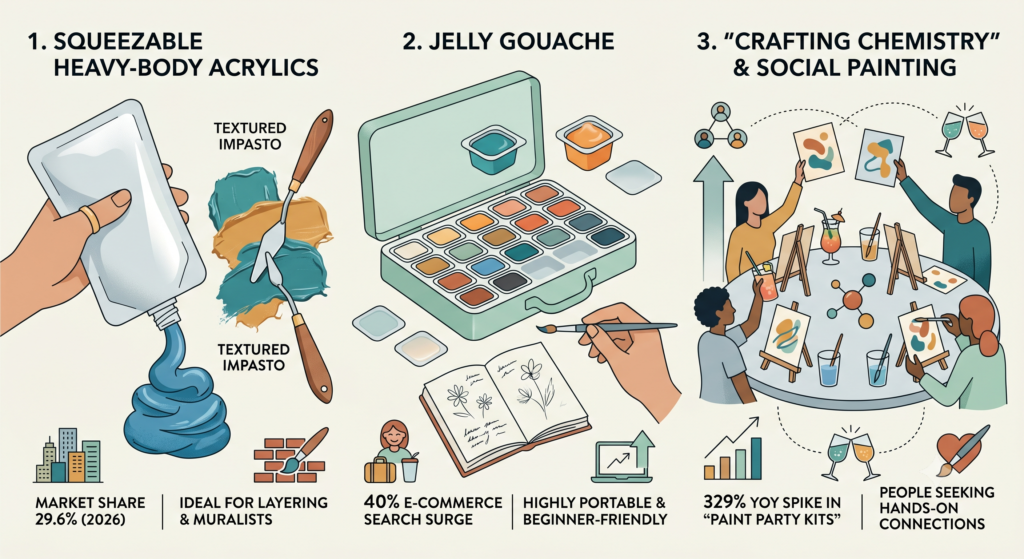
1. Squeezable Heavy-Body Acrylics
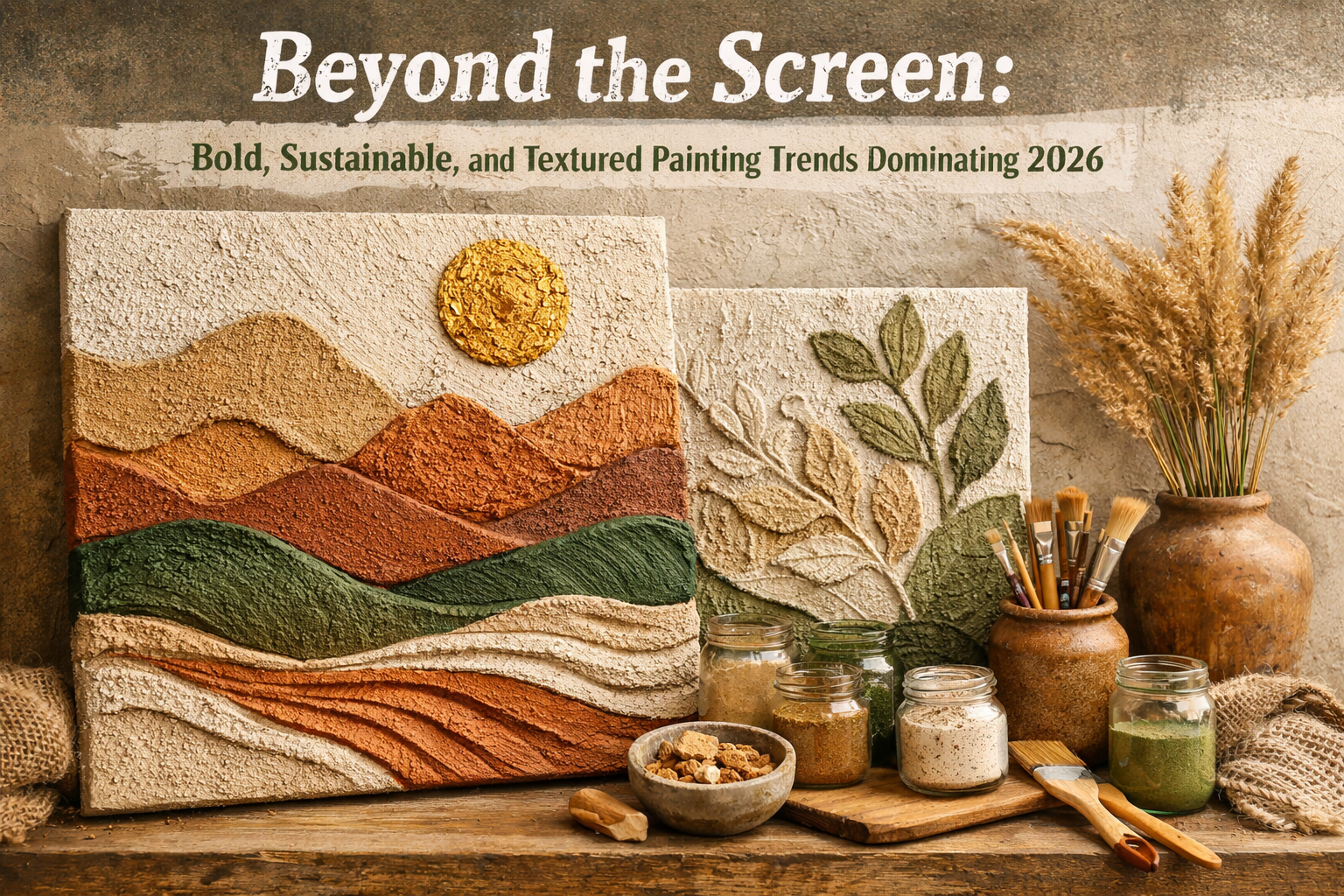
Acrylic paint dominates the global art materials market, commanding a 29.6% market share in 2026. Its rapid drying times are essential for muralists, urban artists, and studio professionals who need to layer heavy textures within a single day. Today, heavy-body acrylic colors packaged in squeezable 120ml pouches are a top choice. These thick, pigment-rich formulas retain pronounced texture when applied with palette knives, feeding directly into the viral “textured impasto” and “Wabi-Sabi” plaster-style art trends.
2. Jelly Gouache
A major digital-to-physical gateway is “Jelly Gouache” (typified by the MIYA Himi 56-color set), which has experienced a 40% surge in e-commerce search volume. By housing rich, creamy, semi-solid gouache in individual, peelable plastic cups inside portable cases, these kits eliminate the messy setup, rapid drying, and high-cost barriers of traditional tube-based gouache, making them highly popular for beginners and outdoor sketch journaling.
3. “Crafting Chemistry” and Social Painting
Passive digital consumption is rapidly being replaced by hands-on social gatherings. This behavioral shift has triggered a 329% year-on-year spike in searches for “Paint Party Kits,” a 242% increase in “Girls Night Crafts,” and an 86% rise in guided craft kit sales, opening massive opportunities for workshop organizers and studio space rental models.
Wall Art & Poster Styles: The 2026 Aesthetic Shift
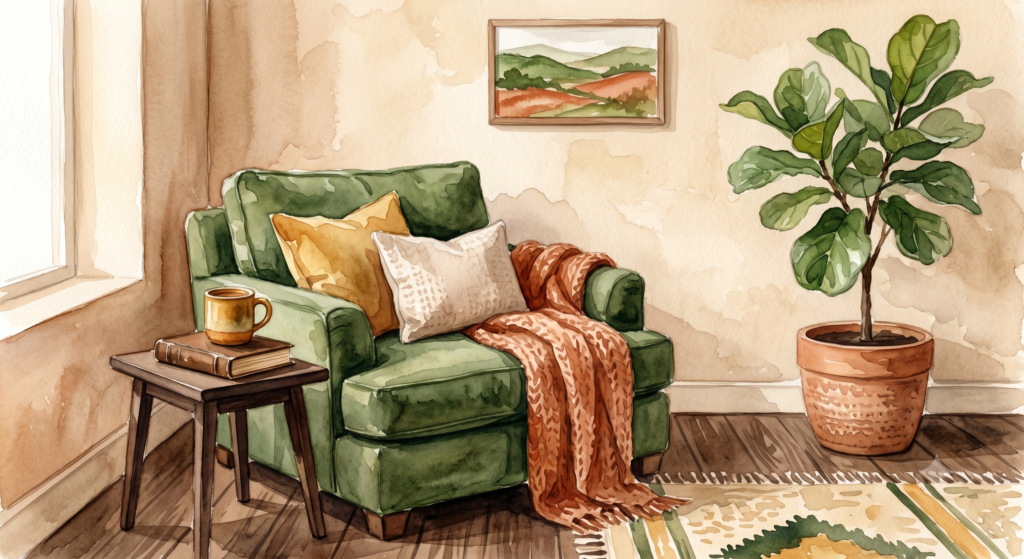
In modern home and gallery interiors, the clean but cold minimalism of the past decade is giving way to expressive, warm, and highly tactile wall art. Collectors are prioritizing depth, hand-carved textures, and narrative storytelling.
| Wall Art Trend Name | Visual Presentation and Key Motifs | Consumer Motivation & Appeal |
| Grounded Comfort | Warm terracotta, moss green, ochre, espresso, and the iCanvas Color of the Year: Sunbaked Sand | A desire for cozy, earthy, and organic spaces that feel calming and lived-in |
| Sensory Perception | Simulated touchable textures (e.g., liquid metal, 3D plush, fluffy, or spiked surfaces) printed on paper | Activates visual-tactile synesthesia to counter digital screen fatigue |
| Crafted Collage | Layered textures, overlapping graphics, hand-drawn lines, and visible, purposeful imperfections | Celebrates human authorship and the raw creative process over sterile digital alignment |
| Brutalist Geometry | Structured concrete textures, sharp architectural grids, high-contrast values, and solid forms | Introduces visual order, discipline, and graphic impact to minimalist and commercial spaces |
The Demographics of the Modern Creator
Developing a successful art catalog, studio space, or instructional class requires understanding who is investing in creative supplies:
- Professional Fine Artists: Spend an average of $1,200 annually on archival-grade pigments, heavyweight canvas, and fine brushes. This high-end professional tools segment is expanding at a steady rate of 3.8% annually.
- Adult Hobbyists: Over 45% of hobbyist creators spend more than $200 per year on creative supplies.
- Dedicated Buyers: Over 60% of consumers actively prefer buying from specialty, dedicated art shops over big-box retailers because they value professional-grade tools, raw pigments, and community-led expertise.
- The Youth/Millennial Market: Millennials represent the largest demographic purchasing art supplies online at 38% of total e-commerce sales, driven by aesthetic tutorials and social media project trends.
- Educational Institutions: Represent a highly consistent business-to-business (B2B) market, accounting for 18% of all bulk art supply purchases made globally each year.
Sources and References
- The Michaels Companies, Inc. Newsroom – (https://www.michaelspressroom.com/news/detail/5025/michaels-unveils-2026-creativity-trend-report-revealing)
- Research and Markets via GlobeNewswire – (https://www.globenewswire.com/news-release/2026/01/16/3220442/0/en/global-art-materials-market-projected-to-reach-usd-14-86-billion-by-2032-with-a-cagr-of-5-86-digital-platforms-and-sustainability-lead-the-way.html)
- Coherent Market Insights – (https://www.coherentmarketinsights.com/industry-reports/art-materials-market)
- WifiTalents – (https://wifitalents.com/art-supplies-industry-statistics/)
- YouTube / SoCraftastic – (https://www.youtube.com/watch?v=dinfimhAL6A)
- Environmental Justice Coalition via Medium – (https://medium.com/environmental-justice-coalition/sustainability-art-supplies-76d5d9d8089e)
- Desee Art – (https://desee.art/in-the-realm-of-sustainable-materials/)
- The Pigeon Letters – (https://www.thepigeonletters.com/blogs/1/cruelty-free-art-supplies)
- Craftamo – (https://craftamo.com/blogs/news/bamboo-paint-brushes-the-eco-friendly-choice-for-artists)
- Vinchy Art – (https://vinchyart.com/blogs/knowledge/what-are-the-top-contemporary-art-trends-in-2026)
- artPOP! – (https://artpop.com/products/heavy-body-acrylics)
- Posterscape – (https://posterscape.com/blogs/wall-decor/poster-trends-the-must-have-decorative-wall-art-styles)
- iCanvas Blog – (https://www.icanvas.com/blog/top-7-art-trends-to-watch-in-2026/)
- YouTube / @gazoostudio – (https://www.youtube.com/watch?v=t8fgSGZgOpw)
- Business Research Insights – (https://www.businessresearchinsights.com/market-reports/paint-brush-set-market-118344)