
We’ve all been there: you’re deep into a painting, pushing colours around, tweaking every little detail… and suddenly, your once-vibrant canvas feels flat, lifeless, or just plain overworked. It happens to every artist, no matter the experience level. But don’t panic – this isn’t the end of your painting journey! Yes, everybody makes mistakes!
Here’s the reality: whether you’re into oil painting, acrylics, or watercolour, overworking can dull your colours, muddy your textures, or make your composition feel heavy. The good news? It’s fixable, and I’m going to show you how to get your piece back on track.
1. Step Back and Assess the Damage
First things first, stop touching the painting. It’s tempting to dive right in with a brush, but you need to pause and really look. Are your colours getting muddy? Is there too much texture where you don’t need it? Sometimes it’s just one part of the canvas that feels off, while other areas still have potential.
Grab a mirror or snap a quick photo of your work. Looking at your art in reverse or on-screen can reveal things your eyes might have missed. Often, overworking a painting happens when you’ve been staring at it too long. Seeing it from a new perspective helps you make better decisions.
2. Don’t Be Afraid to Scrape Back
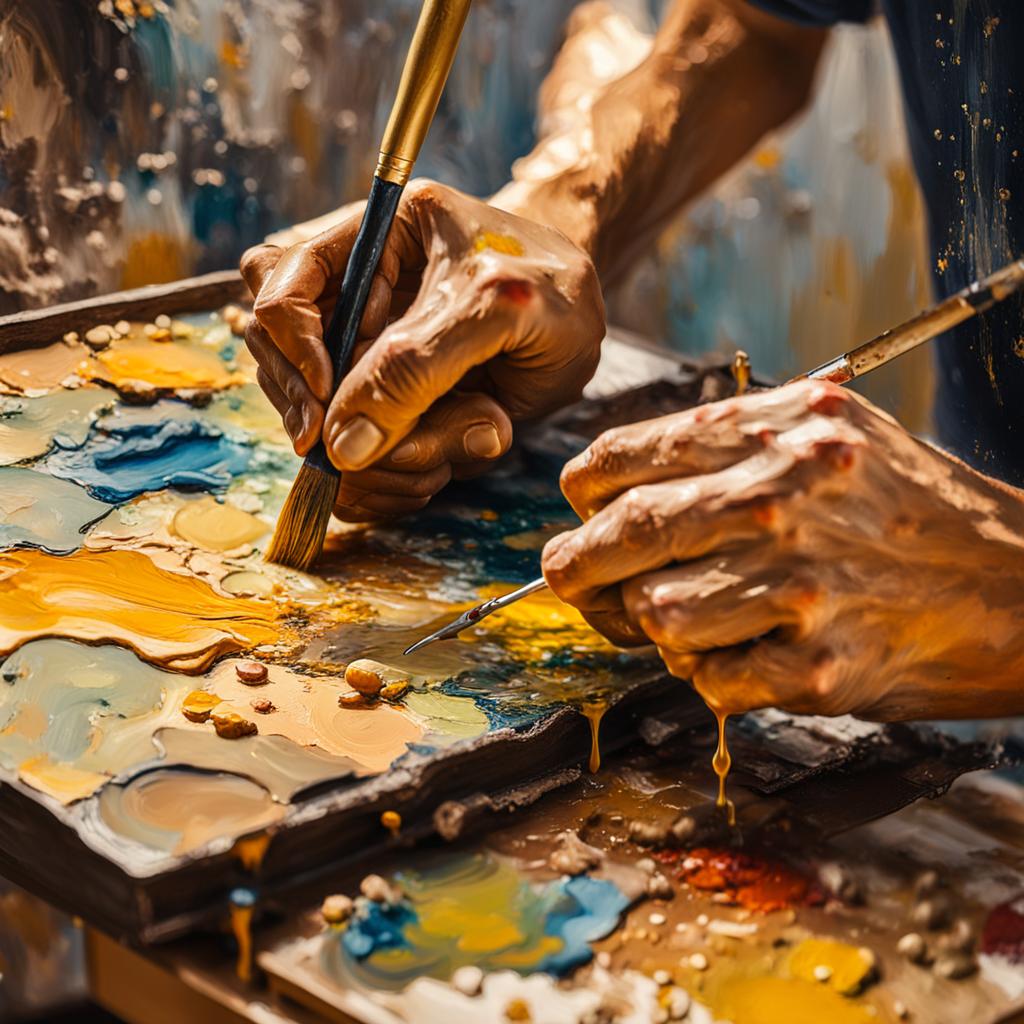
If you’re working with oil paints, you’ve got a secret weapon: your palette knife. When your painting starts feeling heavy with too much paint, gently scraping back can reveal hidden layers or textures underneath. It’s a way to reclaim areas that might have gotten lost in the process.
For acrylic painting, scraping isn’t as simple, but you can thin the paint with water or lightly sand areas for a fresh start. Keep in mind that this is best done when the paint is fully dry to avoid making a mess.
3. Bring Back Freshness with Glazes
An overworked painting can lose its depth, but you can restore this by applying glazes. A glaze is a thin, translucent layer of paint that can add richness to the colours without obscuring the detail underneath.
For oil painting, mix a small amount of paint with your favourite medium – like linseed oil – to create the glaze. Apply it over the area that feels dull to instantly revive your work.
With acrylics, you can use glazing medium to achieve the same effect. Just be careful to keep the glaze thin and build it up gradually.
4. Rework Specific Areas, Not the Whole Painting
It’s easy to fall into the trap of wanting to repaint the entire canvas, but you don’t always need to do that. Instead, zoom in on the sections that feel most overworked. Often, just a small tweak in brushwork or lighting can make a world of difference.
Look for problem spots where the paint feels too thick or the colours have lost their vibrancy. A few well-placed highlights or shadows might be all you need to balance out the composition.
5. Add Texture Back with Palette Knife or Dry Brush
Overworking often flattens the texture of your painting. If the canvas looks too smooth or uninteresting, grab your palette knife and add some texture back into the piece. You can also use a dry brush to gently scumble some lighter tones over the surface, adding layers of interest without overpowering the painting.
This works especially well in oil painting but can also be effective with acrylic or watercolour by using less wet brush strokes.
6. Refine the Composition
Sometimes, the problem isn’t just the technique – it’s the overall composition. If your shapes feel out of balance or your colours are clashing, it’s time to revisit the basics. Take another photo or use a mirror to simplify the scene.
Start by sketching out the composition again on a separate piece of paper or even directly on the canvas. Re-establishing strong shapes and focal points can make a world of difference in an overworked painting.
7. Know When to Stop
The biggest culprit in an overworked painting? Not knowing when to stop. It’s easy to get caught in a cycle of fixing and refining, but sometimes the best move is to call it done. A painting doesn’t need to be perfect – it needs to feel alive and dynamic.
Let your painting breathe. Walk away for a few hours (or days) and return with fresh eyes. More often than not, you’ll realise it doesn’t need as much work as you thought.
8. Future-Proof Your Paintings
To avoid overworking your future paintings, make a plan before you even start. Keep in mind:
- Use thicker paint early on for bold, confident brushstrokes.
- Block out your shapes and colours without getting caught in tiny details.
- Know where your light source is coming from to avoid muddy lighting.
- Take breaks often, so you’re not staring at the canvas for too long. Step back, look at your work from a distance, and stay in control.
It’s also helpful to keep a palette knife handy. It stops you from getting too “precious” about every brushstroke – you can always scrape away mistakes!
Bonus Tip: When All Else Fails, Embrace the “Creative Rut”
Sometimes, no amount of glazing or scraping will save your piece. And that’s okay. We all hit creative ruts. If you’ve tried everything and still hate the painting, let it go.
Use it as a learning experience – sometimes the best lessons come from our so-called failures. The more you paint, the more you’ll understand the delicate balance between detail and spontaneity.
Wrapping It Up
Fixing an overworked painting isn’t about perfection; it’s about knowing when to pull back and make adjustments. Whether you’re working with oil paints, acrylics, or watercolours, the steps above will help you regain control and breathe life back into your art.
Next time you’re knee-deep in a painting and things start going south, remember: step back, reassess, and apply just a few of these techniques.
(ziz59)