Have you ever walked through an art gallery and wondered why some paintings look so different from others? Understanding styles of artwork is like learning a secret language that helps you appreciate the incredible diversity of human creativity. Whether you’re looking at a dreamy impressionist landscape or a bold abstract painting, each art style tells its own unique story about the time period, culture, and artist who created it.
Key Points Summary
- Art styles have evolved from ancient cave paintings to cutting-edge digital art
- Major movements include Realism, Impressionism, Cubism, Surrealism, and Abstract Art
- Different mediums (oil, watercolor, digital) influence how artistic styles develop
- Understanding styles helps you appreciate, collect, and create art more effectively
- Contemporary styles blend traditional techniques with modern technology and themes
- Learning to identify visual cues makes recognizing art styles easier
What Are Styles of Artwork?
An art style is basically the way an artist chooses to express their vision. Think of it like handwriting—everyone has their own unique way of writing, and the same goes for creating art. Art styles and movements develop when groups of artists share similar techniques, ideas, or ways of seeing the world.
When we talk about different styles of artwork explained, we’re looking at everything from how thick the paint is applied to what colors the artist chooses, and even what subject matter they focus on. Some styles aim to show life exactly as it is, while others play with reality to express emotions or ideas.
Historical Overview: How Art Styles Evolved
From Cave Walls to Canvas
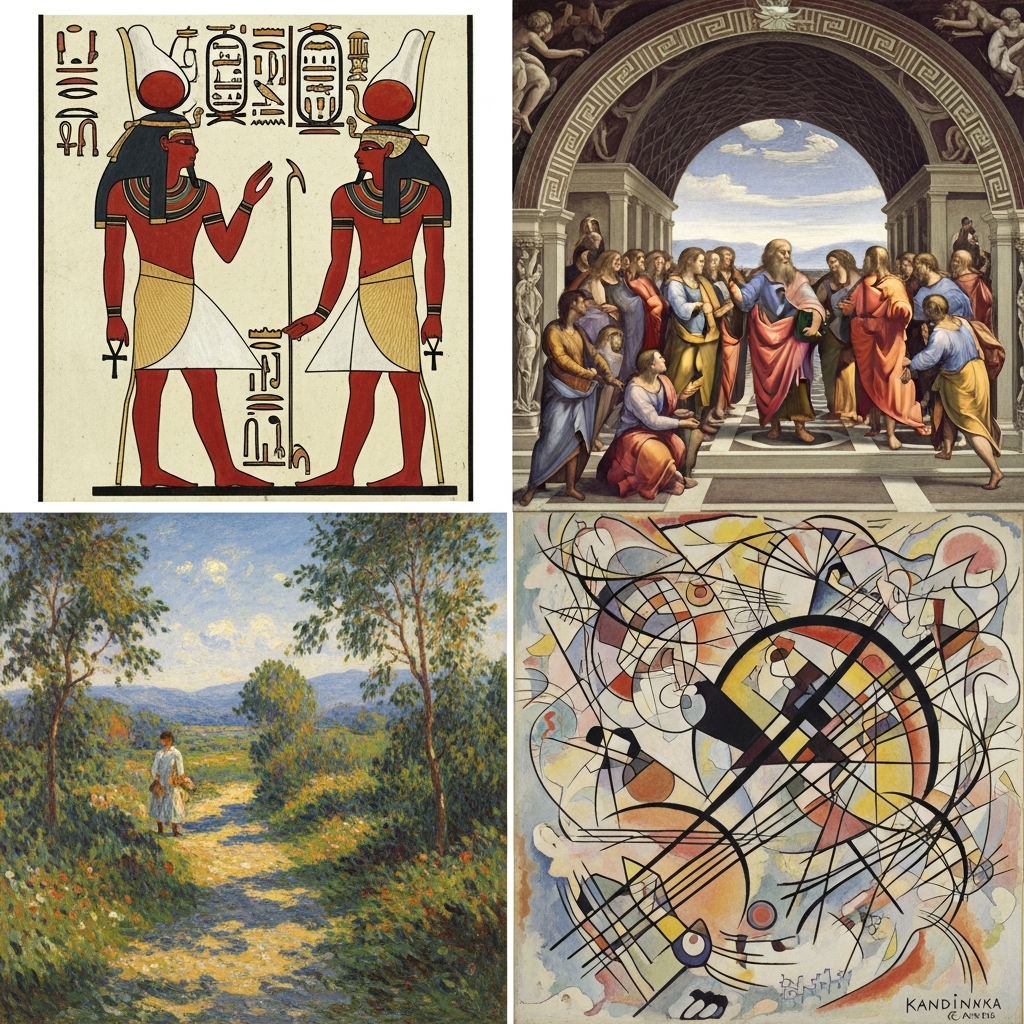
The evolution of art styles began over 40,000 years ago when prehistoric humans painted animals on cave walls. Fast forward through history, and you’ll see art movements developing in fascinating ways.
Ancient civilizations like Egypt and Greece created highly structured, symbolic art. The Romans advanced realism, capturing lifelike portraits and scenes. Then came the Renaissance—a true game-changer that brought realistic perspective and human anatomy into focus.
As society changed, so did art. The invention of photography in the 1800s pushed artists to explore beyond simple representation. This sparked movements like Impressionism, where painters like Claude Monet captured fleeting moments of light rather than perfect details.
Major Styles of Artwork and Movements
Realism: Showing Life As It Really Is
Realism emerged in the mid-1800s as artists decided to paint everyday life exactly as they saw it—no idealization, no drama, just real people doing real things. Artists like Gustave Courbet rejected romantic fantasy in favor of depicting workers, peasants, and ordinary scenes.
Key characteristics:
- Accurate representation of subjects
- Focus on everyday people and scenes
- Natural lighting and proportions
- Detailed brushwork
Impressionism: Capturing Fleeting Moments

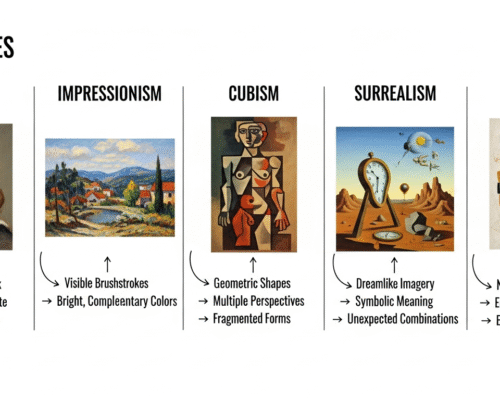
Impressionism revolutionized art in the 1870s. Artists like Claude Monet and Pierre-Auguste Renoir painted outdoors, capturing how light changed throughout the day. Instead of perfect lines, they used loose brushstrokes that created shimmering, vibrant effects.
“I want to paint the air around objects, not the objects themselves.”
Claude Monet
Impressionist artists focused on color and light rather than precise details. Their paintings often show landscapes, city scenes, and leisurely activities. When you stand close, you see individual brushstrokes, but step back and the scene comes alive with movement and atmosphere.
Watch this video to understand Impressionism better:
Expressionism: Art of Emotion
Expressionism isn’t about showing what you see—it’s about showing what you feel. Artists like Edvard Munch used distorted forms, intense colors, and dramatic brushstrokes to convey raw emotion. “The Scream” is probably the most famous expressionist painting, capturing universal feelings of anxiety and fear.
Cubism: Breaking Reality Apart
Cubism, pioneered by Pablo Picasso and Georges Braque around 1907, completely changed how we think about painting. Instead of showing objects from one viewpoint, Cubist paintings show multiple perspectives at once—like looking at someone from the front, side, and back all at the same time.
This style broke objects into geometric shapes and reassembled them in abstract compositions. It’s like taking apart a puzzle and putting it back together in a totally new way.
Surrealism: Dreams on Canvas
Surrealism emerged in the 1920s, bringing dreams and the subconscious mind into art. Salvador Dalí created melting clocks, while René Magritte painted men in bowler hats floating in the sky.
These artists wanted to unlock creativity by accessing the unconscious mind, creating impossible scenes that challenge logic. Surrealist works often feature dreamlike scenarios, unexpected combinations, and symbolic imagery.
Abstract Art: Non-Representational Freedom

Abstract art doesn’t try to represent reality at all. Instead, it focuses on colors, shapes, lines, and textures to create compositions that exist purely for their visual and emotional impact.
Jackson Pollock, a leading abstract artist, pioneered “drip painting” by pouring and splashing paint onto canvas laid on the floor. His action paintings captured pure energy and movement.
Key types of abstract art:
- Abstract Expressionism: Emotional, gestural painting
- Geometric Abstraction: Using mathematical shapes and patterns
- Color Field Painting: Large areas of flat color
- Minimalism: Reducing art to essential elements
Pop Art: Celebrating Popular Culture
Pop Art exploded in the 1950s and 60s, turning everyday objects and celebrities into art. Andy Warhol’s iconic soup cans and Marilyn Monroe portraits questioned what art could be.
This movement embraced commercial culture, bright colors, and repetition. It was art for everyone, challenging the idea that art had to be serious or exclusive.
Other Important Movements
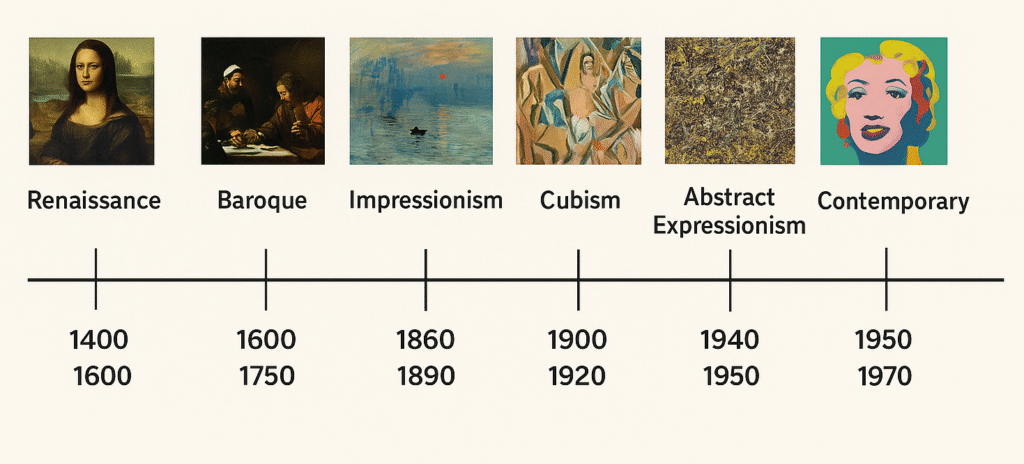
- Renaissance: Revival of classical learning and realistic representation
- Baroque: Dramatic lighting, rich colors, intense emotion
- Dadaism: Anti-art movement rejecting logic
- Futurism: Celebrating speed, technology, and modernity
- Symbolism: Using symbols to express ideas and emotions
- Rococo: Ornate, decorative, lighthearted
- Photorealism: Paintings that look exactly like photographs
- Fauvism: Wild, intense colors
Medium-Based Styles: How Materials Shape Art
Oil Painting Styles
Oil painting allows incredible depth, rich colors, and detailed work. The slow drying time means artists can blend colors smoothly and make changes. From Leonardo da Vinci’s subtle sfumato technique to modern impasto (thick, textured paint application), oils offer versatility.
Watercolor Styles
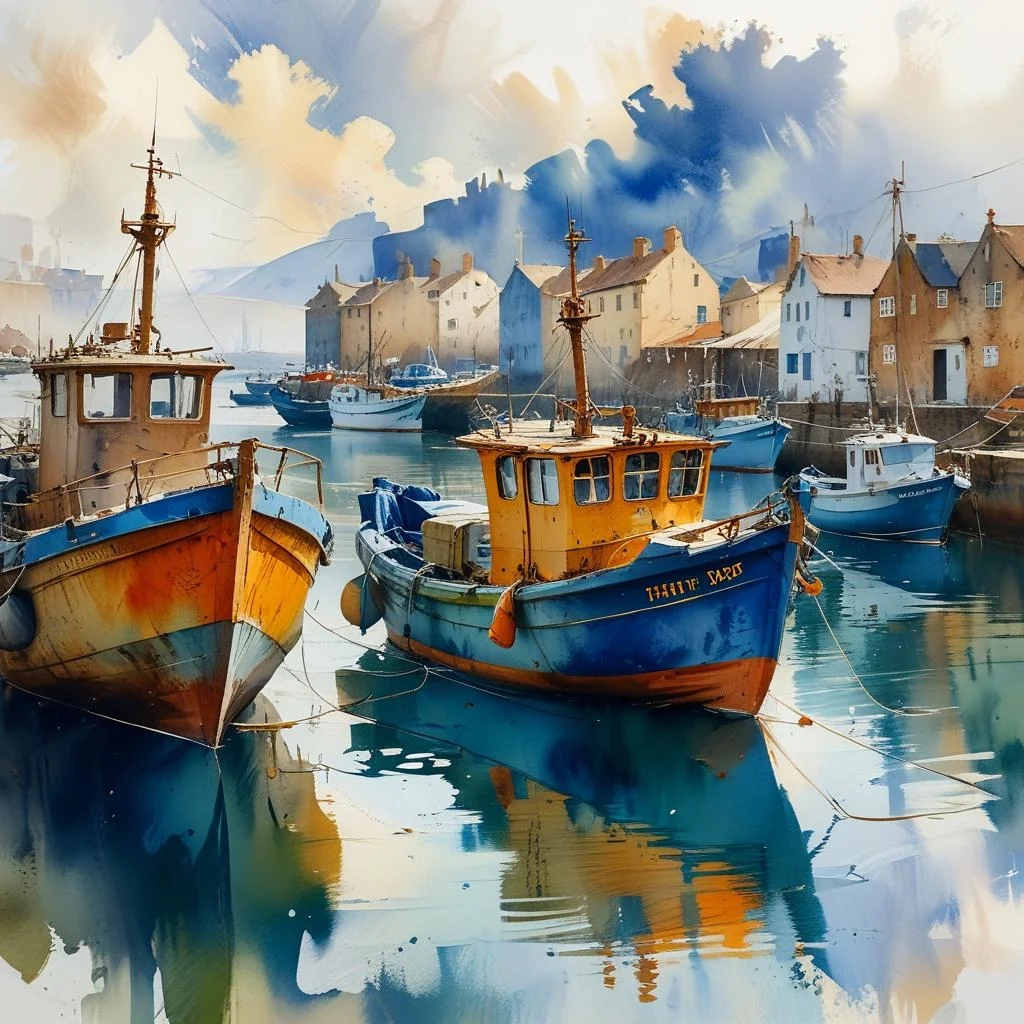
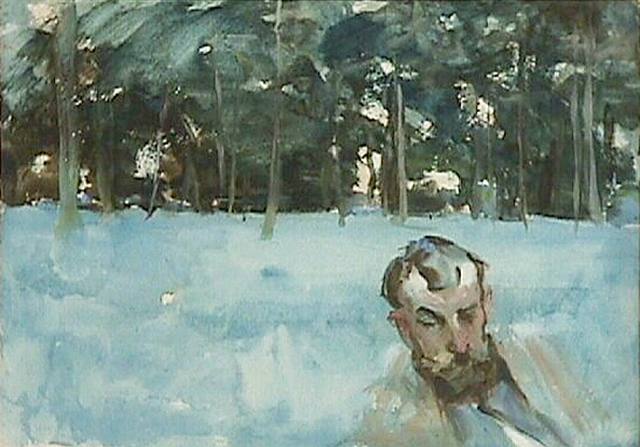
Watercolor painting creates luminous, transparent effects. Masters like J.M.W. Turner and Winslow Homer used watercolors to capture atmospheric effects and spontaneity.
Different watercolor techniques create distinct styles:
- Wet-on-wet: Soft, flowing blends
- Wet-on-dry: Sharp, controlled edges
- Dry brush: Textured, scratchy effects
- Aquarelle: Classical transparent watercolor approach
Acrylic Painting Styles
Acrylic painting offers quick drying, vibrant colors, and versatility. Artists can use acrylics to mimic watercolors, oils, or create unique effects. Modern artists love acrylics for their flexibility and bold colors.
Digital Art Styles
Digital art has revolutionized creative expression. Artists use tablets, software, and AI tools to create everything from realistic illustrations to experimental works.
Digital styles include:
- Vector art
- Digital painting
- Photo manipulation
- 3D art
- AI-generated art
- Motion graphics
How to Identify Different Styles of Artwork
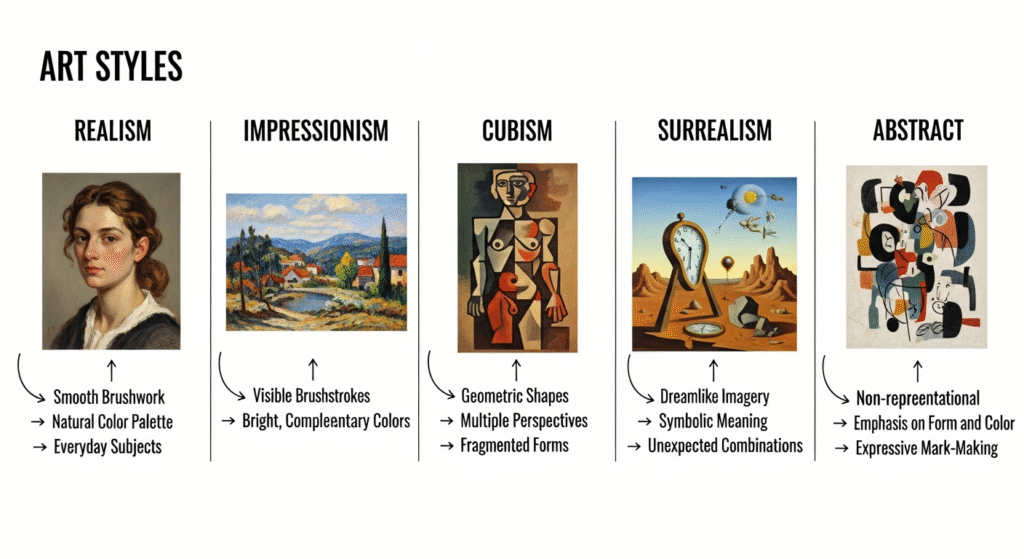
| Art Style | Key Visual Cues | Color Palette | Brushwork | Subject Matter |
|---|---|---|---|---|
| Realism | Accurate details, natural proportions | Natural, muted tones | Smooth, invisible brushstrokes | Everyday life, portraits |
| Impressionism | Loose, visible brushstrokes | Bright, vibrant colors | Quick, broken strokes | Outdoor scenes, light effects |
| Expressionism | Distorted forms, exaggerated features | Bold, intense colors | Dramatic, emotional marks | Emotional themes, inner feelings |
| Cubism | Geometric shapes, multiple viewpoints | Earth tones, limited palette | Angular, faceted planes | Still life, portraits, fragmented forms |
| Surrealism | Dreamlike scenes, impossible combinations | Varied, often realistic within unreality | Precise or loose depending on artist | Dreams, subconscious, symbolism |
| Abstract | Non-representational forms | Any combination | Gestural or controlled | Pure visual elements |
| Pop Art | Flat colors, bold outlines | Bright, commercial colors | Smooth, graphic style | Consumer culture, celebrities |
Tips for Recognizing Art Styles
- Look at the brushwork: Are strokes visible or hidden? Loose or tight?
- Check the subject matter: Realistic or imaginative? Ordinary or unusual?
- Observe the colors: Natural or exaggerated? Harmonious or contrasting?
- Notice the composition: Traditional or experimental? Balanced or dynamic?
- Consider the emotion: Calm or intense? Objective or subjective?
Contemporary and Emerging Styles in 2025
Street Art Goes Mainstream
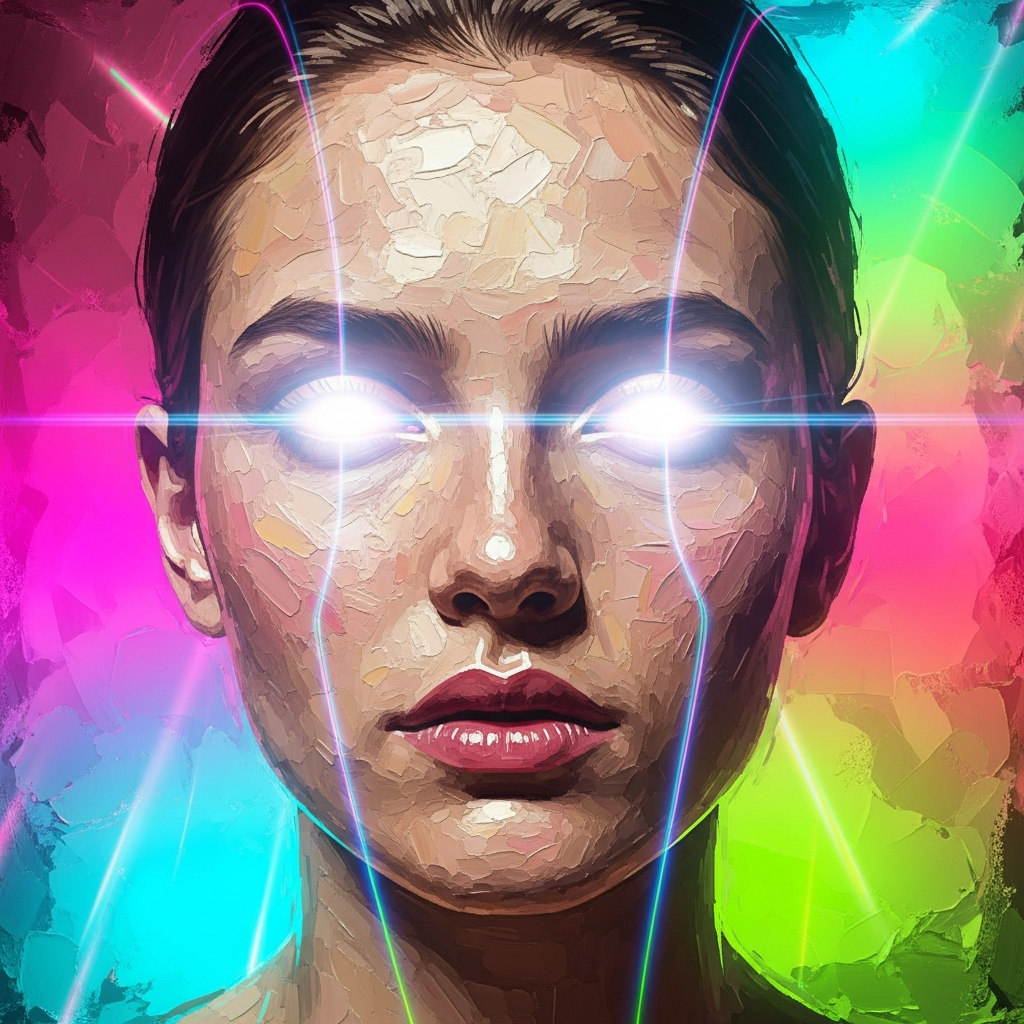
Once considered vandalism, street art has become a respected art form. Artists like Banksy bring social commentary to urban walls, while street art now appears in prestigious galleries and influences contemporary painting styles.
Digital and New Media Art
Technology continues revolutionizing artistic expression. AI art allows artists to generate unique images through algorithms. Virtual and augmented reality create immersive experiences. NFT art has opened new markets for digital creators.
Cultural Fusion Styles
Contemporary artists blend diverse cultural influences, creating hybrid styles that reflect our interconnected world. This cultural fusion celebrates diverse traditions while creating something entirely new.
Sustainable and Eco-Conscious Art
Artists increasingly focus on environmental themes, using eco-friendly materials and creating works that raise awareness about climate change and sustainability.
Maximalism vs. Minimalism
The art world currently embraces both extremes—maximalist works filled with intense color and detail, alongside minimalist pieces that strip everything to essentials.
Understanding Style vs. Technique
Many beginners confuse style with technique, but they’re different concepts:
Style is the overall visual language or aesthetic—the “what” and “why” of the artwork. It encompasses the artist’s choices about subject matter, composition, and emotional tone.
Technique is the “how”—the specific methods used to create art. Techniques include:
An artist might use impressionist style while employing various techniques. Understanding both helps you appreciate the full scope of artistic creation.
The Collector’s and Viewer’s Perspective
Why Knowing Styles Matters
Understanding different styles of artwork enhances your art appreciation in several ways:
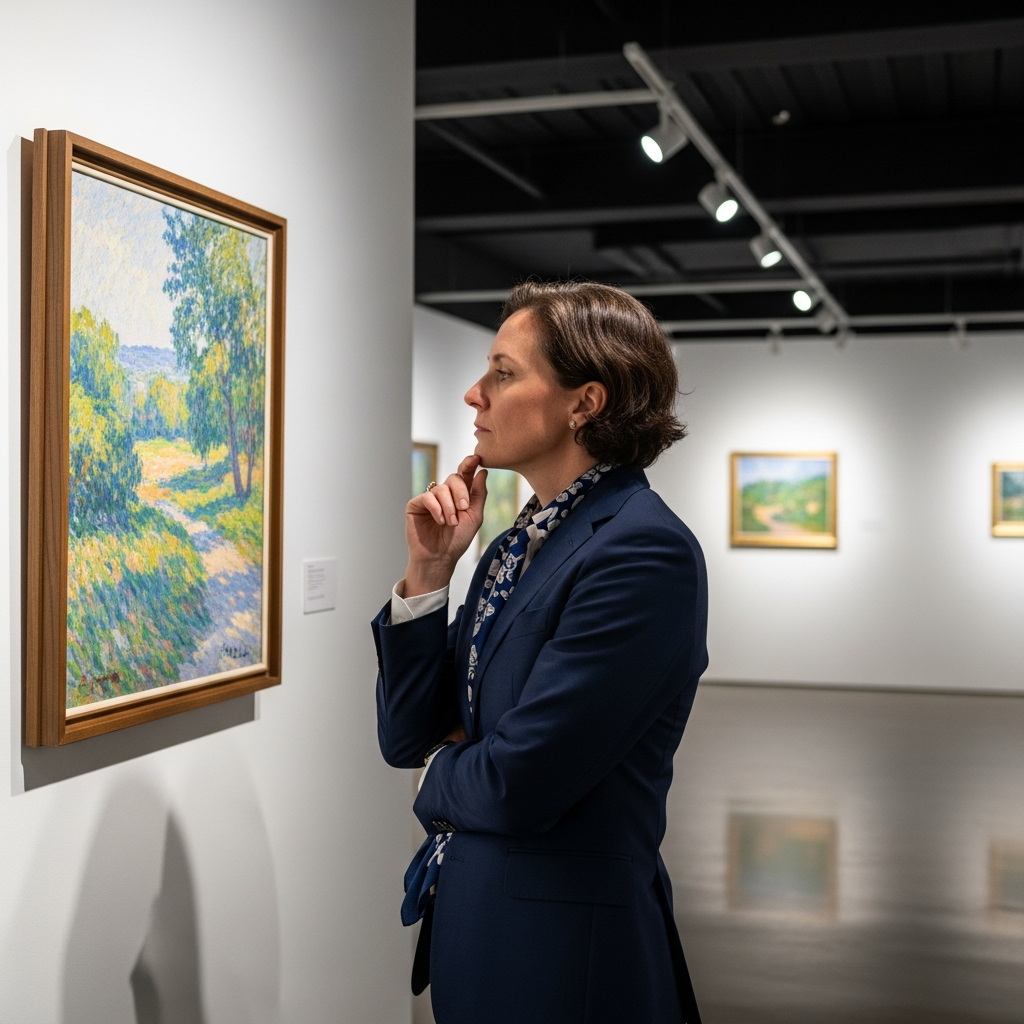
- Better Gallery Experiences: You’ll recognize connections between artists and movements
- Informed Collecting: Make smarter decisions about what paintings are valuable
- Deeper Enjoyment: Understanding context enriches your emotional response
- Conversation Starter: Discuss art confidently with other enthusiasts
- Finding Your Taste: Identify which styles resonate with you personally
Advice for New Collectors
If you’re interested in building an art collection, understanding styles helps you:
- Recognize quality: Distinguish skilled work from amateur attempts
- Spot trends: Identify emerging contemporary artists before they peak
- Buy authentically: Authenticate artwork by recognizing style consistency
- Invest wisely: Understand art market trends and pricing
- Create cohesion: Build collections with complementary styles
Finding Your Own Style as an Artist
Many aspiring artists wonder how to find their painting style. Here’s the truth: your unique style develops naturally through practice and exploration.
Steps to Develop Your Style
- Study the masters: Learn from famous artists and their styles
- Experiment broadly: Try different painting techniques
- Practice consistently: Master the basics first
- Accept influences: Let various styles inspire you
- Trust the process: Style emerges from consistent work
- Critique your work: Analyze what works and what doesn’t
Don’t rush finding your style. Even influential artists spent years developing their signature approaches.
Popular Painting Styles for Home Decor
When choosing art for your space, consider these popular art styles:
Landscape Styles
Landscape paintings work beautifully in living rooms and bedrooms. Options include:
- Impressionist landscapes (soft, atmospheric)
- Realistic landscapes (detailed, photographic)
- Abstract landscapes (interpretive, emotional)
- Seascapes (calming, coastal)
Still Life Styles
Still life paintings add elegance to dining rooms and kitchens. From classical arrangements to modern interpretations, still life remains timeless.
Abstract Styles
Abstract paintings create focal points and complement contemporary interiors. They work in any room and spark conversation.
Portrait Styles
From traditional portraits to modern interpretations, portrait paintings add personality and sophistication to home offices and entryways.
Art Styles Through Different Genres
Understanding painting genres and subject matter helps you navigate the art world:
- Portrait painting: Capturing human likeness and character
- Landscape painting: Depicting natural scenery
- Still life: Arranged inanimate objects
- Historical painting: Narrative scenes from history
- Genre painting: Everyday life scenes
- Religious art: Spiritual and devotional subjects
- Abstract: Non-representational compositions
Each genre can be executed in multiple styles, creating endless possibilities for artistic expression.
Learning Resources and Next Steps
Books and Courses
Want to dive deeper? Consider:
- Taking introduction to painting courses
- Reading about art history and movements
- Watching video tutorials on specific techniques
- Visiting museums and galleries
Practice Projects
Start creating with these ideas:
- Easy canvas art projects
- Abstract painting exercises
- Watercolor practice techniques
- Oil painting for beginners
Getting Inspiration
Combat creative blocks with:
Frequently Asked Questions About Styles of Artwork
What are the 5 most popular art styles?
The five most popular styles of artwork are Realism (depicting subjects accurately), Impressionism (capturing light and momentary effects), Abstract (non-representational forms and colors), Pop Art (celebrating popular culture and consumer goods), and Surrealism (dreamlike, subconscious imagery). These styles remain influential because they fundamentally changed how we think about creating and viewing art.
How do I identify what art style a painting is?
To identify art styles, examine these key elements: brushwork (visible vs. hidden strokes), subject matter (realistic vs. imaginative), color palette (natural vs. exaggerated), composition (traditional vs. experimental), and the overall emotional quality. For example, loose brushstrokes with bright colors capturing outdoor light typically indicate Impressionism, while geometric shapes showing multiple viewpoints suggest Cubism.
What’s the difference between modern and contemporary art styles?
Modern art refers to styles created roughly from the 1860s to 1970s, including movements like Impressionism, Cubism, and Abstract Expressionism. Contemporary art describes work created from the 1970s to today, often incorporating new media, technology, and global perspectives. Modern art broke from traditional representation, while contemporary art reflects current social, political, and technological contexts.
Can an artist work in multiple art styles?
Absolutely! Many artists experiment with multiple styles throughout their careers. Picasso moved through Blue Period, Rose Period, Cubism, and Classical periods. Artists often blend styles or develop unique approaches that incorporate elements from various movements. Your personal style naturally evolves as you explore different techniques and influences.
How do painting mediums affect art styles?
Different mediums enable distinct styles. Oil paints allow detailed realism and rich color blending, making them ideal for classical styles. Watercolors create transparent, luminous effects perfect for atmospheric styles. Acrylics dry quickly and work well for bold, graphic styles. Digital media enables styles impossible with traditional materials. The medium often shapes what styles are practical and effective.
What are the trending art styles in 2025?
Current trending styles include AI-assisted art (blending human creativity with technology), cultural fusion (combining diverse global influences), sustainable art (using eco-friendly materials and addressing environmental themes), street art (moving from walls to galleries), and maximalist approaches (bold colors and abundant detail). Digital and mixed media techniques continue growing in popularity.
How long does it take to learn an art style?
Learning to work competently in a specific style typically takes 6-12 months of regular practice, though achieving mastery requires years. Start by studying examples, practicing fundamental techniques, and creating multiple pieces in that style. Remember that the 10,000-hour rule has limitations—focused, deliberate practice matters more than time alone.
Are certain art styles more valuable than others?
Art value depends on multiple factors beyond style: artist reputation, historical significance, condition, provenance, and market demand. While certain movements (like Impressionism or Abstract Expressionism) command high prices due to limited supply and strong demand, valuable art exists across all styles. What makes paintings valuable involves complex factors beyond style alone.
Conclusion: Your Journey Through Styles of Artwork
Understanding styles of artwork opens doors to deeper appreciation, informed collecting, and more confident artistic expression. From ancient cave paintings to cutting-edge digital art, styles reflect humanity’s endless creativity and changing perspectives.
Whether you’re drawn to the shimmering light of Impressionism, the emotional intensity of Expressionism, or the bold graphics of Pop Art, each style offers unique insights into different ways of seeing and interpreting our world. The beauty of art lies in its diversity—there’s truly something for everyone.
Start your exploration today. Visit galleries, study famous artists and their styles, try creating art yourself, and trust your instincts about what resonates with you. Remember, there’s no “right” style to prefer—the best art is what speaks to your heart.
As you continue learning about different styles of artwork, you’ll discover that art appreciation isn’t about memorizing facts; it’s about developing a visual language that enriches your life. Every brushstroke, color choice, and compositional decision tells part of a larger story about human creativity and expression.
Keep exploring, keep questioning, and most importantly, keep experiencing art with an open mind and curious heart.
Citations:
- 12 Leading Curators Predict the Defining Art Trends of 2025
- Art Trends 2025: 10 Movements to Watch
- The 2025 Art Trends Forecast: 7 Key Art World Projections
- Top 10 Art Trends in 2025
- 2025 Trending Digital Art Styles
- Contemporary Art Trends in 2025
- Top Art Trends in 2025
- Art Movements and Styles
- Art Terms and Movements
- Styles and Periods of Art