Have you ever looked at a painting and felt like it was speaking directly to you? That’s the magic of art. But for modern painters, getting their work in front of people who feel that way can feel like shouting into a hurricane. The art world can seem like a closed-off, mysterious club. How do you, a talented artist with a unique vision, get noticed? It’s not about luck or who you know—it’s about finding the right spotlight.
This guide will show you how to find your audience by making your art as visible online as it is on the canvas. We’re going to dive into the nitty-gritty of how to get modern painter recognition, helping you climb out of the shadows and into the gallery of public attention.
Key Points Summary
- Main Focus: Practical steps for achieving modern painter recognition in today’s digital world
- Target Audience: Aspiring and established contemporary artists seeking greater visibility
- Core Strategy: Build a strong online presence through websites, social media, and content creation
- Essential Tools: Artist statements, professional websites, social media marketing, and networking
- Expected Outcome: Increased visibility leading to real-world opportunities like gallery shows and sales
From Studio to Spotlight: Your Guide to Modern Painter Recognition
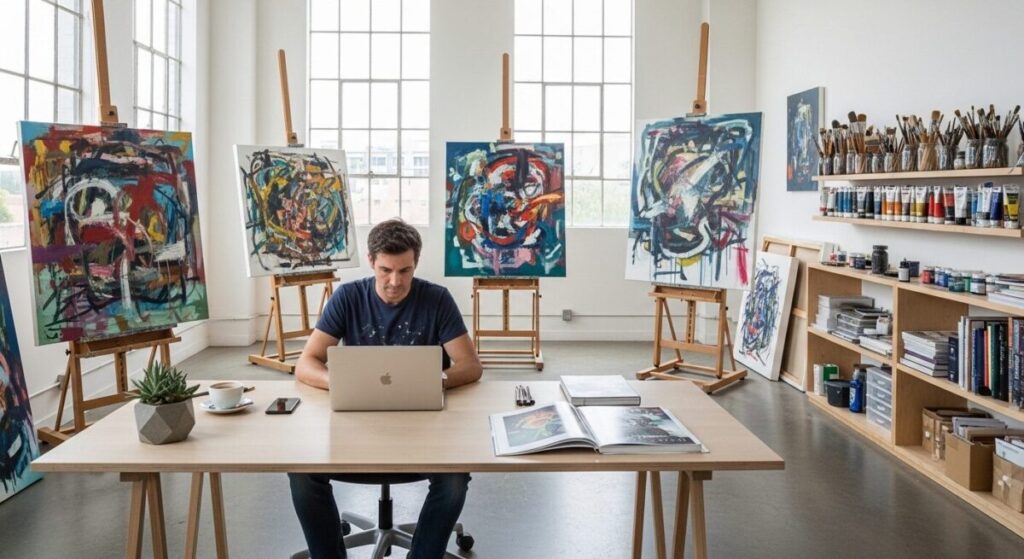
The journey from a blank canvas to a celebrated masterpiece often happens in the quiet of a studio. But the journey from a finished painting to a paying customer or a gallery show is a whole different beast. It’s the part of the process that many artists find intimidating. You’re a creator, not a marketer, right? Well, in today’s world, you have to be both. The good news is, you don’t need to spend a fortune or have a degree in marketing. You just need a smart plan.
Think of your art career as a garden. You’ve planted the seeds (your talent), you’ve watered them (your practice), and now you have beautiful flowers (your paintings). But to sell those flowers, you need to set up a stand where people can see them. That stand is your online presence. And just like a good gardener, a smart artist knows which tools to use.
The Foundation: Your Artist Statement and Digital Home
Before you can get the word out, you need to know what you’re saying. Your artist statement is like your art’s resume. It’s a short, powerful paragraph that explains who you are, what you make, and why you make it. It helps people connect with your work on a deeper level. Without it, your paintings are just beautiful things. With it, they tell a story.
Once you have your story down, you need a home for your art on the internet. Your website is your virtual gallery, open 24/7. It’s the one place you own online, unlike social media platforms, which can change their rules at any time.
Essential Website Elements:
- Clean, easy navigation
- High-quality images of your best work
- Clear “About” page with your artist statement
- Contact information
- Professional domain name
Make sure your website showcases your contemporary art in the best possible light. This is your professional hub where everything you do online should lead back to.

Building Your Thought Leadership Through Content
One of the most powerful ways to achieve modern painter recognition is to share your knowledge. This is where blogging comes in. Don’t think of it as just writing words; think of it as another way to create. You can write about your creative process, the challenges you face, or the artists who inspire you. This builds a connection with your audience and proves your expertise.
For example, you could write a post about your painting techniques for beginners or discuss why you choose certain materials over others. This kind of content helps search engines like Google understand what you do. When someone searches for art-related topics, your article might show up, bringing new eyes to your work.
“Being good in business is the most fascinating kind of art. Making money is art and working is art and good business is the best art.”
Andy Warhol
This quote perfectly captures the modern artist’s reality. Marketing your art is part of the creative process, not separate from it.
Mastering Social Media for Artists
Social media is a huge part of building an art career today. It’s where you can connect with people directly and show a behind-the-scenes look at your life as an artist. Use platforms like Instagram, TikTok, and Pinterest to share photos and videos of your work.
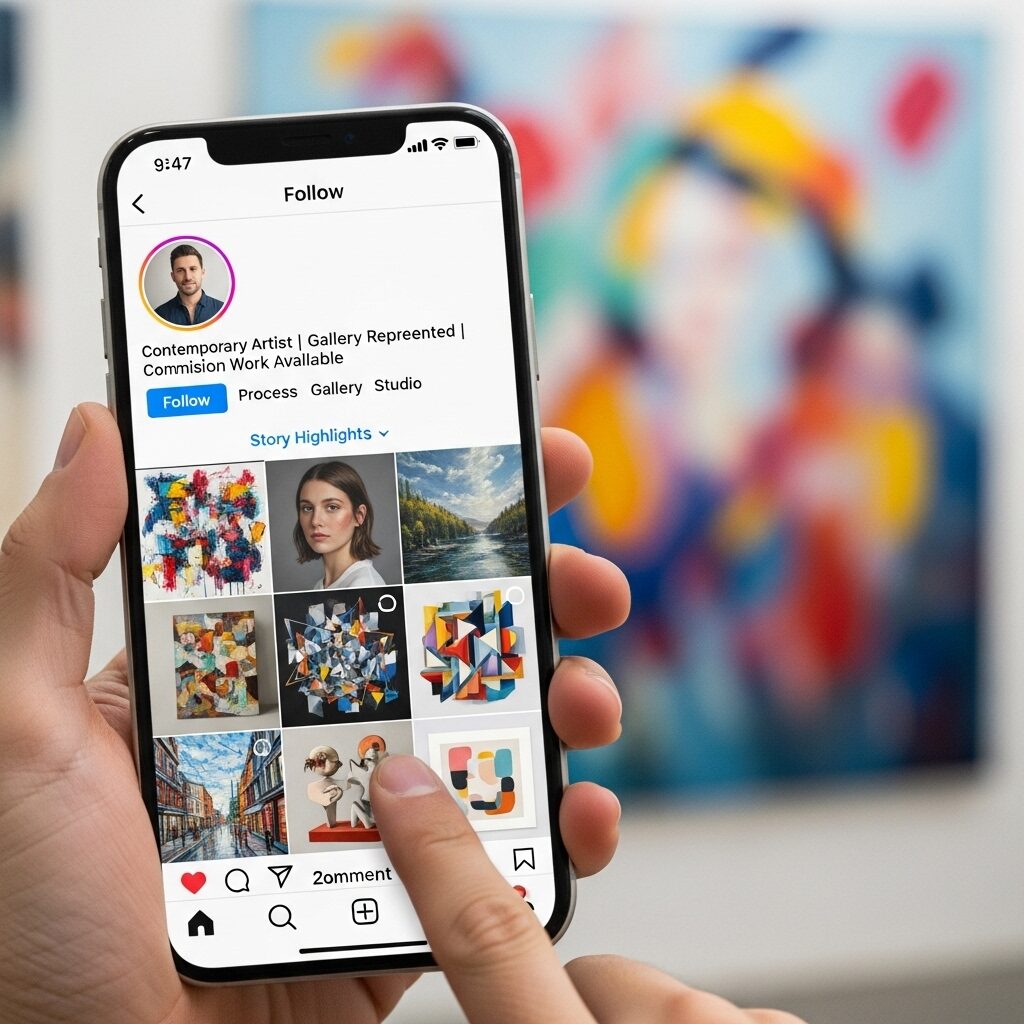
| Platform | Best For | Content Type | Posting Frequency |
|---|---|---|---|
| Showcasing finished pieces | High-quality photos, Stories | Daily stories, 3-4 posts/week | |
| TikTok | Process videos | Time-lapse painting, tutorials | 3-5 times/week |
| Reaching art buyers | Professional portfolio shots | 5-10 pins/day | |
| YouTube | Long-form content | Tutorials, artist talks | 1-2 videos/month |
An engaging YouTube video can be a game-changer. Imagine creating a time-lapse video of you painting a piece from start to finish. People love to see the magic happen.
The Art of Networking and Collaboration
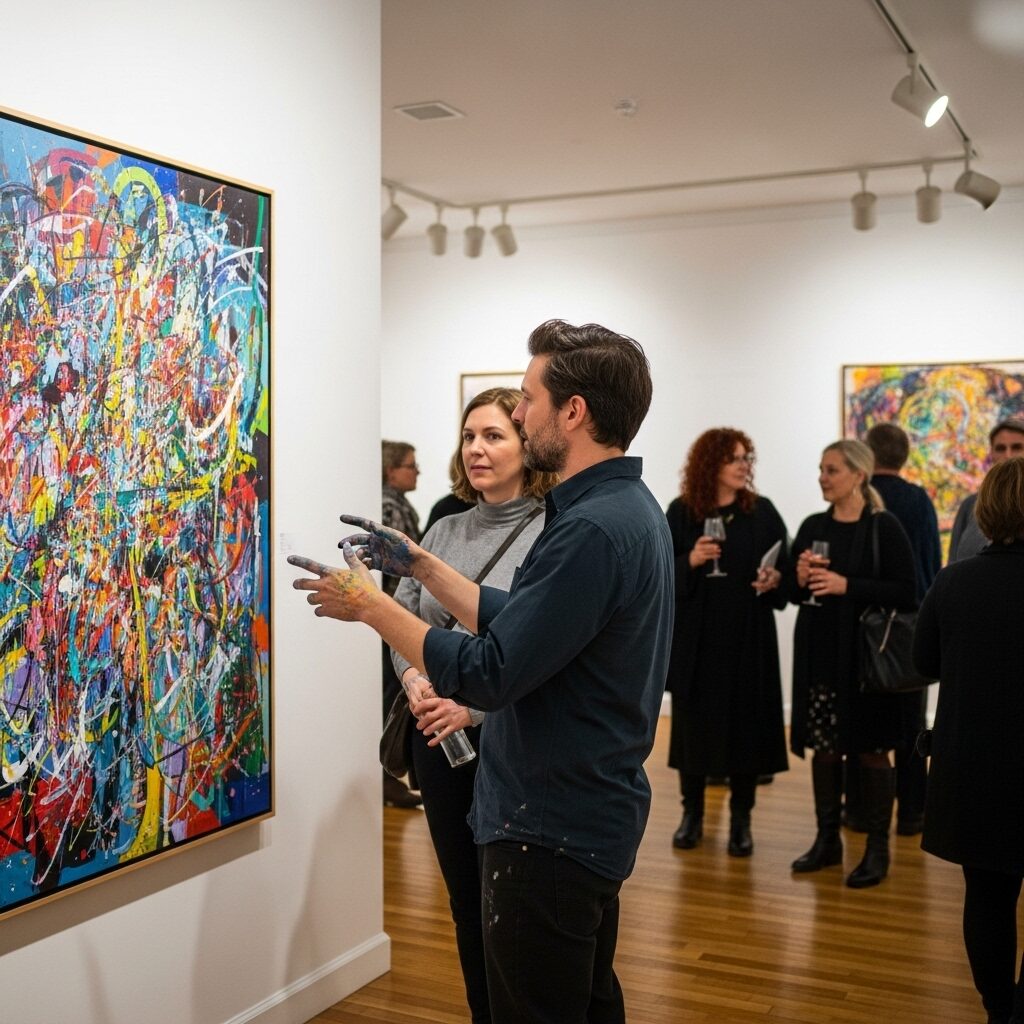
It’s not just about what you do, but who you do it with. Collaborating with other artists or partnering with local art supply stores can expand your reach. Offer to do a live painting demonstration at their shop. It’s a win-win: they get a fun event, and you get to showcase your skills to a new audience.
You can also reach out to art bloggers or curators. When you approach them, don’t just say, “Look at my art!” Instead, offer them value. For example: “I noticed your blog post on contemporary art trends and thought my painting series, which explores similar themes, might interest your readers.”
Building relationships in the art community opens doors that self-promotion alone cannot. Attend gallery openings, join online art groups, and participate in local art events. The more genuine connections you make, the wider your network becomes.
Selling Your Art Online
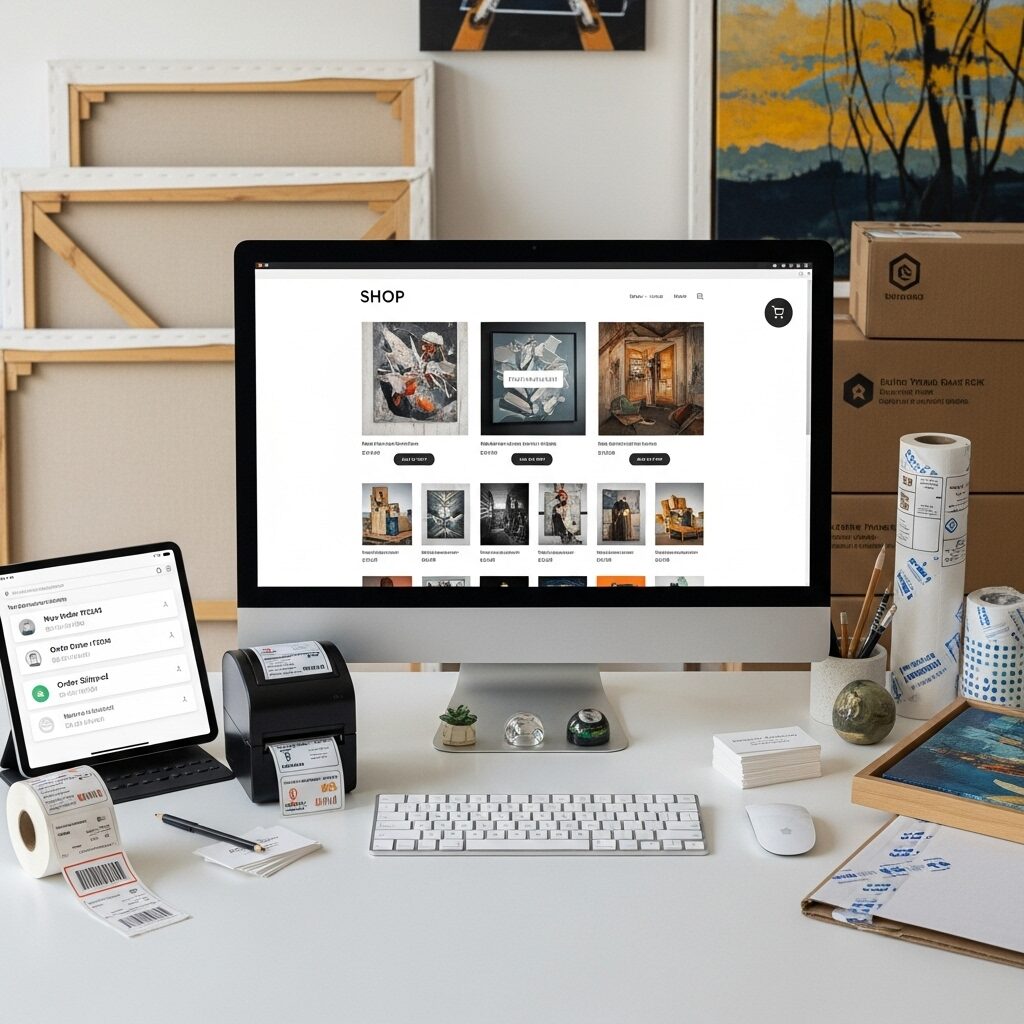
Your website can become a powerful storefront. Many successful artists sell directly to collectors through their websites, keeping more profit than they would through galleries. However, gallery representation still provides valuable exposure and validation.
Online Selling Essentials:
- High-quality product photos from multiple angles
- Detailed descriptions including size, medium, and inspiration
- Secure payment processing
- Clear shipping and return policies
- Professional packaging and presentation
Consider offering both original paintings and prints to reach different price points. This strategy helps emerging painters build their collector base while generating steady income.
Tracking Your Progress
Success in achieving modern painter recognition doesn’t happen overnight. Track your progress with measurable goals:
| Activity | Monthly Goal | Track This |
|---|---|---|
| Blog Posts | 2-4 posts | Views, comments, shares |
| Social Media | 10% follower growth | Engagement rate, reach |
| Website Traffic | 20% increase | Unique visitors, time on site |
| Email List | 25+ new subscribers | Open rates, click-through rates |
These metrics help you understand what’s working and what needs adjustment in your art marketing strategy.
Learning from Success Stories
Study how established contemporary artists built their careers. Many started exactly where you are now, posting their work online and slowly building their audience.
Understanding different art styles can also help you position your work within the broader art world context. This knowledge helps you communicate more effectively about your art and connect with the right collectors.
Conclusion

The path to modern painter recognition is built on a foundation of hard work, smart marketing, and genuine passion for your craft. Don’t be afraid to put yourself out there—your art deserves to be seen. Start with a strong artist statement, build a professional website, engage authentically on social media, and create valuable content that showcases your expertise.
Remember, every successful artist started somewhere. The difference between those who achieve recognition and those who don’t often comes down to consistency and willingness to embrace both the creative and business sides of art. If you need guidance on boosting your creativity or want to deepen your understanding of art history for beginners, there are resources available to support your journey.
Your unique vision and artistic voice matter. With the right strategy and persistent effort, you can transform from an unknown artist into a recognized name in the contemporary art world.
Frequently Asked Questions
How do I get my art noticed online? Start by building a professional website to showcase your work. Use social media platforms strategically, create valuable content about your process, and engage with the art community online. Consistency is key to building recognition over time.
What is an artist statement and why is it important? An artist statement is a brief description of your work, artistic philosophy, and creative process. It’s crucial because it helps viewers understand and connect with your art on a deeper level, turning casual observers into engaged fans and potential buyers.
Should I sell my art through galleries or my own website? The best approach is to do both. Selling through your website gives you higher profit margins and direct customer relationships, while gallery representation provides credibility and exposure to serious collectors. Think of them as complementary strategies.
How can I build a community around my art? Engage authentically on social media by responding to comments and asking questions. Share your creative process, collaborate with other artists, teach workshops, and participate in local art events. Building genuine relationships takes time but creates lasting support.
Is it worth using social media to promote my art? Absolutely. Social media platforms like Instagram and TikTok are essential tools for modern artists. They allow you to showcase your work, share your creative process, and connect directly with potential collectors and fans worldwide.
Additional Resources
- SEO for Artists: Complete Visibility Guide – Comprehensive guide to improving your online visibility
- Artwork Archive SEO Tips – Specific SEO strategies for artists
- Artist Keywords Research Tool – 450+ SEO keywords for artists
- Base Coat Marketing SEO Guide – Definitive SEO guide for painters
- WordStream Keyword Difficulty Guide – Understanding keyword competition
For more insights on developing your artistic practice, explore our guides on different types of artwork painting and learn about our mission to support artists in their creative journey.