Summary: Are you paralyzed by the fear of making a mistake on canvas? The biggest art trend of 2026 is the complete rejection of perfection. This post explores the rise of naïve art, tactile textures, and intentional imperfection. You will learn exactly why the art world is craving visible human effort and how you can break free from perfectionism to start painting with raw, authentic joy today.
You stare at the blank canvas. Your brush hovers in the air, paralyzed by the fear of making a mistake. We have all been there. But what if getting it wrong is actually the secret to making it beautiful?
Welcome to the messy middle of human creativity. In a world saturated with flawless digital images, perfection has become entirely boring. The most exciting movement happening right now celebrates the exact opposite.
We are seeing a massive return to the human hand. People do not want algorithmic polish anymore. They want to see your smudges, your wonky lines, and your undeniable physical effort. It is time to drop the intimidation and pick up the joy.
What Is Intentional Imperfection in Art?
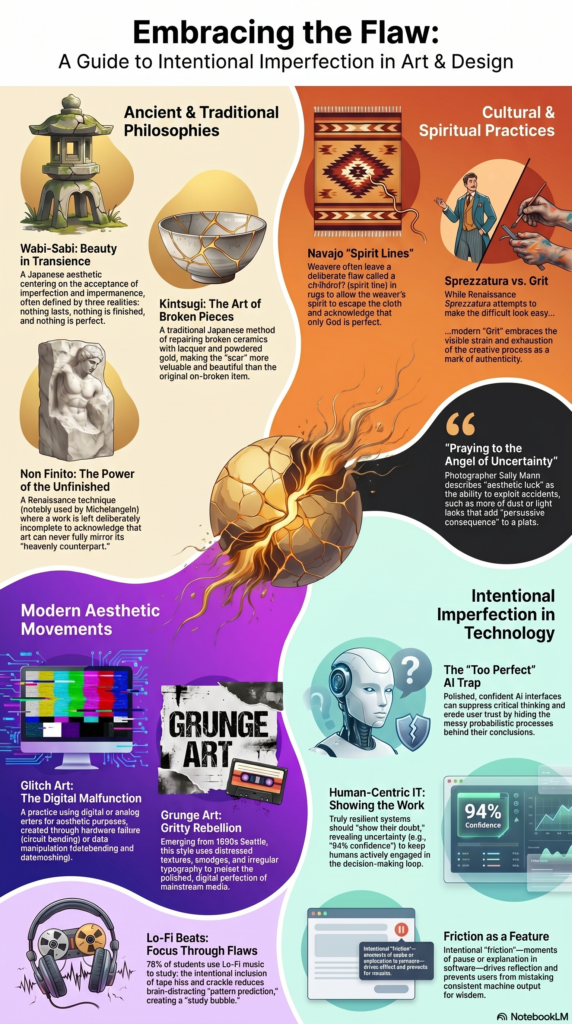
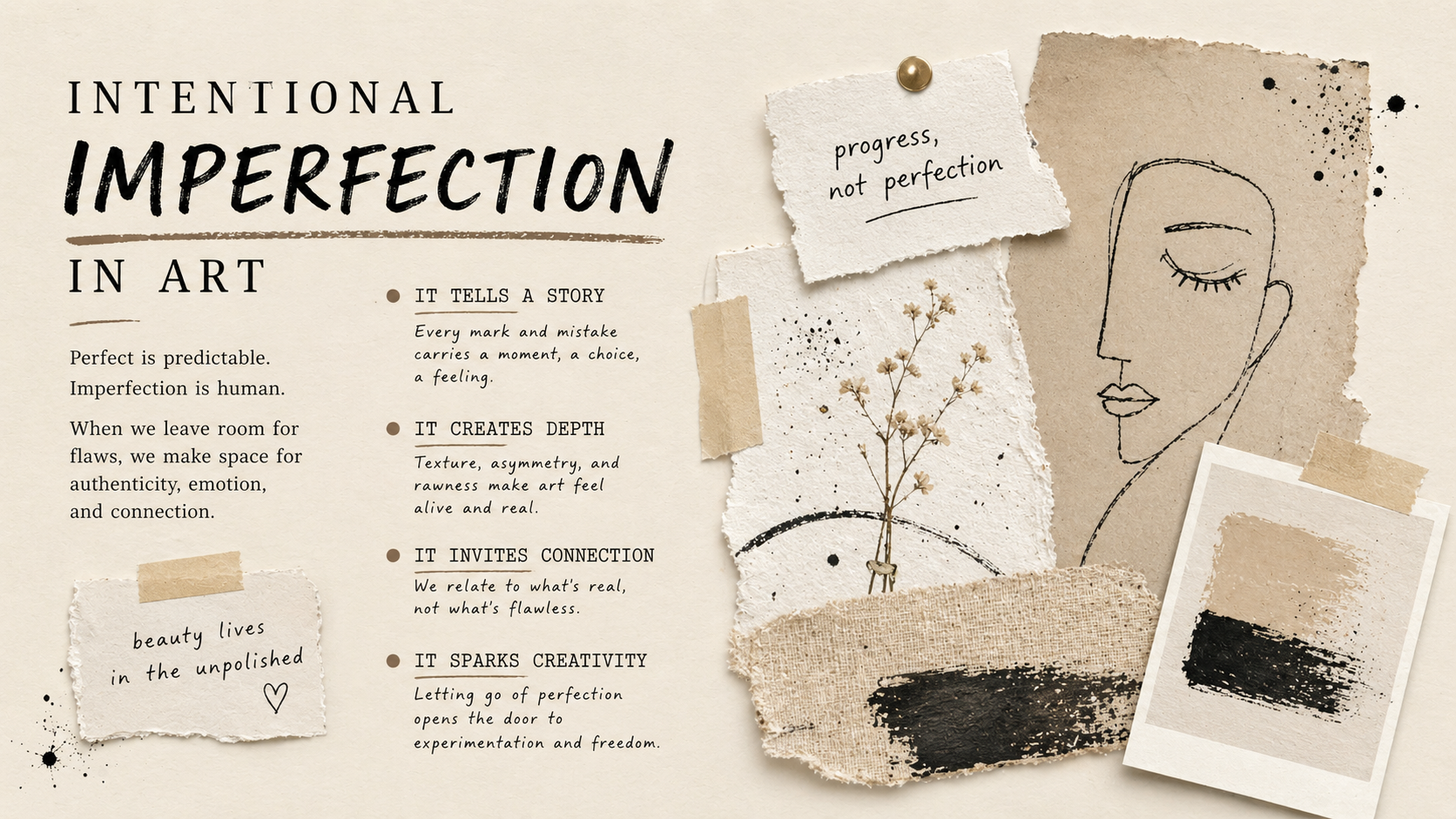
Intentional imperfection is an artistic movement that deliberately embraces awkward proportions, visible mistakes, and rough textures. Instead of striving for photorealism or seamless execution, artists intentionally leave traces of their human process to create work that feels authentic.
It is the visual equivalent of a handwritten letter. The smudged ink tells a story. When you stop worrying about fixing painting mistakes, you free yourself to capture raw emotion.
This approach strips away the intimidation. It invites you to participate simply for the joy of creating.
Why Is Naïve Art Taking Over in 2026?
Naïve art is taking over in 2026 as a direct cultural rebellion against flawless, computer-generated imagery. Collectors and creators are experiencing severe algorithmic fatigue, driving a massive shift toward paintings that display visible humanity and undeniable physical effort.
The industry is watching this happen in real time. Maddox Gallery reports that collectors are actively rejecting AI perfection in favor of works marked by intuition and risk. They want to see the artist’s hand.
Consider the wildly successful American painter Robert Nava. He deliberately ignores academic rules. Instead, Nava builds his massive creatures with visible revisions and awkward angles that carry massive energy.
Then look at British artist David Shrigley. His iconic work uses deliberately crude aesthetics and handwritten text to disarm the viewer. He proves that profound truths do not need to arrive wrapped in academic pretension.
Tactile Textures Over Digital Perfection
We are tired of touching flat glass screens. Our eyes and hands crave texture. This physical yearning is drastically changing how we value physical art.
Designers across the globe are noting this shift. Envato recently highlighted that the 2026 creative industry is pivoting toward tactile textures and visible brush marks to remind us of genuine human craftsmanship.
This means your thick impasto layers are highly desirable. The puffiness of your paint matters. These physical elements prove that a human being stood in front of a canvas and labored over a surface.
If you want to explore this freedom, incorporating basic abstract painting techniques is a perfect starting point. You can layer materials to build a rugged surface that invites touch.
How Can Beginners Practice Letting Go?
You can practice letting go by temporarily abandoning your dominant hand and intentionally using the wrong tools. This forces you to surrender control, breaks your perfectionist habits, and helps you discover fresh marks you would never normally make.
Try the wrong-hand challenge tonight. Pick up your brush with your non-dominant hand. You will instantly feel like a clumsy beginner again.
This clumsiness is brilliant. It completely short-circuits your brain’s desire for a flawless outcome. Your lines will jitter and shake.
Embrace that physical wobble. This exercise is deeply tied to developing your unique art style. Your authentic voice often lives in those unexpected, uncontrolled moments.
Democratizing the Masterpiece
The art world is finally recognizing the power of the amateur. We are moving away from sterile galleries and elite gatekeepers. The focus has returned to the fundamental reason why art matters: human connection.
You do not need a fine art degree to participate in this movement. Backed by over a decade of teaching experience, Olly Farmer has witnessed firsthand how letting go of expectations makes painting accessible and therapeutic for everyone. Your quiet triumphs at the kitchen table are incredibly valuable.
Every uneven circle you draw is a victory. Every mismatched color is a declaration of your humanity. This is ultimately what makes a good abstract painting resonate with an audience.
Pick up your brush today and make a glorious mess. Let the paint drip. Leave the smudges alone.
Conclusion
The pressure is officially off. The defining art trend of 2026 gives you complete permission to be gloriously imperfect. Your messy lines and awkward shapes are no longer mistakes; they are the exact qualities that make your work authentic and highly sought after. Stop trying to paint like a machine. Celebrate the undeniable power of your human hand. Pick up your brush, make a mess, and enjoy the profound freedom of letting go.
Frequently Asked Questions
What defines the naive art trend? Naïve art prioritizes raw emotion and simple execution over formal technical skill. It features loose lines, flat perspectives, and childlike shapes. This style intentionally rejects traditional academic rules to create highly personal and direct artwork.
Why is imperfection popular in 2026? People are exhausted by the flawless and sterile nature of digital and AI-generated imagery. Imperfection proves that a real human being created the work. Collectors and everyday viewers now crave the warmth and authenticity of visible brushstrokes.
Who are some famous artists using intentional imperfection? Contemporary artists like Robert Nava, David Shrigley, and Iván Montaña are famous for this style. They embrace awkward proportions and visible mistakes to give their pieces immediate energy. Their work proves that art does not need to be polished to be profound.
How can I stop being a perfectionist when painting? Start by painting with your non-dominant hand to force a loss of control. You can also set a strict time limit for your painting sessions. These constraints prevent you from overworking the canvas and help you accept rough outcomes.
Does texture matter in painting? Yes, tactile texture is incredibly important right now. Thick paint, rough surfaces, and mixed media layers create a physical presence that flat digital images simply cannot replicate. Texture invites the viewer to experience the artwork on a physical level.