Have you ever looked at a painting or sculpture and felt your eyes naturally move from one point to another, almost as if following an invisible beat? That feeling, that visual journey, is the magic of rhythm in art. Just like music has a beat and a flow, art uses rhythm to create a sense of movement, energy, and harmony that brings artwork to life.
Key Points:
- Rhythm in art creates organized movement through repetition of visual elements
- Five main types: regular, flowing, alternating, progressive, and random rhythm
- Artists use lines, shapes, colors, and textures to establish visual beats
- Rhythm guides the viewer’s eye and creates unity in composition
- Found in all art forms including painting, sculpture, and architecture
What Exactly is Rhythm in Art? Understanding the Core Concept
At its heart, rhythm in art refers to the repetition of elements like lines, shapes, colors, or forms that create a sense of organized movement and visual flow. It’s one of the fundamental principles of design that transforms a static image into a dynamic experience.
Think about a drumbeat – ‘tap-tap-tap.’ Each ‘tap’ is a repeated sound, creating a steady rhythm. In visual art, instead of sounds, we repeat visual ‘beats’ like lines, shapes, colors, or textures. This repetition isn’t random; it’s carefully organized to create a feeling of movement or establish a pattern that your eye can follow.
The main goal of rhythm in art is to lead your eye through the artwork, almost like a path guiding you on a journey. It prevents the piece from feeling stagnant or boring. When elements are repeated with a consistent pace or pattern, they create a sense of unity and harmony, making the entire composition feel connected and alive. Understanding this principle is essential for anyone learning about composition and design principles.
The Five Types of Rhythm in Visual Art
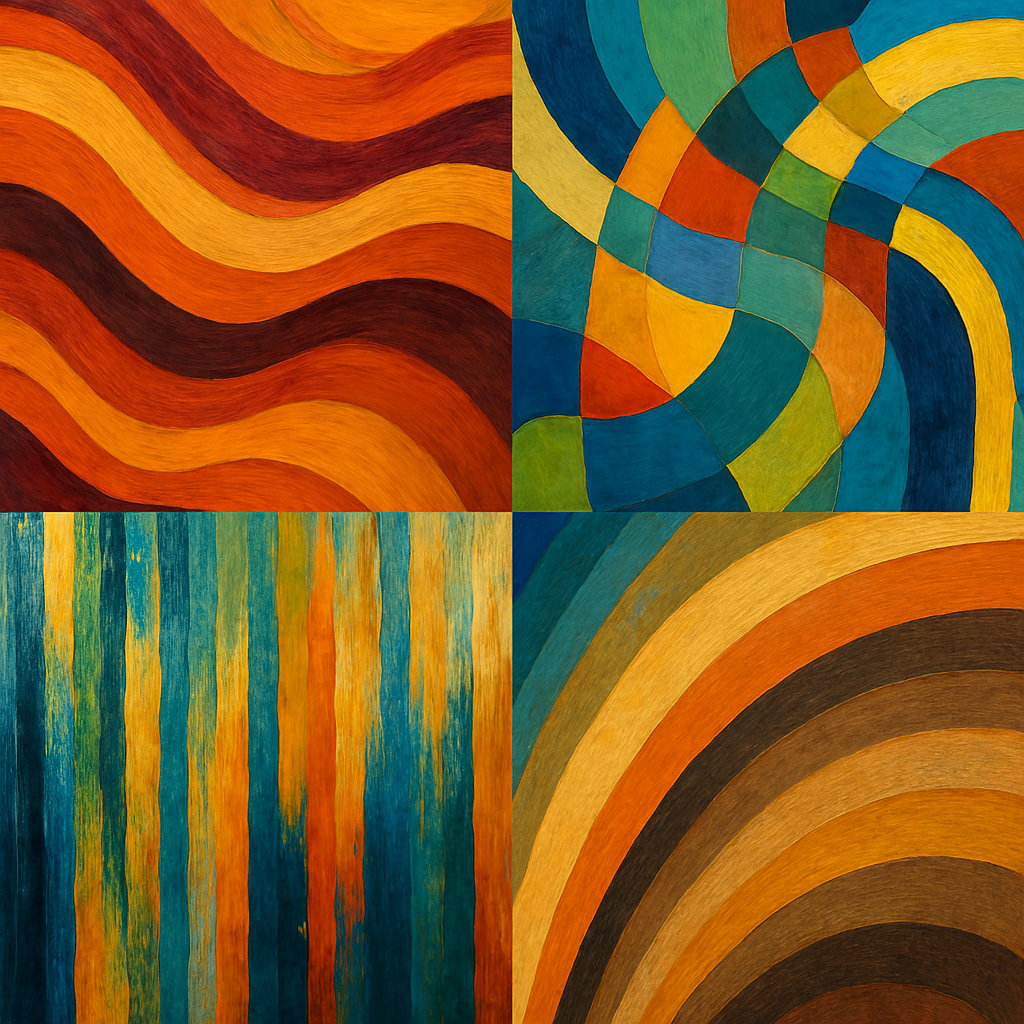
Artists have developed several distinct approaches to creating rhythm, each producing different visual effects and emotional responses. Let’s explore the five main categories that every artist should understand.
| Type of Rhythm | Characteristics | Visual Impact/Feeling |
|---|---|---|
| Regular Rhythm | Consistent, predictable repetition of elements with equal spacing | Creates stability, formality, and a sense of order. Think of marching soldiers or a row of identical bricks |
| Flowing Rhythm | Smooth, continuous, organic repetition, often with curved lines and natural forms | Evokes a sense of natural movement, grace, and fluidity. Common in landscapes, water, or flowing fabric |
| Alternating Rhythm | Two or more different elements are repeated in a sequential order | Adds variety and visual interest while maintaining order. Think of a checkerboard pattern (light, dark, light, dark) |
| Progressive Rhythm | Repetition of an element that changes in size, color, shape, or spacing as it repeats | Creates a sense of growth, sequence, or gradual transformation. Guides the eye from small to large, dark to light |
| Random Rhythm | Elements are repeated without a specific order or pattern, often appearing chaotic but still connected | Can create excitement, spontaneity, or a natural, uncontrolled feel. Found in scattered leaves or a bustling crowd |
Regular Rhythm: Order and Stability
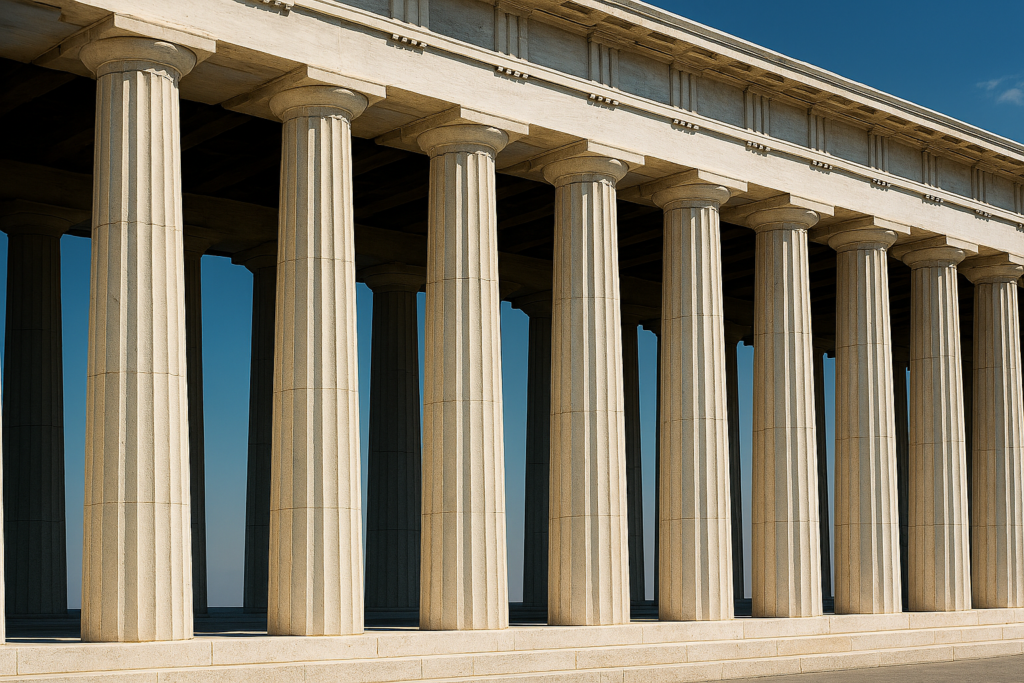
Regular rhythm is the most straightforward type, featuring identical elements repeated at consistent intervals. You’ll see this in architectural details like columns on a Greek temple, windows on a building facade, or fence posts along a road. This type of rhythm creates a sense of predictability and order that can feel calming or formal.
Flowing Rhythm: Natural Grace
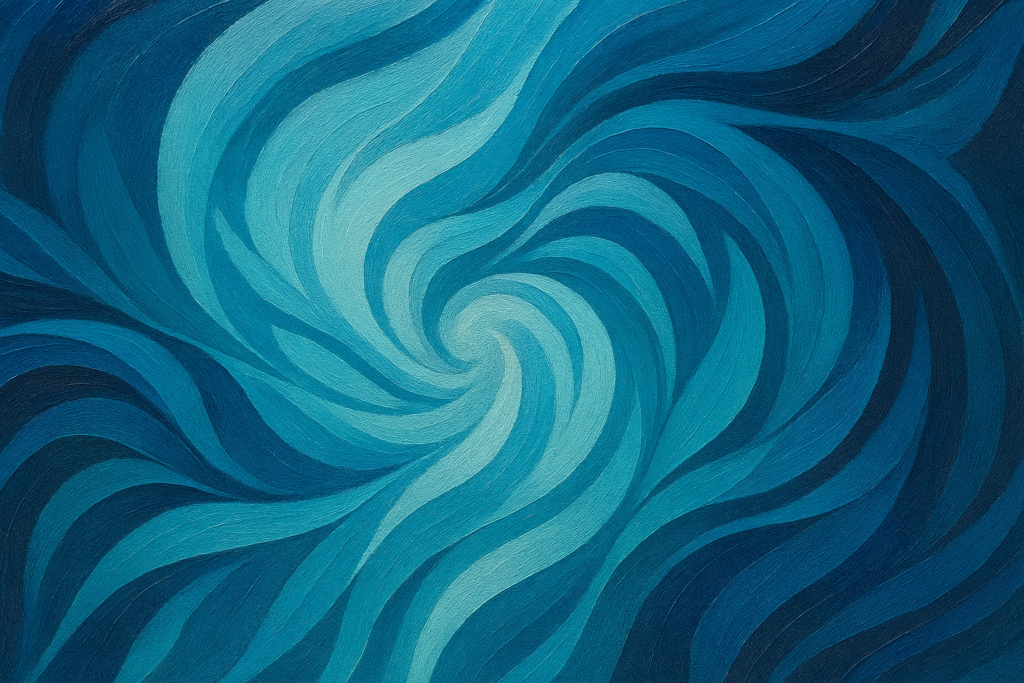
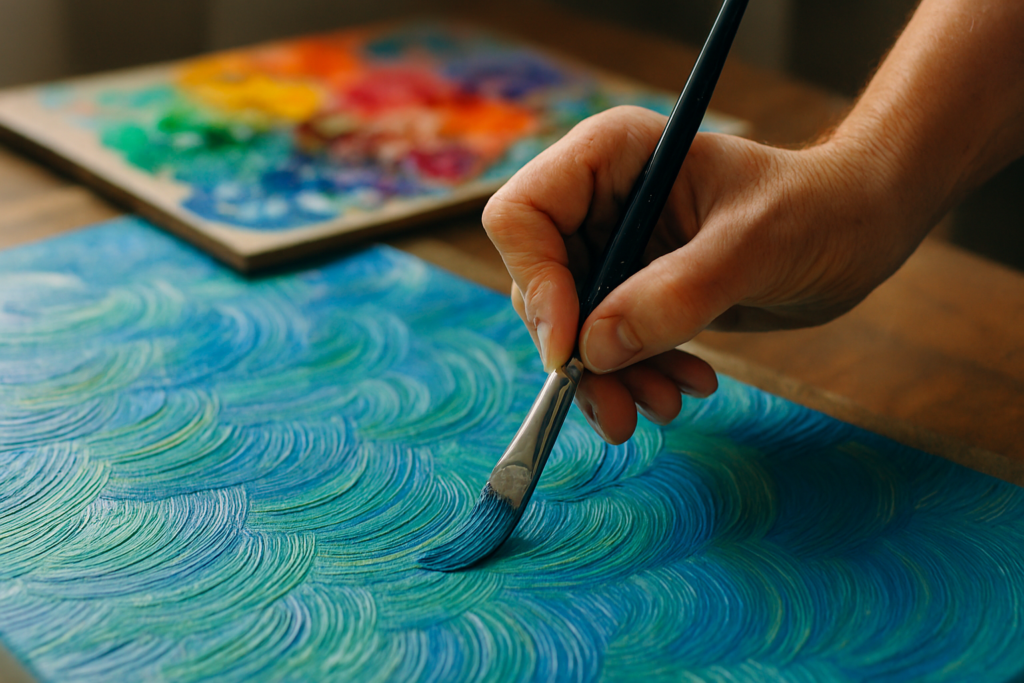
Flowing rhythm mimics the organic movements found in nature. Think of waves rolling onto a shore, vines climbing a wall, or the swirling patterns in clouds. Artists create this rhythm using curved lines and gradual transitions that guide the eye in smooth, continuous movements. This technique works beautifully in painting styles that emphasize natural forms.
Alternating Rhythm: Dynamic Variation
Alternating rhythm introduces variety while maintaining structure. It’s like the “ABABAB” pattern you learned in school – two or more different elements taking turns. A checkerboard is a classic example, but artists use this principle in more sophisticated ways, alternating colors, shapes, or textures to keep your eye engaged without overwhelming you.
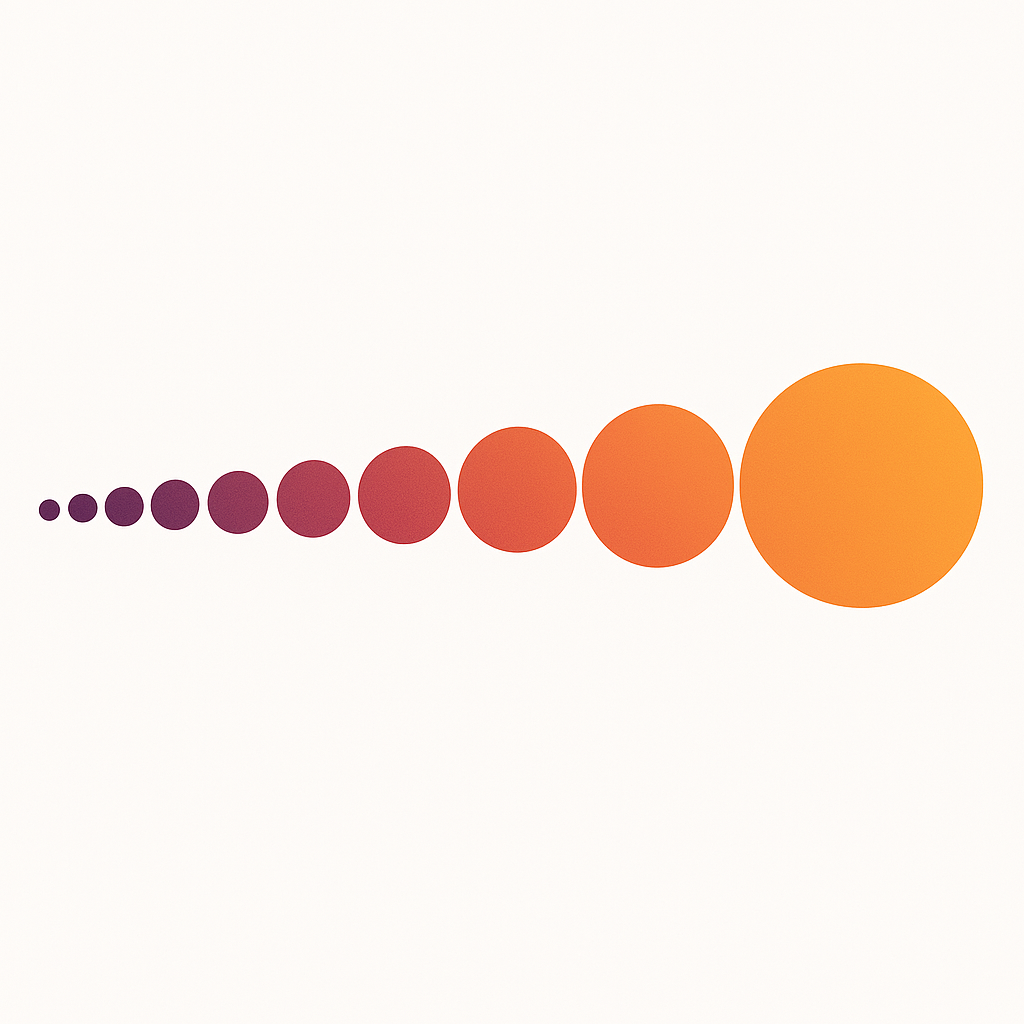
Progressive Rhythm: Evolution and Movement
Progressive rhythm takes you on a journey of transformation. Elements repeat but gradually change in size, color, intensity, or spacing. Imagine circles that start small and grow larger, or a color that gradually shifts from light to dark. This creates a sense of direction and development that can feel dynamic and exciting.
Random Rhythm: Controlled Chaos
Don’t let the name fool you – random rhythm isn’t truly chaotic. It features repeated elements scattered without obvious order, like leaves on a tree or stars in the night sky. While it appears spontaneous, artists carefully control the overall distribution to maintain visual interest and connection between elements.
The Artist’s Toolkit: Creating Visual Rhythm Through Design Elements
Artists are master manipulators of visual elements to achieve rhythm. They use core building blocks like line, shape, form, color, and texture, combined with thoughtful design strategies. Understanding these techniques reveals the ‘how-to’ behind the visual flow we experience in great artwork.
Repetition: The Foundation of Rhythm
The most straightforward way to create rhythm is through repetition. Repeating lines, shapes, or colors at consistent intervals establishes a clear visual beat. For instance, a series of identical windows on a building creates regular rhythm. A pattern of brushstrokes repeated across a canvas creates texture and movement. However, repetition isn’t just about sameness – the magic happens when artists understand how to balance repetition with variation.
Variation: Keeping It Interesting
If everything were exactly the same, it would become monotonous. Artists introduce slight changes in size, color intensity, or spacing to keep your eye moving and engaged. This is where understanding color theory becomes crucial – varying color temperature or intensity while repeating shapes can create sophisticated rhythmic effects.
Contrast: Adding Dynamic Energy
Contrast plays a vital role in creating dynamic rhythm. Alternating between light and dark shapes, thick and thin lines, or warm and cool colors creates a rhythm that catches attention and guides the viewer’s eye. This technique is fundamental to creating emphasis and maintaining visual interest throughout a composition.
Lines: The Direct Path to Movement
Lines are perhaps the most direct way to create movement and rhythm. Curved lines often suggest flowing rhythm, while jagged or broken lines imply a more staccato or energetic beat. The direction of lines – horizontal, vertical, or diagonal – also plays a crucial role in establishing a visual path and contributing to the overall rhythm. Artists developing their painting techniques quickly learn how different line qualities create different rhythmic effects.
Shape and Form: Building Rhythmic Patterns
Repeated shapes create strong rhythmic patterns in composition. Circles, squares, triangles, and organic forms can all be repeated to establish visual beats. The spacing between shapes affects the rhythm’s tempo – closer together feels faster and more intense, while wider spacing creates a slower, more relaxed rhythm.
Rhythm in Action: Iconic Artworks and Their Rhythmic Secrets
To truly grasp rhythm in art, it helps to see it in famous works. Artists throughout history, from ancient sculptors to modern painters, have expertly used rhythm to breathe life into their creations. Analyzing these masterpieces reveals how rhythm functions in real-world applications.
Van Gogh’s “The Starry Night”: Flowing Rhythm Personified
Consider Vincent van Gogh’s iconic “The Starry Night.” The swirling brushstrokes and repetitive, curving lines in the sky create an incredibly powerful flowing rhythm. Your eye is drawn through the night sky, moving with the celestial bodies and following the dramatic cypress tree. The rhythm mimics the emotional intensity and movement Van Gogh felt, transforming the night sky into a turbulent sea of energy and emotion.
The painting demonstrates how flowing rhythm can convey psychological states and emotional experiences. Every curved line, every swirl in the sky contributes to an overall sense of movement that makes the entire painting feel alive and pulsating with energy.
Bridget Riley’s Op Art: Regular and Alternating Rhythms
For a more stark example, look at Op Art, particularly the works of Bridget Riley. Her paintings, like “Current,” use precise regular and alternating rhythms of lines and shapes to create optical illusions of movement and vibration. The strict repetition creates a hypnotic, pulsating effect that can make you feel almost dizzy. These works demonstrate how different art movements employ rhythm to achieve specific visual effects.
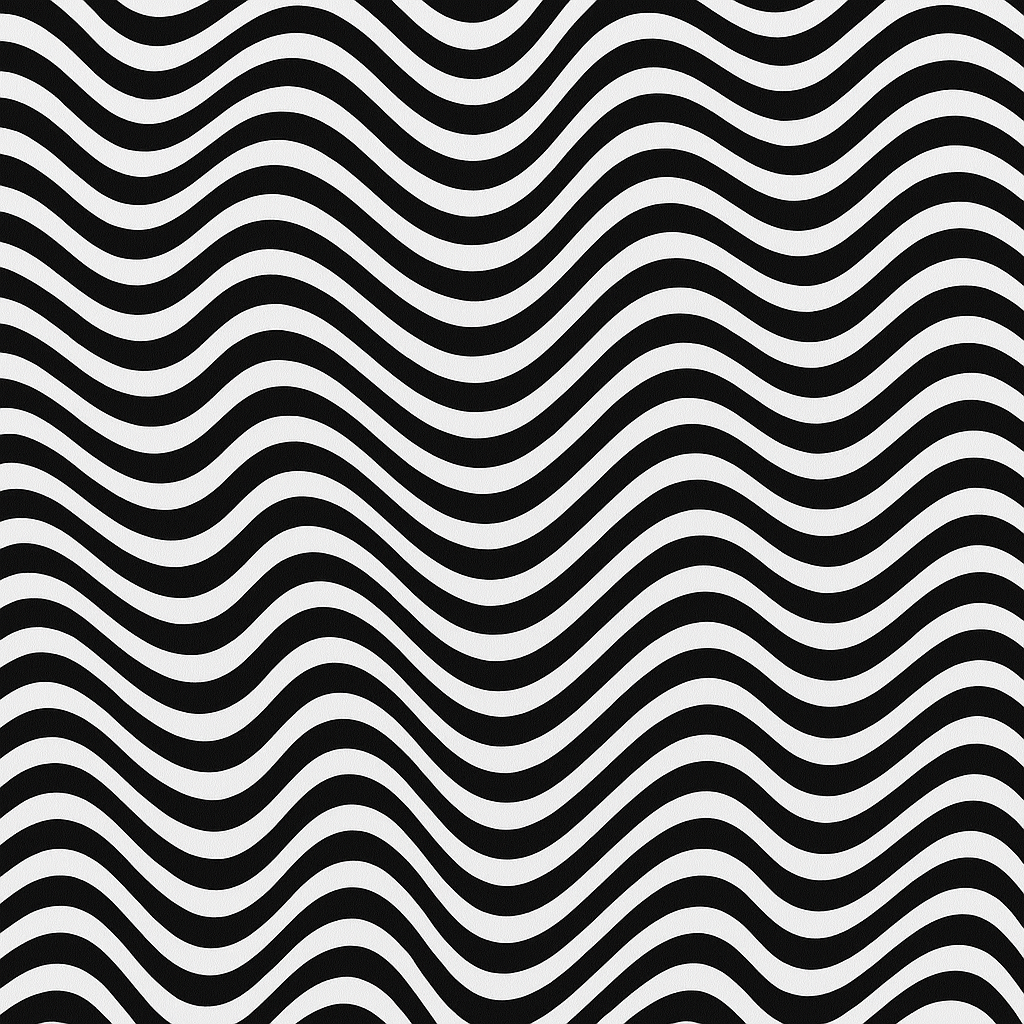
The mathematical precision in Riley’s work shows how regular rhythm, when pushed to extremes, can create unexpected visual phenomena. Each repeated element contributes to an overall effect that’s greater than the sum of its parts.
The Parthenon: Architectural Rhythm
Even in architecture, rhythm is paramount. The repeating columns of a Greek temple, like the Parthenon, exemplify regular rhythm at its finest. The consistent spacing and identical forms of the columns create a sense of order, stability, and grand procession. Your eye naturally moves along the building’s facade, guided by the rhythmic repetition of these architectural elements.
This ancient example demonstrates that rhythm in art isn’t just a modern concept – artists and builders have understood its power for thousands of years. The Parthenon’s rhythm contributes to its sense of harmony and proportion, principles that continue to influence architecture today.
Monet’s Water Lilies: Organic Random Rhythm
Claude Monet’s Water Lilies series demonstrates random rhythm through the scattered placement of lily pads across the water’s surface. While their positioning appears spontaneous and natural, Monet carefully controlled their distribution to create visual balance and guide the viewer’s eye across the canvas. This approach connects with broader Impressionist painting techniques that emphasized capturing natural light and organic forms.
How to Create Rhythm in Your Own Artwork
Now that you understand rhythm in art, how can you apply it to your own creative work? Whether you’re working with acrylic painting methods, watercolors, or digital media, these principles remain constant.
Start with Simple Repetition
Begin by choosing one element – a shape, line, or color – and repeat it across your composition. Notice how even simple repetition creates a visual connection between areas of your artwork. This is the foundation of rhythm.
Vary Your Intervals
Experiment with the spacing between repeated elements. Closer spacing creates faster, more energetic rhythm. Wider spacing feels calmer and more contemplative. Play with both to see what emotional effect resonates with your artistic vision.
Mix Your Rhythm Types
Don’t limit yourself to just one type of rhythm. The most compelling artworks often combine multiple rhythmic approaches. You might use regular rhythm in one area to create stability, then introduce flowing rhythm elsewhere to add movement and energy.
Consider Scale and Proportion
The size of your repeated elements matters. Progressive rhythm naturally incorporates scale changes, but even in regular rhythm, the size of elements affects the overall impact. Larger repeated elements create bolder, more dramatic rhythms, while smaller elements can feel more delicate and intricate.
Study the Masters
One of the best ways to understand rhythm is to analyze works by established artists. When you visit a museum or browse different art types and styles, actively look for rhythmic patterns. Ask yourself:
- What elements are repeated?
- How does the spacing change?
- Where does my eye travel?
- What type of rhythm is being used?
“Rhythm is one of the principal translators between dream and reality.”
Edith Sitwell
Rhythm and Other Design Principles: Working Together
While rhythm is powerful on its own, it becomes even more effective when working in harmony with other design principles. Understanding how rhythm interacts with balance, emphasis, contrast, and unity helps you create more sophisticated compositions.
Rhythm and Balance
Rhythm can help establish balance in your composition. Regular rhythm naturally creates symmetrical balance, while alternating or random rhythms can contribute to asymmetrical balance. The repeated elements act as visual weights distributed across your composition.
Rhythm and Emphasis
You can use rhythm to lead viewers toward your focal point. Progressive rhythm is particularly effective for this – gradually changing elements can point toward and emphasize your main subject. Breaking a rhythm can also create emphasis by making something stand out through contrast.
Rhythm and Unity
Rhythm is one of the strongest tools for creating unity in artwork. When elements repeat throughout a composition, they create visual connections that tie everything together. This sense of cohesion makes your artwork feel complete and intentional rather than random or fragmented.
Common Mistakes When Creating Rhythm
Even experienced artists sometimes struggle with rhythm. Being aware of common pitfalls helps you avoid them in your own work.
Over-Repetition Without Variation
Pure repetition without any variation quickly becomes boring. Even regular rhythm benefits from subtle changes in color intensity, slight size variations, or shifts in spacing. Remember that variety keeps viewers engaged.
Inconsistent Intervals
When your spacing between repeated elements is inconsistent unintentionally, it can disrupt the rhythm and create visual confusion. If you’re aiming for regular rhythm, maintain consistent spacing. If you want variation, make it deliberate and purposeful.
Ignoring the Edges
Rhythm shouldn’t just stop at the edges of your composition. Consider how your rhythmic elements interact with the frame. Do they lead the eye off the canvas in a jarring way, or do they resolve naturally?
Conflicting Rhythms
Having multiple competing rhythms without a clear hierarchy can create visual chaos. If you use multiple types of rhythm, make sure one is dominant, with others playing supporting roles. This creates harmony rather than confusion.
The Psychology of Rhythm in Art
Understanding why rhythm affects us so powerfully adds another dimension to appreciating and creating art. Rhythm taps into fundamental aspects of human perception and psychology.
Natural Rhythms We Experience
Humans are surrounded by rhythm – our heartbeat, breathing, walking pace, and even the cycles of day and night. Visual rhythm in art resonates with these innate experiences, making artwork feel familiar and engaging at a subconscious level.
Rhythm and Emotion
Different types of rhythm evoke different emotional responses. Fast, staccato rhythms can feel energetic or chaotic. Slow, flowing rhythms often feel calm or meditative. Progressive rhythms can create anticipation or excitement. Artists manipulate these associations to enhance the emotional impact of their work.
The Eye Seeks Patterns
Our brains are wired to recognize patterns and predict what comes next. When artwork establishes a rhythm, our eyes automatically follow it, creating an active viewing experience. This engagement keeps viewers interested and exploring your composition.
Rhythm Across Different Art Forms
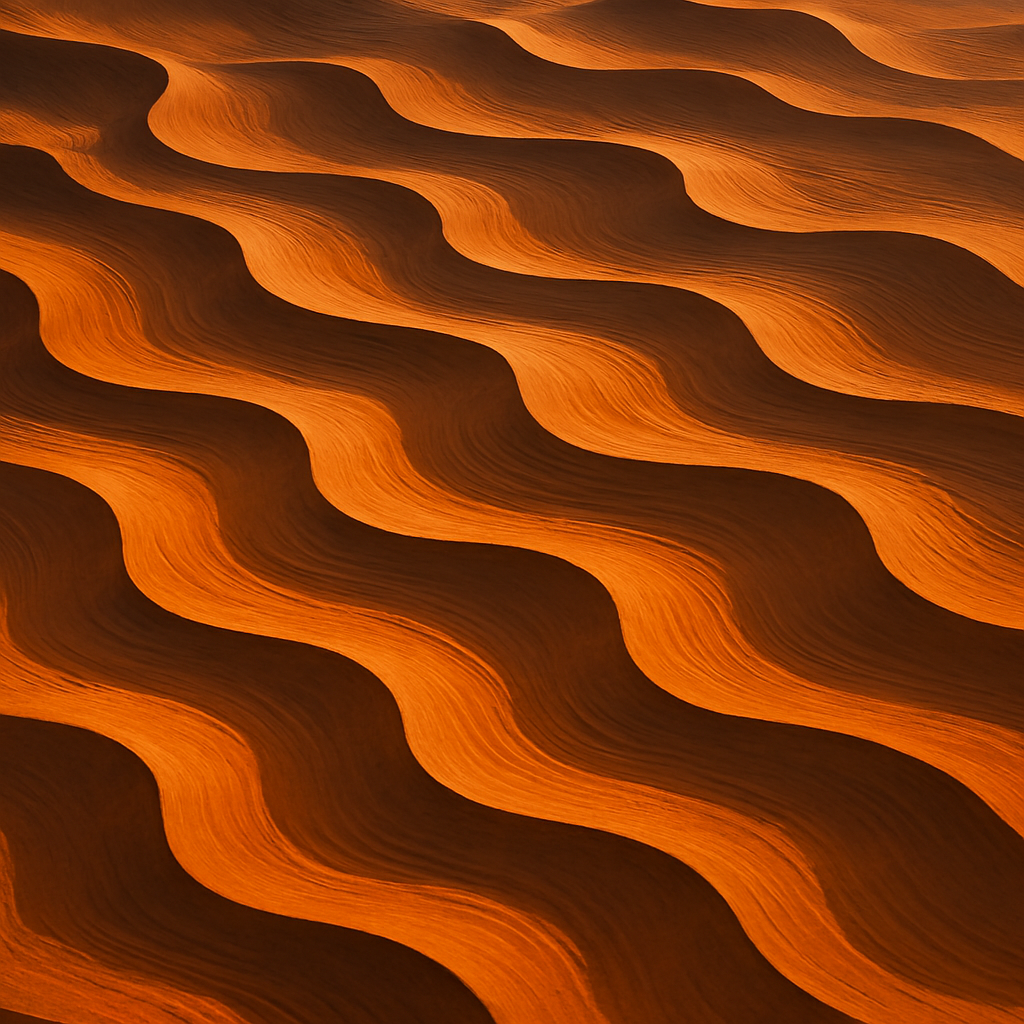
While we’ve focused primarily on painting and two-dimensional art, rhythm appears across all artistic mediums. Understanding how rhythm manifests in different forms enriches your overall artistic perspective.
Sculpture and Three-Dimensional Art
Sculptors create rhythm through repeated forms, textures, or negative spaces. A series of arches, repeated vertical elements, or rhythmic surface treatments all contribute to movement in three-dimensional space. Viewers experience this rhythm as they move around the sculpture, seeing different rhythmic patterns from various angles.
Photography
Photographers capture and create rhythm through composition choices. Street photographers might capture the rhythm of repeating architectural elements or the pattern of people in motion. Landscape photographers find rhythm in natural patterns – waves, clouds, or rows of trees.
Digital and Contemporary Art
Modern digital artists have new tools for creating rhythm, including animation and interactive elements that literally move. However, the fundamental principles remain the same – repetition, variation, and intentional pattern creation guide the viewer’s experience.
Conclusion: The Enduring Beat of Art
From the gentle sway of a landscape to the pulsating energy of an abstract piece, rhythm in art is the underlying heartbeat of countless masterpieces. It’s not just an academic concept but a powerful tool artists use to communicate emotion, guide perception, and transform static images into dynamic experiences.
By recognizing the different types of rhythm and understanding the techniques artists employ, you can deepen your appreciation for the thoughtful construction behind every masterpiece. Whether you’re creating your own art or appreciating artwork in a gallery, understanding rhythm unlocks new levels of engagement and meaning.
So the next time you encounter a piece of art, pause and look beyond the subject matter. Ask yourself: ‘Where does my eye go?’ ‘What kind of movement do I feel?’ You might just discover the hidden rhythm in art that brings the artwork to life and speaks directly to your senses. This fundamental principle of design continues to be as relevant today as it was centuries ago, proving that some artistic truths are truly timeless.
Frequently Asked Questions About Rhythm in Art
What is the primary purpose of rhythm in art?
The primary purpose of rhythm in art is to create a sense of movement, direct the viewer’s eye through the artwork, and establish unity and harmony within the composition. It makes art feel dynamic and engaging rather than static, helping to tell a visual story and convey emotion.
How is rhythm different from pattern in art?
While rhythm and pattern are related, rhythm specifically implies movement and flow that guides the eye through a composition, whereas pattern simply refers to the repetition of an element. All rhythms involve pattern, but not all patterns create a strong sense of rhythm. A simple, static repeated motif might be a pattern but lack the visual movement characteristic of rhythm.
Can rhythm be found in all forms of art?
Yes, rhythm is a fundamental principle of design that can be found in virtually all forms of art, including painting, sculpture, architecture, photography, music, dance, literature, and digital media. Any art form that uses repetition or arrangement of elements can express rhythm. Even in performing arts, visual rhythm complements temporal rhythm.
What’s the difference between regular and flowing rhythm in art?
Regular rhythm features consistent, predictable repetition with equal spacing, creating stability and order – like evenly spaced fence posts. Flowing rhythm uses smooth, continuous, organic repetition with curved lines and natural forms, creating graceful movement – like waves or flowing fabric. Regular rhythm feels structured, while flowing rhythm feels natural and fluid.
How do artists create rhythm without making their work boring?
Artists prevent boredom by introducing variation within their rhythmic patterns. They might slightly change the size, color intensity, spacing, or orientation of repeated elements. This variation maintains interest while preserving the underlying rhythmic structure. Combining different types of rhythm or breaking rhythm strategically also keeps viewers engaged.
What are examples of rhythm in famous artworks?
Vincent van Gogh’s “The Starry Night” demonstrates flowing rhythm through swirling brushstrokes. Bridget Riley’s Op Art pieces use regular and alternating rhythms to create optical effects. The columns of the Greek Parthenon exemplify regular architectural rhythm. Claude Monet’s Water Lilies series shows random rhythm through scattered lily pad placement.
How does rhythm relate to other principles of design?
Rhythm works in harmony with other design principles. It helps establish balance through distribution of repeated elements, creates emphasis by leading eyes toward focal points, and builds unity by connecting different areas of a composition. Progressive rhythm can guide viewers toward important elements, while breaking rhythm can create emphasis through contrast.
What is the best type of rhythm for beginners to practice?
Regular rhythm is typically easiest for beginners because it involves simple, consistent repetition with equal spacing. Once comfortable with regular rhythm, beginners can explore alternating rhythm, which adds variety while maintaining structure. These foundational types help develop an eye for spacing and repetition before moving to more complex flowing or progressive rhythms.
Can I use multiple types of rhythm in one artwork?
Yes, and many successful artworks combine multiple rhythmic approaches. However, it’s important to establish a dominant rhythm with others playing supporting roles. Using one type of rhythm for the main composition and another for details or secondary elements creates hierarchy and prevents visual confusion.
How does understanding rhythm improve my artwork?
Understanding rhythm gives you control over how viewers experience your artwork. You can guide their eye movement, create emotional impact through different rhythmic tempos, establish unity across your composition, and add visual interest through thoughtful repetition and variation. This knowledge transforms intuitive choices into intentional design decisions.
Citations
- The J. Paul Getty Museum: Principles of Design – https://www.getty.edu/education/teachers/classroom_resources/curricula/elements_principles/principles1.html
- Khan Academy: Principles of Art – https://www.khanacademy.org/humanities/ap-art-history/introduction-art-history/x709ea02787e174b1:elements-and-principles-of-art/a/principles-of-art
- Artsy: The 7 Principles of Art – https://www.artsy.net/article/artsy-editorial-7-principles-art