When you picture rolling green hills, peaceful rivers, and quiet farm scenes, you’re likely seeing the world through the eyes of countryside artists. These remarkable painters didn’t just create pretty pictures—they revolutionized how we see and understand landscape art. From Thomas Gainsborough’s dreamy pastoral scenes to John Constable’s realistic depictions of rural life, these masters transformed simple countryside views into powerful works of art that still captivate us today. Their paintings tell stories of a simpler time, when people lived closely connected to the land, and they show us that extraordinary beauty can be found in the most ordinary places.
Key Point Summary:
- Revolutionary Approach: Countryside artists elevated landscape painting from mere backgrounds to the main subject of their art
- Masters of Light: Artists like John Constable and Thomas Gainsborough pioneered techniques to capture natural light and atmosphere
- Emotional Depth: They used color, shadow, and brushwork to convey different moods, from peaceful serenity to dramatic weather
- Rural Storytelling: Their works document the daily life of farmers, mill workers, and seasonal changes in the countryside
- Global Influence: Their innovative methods inspired art movements worldwide, including French Impressionism
The Birth of Rural Landscape Art
Before the 18th century, landscape was just a backdrop in paintings of important people or historical events. But during the Romantic movement, everything changed. Artists began focusing on emotion, nature, and personal expression rather than just copying classical styles. This shift gave countryside artists the freedom to make nature itself the star of their canvases.
The Industrial Revolution was transforming Britain, with factories and cities growing rapidly. Against this backdrop of change, landscape painters found themselves preserving a disappearing way of life. They captured the beauty of rural England before it was lost forever to progress and industrialization.
Thomas Gainsborough: The Romantic Dreamer
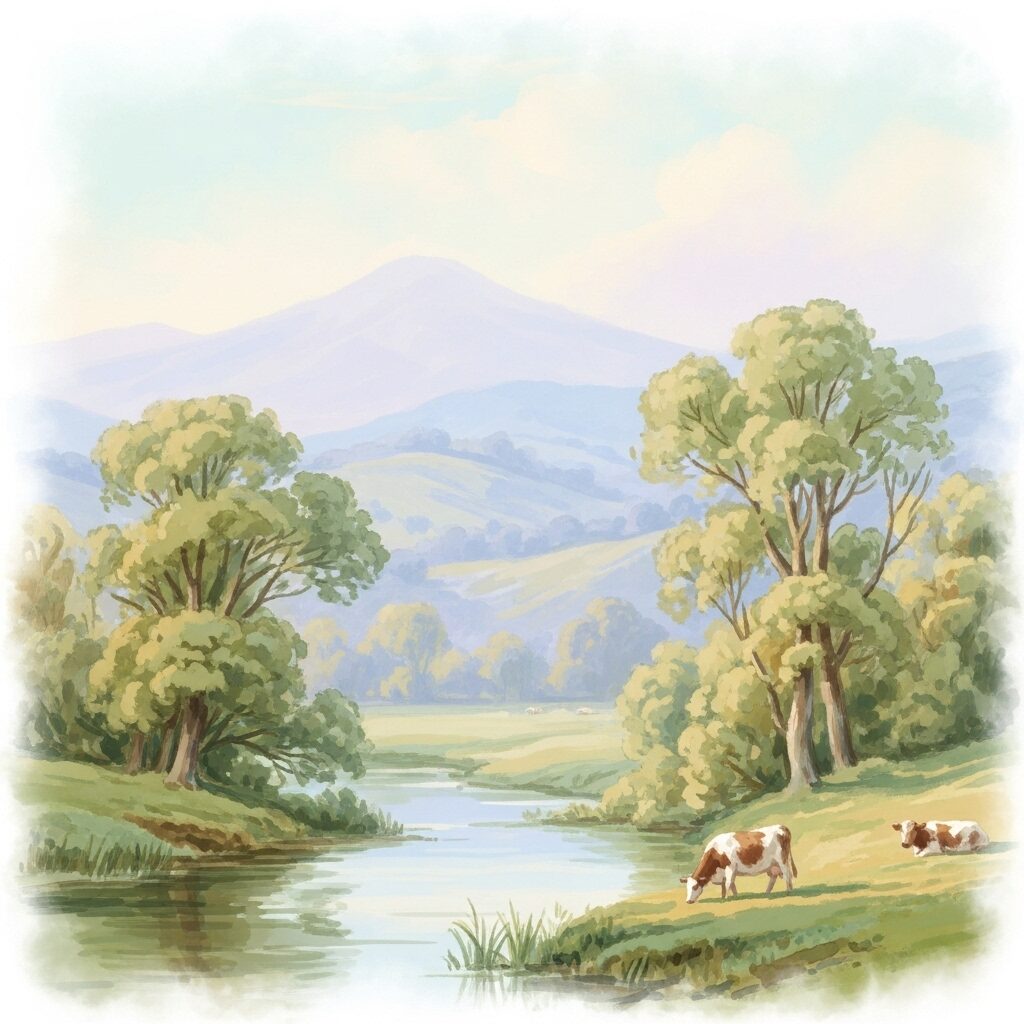
Thomas Gainsborough, born in Suffolk in 1727, was one of the first major countryside artists to focus seriously on landscape art. While he’s famous for portraits like “The Blue Boy,” his heart belonged to painting the countryside. Growing up surrounded by the gentle hills and woodlands of Suffolk, Gainsborough developed a deep love for nature that would define his artistic vision.
Gainsborough’s landscapes feel almost magical, with soft, feathery brushstrokes that create dreamy, idealized scenes. He often painted from his imagination rather than directly from life, blending elements from different locations to create the perfect pastoral scene. His work combined the elegant style of Rococo art with his personal passion for rural life, making him a pioneer among British countryside artists.
What made Gainsborough special was his ability to show the harmony between people and nature. Small figures in his paintings—shepherds, farmers, or travelers—never dominate the scene but instead blend peacefully into the landscape. This approach influenced countless artists who came after him and helped establish painting styles and movements that would shape art history.
John Constable: The Revolutionary Realist
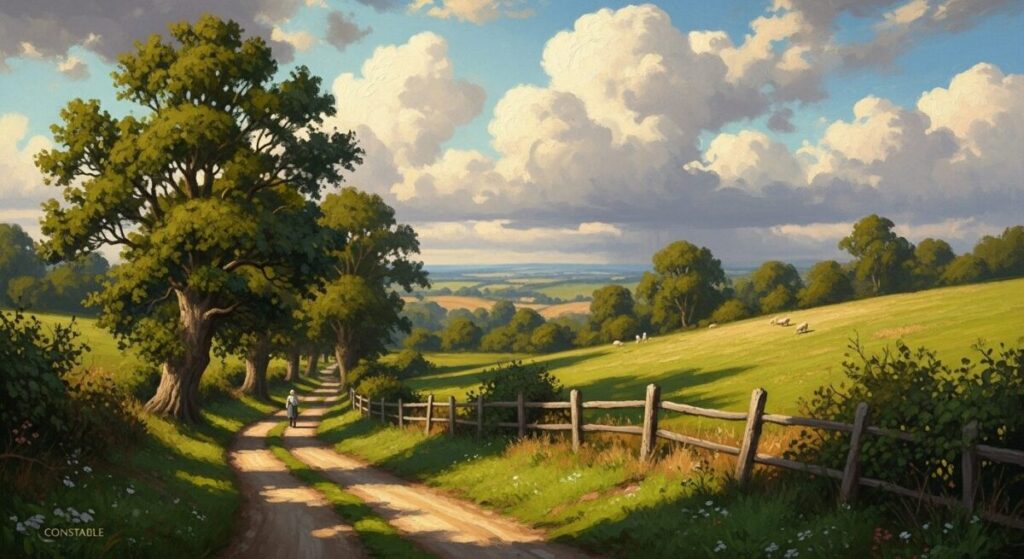
While Gainsborough painted from his imagination, John Constable took a completely different approach. Born in East Bergholt, Suffolk, in 1776, Constable was obsessed with painting exactly what he saw. He believed that the countryside around his home, especially the area near the River Stour, provided all the inspiration any artist could need.
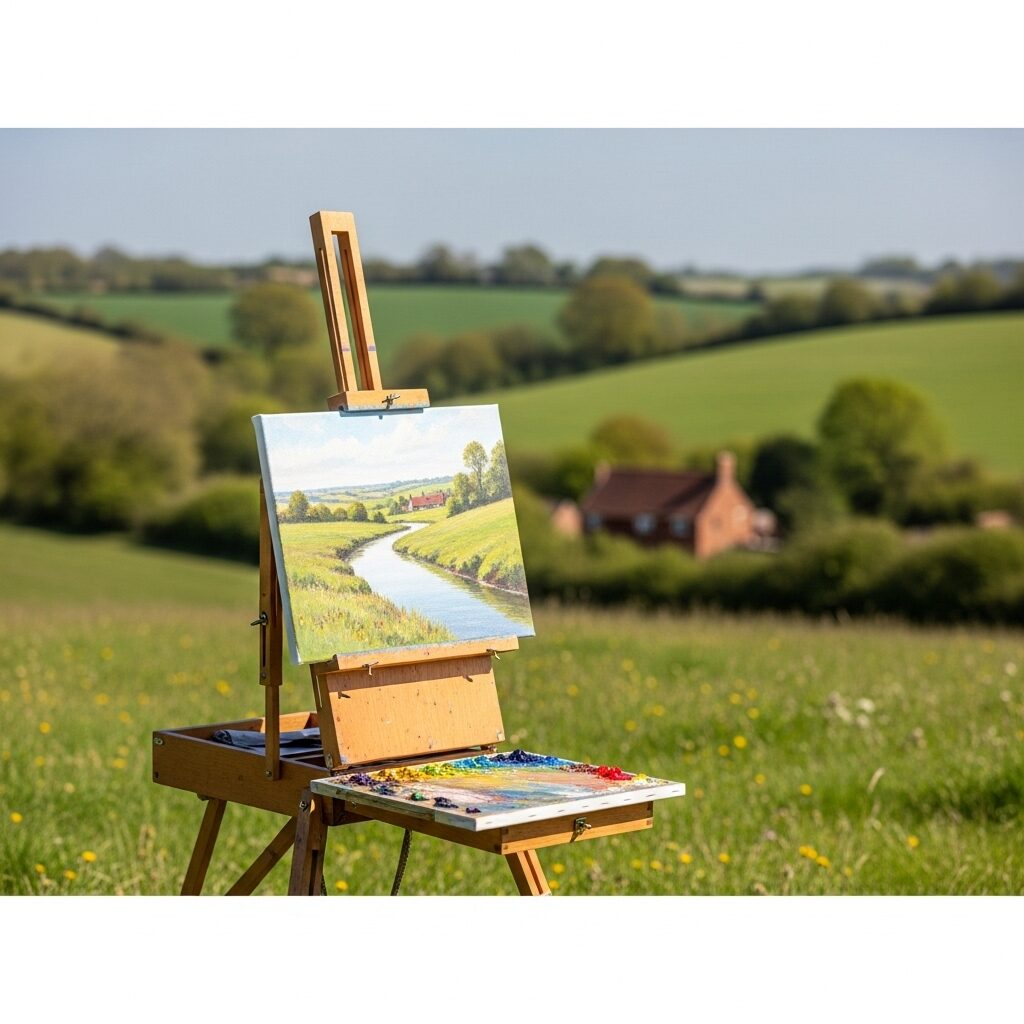
Constable was revolutionary because he painted outdoors, a practice called “plein air” painting. This allowed him to capture the constantly changing light, weather, and atmosphere of the English countryside. He famously said, “The sky is the chief organ of sentiment in a landscape painting,” and he was one of the first countryside artists to treat the sky as a character in his paintings rather than just a blue backdrop.
His most famous work, “The Hay Wain,” shows this perfectly. It’s not a dramatic or heroic scene—just a quiet moment in rural life—but it’s filled with so much detail and emotion that it feels monumental. You can learn more about his life and artistic impact in our comprehensive guide to who was John Constable.
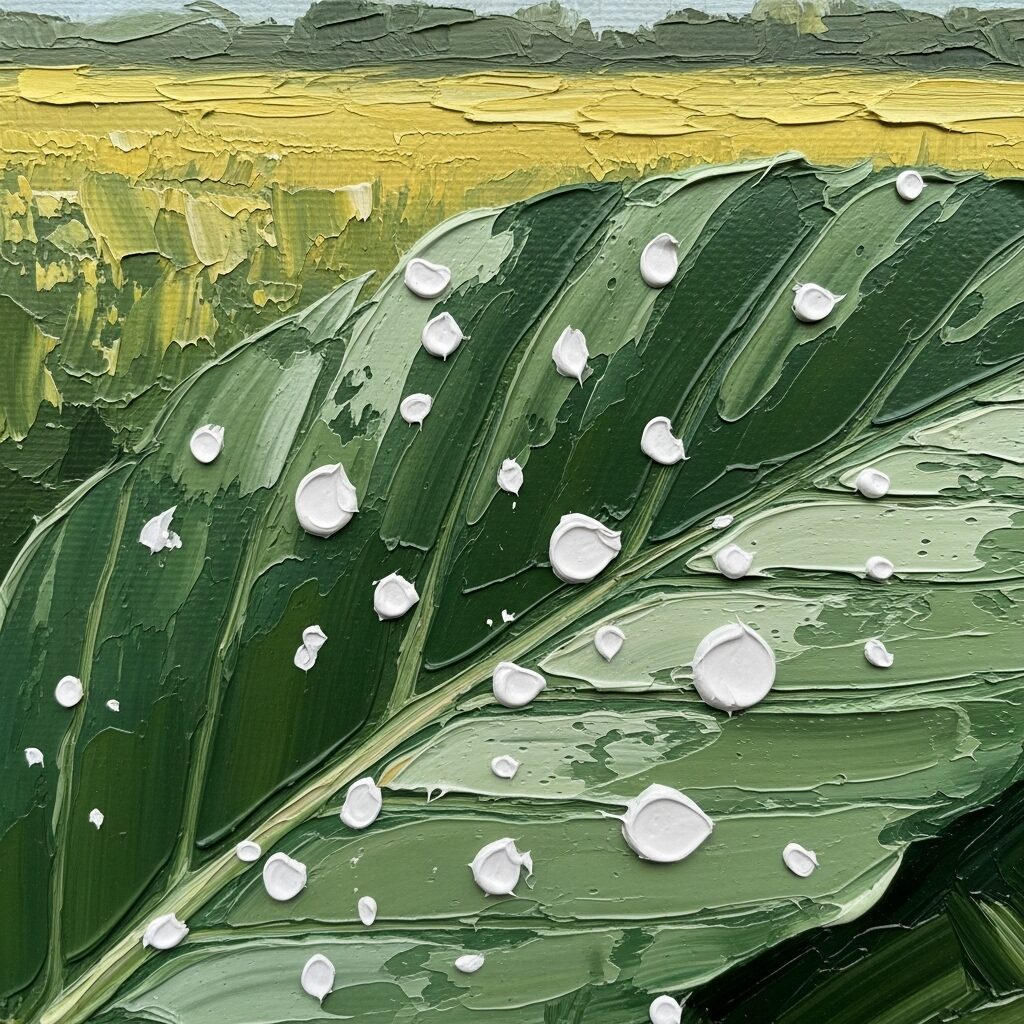
Constable’s technique was as revolutionary as his subject matter. He used thick layers of paint in a method called “impasto,” creating texture that made his paintings feel alive. His famous “Constable’s snow”—white dabs of paint that captured light reflecting off leaves and water—made his work incredibly vibrant and realistic.
The Artistic Techniques of Countryside Artists
Understanding how these masters created their masterpieces helps us appreciate their genius. Both Gainsborough and Constable worked primarily with oil paints, but their methods were completely different:
Gainsborough’s Technique:
- Fluid, feathery brushstrokes
- Soft, dreamlike quality
- Limited color palette with subtle variations
- Idealized compositions
Constable’s Method:
- Thick impasto application
- Direct observation from nature
- Dramatic use of light and shadow
- Realistic weather effects
These different approaches show that there’s no single “right” way to paint the countryside. Both artists achieved greatness by staying true to their personal vision. Modern countryside artists can learn from both approaches, whether they’re interested in how to create a realistic landscape painting or developing their own unique style.
| Feature | John Constable | Thomas Gainsborough |
|---|---|---|
| Style | Realism | Romantic/Rococo |
| Technique | Thick impasto, “Constable’s snow” | Fluid, feathery strokes |
| Subject | Specific local scenes | Idealized landscapes |
| Focus | Light, weather, atmosphere | Harmony between people and nature |
| Legacy | Father of modern landscape painting | Pioneer of British landscape school |
The Influence on Global Art Movements
_Rain_Clouds_Approaching_over_a_Landscape_-_William_Turner_-_Tate_Britain.jpg "The Timeless Beauty of Countryside Artists: Masters of Rural Art 6")
The work of countryside artists didn’t stay within Britain’s borders. Their fresh approach to landscape painting spread across Europe and influenced major art movements. The French Barbizon School adopted their practice of painting outdoors, while the Impressionists were directly inspired by Constable’s techniques for capturing light and atmosphere.
When Constable’s work was exhibited in Paris in the 1820s, it caused a sensation. French artists had never seen such realistic, emotionally powerful landscape paintings. Artists like Eugène Delacroix completely repainted parts of their own works after seeing Constable’s revolutionary techniques.
This international influence shows how countryside artists weren’t just documenting their local scenery—they were creating a new language of artistic expression that spoke to people everywhere. Their emphasis on personal observation and emotional connection to nature became fundamental principles of modern art.
Capturing the Spirit of Rural Life
What makes the work of countryside artists so enduring is their ability to capture not just the appearance of rural life, but its spirit. Their paintings show us a world where people lived in harmony with the seasons, where the rhythm of daily life followed natural cycles rather than industrial schedules.
These artists understood that landscape painting wasn’t just about copying nature—it was about expressing feelings and creating emotional connections. As Constable said, “My art is not a copy of nature, but an expression of my own inner feelings and spirit.” This philosophy helped artists overcome creative blocks by focusing on personal expression rather than technical perfection.
Their work also demonstrates the importance of knowing your subject intimately. Both Gainsborough and Constable painted the areas where they grew up, giving their work an authenticity that couldn’t be faked. This deep knowledge of place is something modern countryside artists can learn from, whether they’re exploring still life painting or developing their landscape skills.
Modern Relevance and Inspiration
Today, when much of our lives are spent indoors and online, the work of countryside artists offers something precious: a reminder of our connection to the natural world. Their paintings invite us to slow down, observe carefully, and find beauty in simple, everyday scenes.
For modern artists, these masters provide inspiration for developing personal artistic vision. They show us that great art doesn’t require exotic subjects or expensive materials—it requires careful observation, emotional honesty, and technical skill. Whether you’re participating in art challenges for specific goals or simply trying to improve your painting skills, their example reminds us that mastery comes from dedicated practice and genuine passion.
The collaborative spirit among these artists also offers valuable lessons. Many of them maintained artistic friendships that supported and challenged their work, proving that art is often a community endeavor rather than a solitary pursuit.
Watch: Real-Time Art To Relax To: Painting The English Countryside
Create Your Scene
Explore the power of light and color, just like the great English painters.
Adjust the sliders and click ‘Inspire Me’ to find your artistic voice.
Frequently Asked Questions
Why is John Constable considered revolutionary in landscape painting? John Constable revolutionized landscape painting by being one of the first countryside artists to paint outdoors, directly observing nature’s changing light and weather. His realistic approach and emotional depth influenced later movements like French Impressionism and established landscape as a serious artistic subject.
What makes Thomas Gainsborough’s landscapes special? Gainsborough’s landscapes are characterized by their soft, dreamy quality and fluid brushwork. Unlike other countryside artists who painted realistic scenes, Gainsborough created idealized pastoral visions that emphasized the harmony between people and nature, combining Rococo elegance with genuine love for the countryside.
How did countryside artists influence other art movements? Countryside artists, especially Constable, directly influenced the French Barbizon School and Impressionist movement. Their techniques for capturing natural light and their practice of painting outdoors became fundamental principles of modern landscape painting worldwide.
What is “Constable country” and why is it important? “Constable country” refers to the Dedham Vale area in Suffolk, England, where John Constable was born and created many of his masterpieces. This region is now strongly associated with his work and represents the perfect example of English countryside that inspired generations of countryside artists.
The legacy of countryside artists continues to inspire artists and art lovers worldwide. Their ability to find profound beauty in simple rural scenes reminds us that great art doesn’t always require grand subjects—sometimes the most powerful paintings come from looking carefully at the world around us and expressing what we see with honesty and passion. These masters showed us that the countryside, with its gentle hills, flowing rivers, and changing skies, contains all the drama and beauty any artist could ever need.