Ever wonder why some artists become super famous while others with amazing talent stay unknown? Or how certain paintings end up in major museums while others don’t? The answer lies in something called the Art Power Index—basically a ranking of who has the most influence in deciding what art matters.
Think of the art world like high school. It’s not just about having money (though that helps). It’s about who gets to decide what’s “cool,” who makes the rules, and who has the biggest voice. The Art Power Index is like a map showing us who these influential people are and how they shape the entire art scene.
Quick Facts About Art Power:
- Power in art comes from three main sources: money, important positions, and being a trendsetter
- Technology and social media are changing everything, giving more people a chance to break into the art world
- Younger collectors (like your older siblings and their friends) are totally changing what kind of art becomes popular
- The future of art involves artificial intelligence, global connections, and making sure everyone plays fair
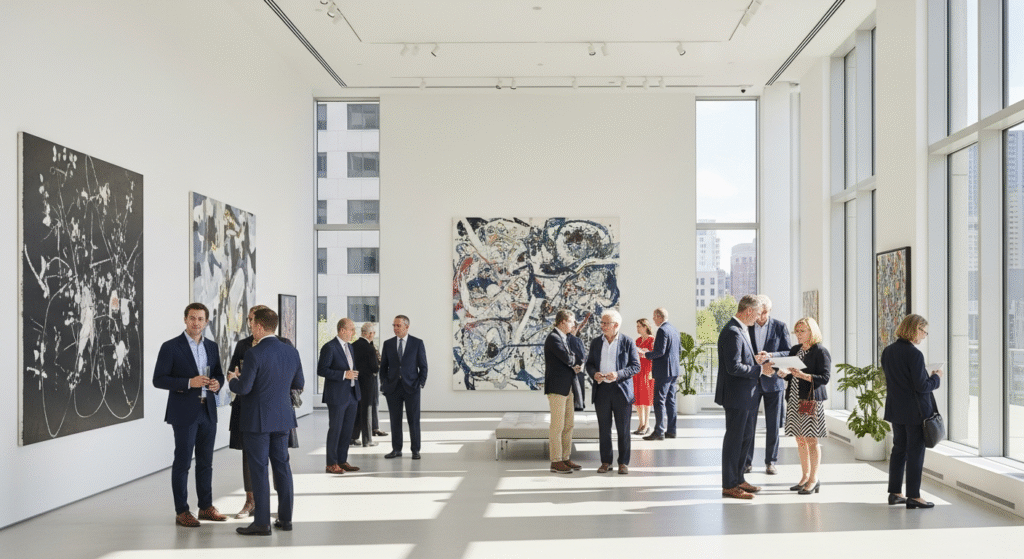
What Makes Someone Powerful in the Art World?
The Art Power Index isn’t like a list of the richest people. It’s way more interesting than that. It tracks who actually gets to decide which artists become famous and which artworks end up being worth millions of dollars.
Three Types of Art World Power
1. Money Power
This is the easiest type to understand. Some people have tons of money to buy art, invest in art websites, or own galleries.
Take Andrew Wolff, for example. He’s the CEO of a company called Beowolff Capital, and he bought controlling stakes in two huge art platforms: Artsy and Artnet. He’s not just collecting art—he’s building a digital empire where people can discover new artists (on Artsy) and check how much art sells for (on Artnet). He’s even using artificial intelligence to help people make smarter decisions about buying art.
2. Institution Power
Museums, galleries, and auction houses have massive power because they control what art people see. If a famous museum gives you a big exhibition, your art career can skyrocket overnight.
Christie’s (one of the world’s biggest auction houses) sold seven of the ten most expensive artworks in early 2025. Their CEO, Bonnie Brennan, has huge influence just because her company controls so much of the high-end art market. When Christie’s decides to feature an artist, that artist’s work suddenly becomes way more valuable.
3. Trendsetter Power
This is the coolest type of power because it’s about ideas and influence, not just money. Some people shape what we think about art through social media, newsletters, and exhibitions.
Maria Brito runs an art consulting company and uses her weekly newsletter to teach people about art history and help them understand what makes art valuable. She’s challenging the old gatekeepers by saying collectors should learn about art themselves instead of just following trends.
Another influencer, Antwaun Sargent, works at Gagosian gallery and focuses on showcasing Black artists in major exhibitions. He’s literally changing which artists get opportunities and expanding who gets represented in the art world.
How These Powers Work Together
| Type of Power | How It Works | Who Has It | Real Example |
|---|---|---|---|
| Money Power | Buying art companies and controlling market information | Andrew Wolff | Owns both Artsy (for buying) and Artnet (for pricing data) |
| Institution Power | Running museums, galleries, and auction houses | Christie’s leaders, David Zwirner | Christie’s sold 7 of the 10 most expensive artworks in 2025 |
| Trendsetter Power | Teaching people and shifting conversations | Maria Brito, Antwaun Sargent | Using social media to educate collectors |
Understanding who has power matters because these people literally decide which artists get opportunities. Throughout history, artists needed wealthy patrons or museum connections to succeed. Today’s Art Power Index shows us who the modern gatekeepers are—and how technology is starting to break down their gates.
How Technology Is Changing Everything
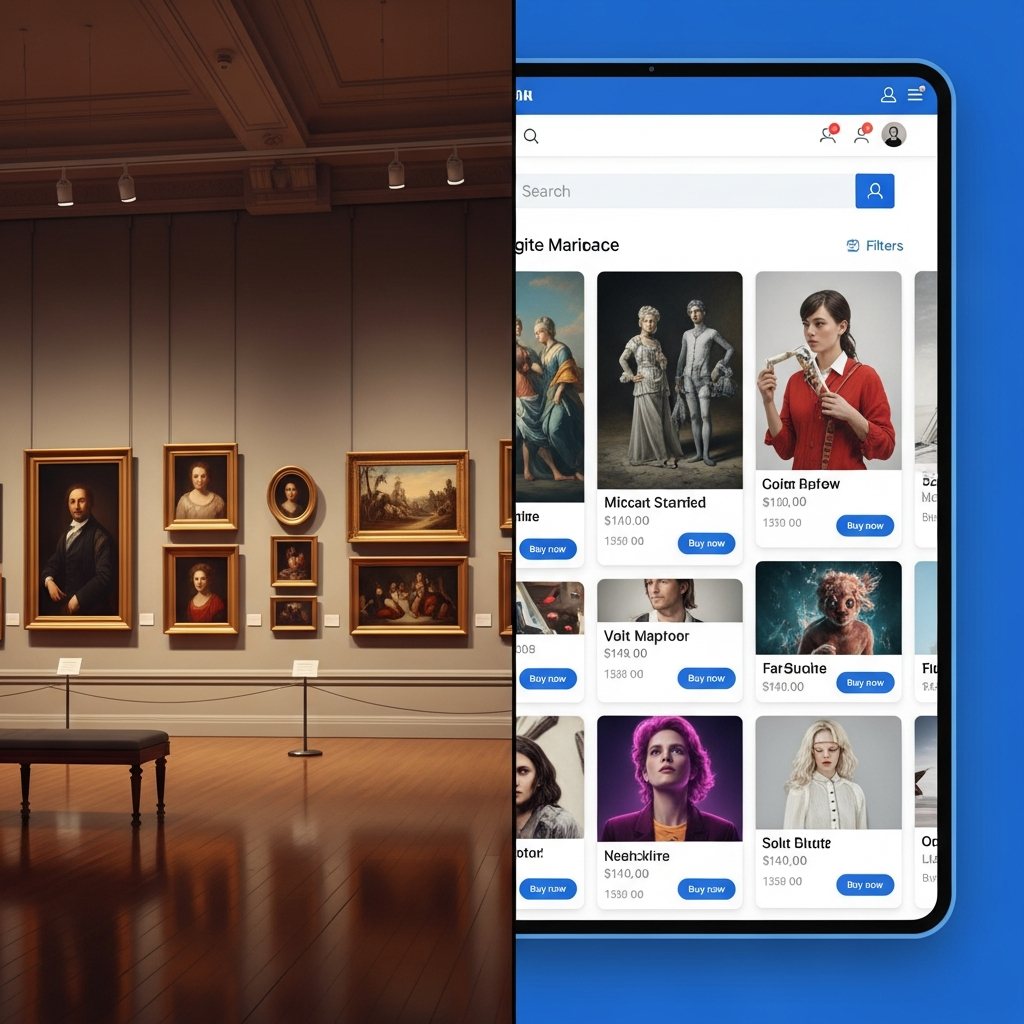
The art world used to be super secretive. Galleries wouldn’t tell you prices, you had to know the right people to see certain artworks, and information was hard to find. But digital platforms are blowing all that up.
The Digital Revolution
Jeffrey Yin runs Artsy, which is basically like Amazon for fine art. His platform connects millions of collectors with over 3,000 galleries and more than one million artworks. The coolest part? You can actually see prices now.
Here’s what’s changed:
- 75% of artworks on Artsy now show their prices (compared to almost none a decade ago)
- 53% of works can be bought directly online (up from only 9% in 2018)
- Nearly 30% more first-time buyers started collecting art last year
- The average distance between a buyer and seller is now 2,500 miles—people are buying art from across the globe!
The biggest problem used to be that nobody would tell you what art costs. In fact, 69% of potential collectors said lack of transparency stopped them from buying art. Digital platforms fixed that.
How AI Is Helping (Not Replacing) Humans
Artificial intelligence sounds scary, like robots taking over. But in the art world, AI is actually helping make things fairer and easier.
On Artsy, AI does helpful stuff like:
- Recommending art you might like based on what you’ve looked at before (like Netflix recommendations)
- Organizing information about thousands of artworks so galleries don’t have to do boring data entry
- Predicting prices by analyzing what similar artworks have sold for
Andrew Wolff’s big vision is to connect all these AI tools together. Imagine discovering a cool artist online, immediately seeing what their work has sold for in the past, getting a prediction of what it might be worth in the future, and even arranging shipping—all in one place. That’s the future he’s building.
But not everyone thinks technology has solved everything. Maria Brito points out that even with tons of information online, the art market still operates like a “closed club.” Getting access to really good artwork still requires connections and knowledge, not just browsing websites.
Understanding Art Market Numbers
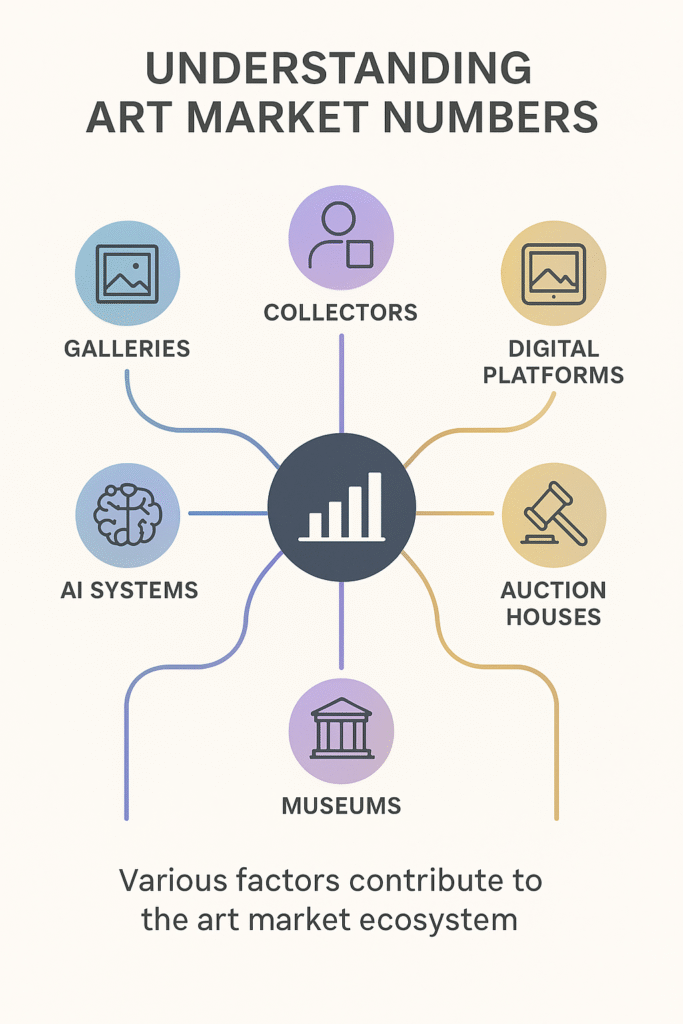
You know how the stock market has indices like the Dow Jones that track whether stocks are going up or down? The art market has something similar—tools that track whether art is getting more valuable over time.
Two Ways to Track Art Prices
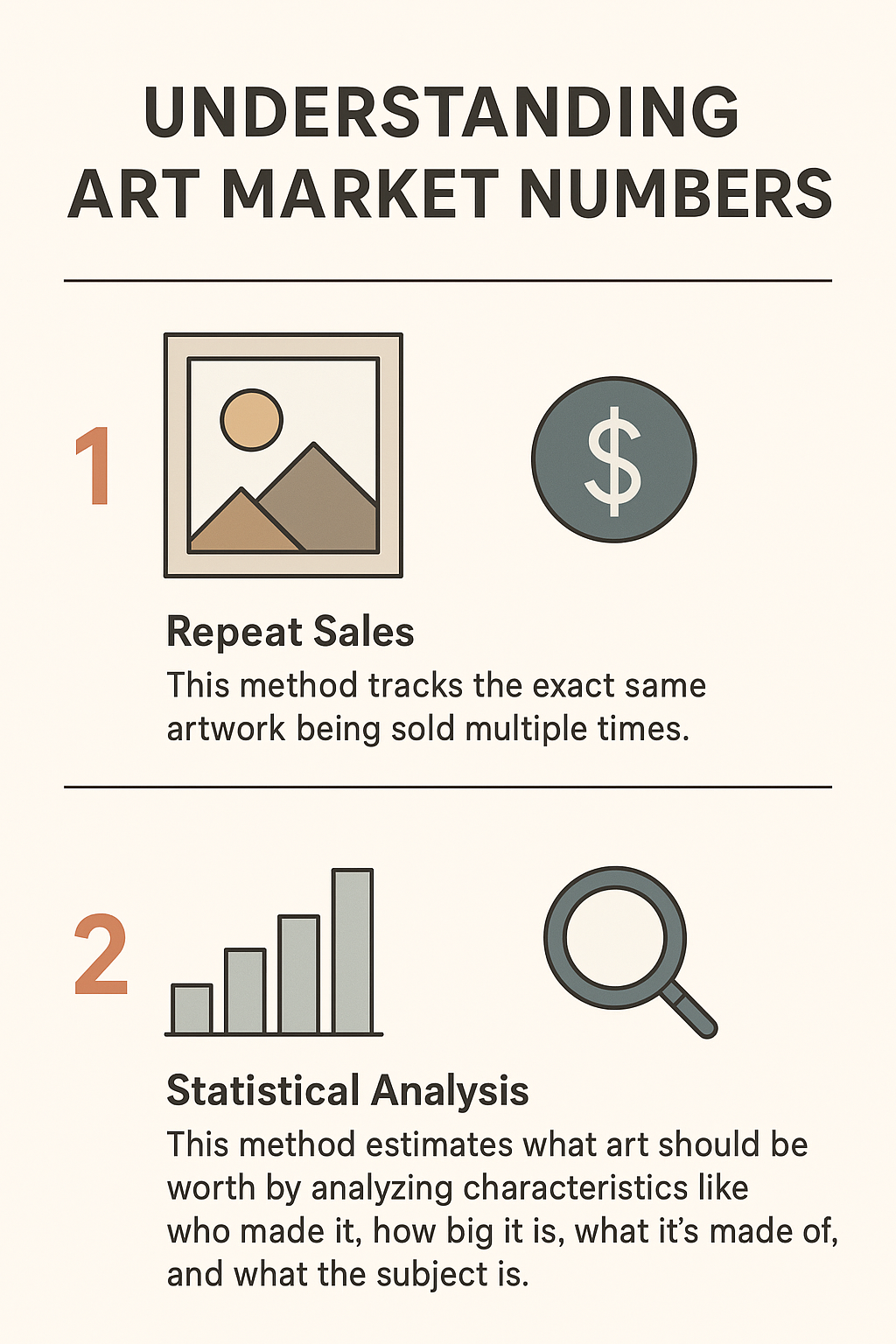
Method 1: Repeat Sales
This method tracks the exact same artwork being sold multiple times. For example, if a painting sold for $10,000 in 2020 and then for $15,000 in 2025, you can calculate it increased in value by 50%.
Companies like Sotheby’s track over 80,000 repeat auction sales going back about 200 years. This gives a long-term picture of the art market.
The Problem: Only successful artworks get sold multiple times. Art that nobody wants just sits in storage and never shows up in these numbers. This makes the art market look more profitable than it really is.
Method 2: Statistical Analysis
This method estimates what art should be worth by analyzing characteristics like who made it, how big it is, what it’s made of, and what the subject is.
It’s like how a used car’s value depends on the make, model, year, mileage, and condition. Art valuation works similarly, just with different factors.
The Problem: This method needs tons of accurate data, and art is way more subjective than cars. Two paintings by the same artist can have wildly different values based on things that are hard to measure—like which painting has a more interesting backstory or better condition.
Why All Art Market Data Is Incomplete
Here’s the big secret: Over half of all art sales happen privately, meaning they’re not recorded in any public database. When billionaires buy art from each other through private dealers, nobody knows the price. So any index based only on auction results is missing a huge chunk of the market.
Also, auction houses don’t include artworks that fail to sell in their data. If something doesn’t meet its minimum price, it’s like it never existed in the statistics. This makes the market look healthier than it really is.
Young Collectors Are Shaking Things Up
The art world is experiencing a massive shift because younger people (Millennials and Gen Z) are starting to collect art, and they do things completely differently than older collectors.
How Young Collectors Are Different
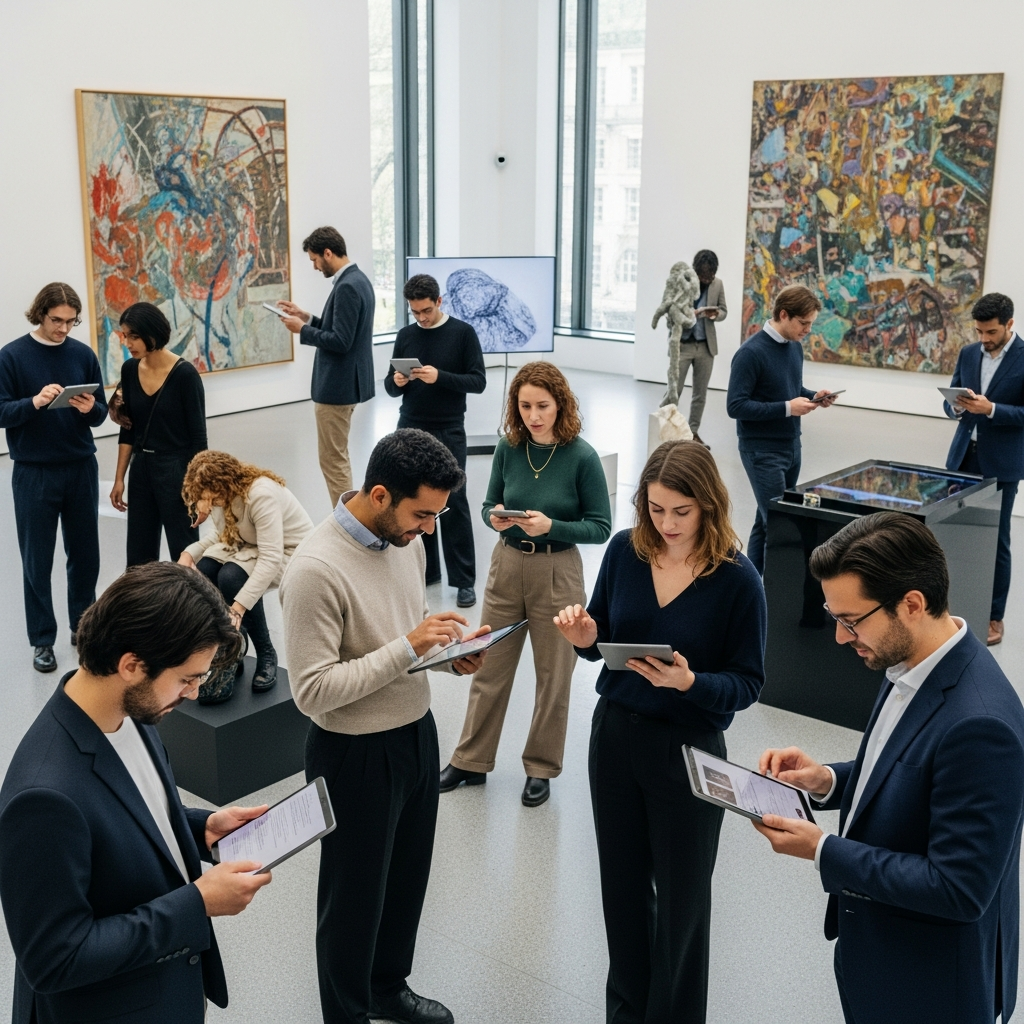
They’re Digital Natives
While older collectors might discover art by visiting galleries or attending fancy art fairs, young collectors find art through Instagram, TikTok, email newsletters, and online platforms. In fact, 82% of new collectors have bought art online.
Think about it: if you wanted to discover new music, would you go to a physical store or use Spotify? Young art collectors feel the same way about buying art—they want to browse online, read reviews, see transparent prices, and click “buy” without having to talk to some intimidating gallery owner.
They Want Diversity
Young collectors care way more about supporting artists from different backgrounds. The percentage of female artists represented by galleries jumped from 35% in 2018 to 41% in 2024. That’s huge progress, even if there’s still a long way to go.
Some galleries, like Berry Campbell, focus specifically on finding overlooked artists from the past and giving them the recognition they deserve. They’ve featured artists like Bernice Bing and Alice Baber, whose artwork suddenly became way more valuable once people learned their stories.
They Care About Transparency
Remember how we talked about galleries being secretive about prices? Young collectors hate that. They grew up in a world where you can Google anything, compare prices instantly, and read reviews before buying. They expect the same from art galleries.
Women Are Becoming Major Players
Here’s a surprising fact: Female collectors spent 46% more on art than male collectors in 2024. In China, female collectors spent more than double what men spent. This growing purchasing power means galleries and auction houses have to pay attention to what women want.
But Is Real Change Happening?
Not everyone is convinced the art world is actually becoming more diverse. Antwaun Sargent (that trendsetter we mentioned earlier) warns that claims of “transformative change” are “greatly exaggerated.”
He points out that in 2020, after protests for racial justice, lots of galleries and museums made big promises about featuring more diverse artists. But talk is cheap. Real change requires decades of sustained effort, not just temporary pledges when everyone’s paying attention.
Looking at influential art world rankings, Americans and Western Europeans still dominate, while Asians, Africans, and Latin Americans are way underrepresented compared to global population numbers.
The Future: AI, Global Markets, and Playing Fair
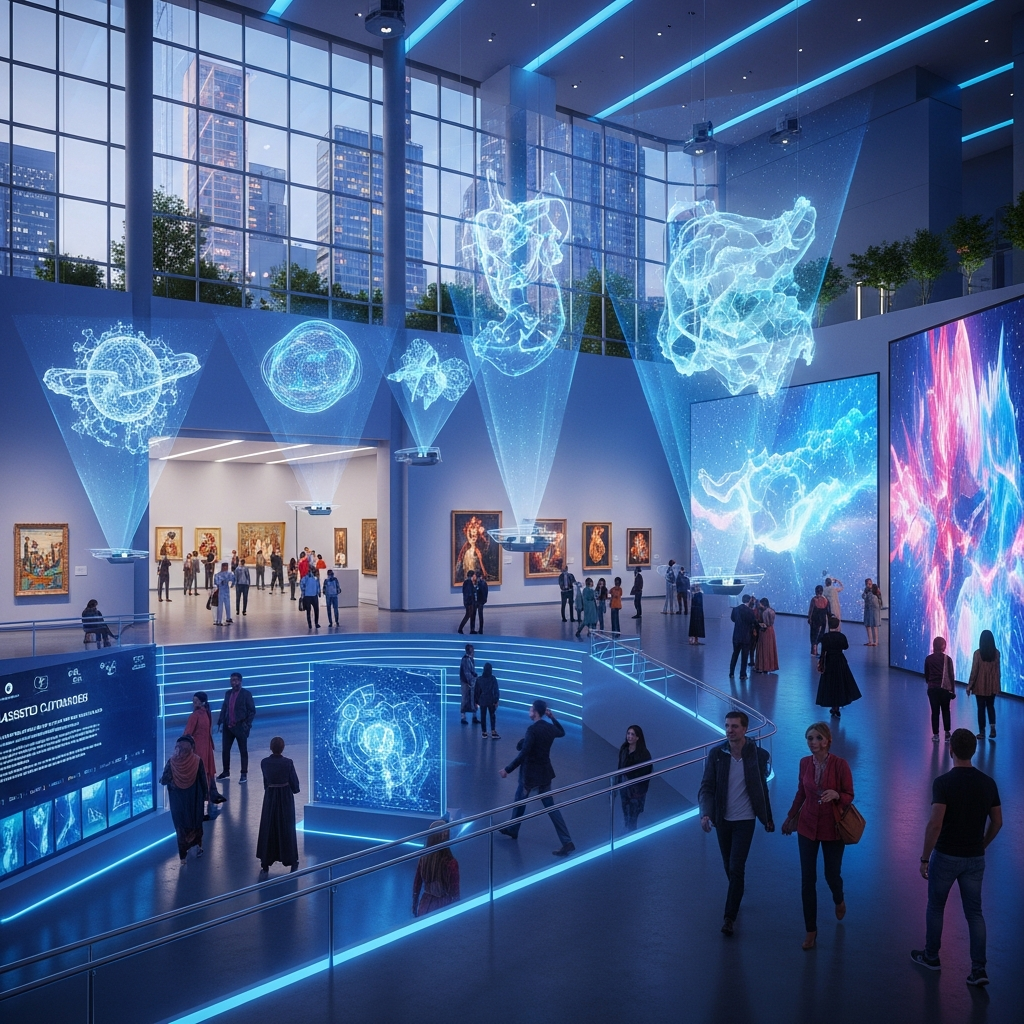
Three big forces are going to shape the art world’s future: artificial intelligence, global expansion, and ethical practices.
AI Is Getting Smarter
Future AI won’t just recommend art — it will understand your taste at a super detailed level. It could deploy “autonomous agents” (basically smart assistants) that handle boring tasks like converting documents, managing inventory, and coordinating shipping.
This frees up actual humans to focus on the parts of art that matter most: telling stories, building relationships, and helping people connect emotionally with artwork.
Artists like Refik Anadol are already creating AI-generated art that pushes boundaries and makes us rethink what “creativity” even means. This raises fascinating questions about authorship—if an AI makes art based on an artist’s instructions, who’s really the creator?
The Art World Is Going Global
For decades, the art world centered around Western cities like New York, London, and Paris. But that’s changing fast.
In February 2026, Art Basel (one of the world’s biggest art fairs) is launching a new event in Qatar. This isn’t just about adding another fair—it signals that new art capitals are rising in different parts of the world. Qatar is even establishing a permanent pavilion at the Venice Biennale, one of art’s most prestigious events.
Andrew Wolff projects the future art market could be worth over $1.5 trillion, driven by younger collectors and technology making everything easier and more transparent.
The Ethics Problem
Here’s the catch: as a few powerful companies control more of the digital art infrastructure, we need to make sure they play fair.
Important questions include:
- Who owns your data? If you browse art on a platform, does that company get to sell information about your preferences?
- Do artists control their images? If someone uploads photos of your artwork, should you have a say in how they’re used?
- Is AI being transparent? If an AI recommends certain art to you, do you know why? Is it genuinely matching your taste, or is someone paying to promote certain artists?
Just like we need rules for social media companies about privacy and data, we need rules for art platforms too.
Real Examples from the 2024 Art Power Index
Want to see who actually made the list? Here are some real rankings from ArtReview’s 2024 Power 100:
Top 10 Most Powerful People in Art (2024)
- Sheikha Hoor Al Qasimi – Curator from United Arab Emirates who runs the Sharjah Biennial (jumped from 36th place in 2023!)
- Rirkrit Tiravanija – Thai artist famous for cooking food and sharing it as art
- Saidiya Hartman – American writer whose books changed how we think about Black history
- Steve McQueen – British artist and filmmaker (yes, the guy who made the movie “12 Years a Slave”)
- Forensic Architecture – A research group that investigates human rights violations using art
- Wael Shawky – Egyptian artist known for puppet films about history
- Nan Goldin – Photographer and activist (she was #1 in 2023)
- Kerry James Marshall – American painter who depicts Black life
- Anna Kornbluh – Writer whose book explained modern capitalism
- John Akomfrah – British artist who makes powerful video installations
What Happened to the Big Galleries?
Interestingly, famous gallery owners dropped in ranking this year:
- Larry Gagosian fell from 12th to 35th place
- David Zwirner dropped from 19th to 38th place
- Hauser & Wirth (the three presidents together) fell from 14th to 28th place
This shows that curators, artists, and activists are gaining more power compared to wealthy gallery owners!
Rising Stars
Some people made huge jumps:
- Sheikha Al-Mayassa (Qatar Museums chairperson) ranked 21st – she’s bringing Art Basel to Qatar in 2026
- Koyo Kouoh jumped to 16th place right after being named director of the 2026 Venice Biennale
- Writers and scholars like Saidiya Hartman climbed from 34th to 3rd place
The Global South Is Rising
The 2024 list shows a major shift: over 40 influential people came from Africa, the Middle East, and other parts of the Global South. This represents a huge change from when Western Europeans and Americans dominated the art world.
Want to See the Full Rankings?
You can view the complete Power 100 list on ArtReview’s official website. They’ve published these rankings every year since 2002, so you can even look back at past years to see how power has shifted over time!
The lists are usually released in November or December each year, and ArtReview uses a panel of over 40 anonymous art world experts who spend about two months discussing and debating the rankings. These experts come from all over the world and have different perspectives, which is why the list tries to represent global influence, not just what’s happening in New York or London.
Common Questions About Art World Power
Q: Who makes these Power Index rankings?
ArtReview magazine creates the annual Power 100 list using a panel of over 40 anonymous art world experts who evaluate influence based on activities over the past year and global impact. They consider who’s affecting art conversations, market prices, and cultural representation.
Q: Can regular people ever become influential in the art world?
Absolutely! Social media has democratized influence. If you build a following by sharing interesting art content, educating people, or spotting underrated artists early, you can become influential without being rich or working at a famous museum. Many art advisors and influencers started exactly this way.
Q: Do you need to be rich to collect art?
Not at all. While headlines focus on multi-million dollar auctions, there’s a massive market for affordable art. Many emerging artists sell work for hundreds or low thousands of dollars. Prints, photography, and works on paper are especially accessible. Young collectors often start small and build their collections over time.
Q: Is buying art a good investment?
It can be, but it’s risky. Art isn’t like stocks—you can’t sell it instantly, prices are unpredictable, and you need expertise to spot what will increase in value. Most advisors say you should buy art you love first, and consider potential profit second. If it goes up in value, that’s a bonus!
Q: How can I learn more about art without going to expensive schools?
The internet has made art education way more accessible. Museums often have free online resources, YouTube has countless art history channels, platforms like Artsy publish educational content, and following artists and galleries on social media gives you insider perspectives. Start exploring what interests you—there’s no single “right way” to learn about art.
The Bottom Line: Power Is Shifting
The art world used to be like an exclusive club where you needed the right connections, lots of money, and insider knowledge to participate. That’s still partly true, but technology, younger collectors, and demands for transparency are cracking the gates open.
Power in today’s art world flows through three channels: money (who can buy art and control platforms), institutions (who runs museums and galleries), and ideas (who shapes conversations about what art matters). Understanding this helps you see past the fancy auction headlines to understand how the system really works.
The coolest part? The future is more open than the past. Digital platforms give artists more ways to reach collectors directly. Social media lets anyone build influence by sharing knowledge. Young collectors are demanding changes in how the whole system operates.
Whether you’re interested in creating art, collecting it, or just appreciating it, understanding the Art Power Index helps you navigate this fascinating world. Because at the end of the day, the real power isn’t just owning art—it’s shaping what art means to all of us.
Want to learn more? Check out resources on art history, follow museums and galleries on social media, and start exploring what kind of art speaks to you. The art world might seem intimidating at first, but it’s really just people passionate about creativity and expression—and there’s room for everyone.
Citations:
- Observer – Art Power Index 2025: The 54 Most Influential People in the Art World
- Observer – Maria Brito on Power, Access and the Future of the Art World
- Morgan Stanley – Demystifying Art Indices
- ArtReview – The Arty Types Who Shaped 2024
- Springer – The concentration of power in the market for contemporary art
- Observer – Antwaun Sargent on Power and Representation in the Art World
- Masterworks – Art Indices & Why They Matter
- Observer – Jeffrey Yin on How Artsy Is Transforming Global Art Collecting
- Observer – Andrew Wolff on Artsy, Artnet and the Future of the Art Market
- UBS – The Art Basel and UBS Survey of Global Collecting 2025