Stop Scrolling, Start Painting: Your Genre Match Awaits
Let’s be real: the art world can feel overwhelming. Abstract expressionism? Hyperrealism? Plein air? With so many painting genres for beginners to explore, it’s easy to freeze before you even pick up a brush.
Here’s the good news: you don’t need to master them all. You just need to find one that sparks joy, fits your lifestyle, and matches your creative personality.
At Prominent Painting, we’ve helped thousands of new artists take that first confident stroke. This guide cuts through the noise to spotlight the most accessible painting genres for beginners—with actionable tips, minimal supplies, and zero pressure to be “perfect.”
“Every artist was first an amateur.” — Ralph Waldo Emerson
🎨 The 7 Most Beginner-Friendly Painting Genres (Ranked by Ease)
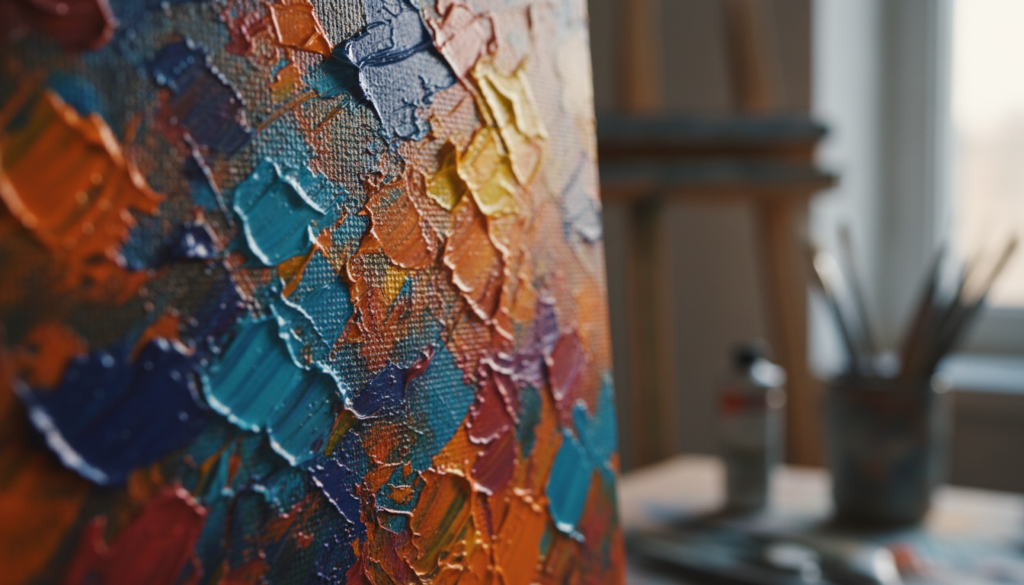
1. Abstract & Expressive Painting ✨ Easiest Entry Point
Why it works for beginners: No rules. No “wrong” way. Just color, emotion, and movement.
Start with: Pour paints, swipe techniques, or simple geometric shapes.
Supplies needed: Fluid acrylics, canvas board, palette knife (or even a credit card!).
First project: “Mood Map” – Pick 3 colors that match how you feel today. Let them flow, blend, and interact freely.
Pro tip: Pair with our unlock the secrets of abstract painting guide for deeper inspiration.
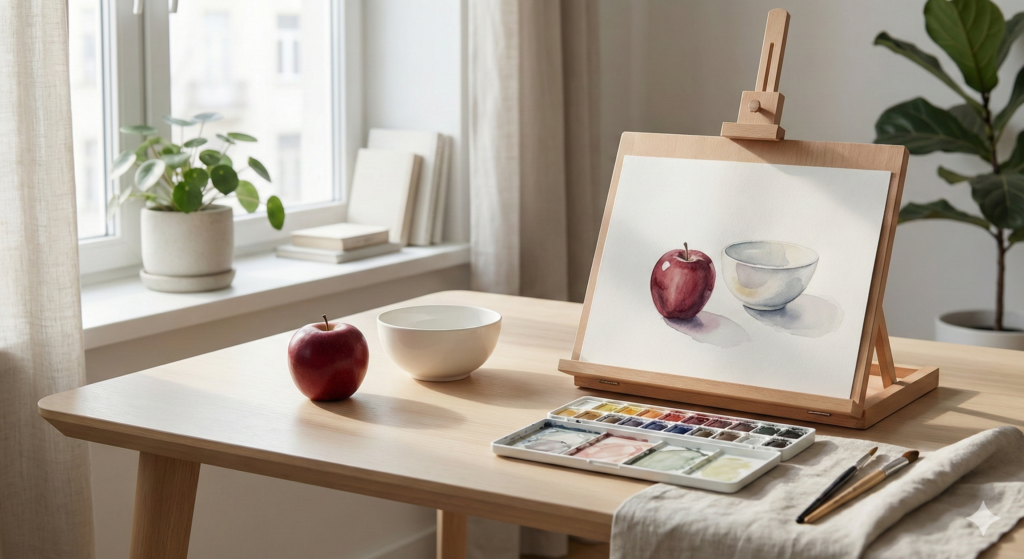
2. Simple Still Life 🍎 Build Foundational Skills
Why it works: Controlled setup. Predictable lighting. Instant subject matter (hello, fruit bowl!).
Start with: 3 objects max. One light source. Focus on shape over detail.
Supplies needed: Acrylics or watercolors, basic brush set, any surface.
First project: “The One-Object Study” – Paint a single apple. Notice its curves, shadows, and color shifts.
Explore more in our basic still life techniques guide.
3. Minimalist Landscape 🌄 Nature Made Simple
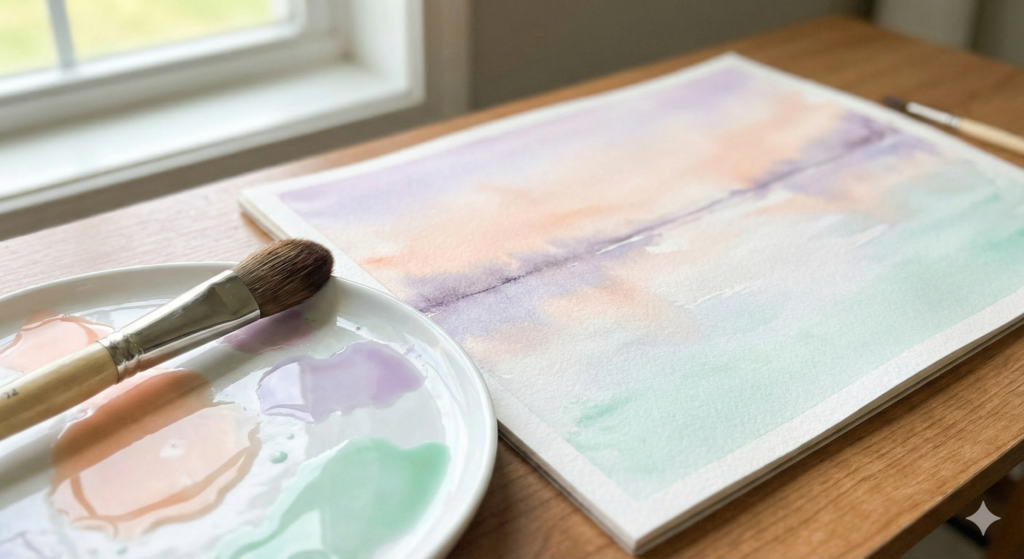
Why it works: Broad shapes. Soft edges. Forgiving of “mistakes.”
Start with: Horizon line + 2-3 color blocks (sky, land, water).
Supplies needed: Watercolors or soft pastels, large brush, textured paper.
First project: “Sunset in 3 Washes” – Wet-on-wet technique for dreamy skies.
Level up with our seascape painting 101 guide.
4. Bold Florals 🌸 Joyful & Forgiving
Why it works: Organic shapes hide imperfections. Vibrant colors boost mood.
Start with: Single bloom. Focus on color harmony, not botanical accuracy.
Supplies needed: Acrylics or gouache, round brushes, any canvas.
First project: “One-Petal Practice” – Master one petal shape, then repeat with variation.
Discover more in our how to paint flowers for beginners tutorial.
5. Geometric & Pattern Painting 🔷 Satisfying & Structured
Why it works: Repetition builds confidence. Clean lines feel achievable.
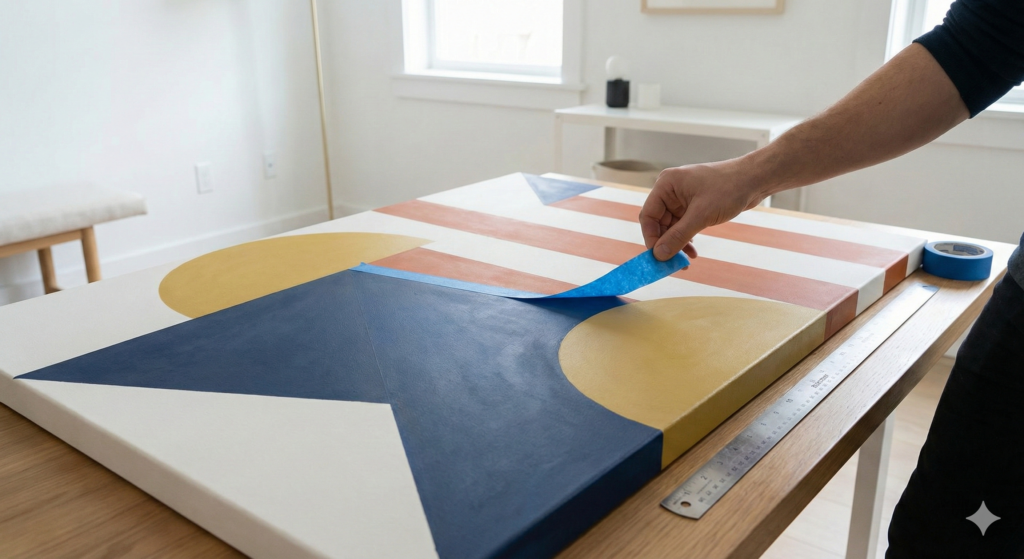
Start with: Grids, stripes, or simple mandalas.
Supplies needed: Acrylics, masking tape, ruler (optional).
First project: “Color Block Canvas” – Tape off sections, fill with bold hues, peel for crisp edges.
Get inspired by our guide to mandala art.
6. Expressive Portraiture (Simplified) 👤 Connect Through Art
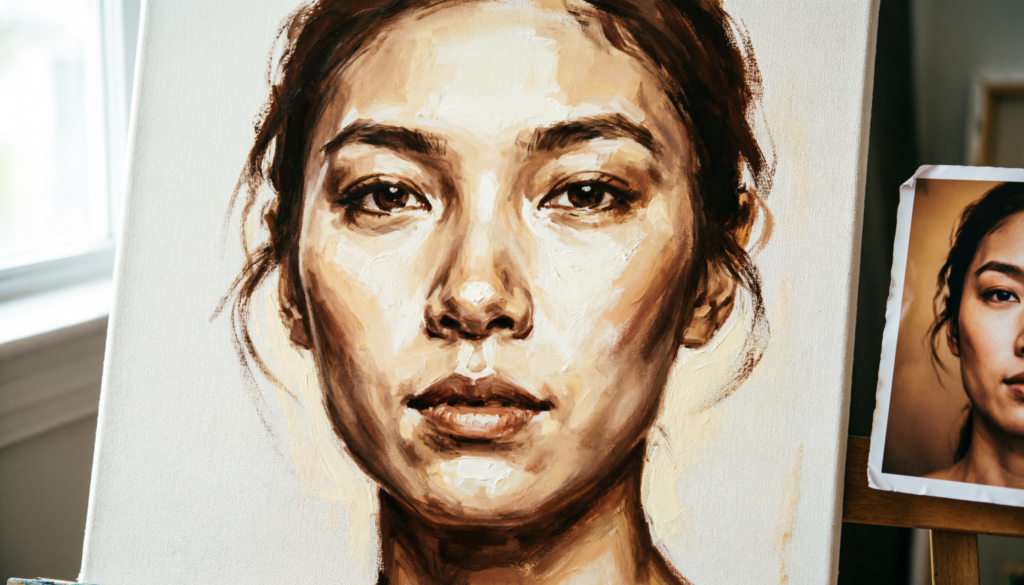
Why it works: Focus on emotion over realism. Stylized approaches reduce pressure.
Start with: Silhouettes, profile views, or abstract faces.
Supplies needed: Acrylics or charcoal, medium canvas, reference photo (optional).
First project: “Shadow Self” – Paint only the shadows of a face using 2-3 values.
Deepen your skills with our mastering portrait painting techniques.
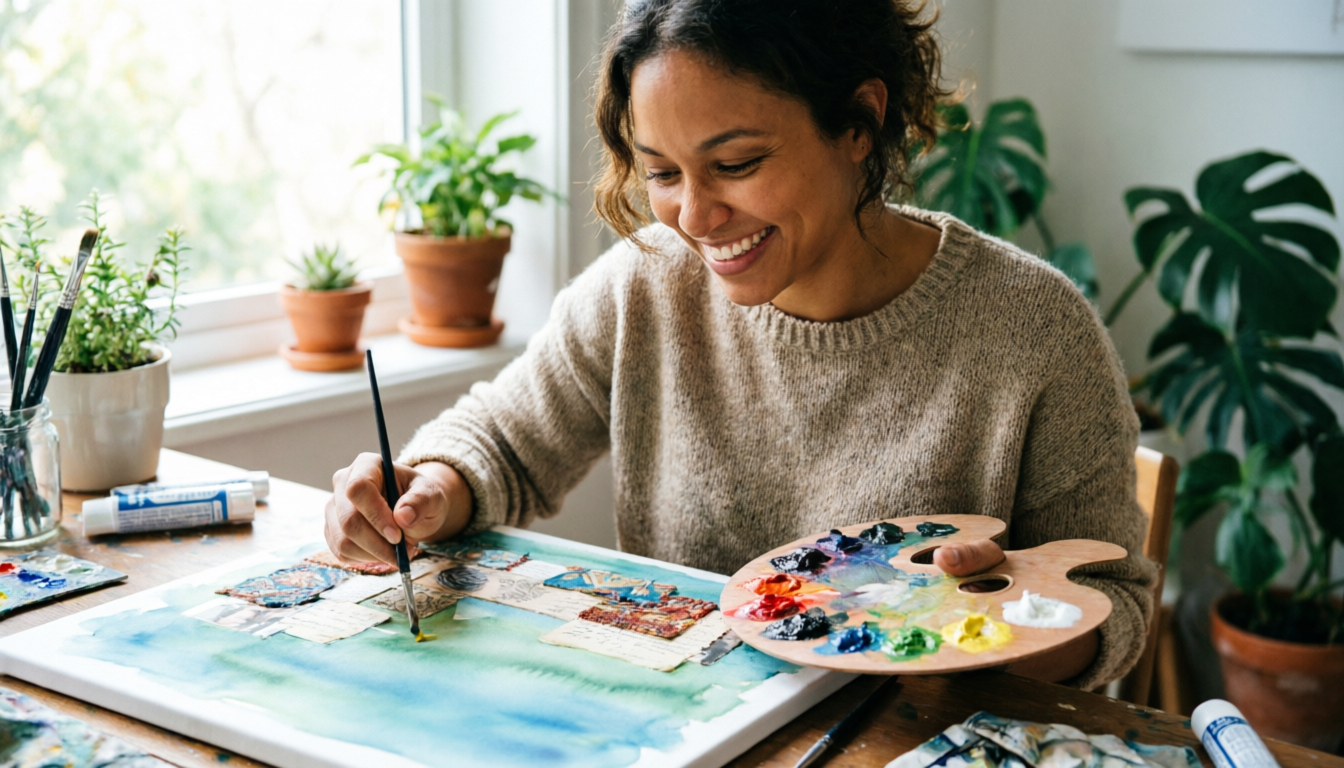
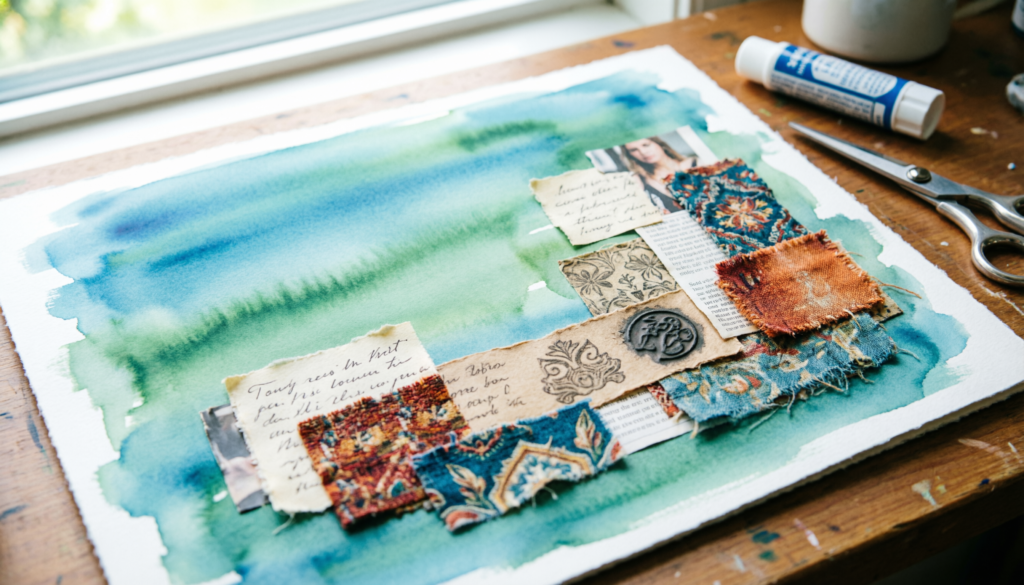
7. Mixed Media Exploration 🎭 Playful & Experimental
Why it works: Combines painting with collage, ink, or found objects—mistakes become features!
Start with: Paint base + magazine cutouts or stamped textures.
Supplies needed: Any paint, glue stick, old magazines, texture tools.
First project: “Memory Collage” – Paint a background, then layer meaningful images or words.
Explore further in our top 10 mixed media art techniques.
🔍 How to Choose Your Perfect Painting Genre (3-Question Filter)
Stuck between options? Ask yourself:
- What feels fun, not forced?
→ Love bold colors? Try abstract or florals.
→ Prefer calm focus? Minimalist landscapes or still life.
→ Crave structure? Geometric patterns. - What fits your space and time?
→ Small apartment? Watercolors or small-canvas abstracts.
→ 15-minute sessions? Quick florals or pattern repeats.
→ Weekend warrior? Larger landscapes or mixed media. - What excites your curiosity?
→ “How do they make it look so real?” → Try simplified portraiture.
→ “I love how colors blend!” → Explore watercolor landscapes.
→ “I want to express my mood” → Abstract is your playground.
✨ Remember: Your first genre isn’t forever. Many artists blend styles or evolve over time. Start where you are.
🚀 Your First Week: A Genre-Explorer’s Action Plan
Day 1-2: Pick one genre from the list above. Gather supplies (keep it simple!).
Day 3: Create your “First Stroke” piece—no pressure, just play.
Day 4: Reflect: What felt joyful? What felt frustrating?
Day 5-6: Try a tiny variation (new color, different brush, add one texture).
Day 7: Share your work (even if just with yourself!) using #MyPaintingJourney.
Need supply guidance? See our essential painting supplies guide.
💡 Modern Tips for Genre Success in 2026
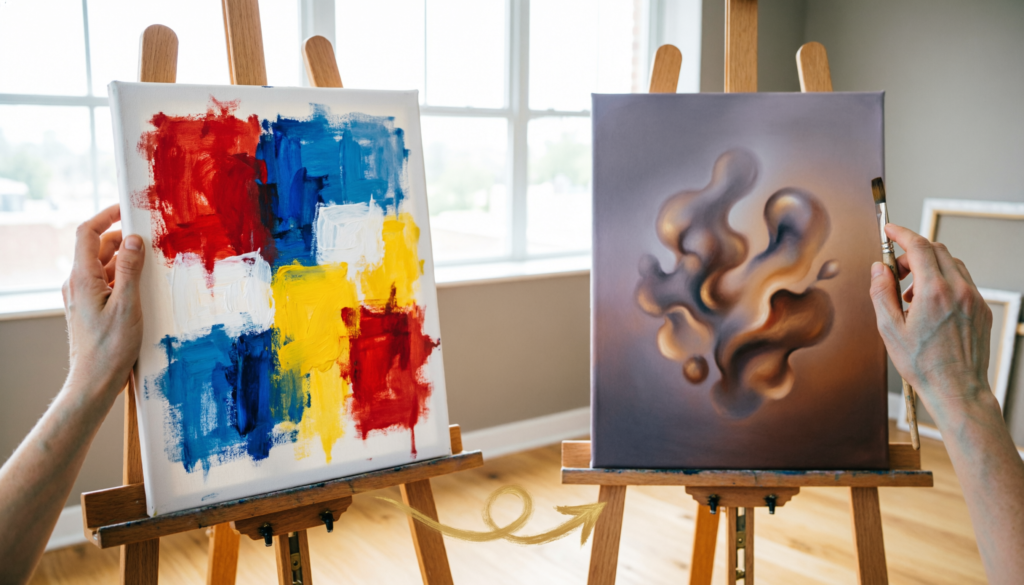
✅ Embrace “ugly” first drafts – They’re data, not failure.
✅ Use digital tools for inspiration – Save mood boards on Pinterest or Instagram.
✅ Join micro-communities – Reddit’s r/BeginnerPainting or Discord art channels offer support without overwhelm.
✅ Track progress, not perfection – Take weekly photos to see your growth.
✅ Cross-train your creativity – Try a genre outside your comfort zone once a month.
Curious about trends? Explore art trends 2026 for fresh inspiration.
❓ Quick FAQ: Painting Genres for Beginners
Q: What’s the easiest painting genre to learn?
A: Abstract or expressive painting—zero rules, maximum freedom.
Q: Do I need expensive supplies to start?
A: No! Student-grade acrylics, a $5 canvas pad, and 3 brushes can launch your journey.
Q: How do I know if I’m “good” at a genre?
A: Shift the question: “Does this genre make me want to paint again?” Joy > judgment.
Q: Can I mix genres?
A: Absolutely! Geometric florals? Abstract landscapes? Innovation lives at the intersections.
Q: What if I get bored?
A: That’s growth! Use our how to find your painting style guide to evolve intentionally.
🌟 Final Brushstroke: Your Genre Is Waiting
Choosing a painting genre for beginners isn’t about picking the “right” one—it’s about starting the conversation between your hand, your heart, and the canvas.
You don’t need permission. You don’t need perfection. You just need curiosity and the courage to make the first mark.
“Art is not what you see, but what you make others see.” — Edgar Degas
Your next step:
- Re-read the 7 genres above.
- Circle the one that made you think, “I could try that.”
- Set a 20-minute timer. Begin.
Explore more beginner pathways at Prominent Painting, where every stroke is a step forward. Tag your first genre experiment with #BeginnerBrush for a chance to be featured.