Have you ever stared at your mixing palette in frustration, trying to create that perfect, rich chocolate brown, only to end up with a murky, unappealing grey? You are not alone. Brown might seem like a simple, boring color, but it is actually one of the most complex and versatile hues in the art world. From the rich earth tones of a landscape painting to the cozy feel of a living room, brown plays a crucial role. While you can always buy a tube of brown paint, knowing how to make brown paint can save you money, expand your creative possibilities, and help you achieve the exact shade you envision.
Key Takeaways:
- Brown is a Composite Color: It’s made by mixing all three primary colors (red, yellow, blue) or complementary pairs.
- Versatility is Key: By adjusting the ratios of your mix, you can create warm, cool, light, or dark browns.
- Troubleshooting Matters: Muddy colors are common; learning to fix them with “opposite” colors is a pro skill.
- Save Money: Mixing your own earth tones reduces the need to buy every tube on the shelf.
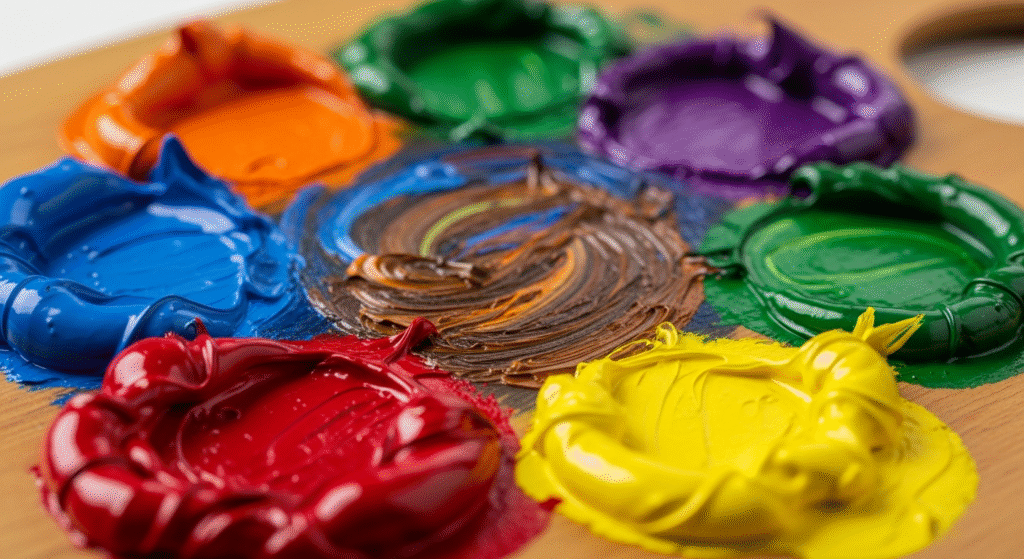
This comprehensive guide will teach you the fundamentals of color mixing, focusing specifically on creating various shades of brown. We’ll explore different color combinations, offer tips for adjusting your brown’s hue and value, and even cover common mistakes to help you master this fundamental skill. Get ready to unleash your inner artist and discover the magic of making your own custom brown paints!
Understanding the Basics: What Makes Brown?
Before we dive into mixing, it’s helpful to understand the basics of color. Brown isn’t considered a primary or a secondary color in the traditional sense. Instead, it’s often described as a composite color, meaning it’s made by mixing other colors together. Think of brown as a ‘darkened orange’ or a ‘desaturated primary color.’
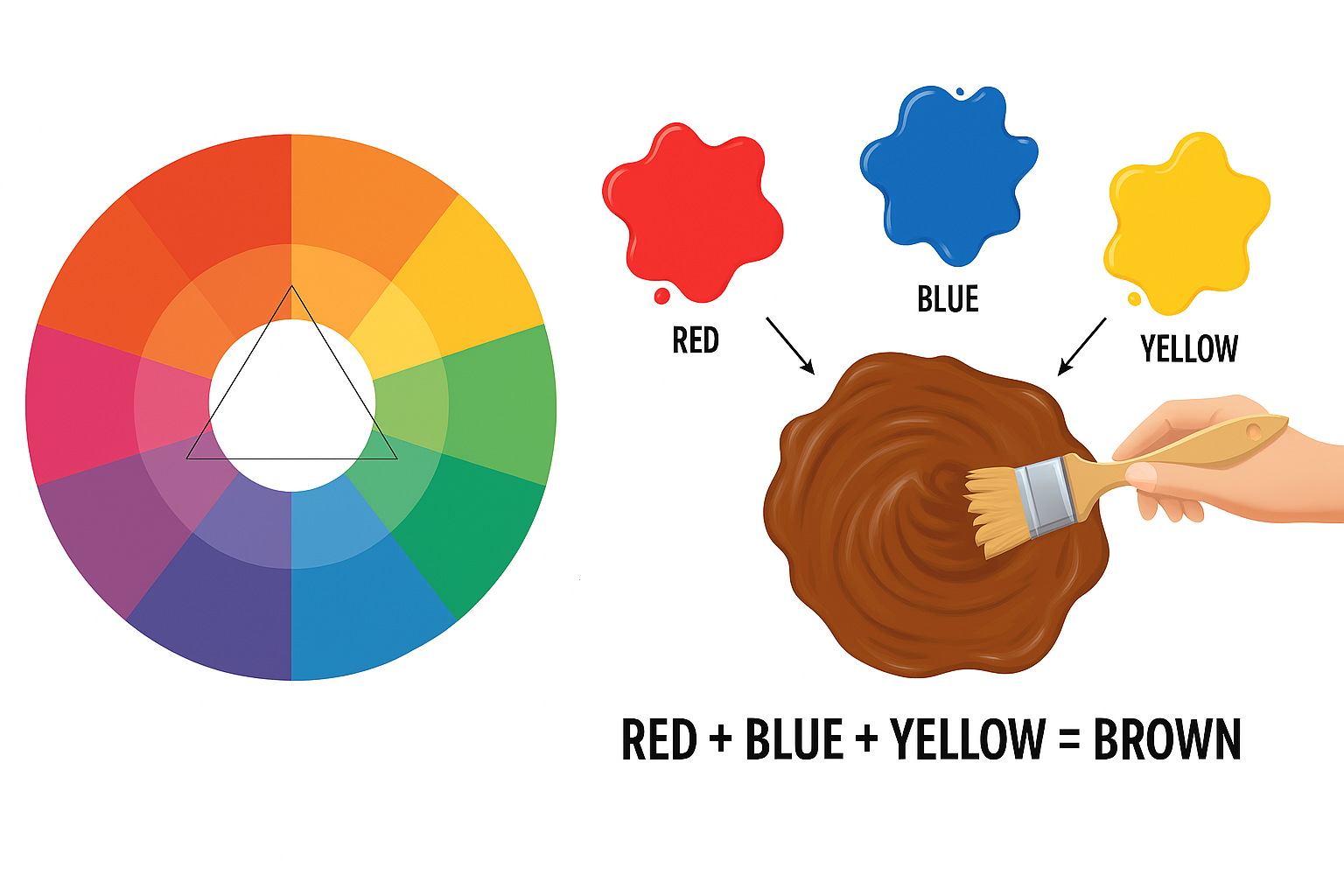
Essentially, brown is a tertiary color, a blend of all three primary colors (red, yellow, and blue) or a mix of a primary color with its complementary secondary color (like red and green, yellow and purple, or blue and orange). This fundamental concept is key to creating a wide range of browns, from warm, earthy tones to cool, muted shades.
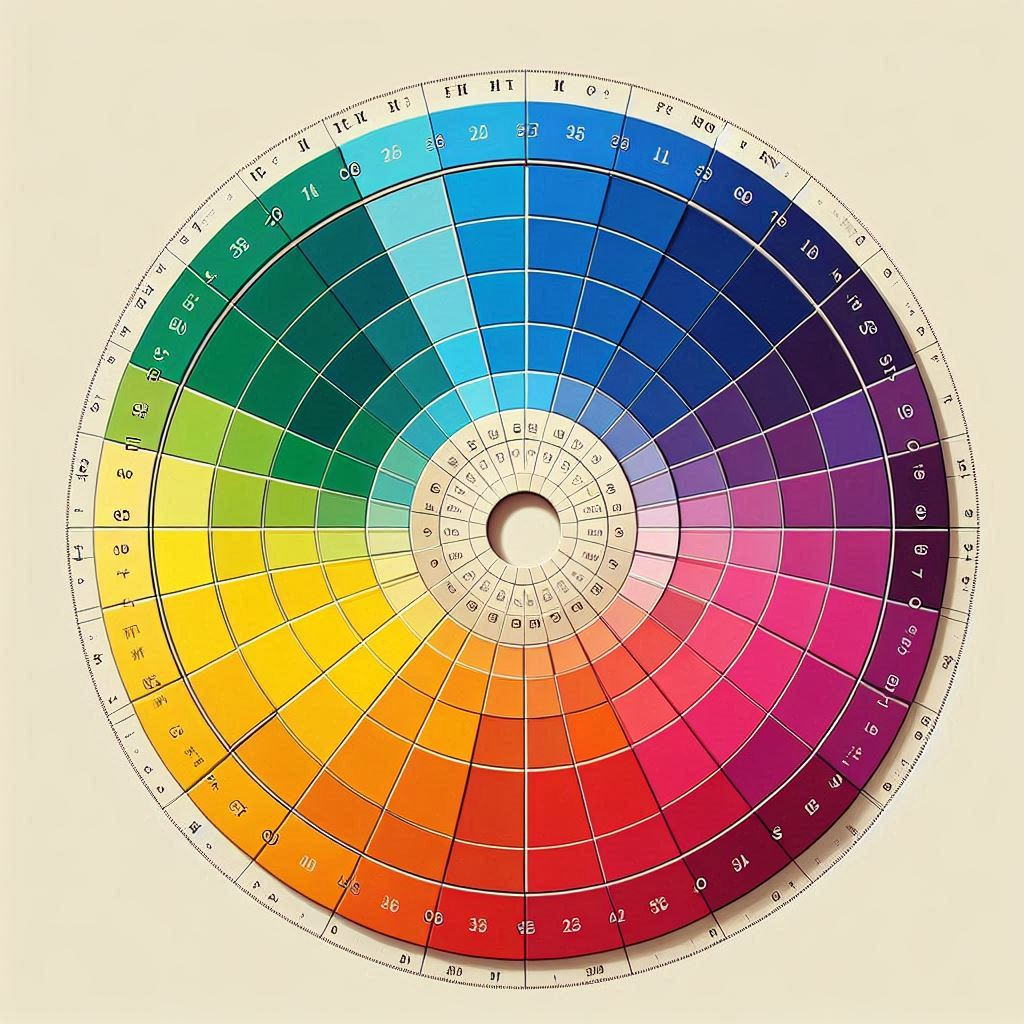
If you look at a color mixing chart, you will see that brown sits in the center, where all colors converge. This is why mixing all your paints together often results in brown (or a dark grey). But we don’t want just any brown; we want control.
“Color is a power which directly influences the soul.”
Wassily Kandinsky
The Classic Method: Mixing Primary Colors for Brown
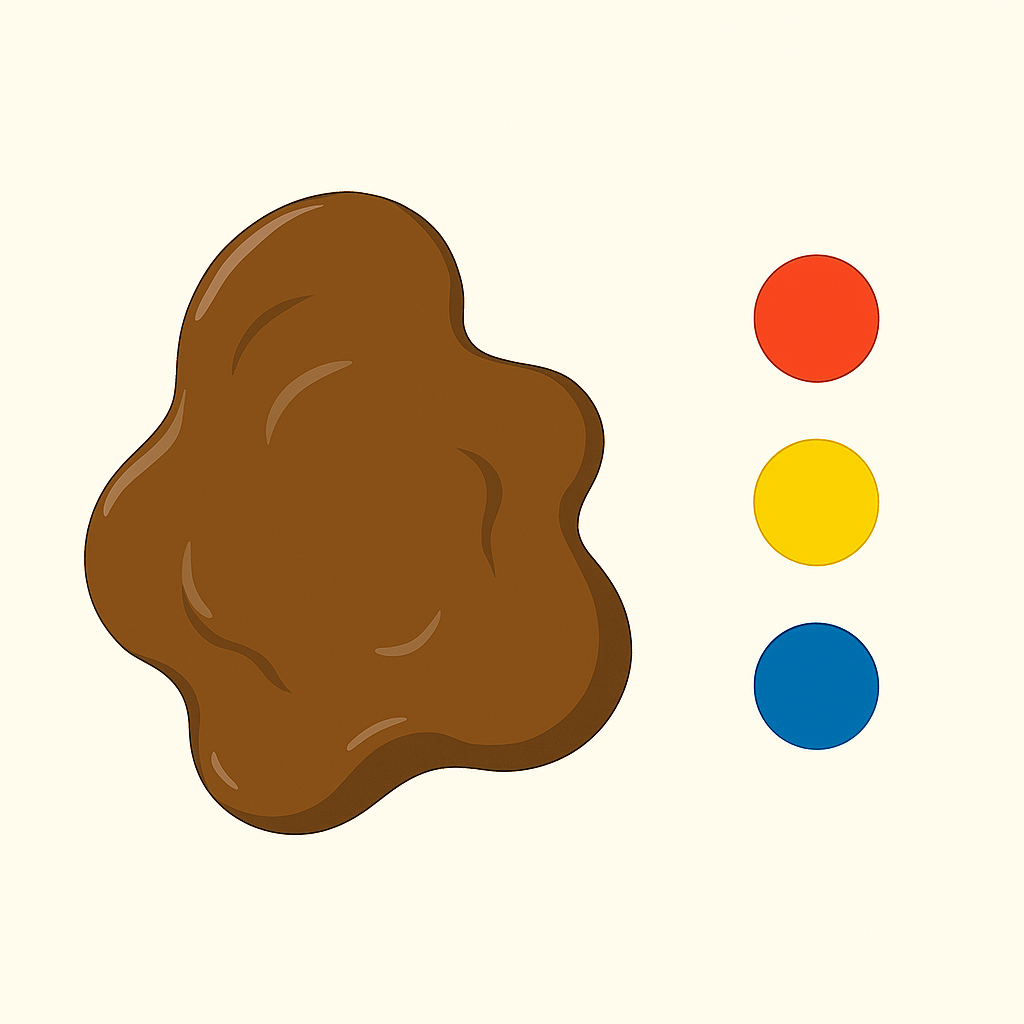
The most common and versatile way to make brown paint is by mixing the three primary colors: red, yellow, and blue. The exact shade of brown you get will depend on the proportions of each color you use and the specific pigments in your tubes.
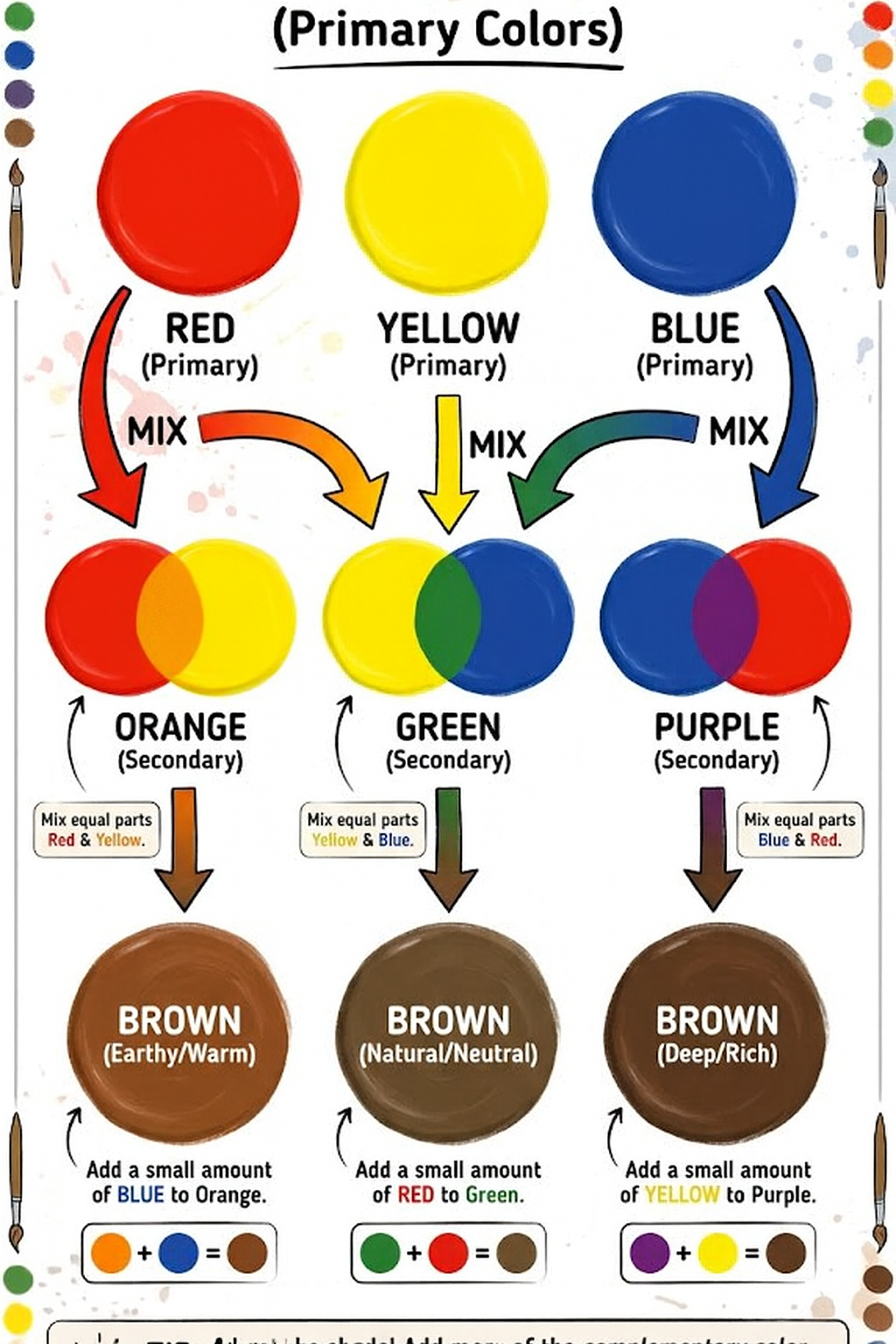
Generally, you’ll want to start with roughly equal parts of all three, then adjust from there.
Step-by-Step Guide:
- Start with Red and Yellow: Mix a bit of red and yellow together. This will create orange.
- Add Blue: Gradually add small amounts of blue to your orange mixture. As you add blue, the orange will start to darken and become less vibrant, shifting towards a brown hue.
- Adjust as Needed: If your brown is too red, add more blue or a tiny bit of yellow. If it’s too yellow, add more blue or red. If it’s too blue, add more red or yellow.
Remember to add colors incrementally, as it’s easier to add more than to take away! This method allows for incredible control over the warmth and coolness of your brown. More red or yellow will result in a warmer brown, while more blue will create a cooler, more muted brown.
This technique works across almost all mediums. Whether you are learning how to make watercolor paint mixes or using heavy body acrylics, the physics of light and pigment remain the same.
Using Complementary Colors
Another fantastic way to make brown is by using color theory in art to mix complementary colors. Complementary colors are opposites on the color wheel. When mixed, they cancel each other out, reducing saturation and creating brown or grey.
- Blue + Orange: Creates a classic, often cooler brown.
- Red + Green: Creates a rich, earthy brown (think holiday colors mixed together).
- Yellow + Purple: Creates a lighter, often gold-tinted brown.
This method is excellent when working with a limited palette, as it prevents you from needing to carry a dedicated tube of brown.
Recipes for Various Brown Shades
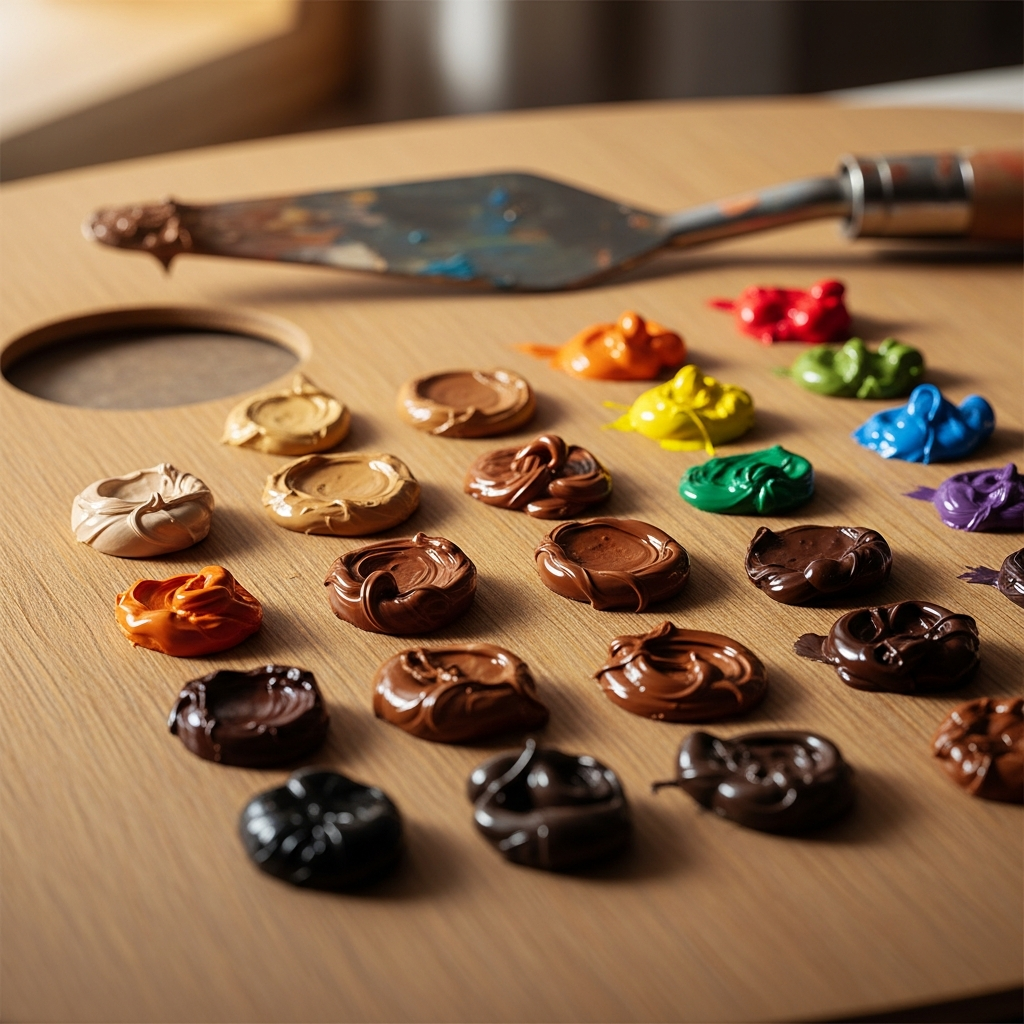
Explore different color combinations to create a variety of brown hues, from warm to cool and dark to light. Use a palette knife to mix these thoroughly before applying them to your canvas.
| Desired Brown Shade | Colors to Mix | Notes for Adjustment |
|---|---|---|
| Classic Neutral Brown | Red + Yellow + Blue (equal parts) | Start with equal parts, then tweak. |
| Warm Earthy Brown | Orange (Red + Yellow) + Blue | More orange makes it warmer (like terra cotta). |
| Cool Dark Brown | Green (Blue + Yellow) + Red | More red warms it up; more blue cools it down. |
| Rich Chocolate Brown | Red + Black (small amount) + Yellow | Start with red, add a tiny bit of black, then yellow to brighten. |
| Light Tan/Beige | Brown (any mix) + White (lots) | Gradually add white to avoiding making it “chalky.” |
| Olive Brown | Green + Orange (small amount) + Red (tiny amount) | Mix green and orange, then dull with red. |
| Sepia Brown | Brown (Red+Yellow+Blue) + a touch of Black and/or Yellow Ochre | Start with a basic brown and darken it slightly. |
Adjusting Your Brown: Hue, Value, and Saturation
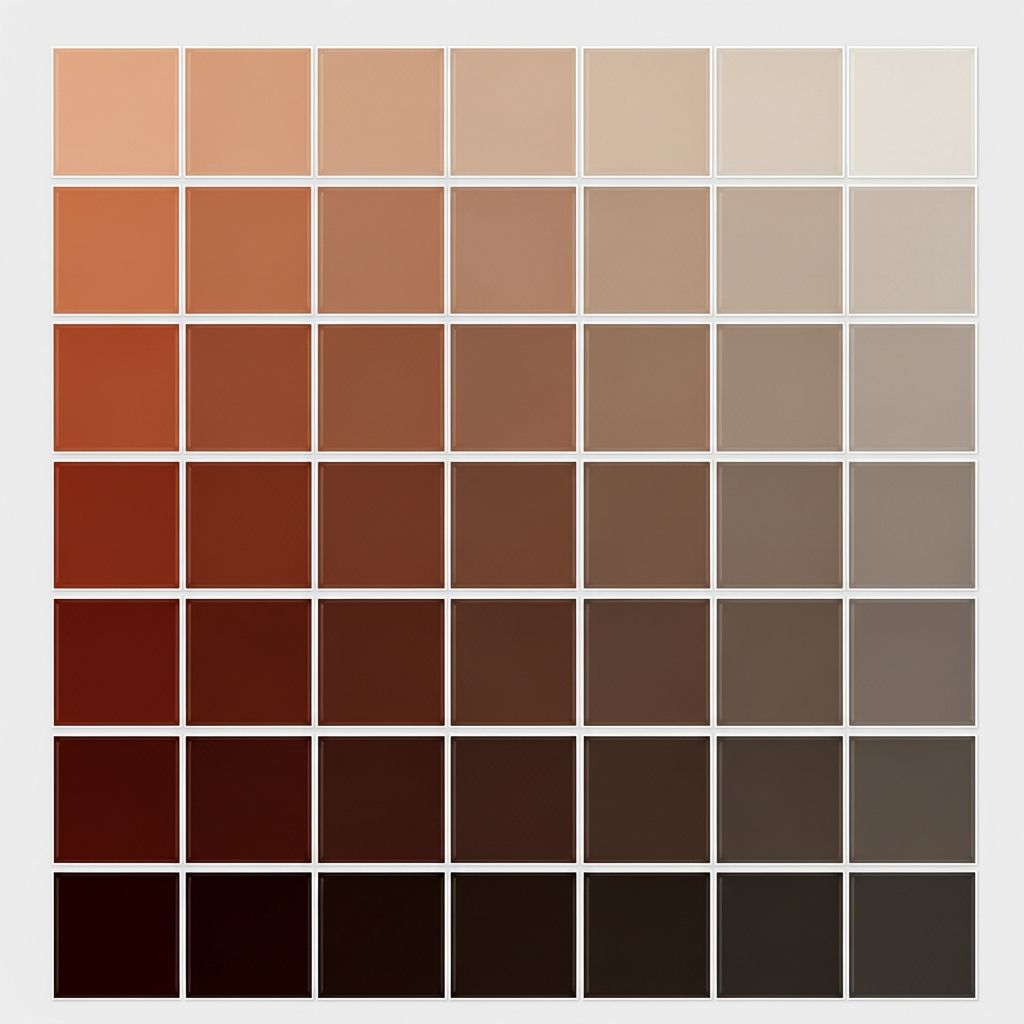
Once you have a basic brown mix, you’ll often want to tweak it to get the perfect shade. This involves understanding three key aspects of color: hue, value, and saturation.
1. Hue (Warmth/Coolness):
To make your brown warmer (more reddish/yellowish), add more red or yellow. For a cooler brown (more bluish/purplish), add more blue or even a tiny bit of purple. Always add small amounts and mix thoroughly. This is essential for creating color harmony in your painting. A warm brown looks great next to cool blues!
2. Value (Lightness/Darkness):
To lighten your brown, add white paint. This will create tints of brown, like beige or tan. To darken your brown, you can add a tiny amount of black (be careful, as black can quickly make colors muddy), or you can add more of the darker primary colors (like blue or red) to deepen the shade without making it dull.
3. Saturation (Vibrancy/Mutedness):
If your brown is too vibrant or “colorful” (which can happen if you lean too heavily on one primary), you can desaturate it by adding a tiny bit of its complementary color (e.g., a bit of green to a reddish-brown, or a bit of purple to a yellowish-brown). Conversely, if it’s too muddy, you might need to add a touch more of a primary color to bring some life back into it.
If you want to master watercolor mixing, keep in mind that you lighten values by adding water, not just white paint!
Common Mistakes and Troubleshooting When Mixing Brown
Mixing colors can be tricky, and even experienced artists make mistakes. Here are some common issues you might encounter when trying to make brown paint and how to fix them.
- Problem: My brown looks muddy/dull.
- Solution: This often happens when you use too much black to darken or accidentally add too many competing colors. Try adding a small amount of a vibrant primary color (like pure red or yellow) to bring back some life. If it’s too far gone, it might be better to start a new batch. This is a common hurdle when learning painting techniques.
- Problem: My brown is too reddish/yellowish/bluish.
- Solution: You’ve likely used too much of one primary color. To correct this, add a small amount of the opposite primary color on the color wheel. For reddish brown, add more green (or blue and yellow). For yellowish brown, add more purple (or blue and red). For bluish brown, add more orange (or red and yellow).
- Problem: I can’t get it dark enough without using black.
- Solution: Black can be very powerful and flatten colors. Instead of black, try adding more blue, or a mix of blue and a dark red (like Alizarin Crimson) to deepen your brown. These will deepen the value without completely desaturating the hue in the same way black does.

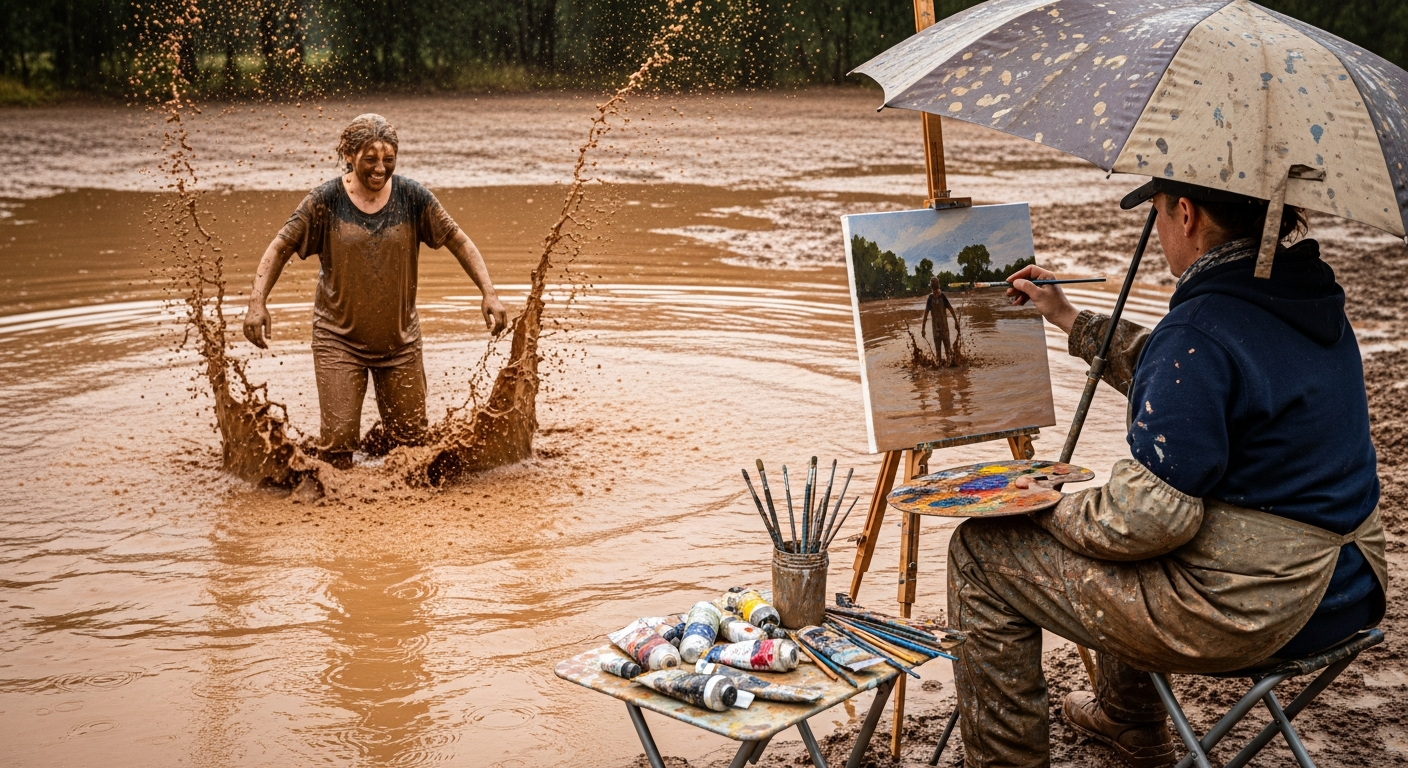
Caption: Don’t despair if your brown turns muddy; a few simple adjustments can often save the day.
Video Tutorial: Mixing Brown Like a Pro
Sometimes seeing is believing. Check out this helpful video that visually demonstrates the mixing process we just discussed.
Conclusion
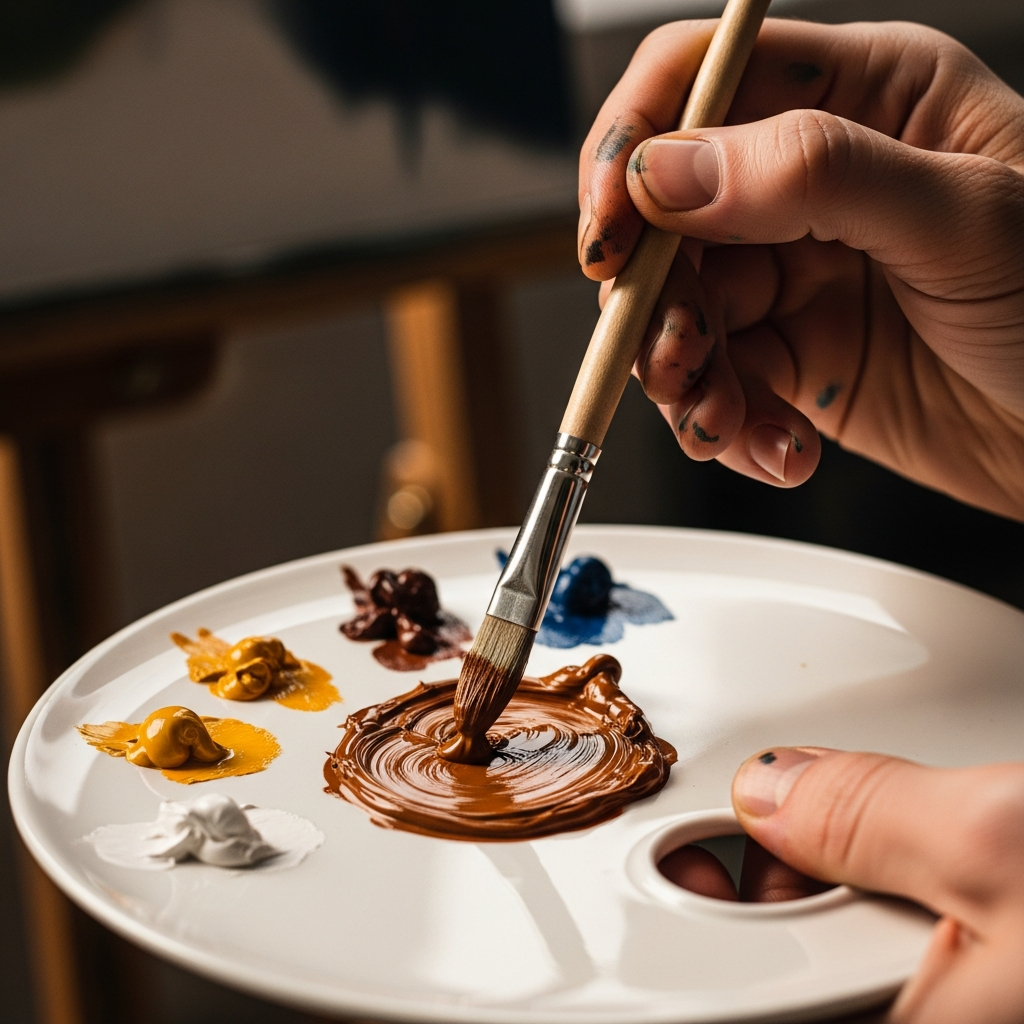
Mastering the art of mixing brown paint is a valuable skill for any artist or DIY enthusiast. By understanding the fundamentals of color theory and experimenting with different combinations of primary and secondary colors, you can create an endless array of brown shades, from deep chocolate to light tan. Don’t be afraid to experiment, make mistakes, and learn from them. With a little practice, you’ll be custom-mixing your perfect browns with confidence and adding a new dimension to all your creative projects. Happy painting!
FAQs: How to Make Brown Paint
What two colors make brown?
While brown can be made with two colors if one is a secondary color, the most common and versatile way to create brown is by mixing all three primary colors: red, yellow, and blue. You can also mix a primary color with its complementary secondary color, such as red and green, yellow and purple, or blue and orange.
How do I make a light brown paint?
To make a lighter brown, first create your desired base brown color using primary colors. Then, gradually add white paint to it until you achieve the desired lightness. Adding more white will create shades like tan or beige.
Can I make brown without red, yellow, and blue?
Yes, you can make brown using other color combinations. For example, you can mix orange (red+yellow) with blue. Another common method is mixing green (blue+yellow) with red. Any combination of a primary color with its complementary secondary color will also result in a brown.
Why does my brown paint look muddy?
Brown paint can look muddy if too much black paint is added, or if there’s an imbalance of colors leading to over-mixing without a clear direction. To fix it, try adding a small amount of a pure primary color (like a vibrant red or yellow) to reintroduce some clarity and life. If it’s too muddy, sometimes starting fresh is the best approach.
What’s the best paint type for mixing brown?
The principles of color mixing apply to most paint types, including acrylic, oil, and watercolor. Acrylics and oils tend to be easier for beginners due to their thicker consistency and longer working time (for oils), allowing for more controlled mixing. Watercolors require a lighter touch but follow the same color theory.