When you walk through the halls of a world-class museum, you’re not just looking at paint on canvas — you’re witnessing stories that have shaped human culture for centuries. Famous painters and paintings have the power to move us, inspire us, and connect us across time and space. From Leonardo da Vinci’s mysterious Mona Lisa to Vincent van Gogh’s swirling Starry Night, these iconic masterpieces represent the pinnacle of human creativity and artistic expression.
Key Points Summary
- Famous painters like Leonardo da Vinci, Vincent van Gogh, and Pablo Picasso created works that transcend their time periods
- The most famous paintings in the world—including the Mona Lisa, The Starry Night, and Guernica—are celebrated for their artistic techniques, cultural significance, and emotional impact
- Understanding different art movements like Renaissance art, Impressionism, and cubism helps us appreciate the historical context of these masterpieces
- Museums around the world preserve these treasures, making art appreciation accessible to millions of visitors annually
- Each painting tells a unique story about the artist’s vision, the era in which it was created, and the universal human experiences it captures
- Vote for your Favourite Painting here
Understanding the Greatest Masters: Famous Painters Who Changed Art Forever
The history of art is defined by visionaries who pushed boundaries and redefined what painting could be. These famous artists and their styles created works that continue to captivate audiences centuries later.
Leonardo da Vinci: The Renaissance Genius
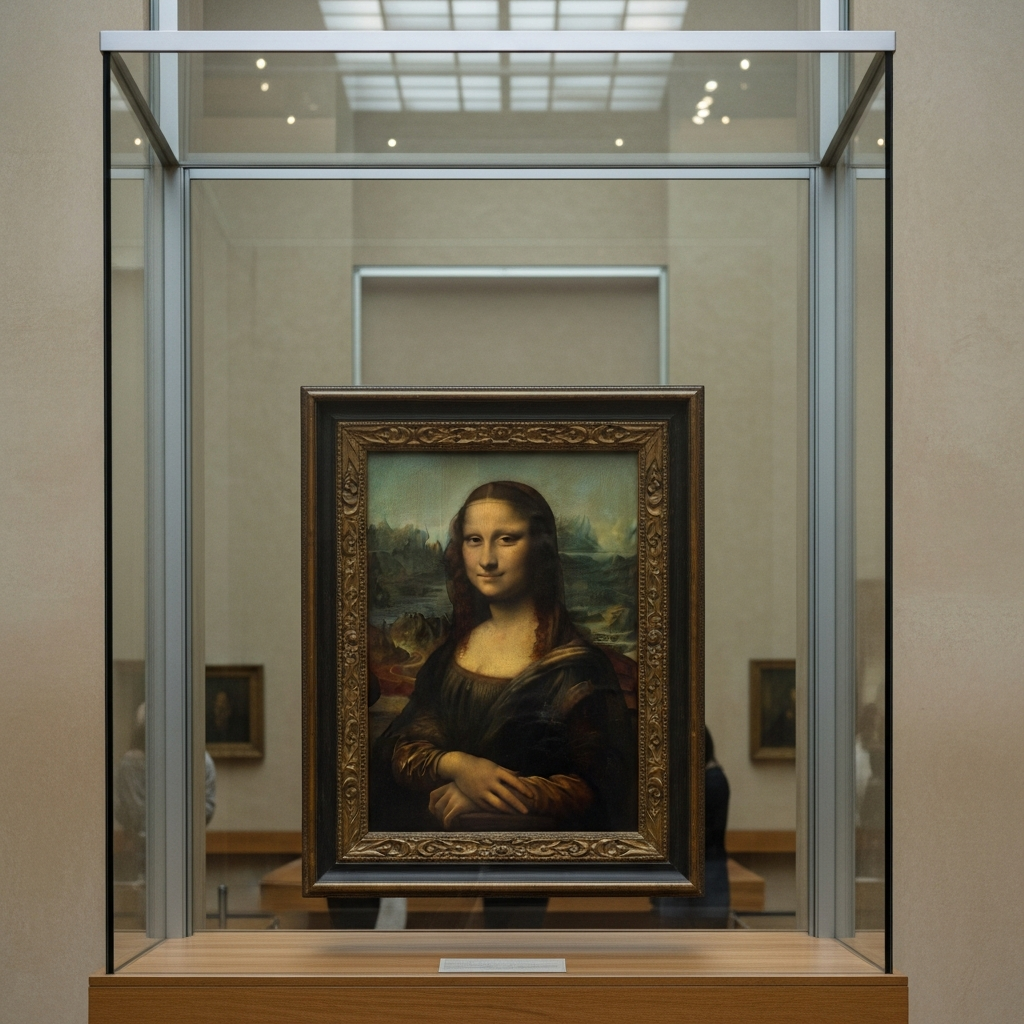
Leonardo da Vinci (1452-1519) stands as the ultimate Renaissance man—an artist, scientist, inventor, and thinker whose contributions shaped Western art forever. His mastery of technique combined with his scientific curiosity produced works of breathtaking beauty and technical sophistication.
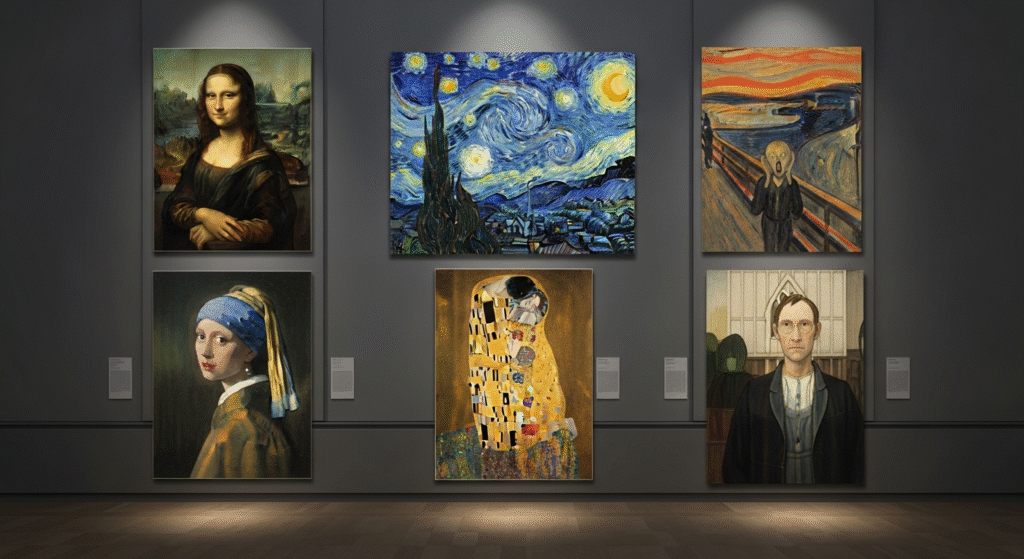
The Mona Lisa (1503-1505) is perhaps the most recognizable painting in human history. Created using the sfumato technique—a method of subtle blending and soft transitions—this portrait captures an enigmatic expression that has fascinated viewers for over 500 years. The painting’s fame grew exponentially after it was stolen from the Louvre in 1911 and recovered two years later, cementing its status as a cultural icon.
The Last Supper (1495-1498) demonstrates Leonardo’s understanding of perspective methods and composition principles. This monumental fresco depicts the moment Jesus announces one of his disciples will betray him, capturing the emotional reactions of each figure with psychological depth unprecedented for its time.
Learn more about Leonardo da Vinci’s most famous paintings and discover the genius behind these Renaissance masterpieces.
Michelangelo Buonarroti: Sculptor and Painter of the Divine
While primarily known as a sculptor, Michelangelo the amazing artist created some of the most powerful paintings in art history. His work on the Sistine Chapel ceiling (1508-1512) represents the pinnacle of Renaissance fresco painting.
The Creation of Adam (1512) is the most famous section of the Sistine Chapel ceiling, showing God reaching out to touch Adam’s finger and give him the spark of life. The anatomical precision, dynamic composition, and spiritual power of this image have made it one of the most reproduced artworks in history.
Michelangelo’s influence on later generations of artists cannot be overstated. His bold use of the human figure, dramatic poses, and emotional intensity set new standards for artistic ambition and technical mastery.
Vincent van Gogh: The Tortured Genius of Post-Impressionism

Vincent van Gogh (1853-1890) lived a life of poverty and mental struggle, yet created nearly 900 paintings that would eventually sell for millions and inspire countless artists. His unique approach to color theory and brushwork techniques revolutionized painting.
The Starry Night (1889) was painted during van Gogh’s stay at the psychiatric hospital in Saint-Rémy-de-Provence. The swirling night sky, glowing stars, and peaceful village below create a dreamlike scene that captures both beauty and turmoil. This masterpiece demonstrates van Gogh’s ability to transform a simple landscape into an emotional and spiritual experience.
Irises (1889) showcases van Gogh’s intense study of nature and his innovative use of color. Painted during the same period as The Starry Night, this work demonstrates his mastery of composition and his ability to find extraordinary beauty in ordinary subjects.
For those inspired by his technique, explore how to paint like van Gogh with practical beginner tips.
Pablo Picasso: The Revolutionary Cubist
Pablo Picasso (1881-1973) was a revolutionary artist who co-founded cubism and changed the course of twentieth-century art. His career spanned over seven decades, during which he explored numerous styles and mediums.
Guernica (1937) stands as one of the most powerful anti-war statements in art history. This massive painting depicts the suffering caused by the bombing of Guernica during the Spanish Civil War. Its stark black, white, and gray palette and fragmented cubist forms convey the chaos and horror of war with devastating emotional impact.
Picasso’s pioneering approach to form and space influenced generations of artists. To understand his revolutionary contribution, read about what is cubism and its lasting impact on modern art.
Famous Paintings That Define Art History
While every painting has its story, certain works have achieved legendary status through their artistic innovation, cultural significance, and enduring popularity.
Renaissance Masterpieces: The Birth of Modern Painting
The Renaissance art movement (14th-17th centuries) marked a rebirth of classical learning and a revolution in artistic techniques. Artists during this period mastered linear perspective, anatomical accuracy, and realistic lighting, creating works of unprecedented naturalism.
Johannes Vermeer’s Girl with a Pearl Earring (c. 1665) demonstrates the Dutch Golden Age mastery of light and intimate portraiture. Often called the “Mona Lisa of the North,” this painting captures a moment of connection between subject and viewer with remarkable simplicity and beauty.
Impressionist Icons: Capturing Light and Moment

The Impressionist artists revolutionized painting by focusing on light, color, and immediate visual impressions rather than fine details and historical subjects.
Claude Monet (1840-1926) was the father of Impressionism, and his water lilies series represents the culmination of his career-long exploration of light and color. These paintings, created in his garden at Giverny, show the same subject under different lighting conditions and seasons, demonstrating his belief that light itself was the true subject of painting. Discover 10 most famous Claude Monet paintings that showcase his mastery.
Understanding what is Impressionism helps us appreciate how this movement transformed art from carefully controlled studio work to spontaneous observations of modern life.
Expressionist Power: Emotion Over Realism
Expressionism prioritized emotional truth over realistic representation, using distorted forms and intense colors to convey inner feelings.
Edvard Munch’s The Scream (1893) is one of the most iconic images in art history. The painting’s wavy lines, intense colors, and anguished figure capture a universal feeling of anxiety and existential dread. Multiple versions exist, including paintings and prints, but all convey the same powerful emotional impact. Learn about Edvard Munch and art therapy to understand how he channeled personal struggle into powerful art.
Modern Art Innovations: Breaking All the Rules
The twentieth century saw unprecedented experimentation as artists rejected traditional representation in favor of new forms of expression.
Gustav Klimt’s The Kiss (c. 1907-1908) represents the pinnacle of Art Nouveau style. The painting’s lavish use of gold leaf, decorative patterns, and romantic subject matter create a dreamlike vision of love and intimacy. Explore more about the golden art of Gustav Klimt paintings and his unique symbolist style.
Grant Wood’s American Gothic (1930) has become an icon of American art, depicting a stern-faced farmer and his daughter in front of their Iowa home. The painting’s precise detail and serious expression have made it both celebrated and parodied countless times. Discover more about Grant Wood the artist and his vision of rural America.
The Artistic Movements Behind the Masterpieces
Understanding art movements helps us see how famous painters and paintings fit into larger historical and cultural contexts.
Renaissance Art: Rebirth of Classical Ideals
Renaissance painting emphasized:
- Mathematical perspective and spatial depth
- Anatomical accuracy based on scientific study
- Classical themes from Greek and Roman mythology
- Religious subjects rendered with unprecedented realism
- Mastery of oil painting techniques
The Renaissance laid the foundation for Western art, establishing principles of composition, perspective, and technique that would influence artists for centuries.
Impressionism and Post-Impressionism: The Modern Revolution
Impressionism broke from academic tradition by:
- Painting outdoors (en plein air) to capture natural light
- Using visible, broken brushstrokes
- Focusing on contemporary subjects and everyday scenes
- Emphasizing color and light over line and form
- Rejecting the polished finish of academic painting
Post-Impressionist artists like van Gogh, Paul Cézanne, and Paul Gauguin built on Impressionism while developing more personal, expressive styles.
Cubism: Revolutionizing Visual Representation
Picasso and Georges Braque developed cubism, which:
- Depicted subjects from multiple viewpoints simultaneously
- Fragmented forms into geometric shapes
- Questioned traditional concepts of space and perspective
- Influenced architecture, sculpture, and design
- Paved the way for abstract art
Cubism’s influence extended far beyond painting, affecting how we think about visual representation itself.
Surrealism and Symbolism: Exploring the Unconscious
Surrealism and symbolism sought to express the inner world of dreams, desires, and the subconscious:
- Salvador Dalí created dreamlike landscapes with melting clocks and strange juxtapositions
- René Magritte challenged perception with ordinary objects in extraordinary contexts
- These movements influenced literature, film, and popular culture
Explore Salvador Dalí paintings that will blow your mind to see surrealism at its most imaginative.
Where to Experience Famous Paintings Today
World-Class Museum Collections
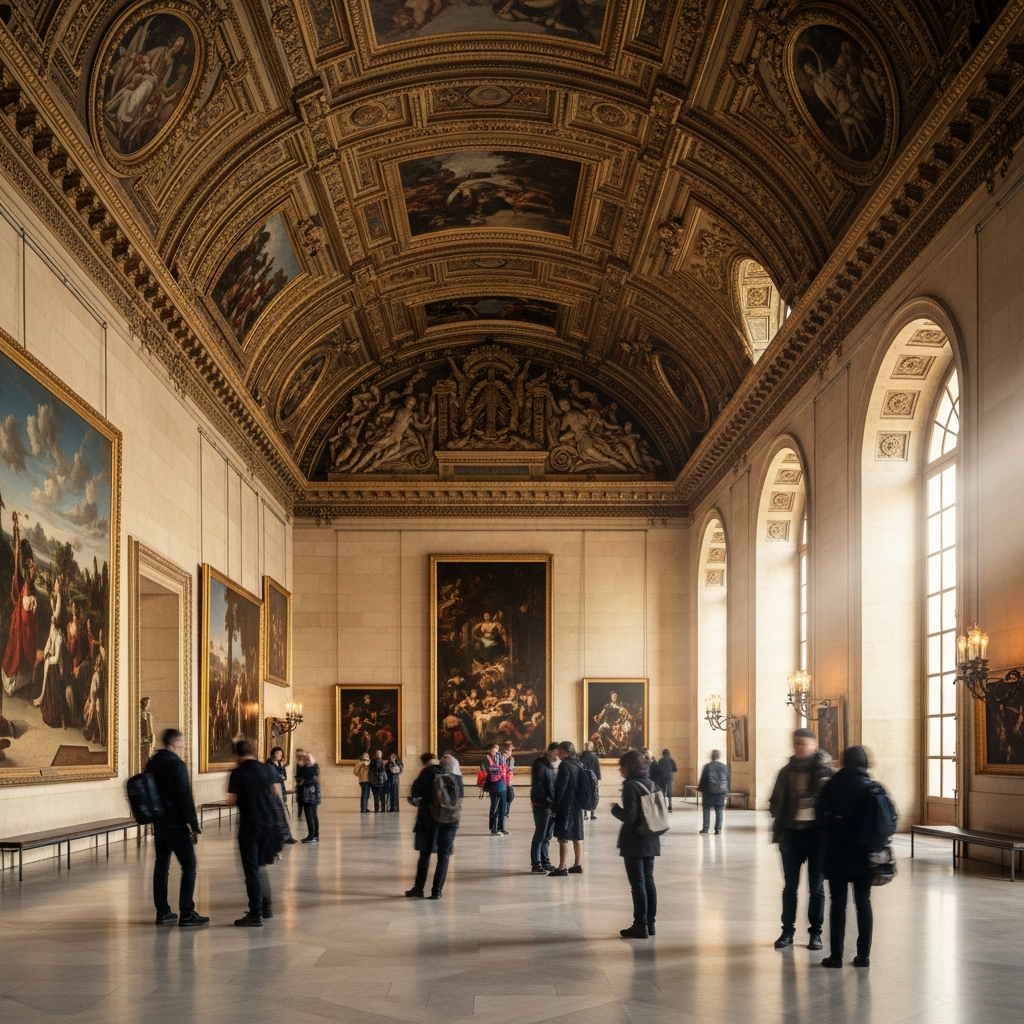
The world’s greatest paintings are preserved in museums that make art appreciation accessible to everyone:
The Louvre (Paris, France) houses over 35,000 works including the Mona Lisa, Delacroix’s Liberty Leading the People, and countless other masterpieces from across history.
The Museum of Modern Art (New York, USA) showcases twentieth-century innovations including van Gogh’s The Starry Night, Picasso’s Les Demoiselles d’Avignon, and works by countless modern masters.
The Prado (Madrid, Spain) contains the world’s finest collection of Spanish art, including works by Velázquez, Goya, and El Greco.
The Uffizi Gallery (Florence, Italy) displays Renaissance treasures by Botticelli, Leonardo, and Michelangelo in the city where the Renaissance began.
For those interested in visiting multiple institutions, learn about art market insights and the most influential art galleries shaping contemporary art today.
Virtual Museum Visits
Many museums now offer virtual art galleries and high-resolution images online, making famous paintings accessible from anywhere in the world.
The Cultural Impact and Artistic Legacy
Famous painters and paintings have shaped culture far beyond the art world. These works influence:
Visual Culture and Popular Media
- Album covers, advertisements, and film design reference famous paintings
- Artistic techniques developed by masters inform modern visual communication
- Stories behind famous artworks inspire books, films, and documentaries
Education and Art Appreciation
Learning how to appreciate art enriches our understanding of history, culture, and human expression. Museums offer guided tours, educational programs, and resources that make art accessible to all ages and backgrounds.
The Art Market
Understanding what makes paintings valuable helps us appreciate both the artistic and cultural significance of these works. Factors include:
- The artist’s reputation and historical importance
- Provenance (ownership history)
- Condition and rarity
- Cultural and historical significance
- Technical mastery and innovation
Recent art market trends show continued strong interest in masterworks by established artists, with record prices being paid for exceptional examples.
Creating Your Own Artistic Journey
Inspired by these masters? Whether you’re interested in oil painting for beginners, watercolor techniques, or acrylic painting, there’s never been a better time to start your own artistic practice.
Understanding Artistic Techniques
Study the methods masters used:
- Composition principles that create balanced, engaging images
- Color theory basics for mixing and harmonizing colors
- Brushwork techniques for creating texture and expression
- Creating depth in paintings through atmospheric and linear perspective
Finding Your Artistic Voice
Every great artist started as a beginner. The journey from introduction to painting to developing your own style involves:
- Regular practice and experimentation
- Studying masters while finding your unique perspective
- Learning from mistakes and embracing the creative process
- Understanding different painting styles and movements
The Enduring Power of Famous Painters and Paintings
Famous painters and paintings continue to captivate us because they speak to universal human experiences. Whether it’s Leonardo da Vinci’s scientific curiosity, van Gogh’s emotional intensity, or Picasso’s revolutionary vision, these artists and their masterpieces remind us of art’s power to transcend time, culture, and language.
These iconic masterpieces from art history do more than decorate museum walls—they challenge us to see the world differently, to feel more deeply, and to appreciate the boundless possibilities of human creativity. As you explore these works, whether in person or through study, you’re connecting with a tradition of artistic excellence that spans centuries and continues to inspire new generations of artists and art lovers.
The next time you stand before a famous painting, take a moment to appreciate not just the technical skill or historical importance, but the human story behind it—the vision, struggle, and triumph that brought that image into being. That’s the true magic of famous painters and paintings: they remind us of what humans can achieve when we dare to see the world through the eyes of imagination.
Frequently Asked Questions About Famous Painters and Paintings
What makes a painting famous?
A painting becomes famous through a combination of factors including the artist’s reputation, technical mastery, historical significance, cultural impact, and the compelling story behind its creation. Works like the Mona Lisa gained fame not just through Leonardo’s genius but also through events like the 1911 theft that captured worldwide attention.
Who is considered the most famous painter of all time?
Leonardo da Vinci is generally considered the most famous painter in history due to the enduring popularity of the Mona Lisa and The Last Supper, combined with his achievements in science, engineering, and anatomy. However, artists like Vincent van Gogh, Pablo Picasso, and Michelangelo are also among the most recognized names in art.
Where can I see the world’s most famous paintings?
The world’s most famous paintings are displayed in major museums globally. The Mona Lisa is at the Louvre in Paris, The Starry Night at MoMA in New York, Girl with a Pearl Earring at the Mauritshuis in The Hague, and The Creation of Adam in the Sistine Chapel in Vatican City.
What is the most expensive painting ever sold?
Leonardo da Vinci’s “Salvator Mundi” holds the record as the most expensive painting ever sold at auction, fetching $450.3 million in 2017. However, many iconic paintings like the Mona Lisa are considered priceless and are not for sale.
How do I start understanding art if I’m a complete beginner?
Start by visiting museums, reading about artists and art movements, and giving yourself permission to simply enjoy what you see without worrying about “understanding” it intellectually. Learning basic concepts like composition, color theory, and historical context enhances appreciation, but personal response is equally valid.
What’s the difference between different art movements?
Art movements represent different approaches, philosophies, and time periods in art history. Renaissance art emphasized realism and classical ideals; Impressionism focused on light and immediate visual impressions; Cubism fragmented forms to show multiple perspectives; and Abstract Expressionism prioritized emotion over representation. Each movement responded to its cultural moment while pushing artistic boundaries.
Can I learn to paint like the famous masters?
While achieving the technical mastery of artists like Leonardo or Rembrandt requires years of dedicated practice, you can learn their techniques and principles. Many artists today study master paintings to understand composition, color, and brushwork. Modern educational resources make learning these techniques more accessible than ever.
Why do some paintings look so different from photographs?
Many famous paintings weren’t trying to replicate reality photographically—they expressed the artist’s vision, emotional response, or conceptual ideas. Artists like van Gogh used distortion and vivid color to convey feeling, while Picasso fragmented forms to show multiple viewpoints simultaneously. The diversity of approaches is what makes art so rich and interesting.
Citations
- The Louvre Museum – Official Collection Information
- The Museum of Modern Art (MoMA) – Collection
- National Gallery, London – Top 20 Paintings
- The Metropolitan Museum of Art – Timeline of Art History
- The Art Story – Modern Art Insight
- Khan Academy – Art History
- The Getty Museum – Conservation and Research
- Tate Modern – Art Terms and Movements
- Smithsonian American Art Museum
- The Art Institute of Chicago – Collection