The story sounds almost too strange to be true: Vincent van Gogh, one of history’s most brilliant artists, supposedly ate yellow paint because he thought it would make him happy. This tale has spread across the internet like wildfire, shared in countless social media posts and art history discussions. But did Van Gogh really eat yellow paint to cure his sadness? The answer might surprise you—and the real story behind this myth reveals something even more powerful about the legendary painter and the human struggle with mental illness.
Key Points Summary:
- The yellow paint eating story is likely a myth with no solid historical evidence
- Van Gogh did struggle with severe mental health issues and was hospitalized multiple times
- He may have consumed paints and other toxic substances during mental health crises, but not intentionally for happiness
- His love of yellow color came from artistic vision, not a desire to “eat happiness”
- The myth reflects our romanticization of troubled artists and mental illness
- Understanding the truth helps us appreciate Van Gogh’s real struggles and artistic genius
The Origin of the Yellow Paint Myth

Where did this story come from? Like many legends about famous artists, the tale of Van Gogh eating yellow paint seems to have evolved through years of retellings, internet folklore, and our collective fascination with tortured geniuses. While the exact origin remains unclear, the story gained significant traction on social media platforms, particularly Tumblr and Twitter, where it became a metaphor for self-destructive behavior in pursuit of happiness.
The myth typically goes like this: Van Gogh was so depressed that he ate yellow paint, believing that consuming the bright, sunny color would bring joy into his dark world. Some versions add that his doctors or friends tried to stop him, making it sound like a deliberate, repeated behavior. It’s a poetic image—a suffering artist literally trying to consume happiness—but that’s precisely what makes it suspicious.
What Historical Records Actually Tell Us
When we dig into the actual historical evidence about Van Gogh’s life, the story becomes much more complex and, frankly, sadder than the internet myth suggests. Vincent van Gogh’s life was extensively documented through hundreds of letters he wrote to his brother Theo and others, yet there’s no mention of deliberately eating yellow paint to become happy.
What we do know from reliable sources:
Medical Records from Saint-Paul Asylum: Van Gogh was hospitalized at the Saint-Paul-de-Mausole asylum in Saint-Rémy-de-Provence from May 1889 to May 1890. Medical records from this period mention that he attempted to poison himself by ingesting paints and other toxic materials during severe mental health episodes. However, these incidents occurred during psychotic breaks, not as a conscious attempt to “eat happiness.”
Letters to Theo: In Van Gogh’s extensive correspondence with his brother, he discusses his mental state, his struggles, and his artistic choices in great detail. He never mentions eating paint as a strategy for happiness, though he does write about his deep fascination with the color yellow.
Dr. Gachet’s Observations: Dr. Paul Gachet, who treated Van Gogh during his final weeks, documented various concerning behaviors, but eating paint for emotional reasons wasn’t among them. The doctor noted that Van Gogh sometimes consumed paint or turpentine during episodes of mental distress, similar to how patients might harm themselves during severe psychiatric crises.
Van Gogh’s Real Relationship with Mental Illness
To understand why the yellow paint myth persists, we need to understand Van Gogh’s actual mental health struggles. The inspiring lives of famous artists often include challenges that shaped their work, and Van Gogh’s story is particularly poignant.
His Documented Mental Health Conditions
Modern mental health experts who have studied Van Gogh’s letters and medical records suggest he likely suffered from several conditions:
| Possible Condition | Supporting Evidence | How It Affected His Life |
|---|---|---|
| Bipolar Disorder | Extreme mood swings documented in letters | Periods of intense productivity followed by deep depression |
| Temporal Lobe Epilepsy | Reports of seizures and hallucinations | Episodes of confusion and altered consciousness |
| Acute Intermittent Porphyria | Attacks of abdominal pain, possible genetic condition | Physical suffering that worsened mental state |
| Borderline Personality Disorder | Unstable relationships and self-harm behaviors | Difficulty maintaining friendships and living situations |
| Lead Poisoning | From paint exposure over years | Could have contributed to psychiatric symptoms |
It’s important to note that Van Gogh lived in an era when mental health treatment was primitive and often harmful. The treatments he received—including isolation, cold baths, and early forms of medication—were far from the compassionate, evidence-based care we have today.
The Ear Incident: A Window into His Struggles
Perhaps the most famous incident in Van Gogh’s life—cutting off part of his own ear in December 1888—demonstrates the severity of his mental health crises. This wasn’t a romantic gesture or artistic statement; it was the action of someone experiencing a severe psychiatric episode, possibly triggered by a conflict with fellow artist Paul Gauguin and exacerbated by alcohol and absinthe consumption.
After this incident, Van Gogh voluntarily entered the asylum at Saint-Rémy, recognizing that he needed help. This shows his awareness of his condition, even during a time when mental illness was deeply stigmatized and misunderstood.
Why Van Gogh Really Loved Yellow Paint
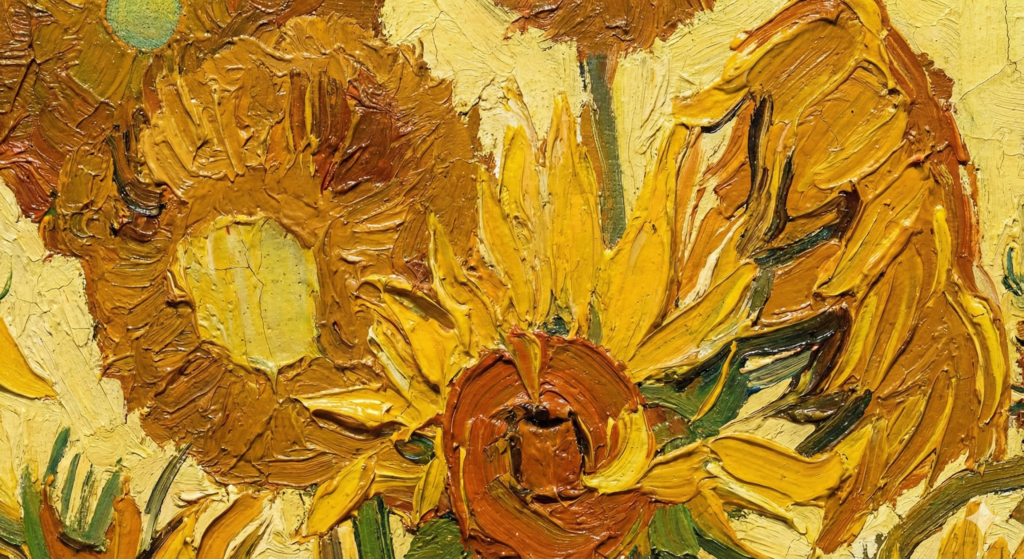
So if Van Gogh didn’t eat yellow paint for happiness, why was he so obsessed with the color yellow? The answer lies in his artistic vision and the revolutionary approach to color that defined Post-Impressionism.
Artistic Reasons for Yellow’s Prominence
Symbolism and Emotion: Yellow represented warmth, light, and the sun in Van Gogh’s work. In his letters, he wrote about yellow as a color that could express happiness, life, and divine presence. He wasn’t trying to eat happiness—he was trying to paint it.
“How wonderful yellow is! It stands for the sun.”
Vincent van Gogh in a letter to his brother Theo
The Influence of Japanese Art: Van Gogh was deeply influenced by Japanese woodblock prints, which often featured bold, flat areas of color including vibrant yellows. This influenced his decision to move to Arles in southern France, seeking brighter light and more saturated colors.
The Technology of Color: During Van Gogh’s time, new synthetic pigments were becoming available, including chrome yellow—a bright, stable yellow that artists hadn’t had access to before. Van Gogh exploited these new materials, sometimes using them so thickly that conservators today worry about the paint degrading.
Complementary Color Theory: Van Gogh studied color theory and understood that yellow and blue, or yellow and purple, create striking complementary contrasts. His famous paintings like “Starry Night” and “Sunflowers” demonstrate this sophisticated understanding of color relationships.
The Provence Period and Yellow Light
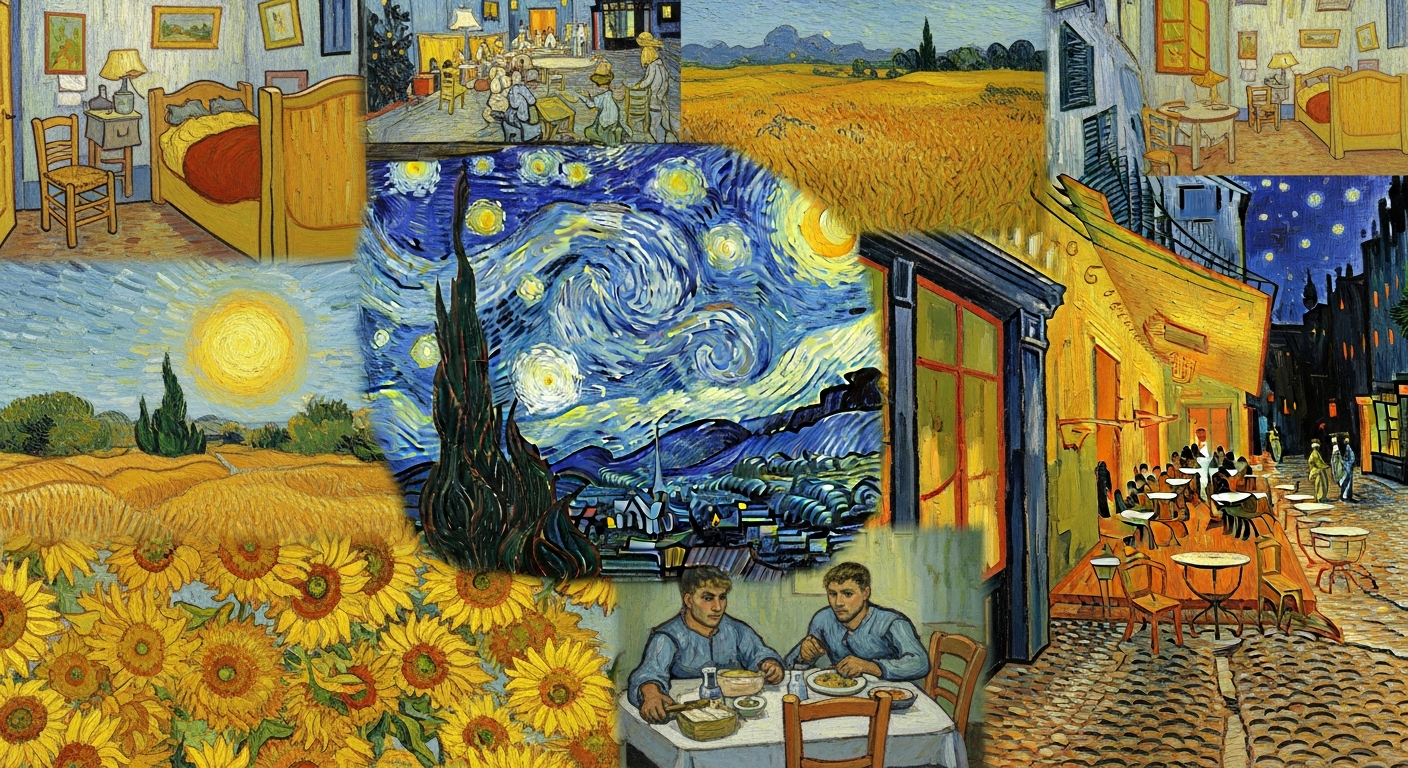
Van Gogh’s move to Arles in February 1888 marked the beginning of his most productive and yellow-dominated period. The intense Mediterranean light of southern France inspired him to create some of his most iconic works, featuring yellows that seemed to glow with inner light.
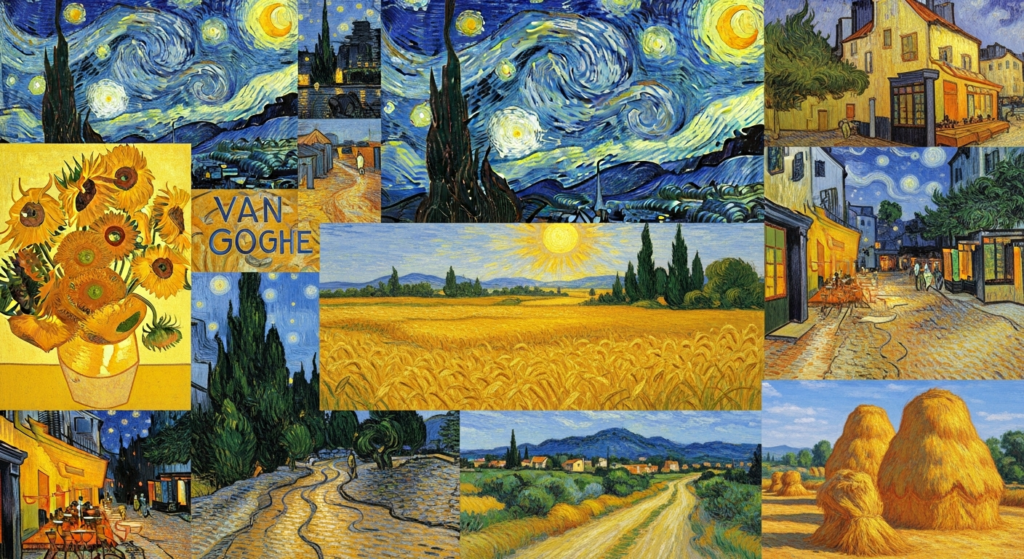
During his fifteen months in Arles, before his mental health crisis forced him into the asylum, Van Gogh produced around 200 paintings. Many of these featured yellows prominently:
- The Yellow House (where he lived and worked)
- Multiple Sunflowers series
- Wheat fields and harvest scenes
- Night Café with its unsettling yellow lighting
- Bedroom in Arles with yellow walls
This wasn’t about eating happiness—it was about capturing the feeling of southern light and using color emotionally and symbolically.
The Dangerous Reality: Toxicity in Art Materials
While Van Gogh probably didn’t eat yellow paint for happiness, the paints he used daily were genuinely dangerous. Understanding the toxicity of art materials in the 19th century helps us grasp why paint consumption—accidental or during mental health crises—was so harmful.
Toxic Pigments in Van Gogh’s Palette
The beautiful colors that make Van Gogh’s paintings so vibrant came at a cost:
Chrome Yellow (Lead Chromate): Van Gogh’s favorite yellow was literally poisonous. Lead chromate, the pigment in chrome yellow, causes lead poisoning when ingested or absorbed through skin over time. Symptoms include abdominal pain, headaches, and neurological problems—symptoms Van Gogh experienced.
Emerald Green (Copper Acetoarsenite): This vivid green contains arsenic and was used by many 19th-century artists, including Van Gogh. Chronic exposure could cause confusion, hallucinations, and other neurological symptoms.
White Lead: Used for white and to lighten other colors, lead white is highly toxic. Artists regularly got lead poisoning from years of handling these paints.
Some historians now wonder whether Van Gogh’s mental health problems were worsened by chronic exposure to these toxic materials. Artists of his era worked with bare hands, licked their brushes to form fine points, and breathed paint fumes in poorly ventilated studios. The long-term effects would have been severe.
Why Artists Might Have Consumed Paint Accidentally
It’s worth noting that paint consumption wasn’t always deliberate. Artists in Van Gogh’s time:
- Licked brushes to maintain fine points (a common practice)
- Worked without protective equipment
- Ate meals in their studios with paint-covered hands
- Breathed toxic fumes from oil paints and turpentine
This chronic low-level poisoning might have contributed to various health problems and potentially exacerbated existing mental health conditions.
The Dangers of Romanticizing Mental Illness

The yellow paint myth persists partly because we tend to romanticize the “tortured artist” concept. This romanticization, while seemingly harmless, can actually be quite dangerous. It suggests that:
- Mental illness is necessary for creativity
- Self-destructive behavior is somehow artistic or beautiful
- Suffering makes art more “authentic” or valuable
- Artists should embrace their mental health struggles rather than seek treatment
This narrative does a disservice both to people with mental illness and to artists. Van Gogh’s greatness came despite his suffering, not because of it. He created his masterpieces during periods of relative stability and struggled to work when his symptoms were severe.
What Van Gogh Actually Wanted
In his letters, Van Gogh repeatedly expressed:
- A desire to recover and continue painting
- Hope for a stable life where he could support himself through art
- Gratitude for periods when his symptoms eased
- Dreams of artistic community and connection
He didn’t want to suffer. He wanted to create art and live a normal life. The tragedy is that he lived in an era that couldn’t adequately treat his conditions.
What We Can Learn from This Myth
The persistence of the yellow paint story teaches us several important lessons:
About Mental Health Awareness
Modern understanding of mental illness has come incredibly far since Van Gogh’s time. Today, conditions like bipolar disorder, schizophrenia, and depression are treatable with therapy and medication. Artists and creative people can get help without sacrificing their creativity—in fact, treatment often enhances creative work by providing stability.
If you or someone you know is struggling with mental health issues, resources are available:
- National Suicide Prevention Lifeline: 988 (US)
- Crisis Text Line: Text HOME to 741741
- International Association for Suicide Prevention: https://www.iasp.info/resources/Crisis_Centres/
About Art History and Critical Thinking
The yellow paint myth reminds us to question romantic stories about artists. Just as Impressionism revolutionized how we see and create art, we should revolutionize how we think about artist biographies—with evidence and compassion rather than mythology.
When you hear a dramatic story about a famous artist, ask:
- What’s the primary source for this information?
- Does it appear in reliable biographies or scholarly works?
- Could this story be metaphorical rather than literal?
- Does it serve a narrative purpose (like romanticizing suffering)?
About Appreciating Van Gogh’s Real Achievement
Understanding the truth makes Van Gogh’s achievements even more impressive. Despite severe mental illness, lack of recognition during his lifetime, poverty, and social isolation, he produced nearly 900 paintings and 1,100 drawings in just over a decade. His dedication to his craft during periods of stability shows remarkable resilience and commitment.
Video: The real story of Vincent van Gogh’s life and struggles
Van Gogh’s Legacy: Beyond the Myths
Today, Van Gogh’s paintings sell for over $100 million, and his influence on art is immeasurable. His expressive use of color, emotional intensity, and visible brushstrokes influenced Post-Impressionist artists and continue to inspire painters today.
His Real Impact on Art
Emotional Color Use: Van Gogh showed that color could express feeling directly, not just describe what things looked like. This influenced Expressionism, Fauvism, and eventually abstract art.
Visible Brushwork: Rather than smooth, invisible technique, Van Gogh’s paintings show every brushstroke. This honesty about the painting process influenced generations of artists who came after him.
Ordinary Subject Matter: Like other Impressionist artists, Van Gogh painted everyday subjects—fields, flowers, workers, his own room—and made them profound through his intense vision.
Letters as Art Documentation: His 800+ surviving letters provide an unprecedented look inside an artist’s thinking process, making him one of the most understood and studied artists in history.
Modern Parallels: Artists and Mental Health Today

The conversation about artists and mental health continues today, but with more nuance and support than Van Gogh experienced. Organizations like the Artists Wellness Center and Creative Minds provide mental health resources specifically for creative professionals.
Research shows that while creative people may experience certain mental health conditions at higher rates, creativity itself isn’t dependent on mental illness. Many successful artists maintain good mental health through:
- Regular therapy and medication when needed
- Healthy work-life boundaries
- Supportive creative communities
- Physical exercise and self-care
- Financial stability and planning
The Truth Behind the Paint
Van Gogh didn’t eat yellow paint to be happy.
That’s a lie we tell ourselves because we’re afraid of the real story. A man fracturing under the weight of his own mind. A painter in an asylum consuming toxic substances during psychiatric collapse. Not poetry. Pathology.
The myth persists because it’s convenient. It packages mental illness into a bite-sized metaphor. Self-destruction as aesthetic choice. Suffering as artist brand. It’s the same impulse that makes people romanticize Frida’s broken spine or Pollock’s drunk driving—turning genuine human anguish into inspirational content for Instagram.
Van Gogh deserves better than this cartoon version of himself.
He used yellow because he understood light. Because he could translate the visceral heat of the Provençal sun into pigment and surface. Because yellow vibrated against blue in a way that made emotional and optical sense. His color choices were deliberate, structurally sound, grounded in observation and theory—not some desperate attempt to swallow joy.
The colors on a canvas reflect artistic vision. Symbolism. Technical mastery. Not consumption. Not therapy.
What he actually did was paint. Obsessively. With a velocity and commitment that most contemporary artists—drowning in social media metrics and algorithmic approval—can’t comprehend. He painted through poverty, through rejection, through episodes that would have hospitalized him permanently if he’d been born fifty years later. He painted because that’s what painters do when the world offers nothing else.
His love of yellow wasn’t about ingestion. It was about application. About the physical act of pushing chrome yellow across rough canvas, building up surface texture, creating light that didn’t just represent the sun but became it through paint’s material properties.
He didn’t eat the sun. He rendered it. Captured its weight and warmth in ways that still fracture our perceptions more than a century later.
That’s the story worth preserving. Not the cute myth. Not the metaphor that reduces a working painter to a cautionary tale about chasing happiness. The truth: a brilliant, tormented man who kept painting when everything else failed him. Who turned his interior darkness into external light through sheer technical commitment and pigment.
That’s harder to tweet. Harder to commodify. But it’s real.
Frequently Asked Questions
What mental illness did Vincent van Gogh have?
While we can’t diagnose historical figures with certainty, experts believe Van Gogh likely suffered from bipolar disorder, possibly complicated by temporal lobe epilepsy, substance abuse, and lead poisoning from paints. His symptoms included mood swings, psychotic episodes, seizures, and periods of deep depression. Modern treatment could have helped him significantly, but such options didn’t exist in the 1880s.
Why are Van Gogh’s paintings so yellow?
Van Gogh chose yellow for artistic and symbolic reasons, not because he ate it or was obsessed in an unhealthy way. Yellow represented warmth, sunlight, and happiness in his artistic vocabulary. The bright Mediterranean light of southern France, where he painted many of his masterpieces, featured prominently yellow tones. He also had access to new synthetic yellow pigments that previous generations of artists didn’t have, allowing him to create more vibrant yellows than ever before.
Did Van Gogh really cut off his ear?
Yes, this incident is well-documented. In December 1888, during a severe mental health crisis possibly triggered by conflict with Paul Gauguin and excessive alcohol consumption, Van Gogh cut off part of his left ear. He then wrapped it and gave it to a woman at a local brothel. This wasn’t a romantic gesture but rather the action of someone experiencing a severe psychiatric episode. He was hospitalized and later voluntarily entered an asylum.
Were Van Gogh’s paints poisonous?
Absolutely yes. Many pigments used in the 19th century contained toxic materials: chrome yellow (lead chromate), emerald green (copper acetoarsenite), and white lead. Artists like Van Gogh worked without protective equipment, often licked their brushes, and breathed toxic fumes. Chronic exposure to these materials could cause neurological problems, abdominal pain, and other symptoms—some of which Van Gogh experienced and which may have worsened his existing mental health conditions.
How many paintings did Van Gogh sell during his lifetime?
Van Gogh famously sold only one painting during his lifetime: “The Red Vineyard,” purchased by Belgian artist Anna Boch for 400 francs (about $2,000 in today’s money). Despite creating nearly 900 paintings and 1,100 drawings in just over a decade, he received little recognition while alive. Today, his paintings regularly sell for tens of millions of dollars, with some exceeding $100 million at auction.
Why do people believe the yellow paint eating myth?
The myth persists because it’s a compelling metaphor for self-destructive pursuit of happiness, and it fits our cultural narrative about “tortured artists.” It’s easy to remember and share on social media, where nuanced truth often loses to simple stories. The myth also reflects genuine elements of Van Gogh’s life—his love of yellow, his mental health struggles, and documented instances of consuming toxic substances during crises—but combines them into a false narrative that’s more poetic than accurate.
Could lead poisoning have caused Van Gogh’s mental illness?
Lead poisoning from paint exposure likely didn’t cause Van Gogh’s mental illness, but it may have worsened his symptoms. Lead poisoning causes neurological problems, confusion, abdominal pain, and behavioral changes—symptoms Van Gogh experienced. However, his mental health issues appeared before his intensive painting period, suggesting underlying conditions that chronic paint exposure may have exacerbated. Modern analysis suggests he probably had multiple conditions, with lead poisoning as a complicating factor rather than the primary cause.
What can modern artists learn from Van Gogh’s story?
Modern artists can learn several important lessons from Van Gogh’s experience: First, creativity doesn’t require suffering—you can seek treatment for mental health issues without sacrificing your art. Second, use safe materials and proper studio practices (ventilation, gloves, not licking brushes). Third, build supportive communities and seek financial stability when possible. Fourth, persistence matters—Van Gogh kept creating even when success seemed impossible. Finally, document your process through writing or other means, as Van Gogh’s letters now provide invaluable insights into his creative thinking.
Citations
- Van Gogh Museum. (n.d.). Vincent van Gogh: The Letters. https://vangoghletters.org
- Blumer, D. (2002). “The illness of Vincent van Gogh.” American Journal of Psychiatry, 159(4), 519-526. https://ajp.psychiatryonline.org
- Arnold, W. N. (1988). “Vincent van Gogh and the thujone connection.” JAMA, 260(20), 3042-3044. https://jamanetwork.com
- Naifeh, S., & Smith, G. W. (2011). Van Gogh: The Life. Random House. https://www.penguinrandomhouse.com
- Hazell, C., & Waterson, C. (2011). “The Illness and Death of Vincent van Gogh.” British Journal of Psychiatry, 198(6), 496-497.
- The Van Gogh Museum Amsterdam. (n.d.). Van Gogh’s Mental and Physical Health. https://www.vangoghmuseum.nl
- National Gallery of Art. (n.d.). Vincent van Gogh: Artist Biography. https://www.nga.gov
- Hulsker, J. (1990). Vincent and Theo Van Gogh: A Dual Biography. Fuller Publications.
- Tralbaut, M. E. (1981). Vincent Van Gogh. Studio Vista/Macmillan.
- Mental Health America. (n.d.). Artists and Mental Health. https://www.mhanational.org