Ever wondered why we flock to see centuries-old paintings but sometimes scratch our heads at modern art? Historical artists often remain more popular because their work focuses on recognizable subjects, technical realism, and stories that have stood the test of time. In this post, we’ll explore the psychology, art market trends, and visual reasons why classical painters still capture our hearts today.
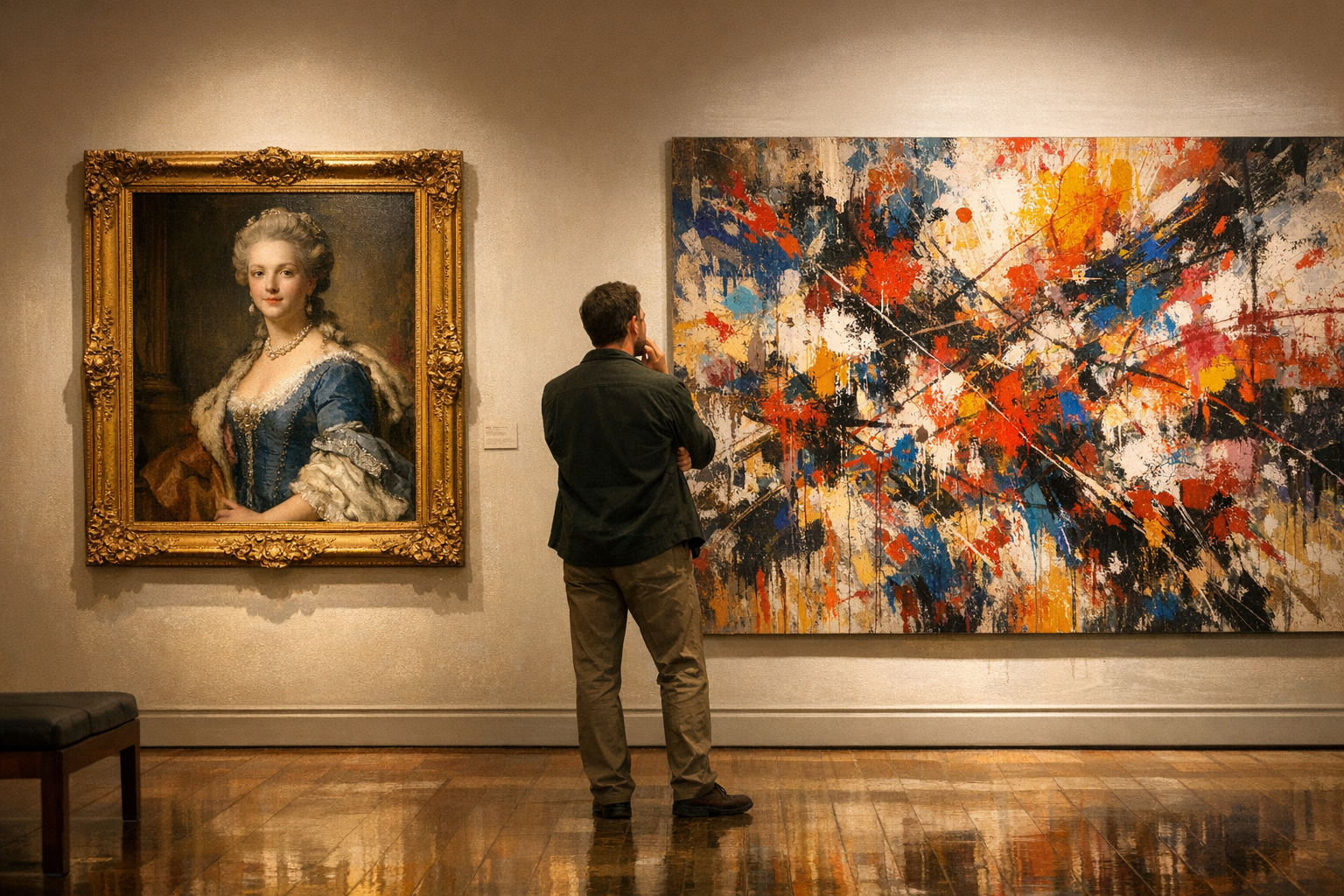
Have you ever stood in a museum and felt mesmerized by a 400-year-old portrait? You admire the incredible details and the lifelike colors. Then you walk into the next room and feel totally confused by a contemporary piece. You’re not alone in feeling this way.
Many beginners ask why are historical artists more popular than contemporary artists. It’s completely normal to prefer the classics. As an arts educator with over a decade of teaching experience, I see this all the time.
Students often feel intimidated by modern galleries. They find comfort in the classical techniques of watercolor and oil. We naturally love what we can easily understand. Older art gives us a clear, beautiful window into the past.
Today, we’ll break down exactly why traditional painters feel more accessible. We’ll explore the psychology behind our preferences and look at how art has changed. Our goal is to make art history easy to grasp, so you can learn about understanding popular art styles with total confidence.
Why Do We Prefer Realistic Art Over Abstract Art?
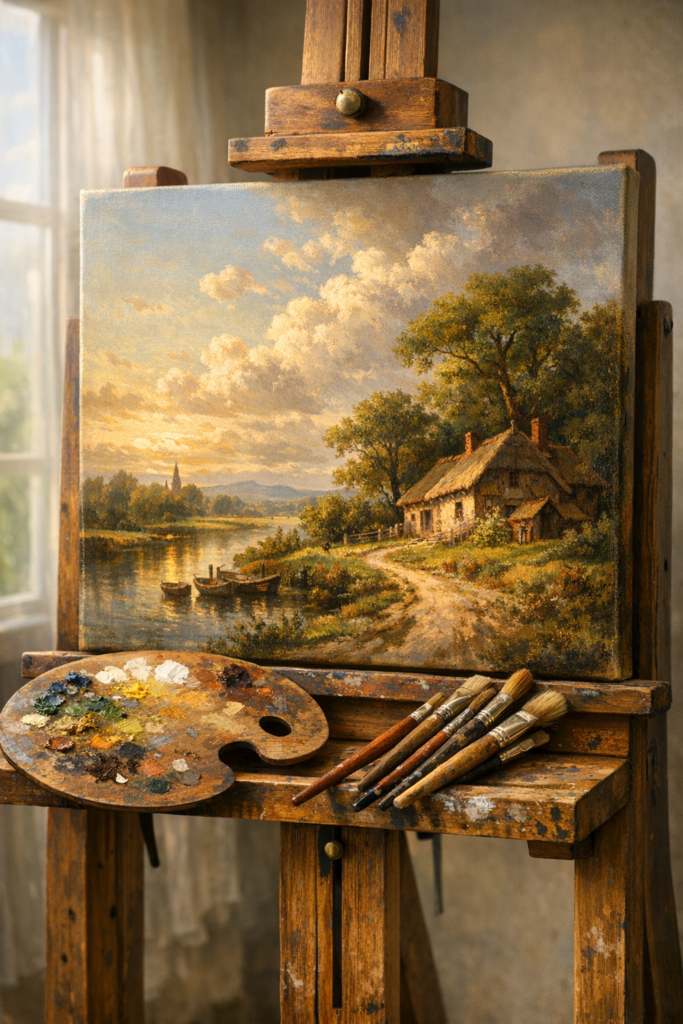
People often prefer realistic art because it is instantly recognizable and easier for our brains to process. Historical artists focused heavily on realism, making their work feel more accessible and relatable to the average viewer without needing a complex explanation.
Our brains love patterns and familiar shapes. When you look at a classic landscape, you know exactly what you’re seeing. A recent psychological study on original artwork found that people highly value the perceived hands-on effort and technical performance of an artist.
We appreciate the visible skill it takes to paint a lifelike face or a detailed tree. Abstract art asks us to look deeper and find our own meaning. That can feel like hard work if you’re new to the art world.
Before cameras existed, painters had to capture reality perfectly. They relied on idealization and specific storytelling techniques, as discussed by history enthusiasts. This focus on clear visual communication makes older paintings feel much more welcoming.
The Power of Survivorship Bias in Art History
When we compare today’s art to the past, we aren’t making a fair comparison. We’re only looking at the absolute best pieces that survived hundreds of years. This concept is called survivorship bias.
Museums only display the true masterpieces. They hide the thousands of mediocre paintings from the Renaissance safely in storage. According to an economic analysis of modern art, hindsight bias heavily shapes our view of these historical greats.
We assume the Old Masters were inevitable geniuses, but many struggled greatly during their time. Today, we see every single piece of contemporary art being made. The good, the bad, and the confusing are all visible on social media.
It’s easy to look at a messy modern painting and think art has declined. However, we simply haven’t let time filter out the masterpieces yet. If you dive deeper into these famous historical artists, you’ll see that even the greats had their fierce critics back then.
How Do Familiar Stories Make Old Paintings More Popular?
Familiar stories make old paintings more popular by connecting viewers to shared history, myths, and human emotions. Historical artists painted well-known tales that give us an immediate emotional hook, whereas contemporary art often explores highly personal or abstract concepts.
In the past, art was a shared communal experience. Painters depicted religious scenes, famous battles, or classical myths. Everyone in society knew these stories well. This made the artwork instantly understandable for the general public.
Traditional British art styles, for example, rely heavily on meticulous attention to detail and classical themes to engage the viewer. Modern artists tend to look inward instead. They paint their own personal feelings or make statements about complex social issues.
This sudden shift can leave viewers feeling left out or confused. In a fast-paced world, art critics note that viewers actively yearn for recognizable aesthetics and visual comfort. We naturally gravitate toward the classic stories we already know and love.
What Are The Latest Art Market Trends for Historical vs. Contemporary Art?
Recent art market reports show a pivot where collectors are increasingly buying Old Masters and Impressionist works. In uncertain economic times, buyers often seek the stability, proven value, and aesthetic comfort that historical artists provide over volatile contemporary trends.
The global art market constantly shifts and evolves. When the economy feels shaky, people want safe and reliable investments. The Art Basel and UBS Global Art Market Report 2026 highlights that the market is returning to established historical artists due to collector risk aversion.
A beautiful landscape by a known master holds its value beautifully. This financial trend isn’t just for billionaires. It influences what local galleries show and what major museums promote.
A recent review of the 2025 art market showed that sales of Old Masters rebounded strongly. If you’re curious about what makes paintings valuable, history and stability play a massive role in those high price tags.
The Changing Definition of Good Art
The very purpose of art has changed drastically over the centuries. For a long time, the main goal was to capture reality perfectly. Good art meant high technical skill and highly realistic proportions.
Then, the modern camera was invented. Painters no longer needed to document the world exactly as it looked. They started experimenting wildly with color, light, and raw emotion.
The evolution of art movements shows a clear shift from strict realism to expressive freedom. Modern art is often about challenging norms rather than just looking pretty.
| Feature | Historical Art | Contemporary Art |
| Primary Goal | Capture reality accurately | Express new concepts and ideas |
| Subject Matter | Myths, religion, portraits | Personal feelings, social issues |
| Technique | Strict realism, fine details | Experimental, abstract, varied |
| Viewer Experience | Instantly recognizable | Requires personal interpretation |
However, the tactile joy of painting remains exactly the same. Traditional, hands-on artmaking still provides a unique and valuable experience for both the creator and the viewer. Whether you love the Old Masters or wild abstract pieces, art is simply about expressing yourself.
It’s perfectly fine if you prefer traditional paintings over modern installations. Historical artists give us beautiful, clear, and highly skilled windows into the past. Their focus on recognizable stories and realistic techniques makes them incredibly welcoming for beginners.
You don’t need an expensive art degree to love a classic landscape or a stunning portrait. The best way to truly understand art is to try making it yourself. Getting your hands messy with paint is highly therapeutic and mindful.
Would you like to start your own creative journey today? Learn how to appreciate art without feeling overwhelmed and pick up a brush to discover the absolute joy of painting for yourself.
Frequently Asked Questions
Why does older art look more realistic than modern art?
Older art looks more realistic because painters had to accurately document the world before cameras existed. They trained for years to master proportions, light, and perspective. Modern artists have the freedom to distort reality to express emotions or concepts.
Are contemporary artists less skilled than the Old Masters?
No, contemporary artists are not necessarily less skilled. They simply use different techniques to achieve different goals. While an Old Master focused on perfect realism, a modern artist might focus on bold color theory or striking compositions.
Why are Old Master paintings so expensive?
Old Master paintings are expensive because they are rare, historically significant, and hold proven value. There is a limited supply of these artworks. Collectors view them as safe, stable investments during uncertain economic times.
What is the difference between modern and contemporary art?
Modern art generally refers to work created between the 1860s and 1970s. This period includes movements like Impressionism and Cubism. Contemporary art refers to the art being made right now by living artists.
How can I learn to appreciate contemporary art?
The best way to appreciate contemporary art is to focus on how it makes you feel rather than what it looks like. Read the artist’s statement to understand their message. Remember that it’s okay to ask questions and take your time exploring.