
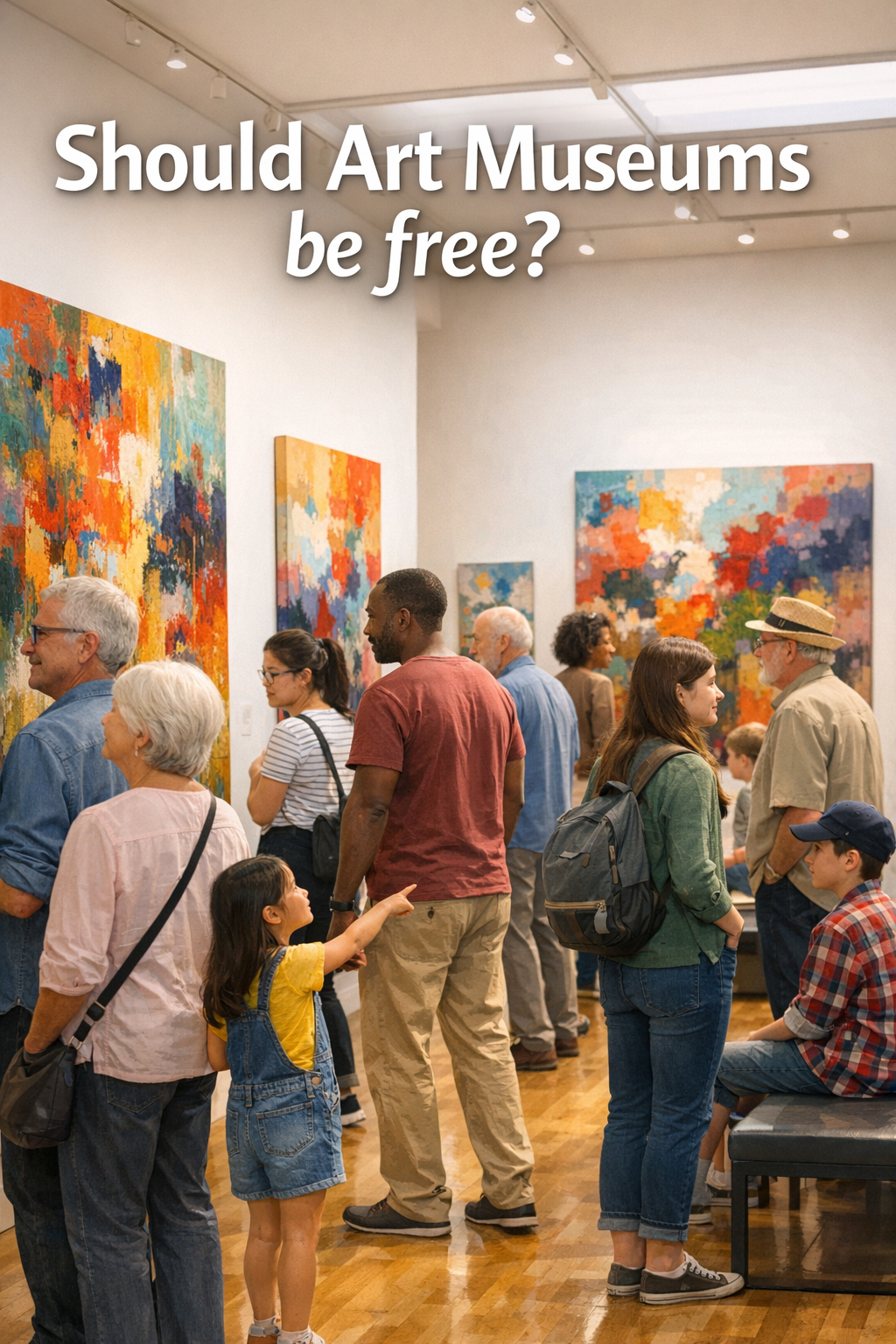
Wondering if you should have to pay to see great art? This post explores the ongoing debate around whether art museums should be free. We’ll look at how ticket prices impact visitor numbers, the hidden costs of running galleries, and why accessible art matters. By the end, you’ll understand both sides of the argument and discover how you can support your local creative spaces.
Have you ever walked up to a beautiful gallery, only to turn around because the ticket price was just too high? You’re not alone. The question of whether should art museums be free is one of the biggest debates in the creative world right now.
As an arts educator and watercolorist, I’ve seen firsthand how interacting with paintings can change a person’s day. Art has a unique power to heal, inspire, and connect us. However, a hefty entrance fee can instantly build a wall between everyday people and these life-changing experiences. For a family on a tight budget, spending sixty dollars just to look at paintings might feel like an impossible luxury.
On the flip side, caring for priceless masterpieces isn’t cheap. Galleries need to pay for security, climate control, and expert staff just to keep the lights on. In my years of teaching, I’ve learned that making art accessible is vital for our communities. Let’s dive into the true impact of admission fees, the surprising data behind free entry, and how we can keep our cultural history open for everyone to enjoy.
Should Art Museums Be Free?
Yes, making art museums free removes financial barriers and transforms them into welcoming community spaces. Free admission allows people from all socioeconomic backgrounds to enjoy the educational benefits of art without worrying about expensive ticket costs, ensuring that culture remains accessible to everyone.
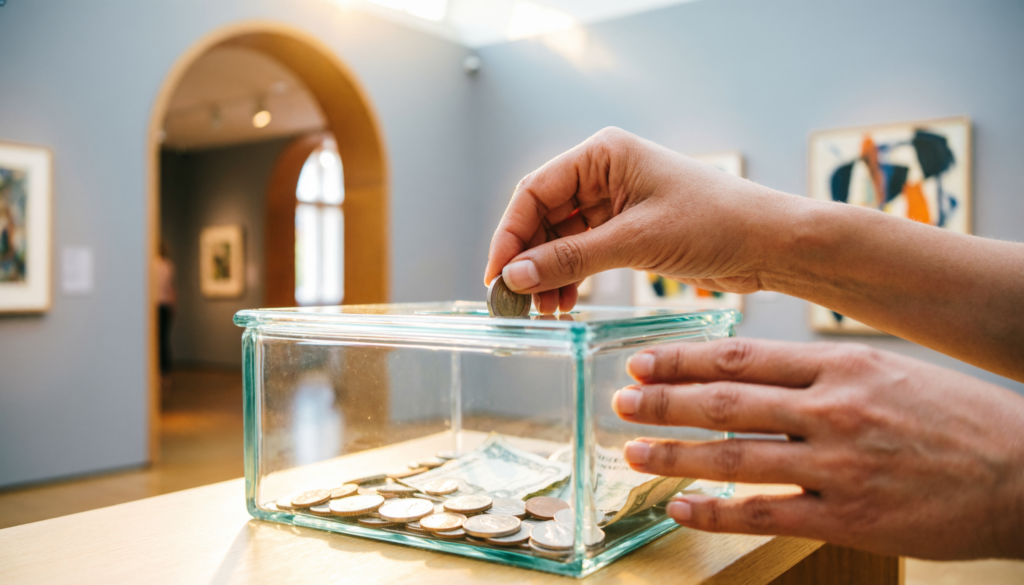
When we remove the price tag from culture, incredible things happen. People start to view the gallery as a regular hangout spot rather than an exclusive club. They might drop in for twenty minutes on their lunch break just to look at a single painting. This casual approach makes art feel much less intimidating for beginners.
If you’re looking for ways to see great work without spending a fortune, you can start by enjoying art on a budget. Many places offer specific days where anyone can walk in at no cost. This simple change sends a powerful message to the public. It tells people that this space belongs to them.
Furthermore, free entry helps to build a stronger sense of local pride. When residents feel ownership over their local institutions, they’re more likely to volunteer or donate. They bring their friends and family, turning a quiet building into a vibrant hub of community life. Everyone deserves the chance to experience why art matters firsthand.
How Do Admission Fees Affect Visitor Numbers?
Charging an entrance fee often significantly reduces the number of people who visit a museum. When institutions drop their ticket prices, they usually see a massive spike in attendance, bringing in diverse community groups who might normally stay away due to high costs.
The data on this is quite striking. A major study on free museum entry in the UK found that when national galleries scrapped their charges, visitor numbers soared by an average of seventy percent. People who previously felt priced out suddenly began filling the halls.
Interestingly, this surge doesn’t just include tourists. Removing the fee encourages local residents to return multiple times a year. They don’t feel the pressure to see every single exhibit in one exhausting trip. Instead, they can take their time to truly appreciate art at their own pace.
However, some experts argue that free entry alone doesn’t automatically solve all diversity issues. While overall numbers go up, the core demographic of visitors often remains highly educated. Galleries still need to put in the hard work of creating welcoming programs to truly reach everyone.
The Hidden Financial Realities of Running a Gallery

While free entry sounds wonderful, we have to look at the practical side of running these massive buildings. Taking care of historical artifacts and delicate watercolor paintings is an incredibly expensive undertaking. Museums face staggering operational costs just to keep their doors open safely.
First, there is the building itself. A modern gallery requires top-tier climate control systems to prevent the art from fading or crumbling. Humidity and temperature must be monitored around the clock. If a museum lacks the funds for this basic upkeep, the artwork will suffer permanent damage.
Then, you have to consider the dedicated staff. Security guards protect the pieces from theft or accidental bumps. Expert curators and restorers spend hours researching and preserving the collection. According to recent research on museum operations, admission revenue helps pay the salaries of these essential workers.
When you take away ticket sales, that money has to come from somewhere else. Some institutions rely heavily on government grants or wealthy donors. Unfortunately, relying solely on charity can be risky during tough economic times. Admission fees provide a steady, reliable stream of income that goes straight into the operating budget.
Do Free Museums Make Financial Sense?
Surprisingly, free museums can actually be more financially efficient than those that charge. Recent data shows that free institutions often spend less money per visitor, as higher attendance numbers help offset their fixed operating costs and encourage more secondary spending in gift shops.
A fascinating report by the think tank Remuseum discovered that museums offering free admission spend an average of 55 dollars per visitor in smaller cities. In contrast, museums that charge an entrance fee spend about 77 dollars per visitor. The higher volume of foot traffic makes the whole operation more cost-effective.
How is this possible? When people get in for free, they tend to spend more cash inside the building. A family that saved sixty dollars on tickets is much more likely to buy lunch at the cafe or grab a souvenir from the gift shop. This secondary spending is a vital lifeline for many cultural centers.
Furthermore, high visitor numbers attract more attention from corporate sponsors and government funding bodies. When a museum can prove it serves a massive portion of the community, it becomes easier to secure large grants. Understanding the diversity of art museums helps us see how different financial models can succeed.
Finding the Perfect Balance for the Future
So, where do we go from here? The answer might not be a simple yes or no. Many forward-thinking galleries are finding creative compromises that keep their finances healthy while opening their doors wider.
One popular approach is the “pay what you wish” model. This allows wealthy patrons to donate generously while ensuring that cash-strapped students can still enter for a few coins. It removes the stress of a fixed price while still generating much-needed revenue for the institution.
Another great strategy is hosting specific free evenings or weekends. This gives everyone a chance to enjoy the collection without completely draining the museum’s budget. During these events, I love seeing families discover the joy of art for well-being. The energy in the room is always electric and inspiring.

Ultimately, we must remember that art isn’t just a luxury for the rich. It’s a shared human heritage. Whether a gallery charges a fee or relies on donations, the main goal should always be to welcome as many curious minds as possible.
Conclusion The debate over free museum entry is complex, but the benefits of accessible art are undeniable. We’ve seen how dropping ticket prices can dramatically boost attendance and invite the whole community inside. At the same time, we can’t ignore the very real costs of preserving our cultural history for future generations.
The best path forward likely involves a mix of smart funding, government support, and community involvement. By exploring alternative pricing models, galleries can stay afloat while keeping the magic of art within reach.
If you’re feeling inspired to get creative today, why not start your own artistic journey? Pick up a brush, mix some colors, and remember that making art is just as important as looking at it.
Frequently Asked Questions
- Why do some art museums charge an admission fee? Museums charge fees to help cover their massive operating costs. These expenses include climate control, security staff, building maintenance, and the preservation of delicate artworks. Ticket sales provide a reliable source of income to keep the facility running smoothly.
- Does free admission actually increase museum attendance? Yes, removing the entrance fee usually leads to a significant increase in visitor numbers. People are more likely to visit casually and return multiple times when they don’t have to pay for a ticket.
- How do free museums make money to survive? Free museums generate revenue through other clever channels. They rely on government grants, wealthy donors, corporate sponsorships, and profits from their on-site cafes and gift shops.
- Are there hidden benefits to offering free gallery entry? Absolutely. Free entry encourages people from all economic backgrounds to experience the educational and therapeutic benefits of art. It also boosts local businesses nearby, as visitors spend money at surrounding restaurants and stores.
- What is the “pay what you wish” admission model? This is a flexible pricing strategy where visitors can choose how much they want to pay for a ticket. It allows those with limited funds to enter for cheap, while encouraging those who can afford it to donate more.