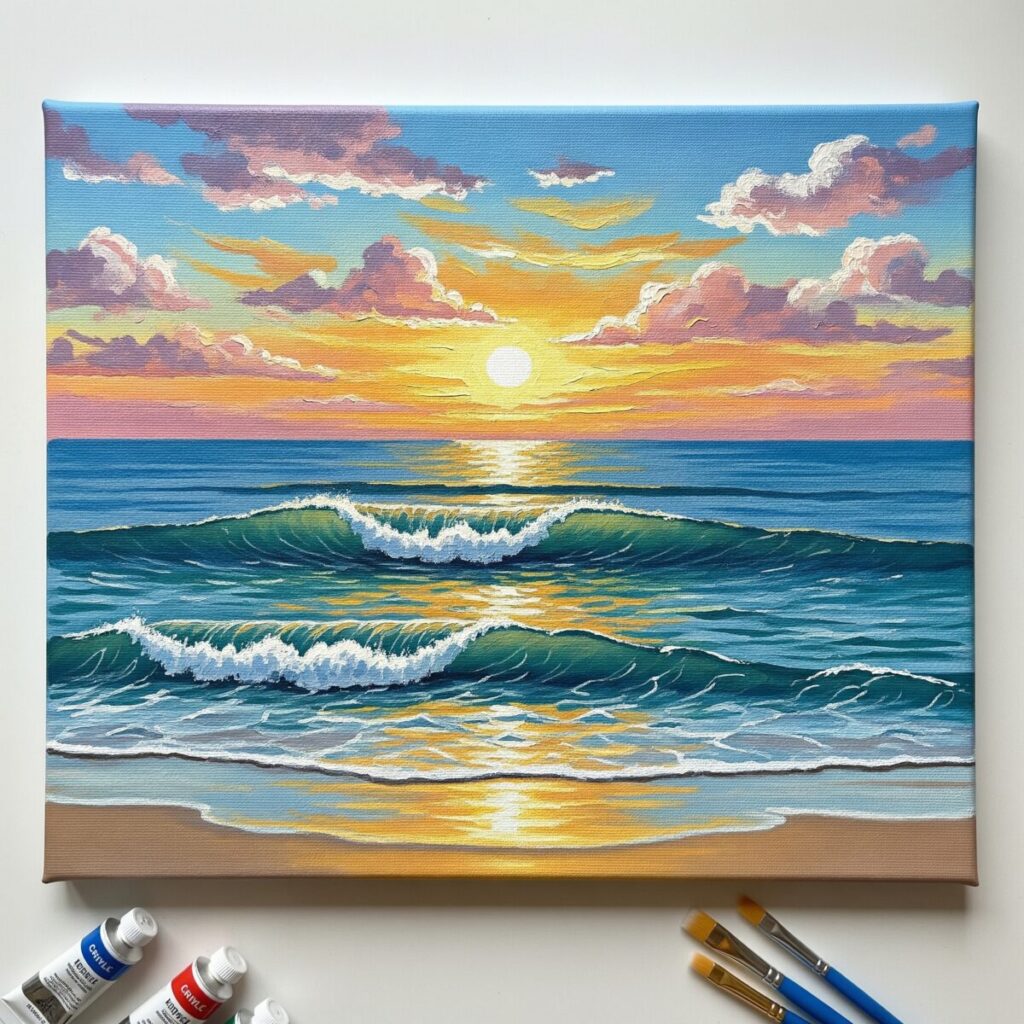

You’ve poured your heart into creating a beautiful acrylic painting. The vibrant colors, the intricate details – it’s a piece you’re proud of. But have you considered how to protect your masterpiece and ensure its beauty lasts for years, even generations? This is where varnishing acrylic paintings becomes essential, an often-overlooked but crucial finishing step that transforms your artwork from simply complete to professionally preserved.
Key Points:
- Varnish provides UV protection and shields against dust, dirt, and moisture
- Enhances colors and creates a uniform finish across your painting
- Apply an isolation coat first for best results and future maintenance
- Choose between gloss, satin, or matte finishes based on your artistic vision
- Wait 1-2 weeks for thin layers, 2-4 weeks for thick impasto before varnishing
- Both brush-on and spray methods can achieve professional results
Why Varnish Your Acrylic Paintings? The Essential Benefits
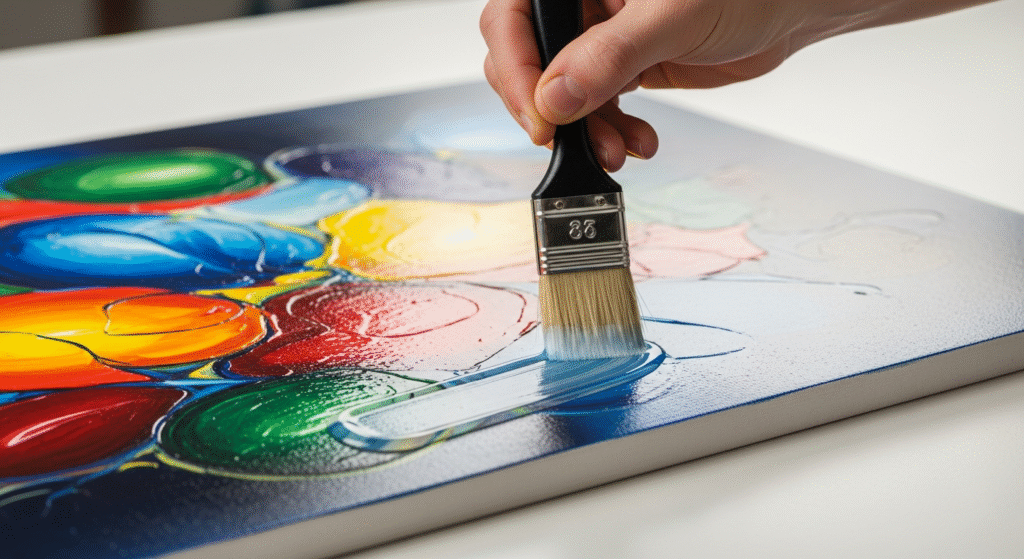
Many artists wonder if varnishing is truly necessary for acrylic paintings. The answer is a resounding yes! While acrylic paint is known for its durability once dry, it remains susceptible to environmental damage. A high-quality varnish acts as a sacrificial, removable layer that takes the brunt of any potential harm, leaving your original artwork untouched.
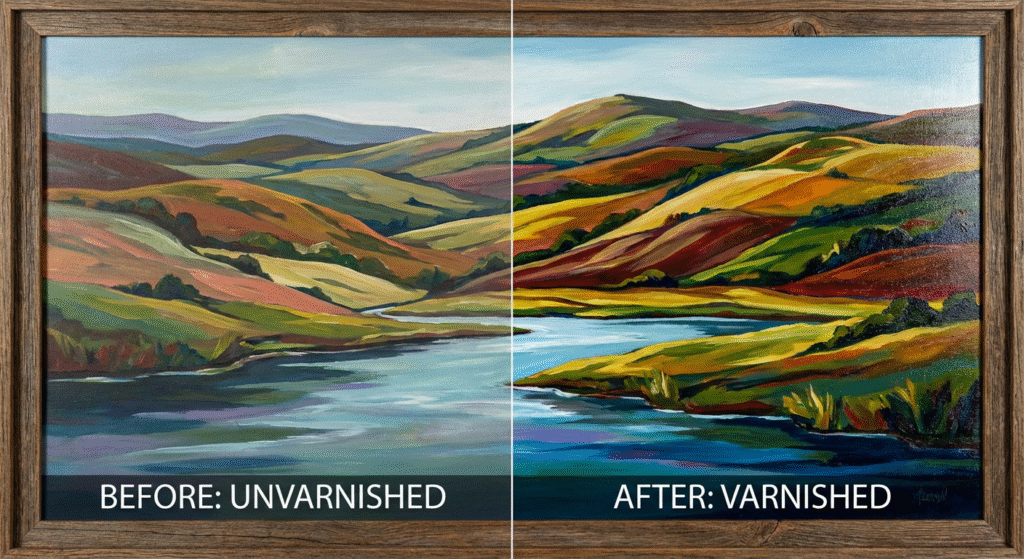
Beyond protection, varnish significantly enhances the visual qualities of your painting. It can deepen colors, create consistent sheen across areas that might have dried with different levels of gloss or matte, and even make your artwork appear more finished and professional. Think of it as the final, perfecting touch that elevates your piece from good to gallery-ready, safeguarding your hard work for future enjoyment.
Understanding color theory basics helps you appreciate how varnish can affect the way viewers perceive your painting’s hues and values. The protective coating not only preserves but can actually intensify the brilliance of your carefully chosen color palette.
Understanding Your Options: Types of Acrylic Varnishes
Before you begin varnishing acrylic paintings, it’s crucial to understand the different types available. Each type offers unique properties and finishes. The most common distinctions are by sheen (gloss, satin, matte) and application method (brush-on, spray).
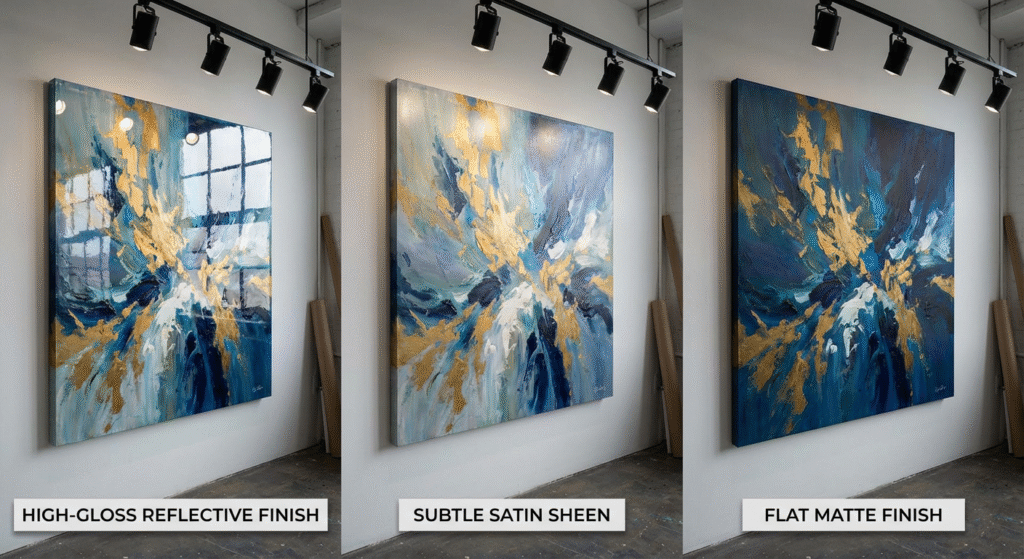
Gloss varnishes offer a high-shine, reflective finish that makes colors appear more saturated and vibrant. Satin varnishes provide a subtle, soft sheen that’s less reflective than gloss but not entirely flat. Matte varnishes give a non-reflective, flat finish, often favored for creating a softer, more subtle look. Most varnishes also come with UV protective properties, crucial for preventing color fading over time.
Brush-on varnishes are typically thicker and allow for more control during application, often coming in liquid form. Spray varnishes are convenient and can offer a very even finish, especially on textured surfaces, but require proper ventilation and technique to avoid drips or uneven coverage.
The choice ultimately depends on your artistic vision and the desired final look of your painting. When choosing the right canvas, you should also consider how different surfaces will interact with your chosen varnish. Experimentation with swatches is always recommended before applying varnish to your finished artwork.
The Crucial Isolation Coat: Your Painting’s Safety Net
Before applying your final varnish, many professional artists recommend adding an ‘isolation coat.’ This is a permanent, non-removable clear barrier layer applied directly over the dry acrylic paint before the removable varnish. Think of it as a clear primer specifically for your varnish.
Why is it so important? First, it provides a buffer between your painting and the removable varnish. If you ever need to clean or remove the varnish in the future, the isolation coat ensures your paint layers remain protected. Second, it creates a uniform surface, which helps the varnish apply more smoothly and evenly, preventing the varnish from potentially soaking into more absorbent areas of your paint surface.
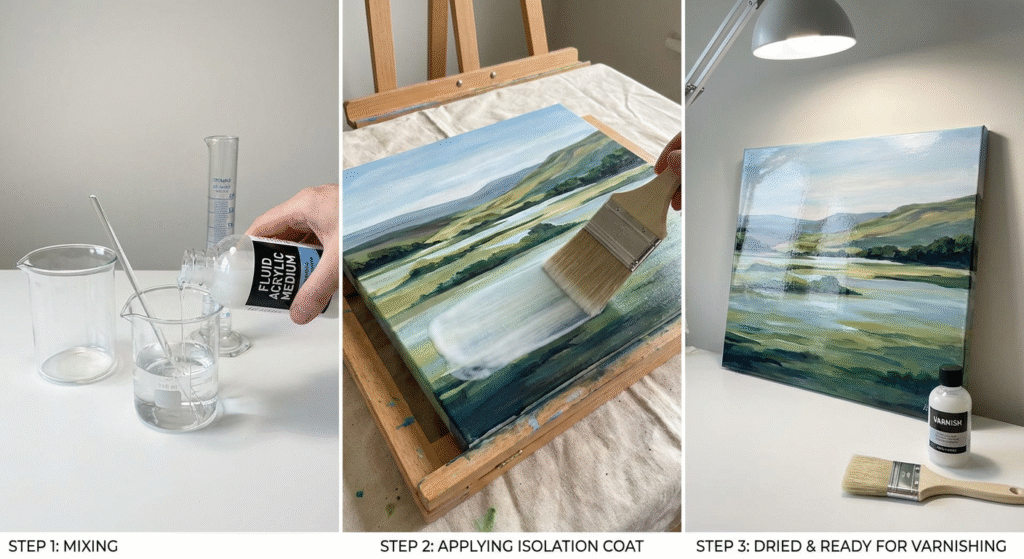
To make an isolation coat, you can typically use a fluid acrylic medium (like Golden’s GAC 500 or Soft Gel Gloss) thinned slightly with water (e.g., 2 parts medium to 1 part water). Apply it with a soft, wide brush in one or two thin, even coats, allowing each coat to dry completely. This step, while adding a bit more time, is invaluable for the longevity and future maintenance of your artwork.
Just as preparing your canvas properly sets the foundation for a great painting, an isolation coat sets the foundation for proper varnishing.
How Long to Wait Before Varnishing Acrylic Painting
This is critical: wait at least 1-2 weeks for thin acrylic layers to fully dry and cure before varnishing acrylic paintings. For paintings with thick impasto technique, it’s safer to wait 2-4 weeks or even longer, depending on humidity and ventilation.
Applying varnish too soon can trap moisture and cause cloudiness or cracking. Acrylics dry quickly on the surface but can take days or even weeks to fully cure, especially with thick applications. Environmental factors like humidity and temperature also affect drying time.
When working with different painting surfaces, drying times may vary. Always err on the side of caution – rushing this step is one of the most common mistakes artists make.
Acrylic Varnish Application Methods: A Quick Comparison
| Feature | Brush-On Varnish | Spray Varnish |
|---|---|---|
| Control | High precision, excellent for textured surfaces | Lower control, risk of overspray |
| Finish Evenness | Can show brush strokes if not careful, smooth with practice | Very even and smooth, especially for large areas |
| Drying Time | Longer per coat due to thicker application | Faster drying between thin coats |
| Ventilation Needs | Minimal, just well-ventilated room | High – requires respirator and outdoor/well-ventilated space |
| Cost | More economical for frequent use (concentrated) | Can be more expensive per painting, especially large works |
| Best For | Textured paintings, intricate details, precise layering, small to medium sizes | Smooth paintings, large canvases, uniform finish |
Understanding your painting techniques will help you determine which varnishing method works best for your artistic style.
Step-by-Step Guide: How to Varnish Acrylic Paintings Like a Pro
Regardless of whether you choose brush-on or spray varnish, preparation and technique are key to achieving a flawless finish when varnishing acrylic paintings. Follow these steps carefully to ensure the best results.
Step 1: Ensure Your Painting is Fully Dry
This is critical for successful varnishing acrylic paintings. Acrylics dry quickly on the surface but can take days or weeks to fully cure, especially with thick applications. Wait at least 1-2 weeks for thinner paintings, and 2-4 weeks or more for thicker works. Applying varnish too soon can trap moisture and cause cloudiness or cracking.
Step 2: Clean Your Painting
Ensure the surface is free of dust, lint, pet hair, or any debris. You can use a soft, dry brush or a lint-free cloth. For stubborn dust, a very slightly damp (with distilled water) lint-free cloth can be used, but ensure the painting is bone dry afterward. This step is crucial when organizing your painting tools and workspace for varnishing.
Step 3: Apply an Isolation Coat (Recommended)
As discussed, this protective layer is highly recommended. Mix your fluid medium and water, apply thinly and evenly with a soft brush, and let it dry completely (at least 24 hours, or until crystal clear).
Step 4: Apply Your Varnish
For Brush-On Varnish:
Stir (do not shake to avoid bubbles) your varnish gently. Use the best paint brushes – a wide, soft, high-quality synthetic brush works best. Apply in thin, even coats, moving in one direction (e.g., horizontally), then vertically on the next coat if applying multiple layers. Work quickly and avoid overworking the area. Allow each coat to dry completely (check manufacturer’s instructions, typically a few hours) before applying the next. 2-3 thin coats are usually better than one thick coat.
For Spray Varnish:
Work in a well-ventilated area, preferably outdoors, and wear a respirator. Shake the can well. Hold the can 10-12 inches from the painting and apply in light, sweeping motions, slightly overlapping each pass. Start spraying off the canvas and end off the canvas to avoid concentrated bursts. Rotate the painting if possible to ensure even coverage. Apply 3-4 very thin coats, allowing 15-30 minutes between coats.
Step 5: Allow to Fully Cure
Even when touch-dry, varnish needs time to fully harden. This can take several days to weeks, depending on humidity and ventilation. Handle your varnished painting with care during this period. Once complete, you can consider framing and displaying your artwork properly.
Best Varnish for Acrylic Paintings: Top Recommendations
When it comes to protecting your artwork, quality matters. Professional artists typically recommend archival-quality varnishes from trusted manufacturers. Golden Artist Colors offers excellent options including their Polymer Varnish line and MSA Varnish (mineral spirit-based). Liquitex Professional provides both gloss and matte acrylic varnishes that are easy to work with and offer excellent UV protection.
For beginners, water-based acrylic varnishes are generally easier to work with and clean up, requiring only soap and water. However, if you’re working with oil paints as well, note that different varnishes apply to different mediums.
Winsor & Newton Artists’ Acrylic Varnish is another popular choice, available in gloss, satin, and matte finishes. These premium varnishes are designed specifically for acrylics and won’t yellow over time – a crucial consideration for preserving your art long-term.
Common Varnishing Mistakes to Avoid
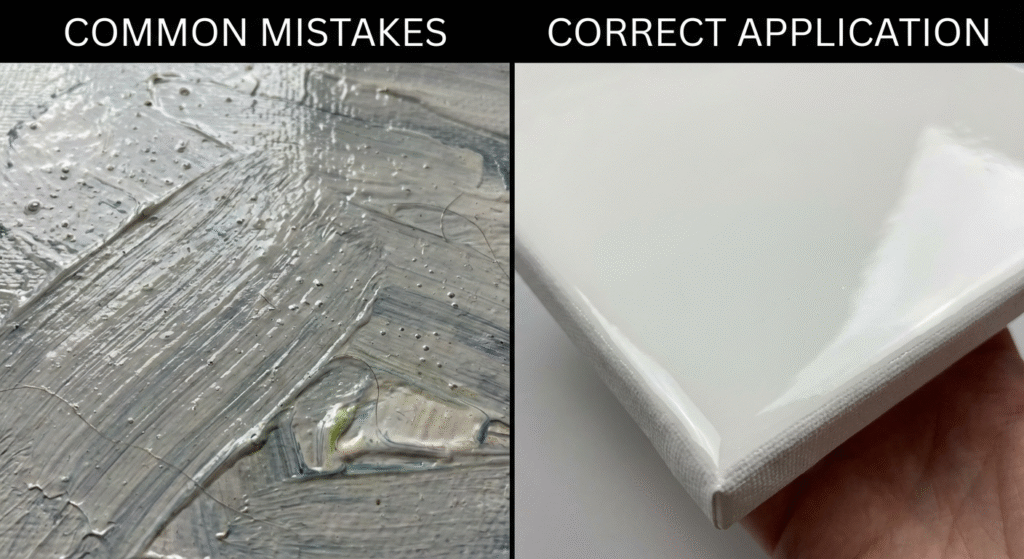
Even experienced artists can make mistakes when varnishing acrylic paintings. Being aware of these common pitfalls can save you time, frustration, and potentially your artwork.
1. Not Waiting Long Enough for Paint to Dry
As mentioned, this is the number one mistake. Impatience can lead to trapped moisture, cloudiness, or a sticky surface. Always err on the side of caution with drying times. This is similar to fixing painting mistakes – prevention is always better than correction.
2. Applying Varnish Too Thickly
Thick coats take longer to dry, are more prone to unevenness, drips, and may even cause clouding. Thin, multiple coats are always superior. Think of it like mastering brush stroke painting – control and layering are key.
3. Shaking Brush-On Varnish
This introduces air bubbles that can dry into unsightly bumps or cloudiness. Always stir gently. When working with painting supplies, proper handling makes all the difference.
4. Inadequate Cleaning
Any dust or debris trapped under the varnish is there to stay (until removal). Ensure your surface is spotless before starting.
5. Poor Ventilation (especially with sprays)
Not only is it unsafe for your health, but improper ventilation can also affect drying and the final finish of spray varnishes. Creating a proper art workspace includes ensuring adequate air circulation.
6. Varnishing in Extreme Temperatures or Humidity
High humidity can cause varnishes to dry cloudy or inconsistently. Extremely cold temperatures can make them difficult to apply smoothly. Aim for moderate room temperature and humidity between 40-60%.
“The secret to a perfect varnish finish isn’t in the product you choose, but in the patience you exercise. Give your painting time to cure, work in thin layers, and never rush the process.”
By being mindful of these common errors, you can significantly increase your chances of a successful and beautiful varnish application when varnishing acrylic paintings.
Difference Between Gloss and Matte Acrylic Varnish
The finish you choose dramatically affects how viewers perceive your artwork. Gloss varnish creates a high-shine, reflective surface that intensifies colors and adds depth. It’s ideal for vibrant, bold paintings where you want maximum color saturation. The reflective quality can make colors appear almost luminous, similar to how understanding color mixing affects your paint choices.
Matte varnish produces a non-reflective, flat finish that softens the overall appearance. It’s perfect for more subdued works, portraits, or pieces where you want to minimize glare and reflections. Matte finishes tend to give paintings a more “museum-quality” look and work well in spaces with lots of natural light.
Satin varnish sits between these two extremes, offering a subtle sheen without the high reflectivity of gloss. It’s often the most versatile choice and works well for a wide range of painting styles.
Consider your subject matter when choosing: landscapes often benefit from gloss to enhance sky and water reflections, while portraits may look more natural with a satin or matte finish. If you’re unsure, test small samples on similar painted surfaces before committing to your finished piece.
Can You Varnish Acrylic Paint on Canvas?
Absolutely! In fact, varnishing acrylic paintings on canvas is one of the most common applications. Canvas provides an excellent surface for both the paint and varnish layers. However, there are a few considerations specific to canvas.
First, ensure your canvas was properly prepared with gesso or primer before painting. This creates a stable, absorbent ground that helps both paint and varnish adhere properly.
Canvas can flex slightly, which is why using varnishes specifically designed for flexible surfaces is important. Most modern acrylic varnishes are formulated to move with the canvas without cracking. The isolation coat becomes even more important on canvas, as it provides additional flexibility and protection.
Whether you’re working on stretched canvas or canvas panels, the varnishing process remains the same. The texture of canvas can actually help hide minor brush strokes in brush-on varnish, making it somewhat more forgiving for beginners.
Removing Acrylic Varnish: When and How
One of the major advantages of proper varnishing is that it can be removed if necessary. Over time, varnish may yellow, accumulate dirt, or become damaged – but your original painting underneath remains protected, especially if you applied an isolation coat.
Varnish removal should typically be done by a professional conservator, particularly for valuable pieces. However, for personal work, you can carefully remove water-based acrylic varnishes using products like Golden’s Archival Varnish Remover or mineral spirits for solvent-based varnishes.
The process involves applying the solvent with a soft cloth in gentle, circular motions, working in small sections. The isolation coat acts as a barrier, signaling when to stop – when you reach it, the varnish is gone but your paint remains intact.
Never attempt to remove varnish if no isolation coat was applied, as you risk removing paint layers. This is why the isolation coat is so crucial for professional varnishing acrylic paintings. Just as with critiquing your own work, sometimes stepping back and reassessing is necessary.
Varnish Benefits for Acrylics: Beyond Protection
While UV protection and dust resistance are primary benefits, varnishing acrylic paintings offers several other advantages that enhance your artwork’s presentation and longevity.
Color Enhancement: Varnish enriches pigments, making them appear more vibrant and true to their original hue. This is particularly noticeable with transparent or semi-transparent colors, which can appear washed out without protection.
Unified Surface: Different acrylic paints dry to varying sheens – some glossy, others matte. Varnish creates a consistent appearance across the entire painting, eliminating distracting variations in finish. This unified surface makes your color choices appear more intentional and professional.
Increased Value: Properly varnished paintings command higher prices in the art market. Collectors and galleries expect professional presentation, and varnishing demonstrates you’ve taken proper care to preserve your work.
Easy Cleaning: A varnished surface can be gently dusted or cleaned without touching the actual paint layer, making maintenance much simpler over time.
Professional Appearance: There’s an undeniable quality difference between varnished and unvarnished work. The finish adds depth and richness that elevates your painting’s overall impact.
When you combine proper varnishing with effective composition and strong technique, your artwork achieves a truly professional standard.
Spray vs Brush-On Varnish: Which is Better?
The debate between spray and brush-on methods for varnishing acrylic paintings often comes down to personal preference and the specific requirements of your artwork. Neither method is inherently “better” – each has distinct advantages.
Spray varnish excels at:
- Creating ultra-smooth, even finishes without brush marks
- Covering large surfaces quickly and uniformly
- Varnishing heavily textured paintings where brush marks might be visible
- Achieving professional results with less practice
Brush-on varnish excels at:
- Providing precise control over application thickness
- Working in areas without perfect ventilation
- Being more economical for frequent use
- Allowing easier touch-ups on specific areas
For beginners just starting their introduction to painting, brush-on varnish might feel more familiar and controllable. However, once you master the technique, many artists prefer the convenience and finish quality of spray varnish.
Consider starting with brush-on for smaller pieces to build your confidence with varnishing acrylic paintings, then experimenting with spray on larger works. Some artists even use a combination – brush-on for detailed areas and spray for large, open spaces.
Protecting Acrylic Paintings Without Varnish: Alternative Methods
While varnishing is the gold standard for protecting acrylic paintings, some artists prefer alternative methods. Understanding these options helps you make informed decisions about your artwork’s preservation.
UV-Protective Glass or Acrylic Glazing: When framing, use museum-quality glazing that blocks harmful UV rays. This provides excellent protection but can be expensive and adds reflective glare. This approach works well when framing finished paintings.
Fixative Sprays: These provide minimal protection and are generally not recommended as a substitute for proper varnish. They’re better suited for pastel paintings or drawings.
Careful Display and Storage: Keeping paintings out of direct sunlight, away from moisture, and in temperature-controlled environments extends their life. However, this doesn’t protect against dust, dirt, or accidental damage.
Clear Acrylic Medium as Topcoat: Some artists apply a final layer of clear acrylic medium. While this offers some protection, it’s permanent and can’t be removed like traditional varnish, making future conservation difficult.
The reality is that nothing provides the same level of protection and reversibility as proper varnishing. If you’re serious about preserving your work – whether you’re creating realistic landscapes or abstract compositions – varnishing remains the professional standard.
Conclusion: Preserve Your Artistic Legacy Through Proper Varnishing
Varnishing acrylic paintings might seem like a daunting final step, but with the right knowledge and tools, it’s a straightforward process that significantly extends the life and vibrancy of your artwork. From understanding the benefits of an isolation coat to choosing between brush-on and spray applications, each decision contributes to the lasting beauty of your creation.
Remember the key principles: patience with drying times, proper surface preparation, thin multiple coats, and appropriate environmental conditions. Whether you’re just beginning your artistic journey or you’re an experienced painter refining your painting techniques, mastering varnishing acrylic paintings elevates your work to professional standards.
By taking the time to properly varnish your acrylic paintings, you’re not just protecting your art – you’re preserving your artistic legacy for years to come. So go ahead, give your masterpieces the protection and polish they deserve, and let them shine brilliantly for generations.
Frequently Asked Questions (FAQs)
How long should I wait before varnishing an acrylic painting?
You should wait at least 1-2 weeks for thin acrylic layers to fully dry and cure before varnishing. For paintings with thick impasto technique, it’s safer to wait 2-4 weeks or even longer, depending on humidity and ventilation. Applying varnish too soon can lead to cloudiness, trapped moisture, or a sticky finish that never fully cures.
Do I need an isolation coat before varnishing acrylics?
While not strictly mandatory, an isolation coat is highly recommended by professional artists and conservators. It creates a permanent, non-removable barrier between your paint layers and the removable varnish, protecting your artwork if the varnish ever needs to be cleaned or removed. It also creates a more uniform surface for smoother varnish application.
Can I remove varnish from an acrylic painting?
Yes, most modern acrylic varnishes are designed to be removable using appropriate solvents like mineral spirits or specialized varnish removers. However, this should only be done carefully and preferably by an experienced conservator, especially if no isolation coat was applied. The isolation coat makes removal much safer by protecting your paint layers.
Which varnish finish is best: gloss, satin, or matte?
The best finish is subjective and depends on your artistic vision. Gloss varnish enhances color saturation and offers a reflective, vibrant look ideal for bold paintings. Satin provides a soft sheen that’s versatile for most artworks. Matte varnish gives a non-reflective, flat appearance that works well for portraits and subtle pieces. Consider your subject matter, lighting conditions, and personal aesthetic when choosing.
Can I mix different types of varnish finishes?
It is generally not recommended to mix different types (e.g., gloss with matte) of varnish directly, as it can lead to inconsistent finishes, cloudiness, or adhesion issues. If you want a custom sheen, some manufacturers offer specific instructions for achieving custom finishes with their product line, but always test thoroughly on sample pieces first.
Can you varnish acrylic paint on canvas?
Absolutely! Varnishing acrylic paintings on canvas is one of the most common applications. Canvas provides an excellent surface for both paint and varnish layers. Just ensure your canvas was properly prepared with gesso or primer before painting, and use varnishes specifically designed for flexible surfaces to prevent cracking as the canvas moves.
What’s the difference between spray and brush-on varnish?
Spray varnish provides an ultra-smooth, even finish without brush marks and works well for large surfaces and textured paintings. Brush-on varnish offers more precise control, is more economical, doesn’t require special ventilation, and works well for smaller pieces and detailed work. Neither is inherently better – the choice depends on your specific needs and preferences.
Can I varnish over acrylic paint that’s already been sealed with medium?
Yes, you can varnish over acrylic paint that has a clear acrylic medium layer. However, an isolation coat is still recommended between any permanent medium layers and your removable varnish. This ensures you can remove the varnish in the future without disturbing the underlying layers.
Citations:
- Golden Artist Colors – Varnishing Acrylics: Technical information on varnish types, application techniques, and isolation coats.
- Liquitex – How to Varnish Acrylic Paintings: Comprehensive guide covering preparation, application methods, and common mistakes.
- Winsor & Newton – Varnishing Acrylic Paintings: Professional guidance on varnish selection and proper application procedures.