Throughout art history, famous rebellious female artists have broken rules, challenged society, and created groundbreaking artwork that changed the world forever. While male artists were often called “passionate geniuses,” women who pushed boundaries were labeled much worse. These brave women refused to paint only flowers and children – they created powerful, controversial art that demanded attention and respect.
Key Points Summary
- Famous rebellious female artists fought against gender restrictions in art
- These revolutionary women painters created controversial and groundbreaking artwork
- Female art rebels faced harsher criticism than their male counterparts
- Their rebellious spirits opened doors for future generations of women artists
- These bad girl artists proved women could create any type of art they wanted
Breaking the Rules: Why Female Artists Had to Be Rebellious
For centuries, the art world told women what they could and couldn’t paint. Society expected female artists to create gentle portraits, still life paintings, and pretty landscapes. Religious scenes, nude figures, and violent subjects were considered “inappropriate” for women.
Famous rebellious female artists refused to accept these limits. They painted whatever they wanted, lived however they chose, and demanded the same respect as male artists. Their rebellion wasn’t just about art – it was about proving women were complete human beings with complex thoughts and feelings. For Rebellious Male Artists – read Famous Rebellious Artists: The Bad Boys Who Changed Art History Forever
Artemisia Gentileschi: The Original Bad Girl Artist
Fighting Back Through Paint
Artemisia Gentileschi (1593-1653) was probably the first famous rebellious female artist in history. Living during the Baroque period, she faced challenges that would have destroyed most people. When she was 18, a man assaulted her, leading to a public trial that could have ruined her reputation forever.
Instead of hiding, Artemisia fought back – both in court and through her paintings. She became the first woman admitted to the prestigious Accademia di Belle Arti in Florence and painted subjects that shocked people.
Artemisia’s Revolutionary Achievements:
- First woman in Florence’s top art academy
- Painted violent biblical scenes unusual for women
- Earned more money than many male artists
- Ran her own successful art workshop
| Painting | Year | Why It Was Shocking |
|---|---|---|
| “Judith Slaying Holofernes” | 1614-1620 | Extreme violence painted by a woman |
| “Susanna and the Elders” | 1610 | Showed female perspective on assault |
| “Self-Portrait as Saint Catherine” | 1615-1617 | Women rarely painted themselves as saints |

Her most famous painting, “Judith Slaying Holofernes,” shows a woman cutting off a man’s head with incredible detail and force. The blood, the struggle, the determination in Judith’s face – everything about this painting was revolutionary for a female artist to create.
Artemisia’s baroque painting techniques and bold subject choices influenced artists for centuries and helped establish women as serious painters, not just decorative artists.
“I will show Your Most Illustrious Lordship what a woman can do.”
Artemisia Gentileschi
Suzanne Valadon: From Model to Master
Turning the Tables on the Male Gaze
Suzanne Valadon (1865-1938) started as a circus performer, then became a model for famous impressionist painters like Renoir and Toulouse-Lautrec. But she wasn’t content just posing for art – she wanted to create it herself.
What made Valadon one of the most famous rebellious female artists was how she painted women. Unlike male artists who made women look perfect and idealized, Valadon painted real bodies with stretch marks, asymmetrical features, and genuine expressions.
Valadon’s Rule-Breaking Life:
- Transitioned from artist’s model to respected painter
- Had relationships with multiple artists
- Raised her son as a single mother
- Married a man 21 years younger than herself
- Painted nudes that showed women’s real bodies
Her paintings showed women as complete people with thoughts and feelings, not just beautiful objects for men to admire. This was revolutionary thinking that made many people uncomfortable.

Valadon’s honest approach to figure drawing and impressionist techniques influenced how artists painted the human form for generations.
Frida Kahlo: Pain Transformed into Power
The Ultimate Artistic Rebel
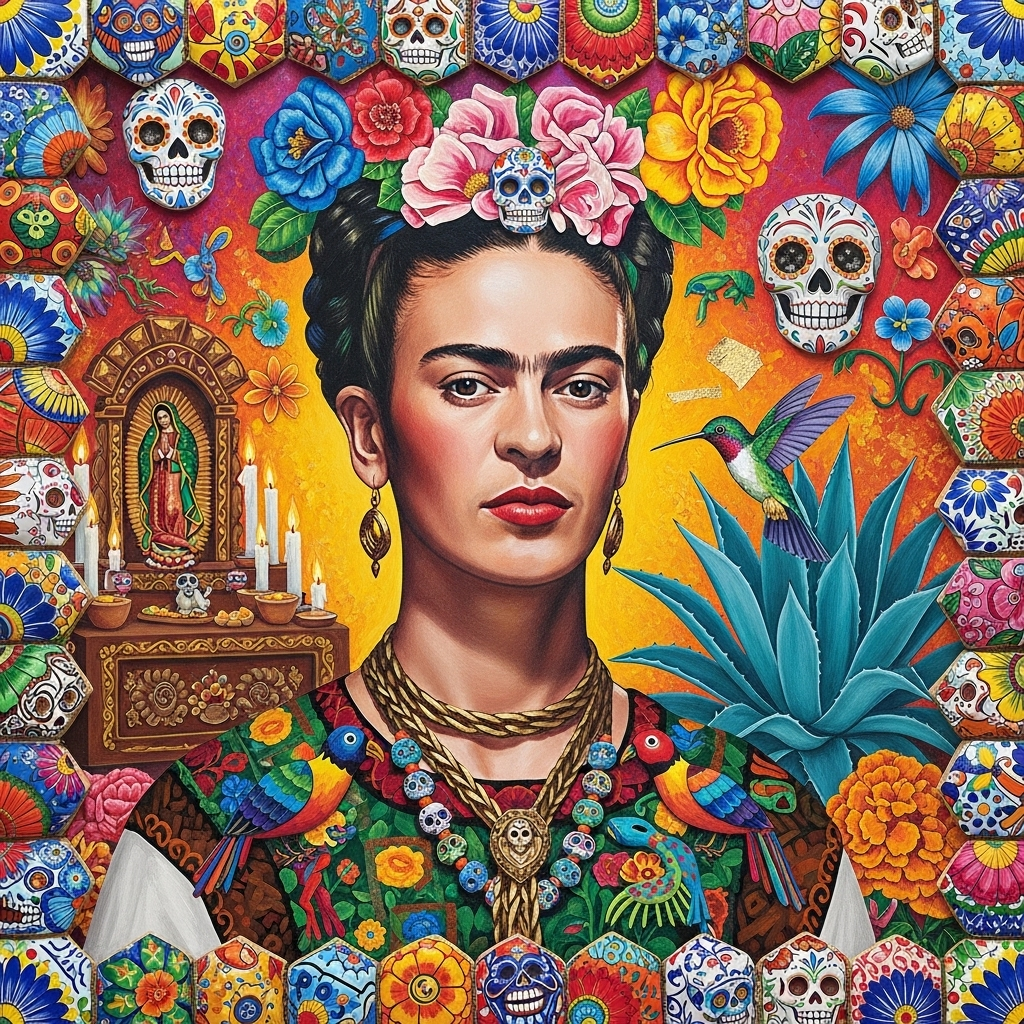
Frida Kahlo (1907-1954) might be the most famous rebellious female artist of all time. She took every terrible thing that happened to her – childhood polio, a horrific bus accident, multiple surgeries, and a difficult marriage – and turned it into powerful, unforgettable art.
Frida’s Revolutionary Art:
- Painted graphic self-portraits showing physical pain
- Depicted miscarriages and medical procedures
- Combined Mexican folk art with surrealist techniques
- Refused to separate her art from her personal experiences
What made Frida truly shocking wasn’t just her communist politics or unconventional relationships. It was her willingness to paint subjects that made people deeply uncomfortable – especially topics related to being a woman.
She painted herself bleeding, showed the pain of medical procedures, and depicted the female body in ways that had never been seen in fine art before. Her self-portrait techniques and surrealist painting methods continue to inspire artists worldwide.
Living Life on Her Own Terms
Frida’s personal life was just as rebellious as her art:
- Had romantic relationships with both men and women
- Dressed in ways that challenged gender rules
- Supported communist political causes
- Turned her physical disabilities into performance art
- Refused to let others define her limitations
“I paint my own reality. The only thing I know is that I paint because I need to.”
Frida Kahlo
Contemporary Female Art Rebels
Marina Abramović: The Grandmother of Performance Art
Marina Abramović has spent decades pushing the boundaries of what art can be. This famous rebellious female artist has cut herself, burned herself, and nearly died for her art. She’s proven that women can create art just as extreme and challenging as any man.
Abramović’s Extreme Performances:
- “Rhythm 0” (1974): Let audience members use objects on her body
- “The Artist is Present” (2010): Sat silently for 700+ hours at MoMA
- Various pain-based performances testing human endurance limits
- Collaborations exploring relationships and human connection
Her work forces people to think about violence, vulnerability, and human nature in uncomfortable ways. She’s shown that performance art can be just as powerful as traditional painting or sculpture.
Tracey Emin: Making the Personal Political

Tracey Emin shocked the art world with “My Bed” – an installation featuring her actual unmade bed complete with personal items, including condoms and blood-stained sheets. Critics called it disgusting, but Emin called it honest.
This famous rebellious female artist forces viewers to confront uncomfortable truths about women’s lives that society prefers to keep hidden. Her contemporary art techniques and fearless self-expression continue to influence young artists today.
The Impact of Female Art Rebels
Changing Art Forever
These famous rebellious female artists didn’t just create beautiful paintings – they changed what art could be and who could create it. Their rebellious actions opened doors for future generations:
Revolutionary Changes They Made:
- Proved women could paint any subject, not just “feminine” topics
- Showed female bodies and experiences from women’s perspectives
- Demonstrated that personal pain could become powerful art
- Challenged traditional ideas about how artists should behave
- Forced society to take women’s creativity seriously
Modern Legacy
Today’s female artists still benefit from these pioneers’ rebellious spirits. Contemporary movements in feminist art and women’s artistic expression build on the foundations these bad girls created.
| Artist | Time Period | Main Contribution |
|---|---|---|
| Artemisia Gentileschi | 1600s | Proved women could paint “masculine” subjects |
| Suzanne Valadon | 1800s-1900s | Showed realistic female bodies in art |
| Frida Kahlo | 1900s | Made personal pain into universal art |
| Marina Abramović | 1970s-Present | Pushed boundaries of what art can be |
| Tracey Emin | 1990s-Present | Made intimate life public art |
Why Their Rebellion Mattered
Fighting for Artistic Freedom
These famous rebellious female artists weren’t just causing trouble for fun. They were fighting for basic rights that male artists took for granted:
- The right to paint any subject they chose
- The right to express complex emotions in their work
- The right to live independently as professional artists
- The right to be taken seriously as creative individuals
- The right to make art about women’s real experiences
Their “bad” behavior was often just normal human behavior that shocked people when women did it. They drank, fought, had complicated relationships, and refused to be polite and quiet – just like male artists had always done.
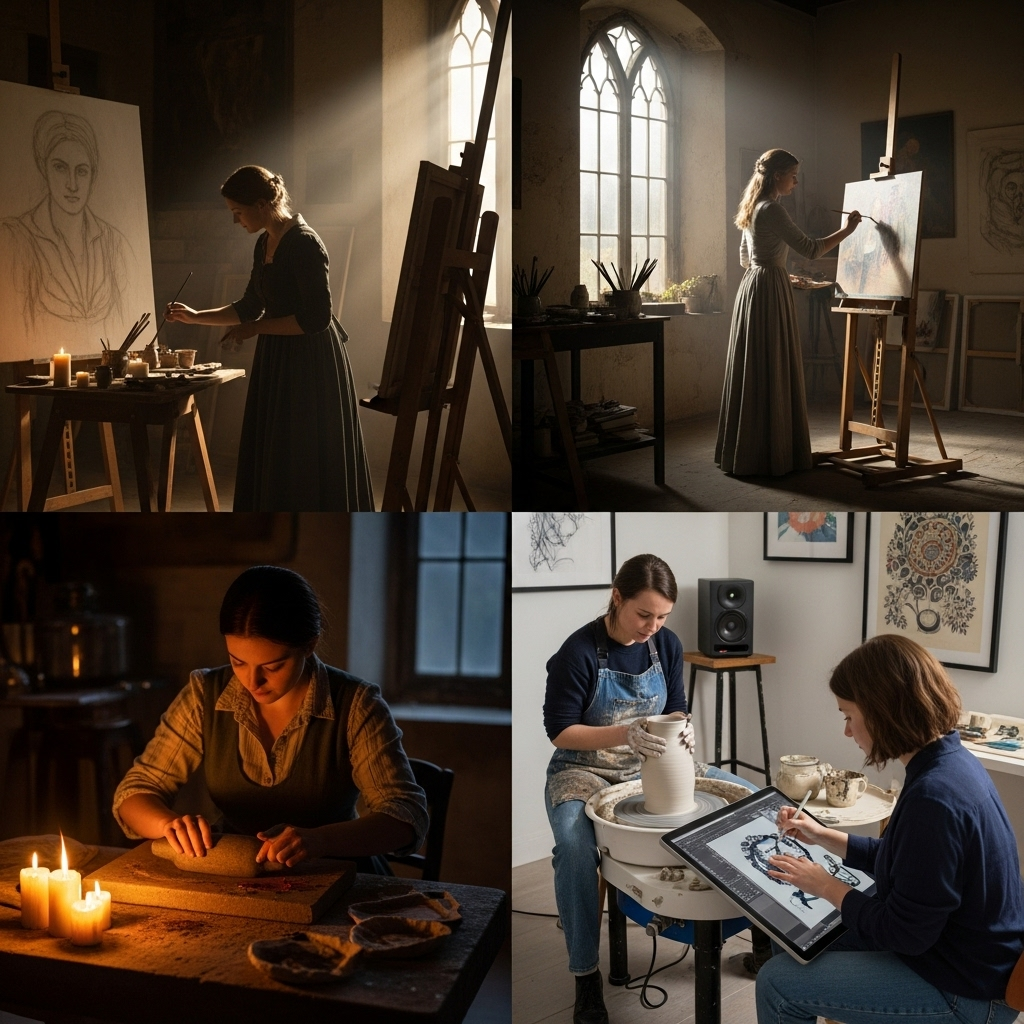
Lessons from the Bad Girls
What Modern Artists Can Learn
Today’s artists, regardless of gender, can learn important lessons from these famous rebellious female artists:
- Be authentic – Don’t paint what others expect, create what matters to you
- Challenge conventions – Question why certain rules exist
- Use personal experience – Your unique perspective is valuable
- Stay persistent – Don’t let criticism stop your creative vision
- Support other artists – Help create opportunities for underrepresented voices
Frequently Asked Questions
Q: Who was the most rebellious female artist in history? A: While many qualify, Artemisia Gentileschi and Frida Kahlo are often considered the most rebellious because they challenged both artistic and social conventions in dramatic ways.
Q: Why were female artists more harshly criticized than male artists? A: Society expected women to be quiet, polite, and conventional. When they created bold, controversial art or lived independent lives, it challenged traditional gender roles.
Q: How did these artists change the art world? A: They proved women could create any type of art, opened academic institutions to female students, and showed that women’s perspectives and experiences were worthy artistic subjects.
Q: Are there modern rebellious female artists? A: Absolutely! Artists like Marina Abramović, Tracey Emin, Kara Walker, and many others continue pushing boundaries and challenging conventions today.
Q: What makes an artist “rebellious”? A: Rebellious artists challenge existing rules, create controversial work, live unconventionally, and refuse to conform to society’s expectations about how artists should behave.
The Lasting Impact of Female Art Rebels
Famous rebellious female artists proved that women could be just as creative, complex, and challenging as their male counterparts. They refused to be limited by society’s narrow expectations and created art that was honest, powerful, and revolutionary.
Their rebellious spirits live on in every woman who refuses to make herself smaller or quieter for others’ comfort. They showed that the most radical thing a woman can do is take herself seriously as an artist and human being.
These bad girls of art didn’t just paint pretty pictures – they painted their way to freedom, one controversial brushstroke at a time. Their legacy reminds us that sometimes the most important art comes from people brave enough to break the rules and challenge the status quo.
Famous rebellious female artists changed art history forever, and their influence continues to inspire new generations of artists who refuse to be told what they can and cannot create.
Additional Resources
- National Museum of Women in the Arts
- Brooklyn Museum – Elizabeth A. Sackler Center
- Artemisia Gentileschi – Uffizi Gallery
- Frida Kahlo Museum
- Marina Abramović Institute
- Tate Modern – Women Artists
Citations
- Garrard, Mary D. Artemisia Gentileschi: The Image of the Female Hero. Princeton University Press, 1989.
- Storm, John. The Valadon Drama: The Life of Suzanne Valadon. Dutton, 1958.
- Herrera, Hayden. Frida: A Biography of Frida Kahlo. Harper & Row, 1983.
- Westcott, James. When Marina Abramović Dies: A Biography. MIT Press, 2010.
- Merck, Mandy. The Art of Tracey Emin. Thames & Hudson, 2002.