I used to tell my anxious students that even a single line is a victory — something I still remind myself of when my watercolors get muddy. That’s the Art of Zentangle. It isn’t about capturing Vermeer’s perfect light; it’s about finding a quiet rhythm.
Think of it as artistic meditation. (And here’s the thing: you don’t need fancy gear, just a pen). It’s structured, simple, and utterly forgiving. So, take a breath and let the ink flow. You might just unlock a peace you didn’t know you had.
Key Points Summary
- What it is: Zentangle is a simple method for creating beautiful images from repetitive, structured patterns called “tangles.”
- Who can do it: Anyone, regardless of age or skill level, can create Zentangle art.
- The Benefits: This art form helps you relax, improve focus, and reduce stress.
- No Mistakes: The method is designed to be forgiving. There’s no “up” or “down” and no eraser needed, so you can’t make a mistake.
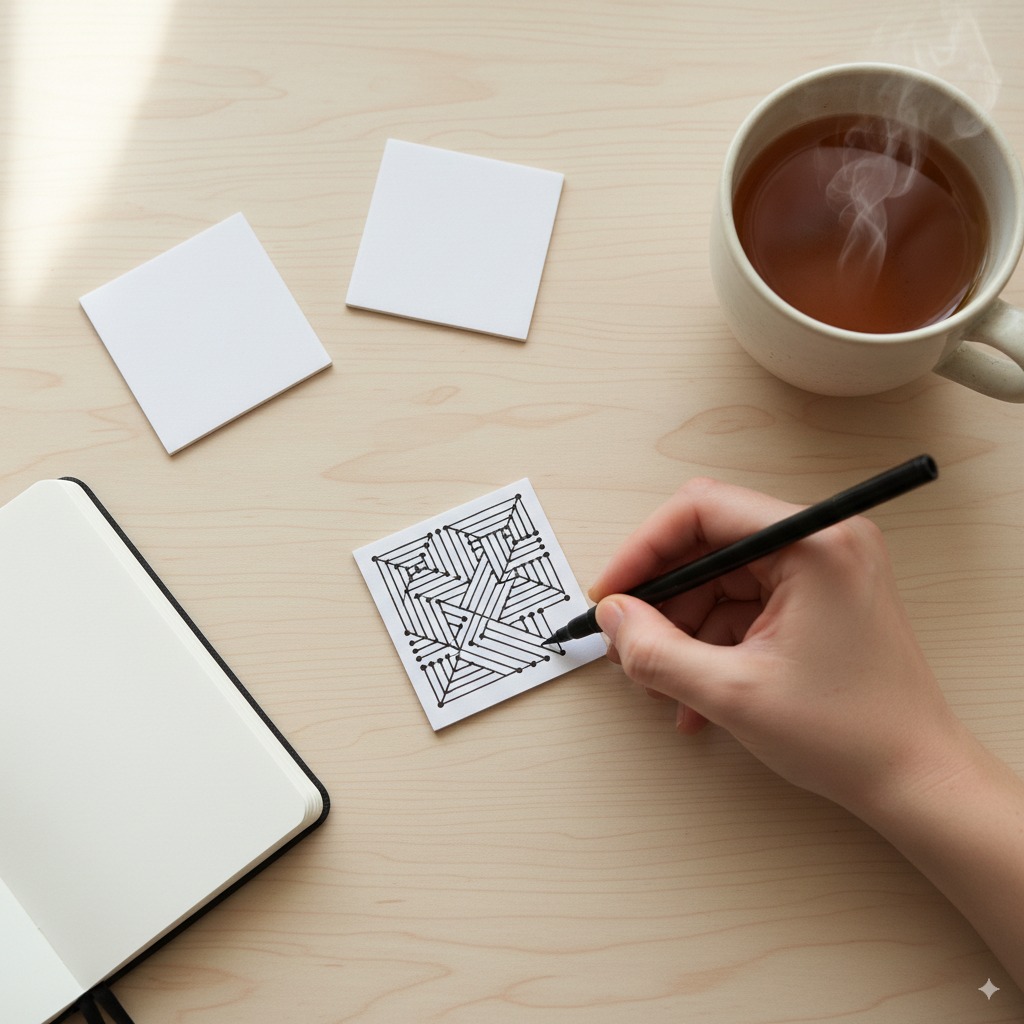
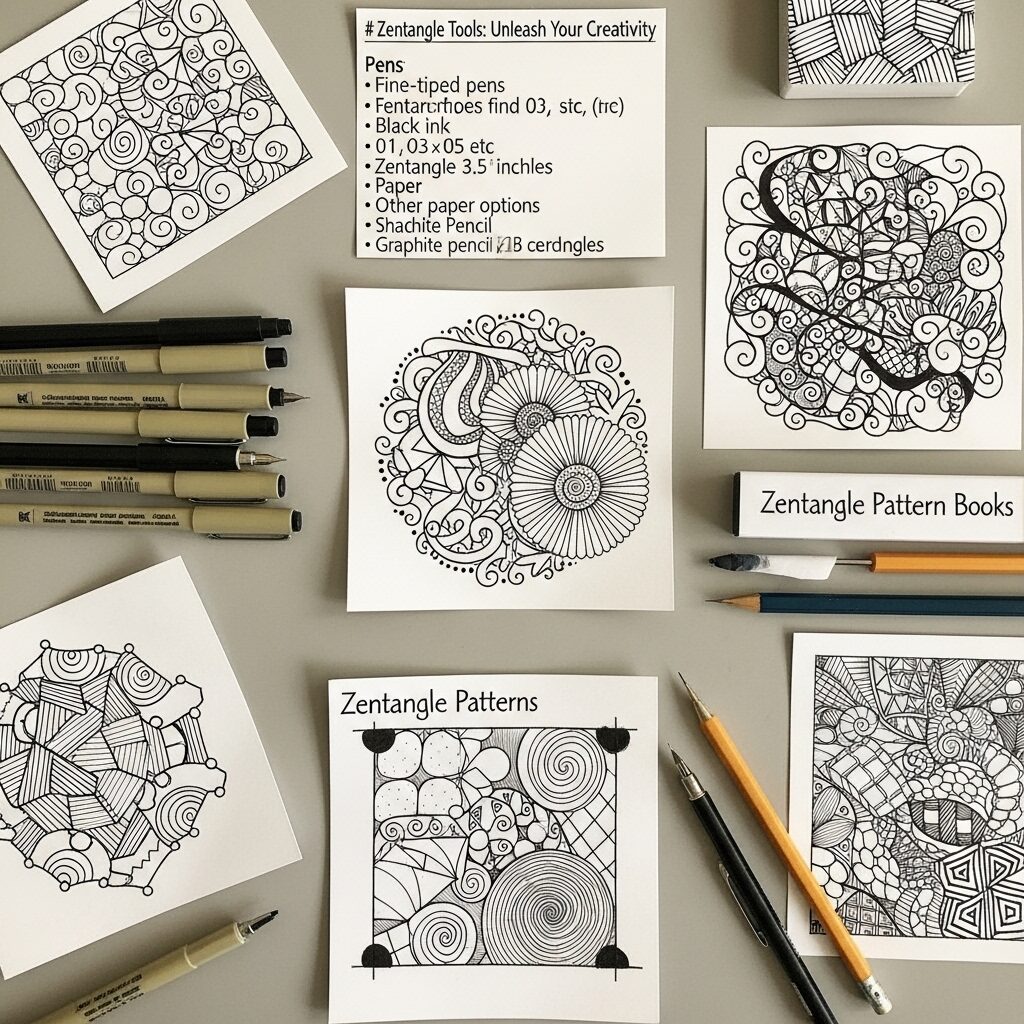
- The Tools: All you need is a pen and a small square of paper, often called a “tile.”
Zentangle Method
The Zentangle method was created by a calligrapher named Maria Thomas and a monk named Rick Roberts. They realized that the feeling of focus and calm Maria experienced while drawing patterns was very similar to the feeling of meditation. They combined their skills to create a method that makes this peaceful process available to everyone. It’s a way to find a moment of calm in a busy world, one line at a time.
The simple act of drawing patterns, or “tangles,” can completely change your mindset. You’ll find yourself getting lost in the rhythm of the pen on the paper, letting go of any worries or thoughts about what you need to do next. It’s a mindful practice, very similar to meditation, and a great way to disconnect from the digital world for a bit.
The process is broken down into simple steps. You start with a small square of paper called a “tile.” You draw a light pencil border, then a few “strings” — light, curvy lines that divide your space. These strings are like little guideposts, and you fill each section with a different tangle. The beautiful thing about Zentangle is that each part is a surprise. You don’t know what the final image will look like when you start, and that’s part of the fun! This process is so calming because it requires all of your attention. You aren’t multitasking or worrying about the future; you’re simply focusing on one stroke at a time. This is a form of active meditation that many people find easier to do than sitting quietly.
| Zentangle vs. Traditional Art | Zentangle | Traditional Drawing |
| Goal | Process-oriented, focus on the journey and relaxation. | Result-oriented, focus on the final product. |
| Materials | Simple: Pen and paper tile. | Can be complex: Paints, brushes, easels, etc. |
| Mistakes | No mistakes; every line is an opportunity. | Mistakes can be frustrating and require correction. |
| Time | Can be done in 15-20 minute sessions. | Can require long hours of work. |
| Complexity | Simple, structured patterns build a complex image. | Often requires understanding of anatomy, perspective, and light. |
One of the greatest things about Zentangle is the community. Many people share their art online, and there are countless books and tutorials that break down different patterns. The community is supportive and inspiring, showing that there’s always a new tangle to learn or a new way to combine existing ones. It’s also an amazing way to create beautiful patterns you can use in other forms of art. Imagine using your own unique tangles to create a unique patterned wallpaper or add a cool background to a painting.
“The art of life is a constant improvisation.”
This quote perfectly captures the spirit of Zentangle. There’s no rigid plan, only a series of small, intentional choices that build something beautiful. It’s the same way we navigate our lives. A Zentangle drawing is like a visual diary of mindful moments, a snapshot of when you chose to be present and create something with your own hands. It’s a powerful tool to remind you that the small things you do every day can create a masterpiece.
I’ll help you find 6 verified resources for your Zentangle article. Let me search for high-quality, authoritative sources that would be valuable for your readers.Based on my search, here are 6 high-quality, verified resources for your Zentangle article:
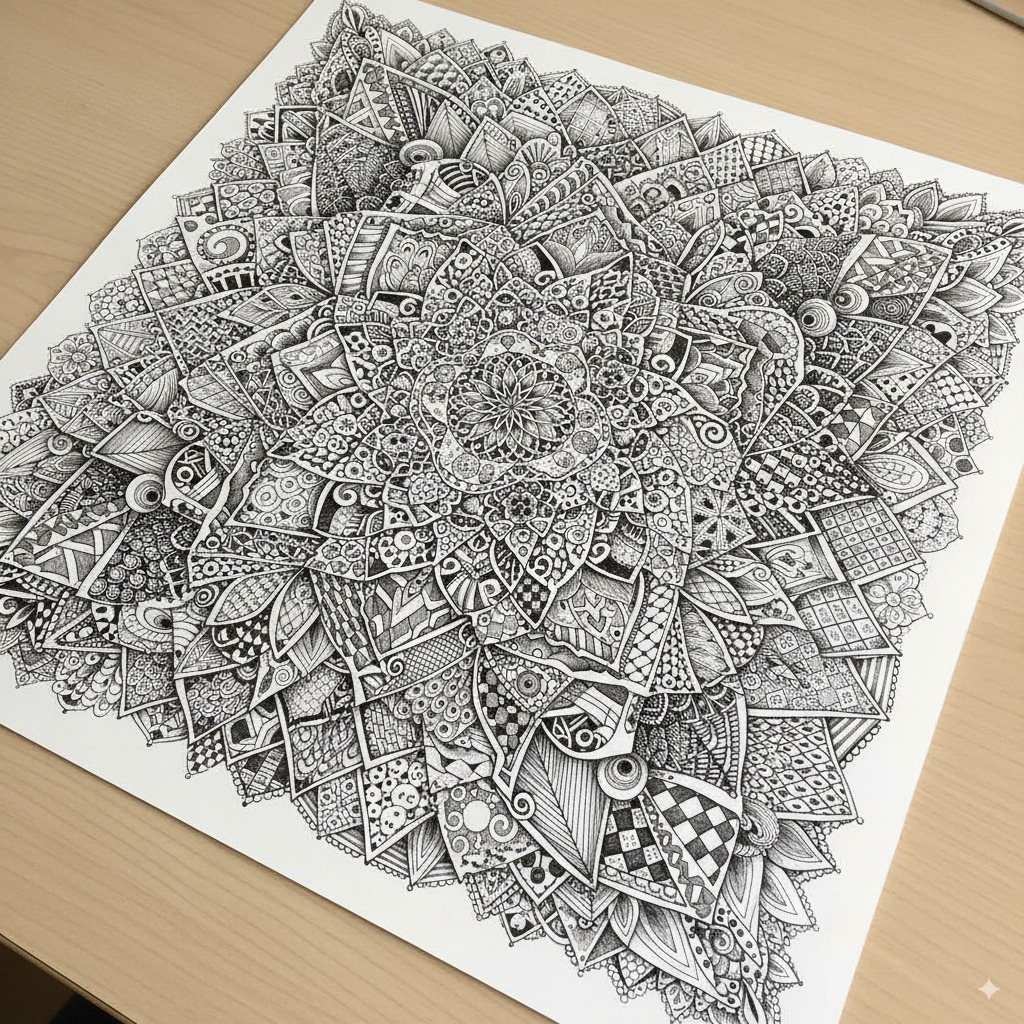
To truly understand how this works, take a look at this video. It breaks down the process and shows you how simple it is to get started with your first Zentangle tile. You’ll see that the patterns are easy to follow and build upon each other to create a very intricate final piece.
Help Creative Blocks
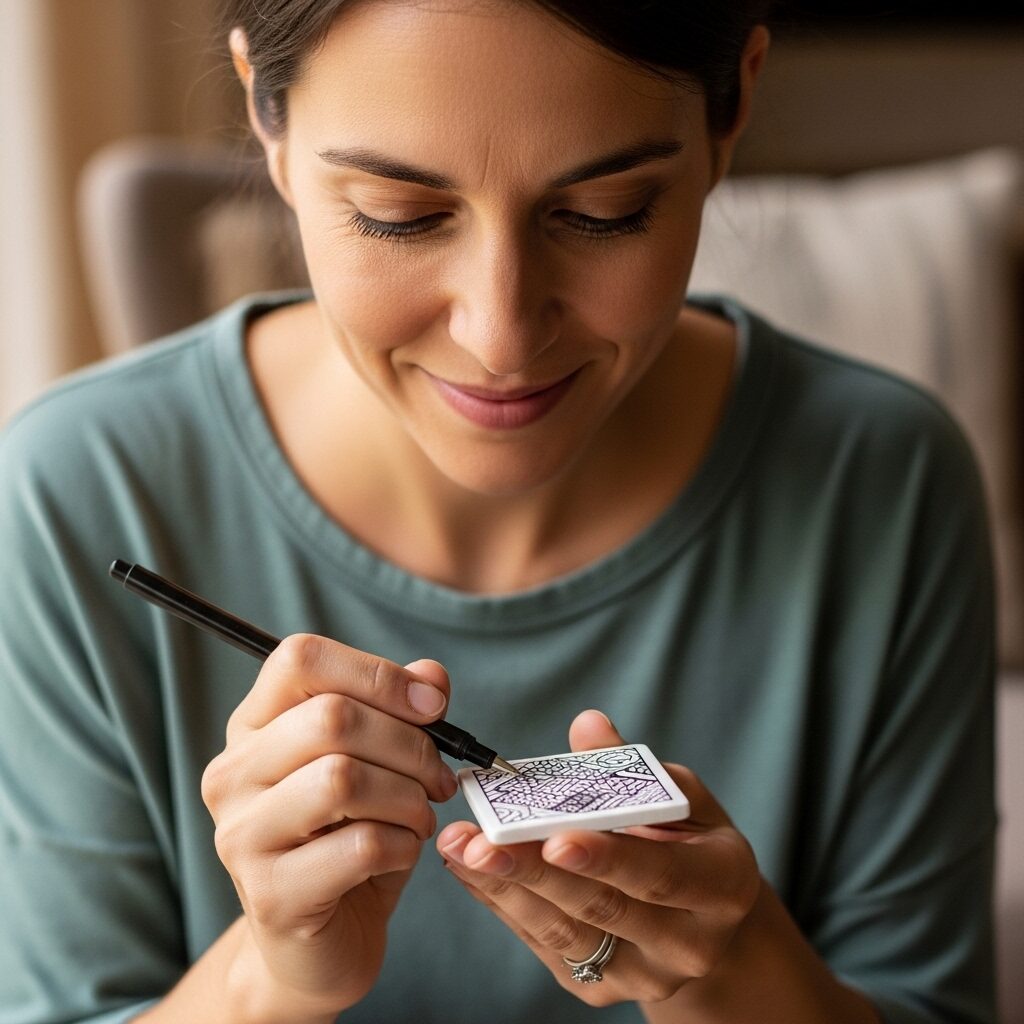
The principles behind Zentangle are not just about drawing; they can apply to a lot of different aspects of your life. For example, the focus on one line at a time can help with creative blocks. Instead of being overwhelmed by a huge project, you can break it down into smaller, manageable steps. This is similar to the approach we discussed for overcoming creative blocks, which can be seen in our article, How to Overcome Creative Blocks. The practice of Zentangle can also help you develop a deeper understanding of composition and negative space, which is a great skill to develop when painting portraits, landscapes, or even just abstract pieces. A great article to check out that discusses composition is Creating Focal Points: A Guide for Artists.
CreativeJourney
Many people have also found that doing Zentangle helps with self-criticism. Because there are no mistakes, you have to accept every line you draw. This can be a very freeing experience, especially for those who are perfectionists. It helps you see that every “imperfection” is just part of the creative journey. If you are struggling with perfectionism, you might find our guide to self-critique helpful: How to Critique Your Own Paintings.
This unique art form has been used in various settings, including schools, corporate workshops, and therapy sessions, to help people find calm and unleash their creativity. For some, it’s a way to de-stress after a long day at work, and for others, it’s a way to find a new passion. It can also be a social activity. You can get together with friends and “tangle” together, sharing patterns and tips. If you’re looking for more ideas on social art activities, our article on Art for a Weekend Trip might give you some great ideas.
Just as learning basic art supplies is the first step in traditional painting, getting a grasp on the basic Zentangle patterns is your first step here. If you are new to painting and want to explore other styles, take a look at our comprehensive guide on Essential Painting Supplies for Artists and A Beginner’s Guide to Famous Artist Styles.
The Zentangle Inspirator: A Web Tool
For this article, we’ve created a conceptual web tool called “The Zentangle Inspirator.” This interactive tool provides a fun and simple way to get started with the Zentangle method right now.
How it works:
- Launch the Tool: Click a button that says, “Start Your Zentangle Journey.”
- Generate a “Tile”: The tool displays a digital “tile” with a pre-drawn “string” (a light, curvy line). Click to generate a new string if you want a different starting point.
- Get a Tangle: The tool would randomly select a Zentangle pattern (e.g., “Hollibaugh,” “Mooka,” “W2”). It would then show an animated, step-by-step tutorial on how to draw that pattern.
- Add a Tangle: Conceptually “add” it to their digital tile.
- Save and Share: Once finished, “save” their Zentangle masterpiece and share it with the community, creating a gallery of inspired art.
This tool removes any pressure for you to come up with ideas, allowing you to focus purely on the relaxing, meditative act of creating the patterns.
The Zentangle Inspirator
Meditative drawing. Select a pattern to move, rotate, or repeat it.
Created for ProminentPainting.com
Art of Zentangle and Digital Art
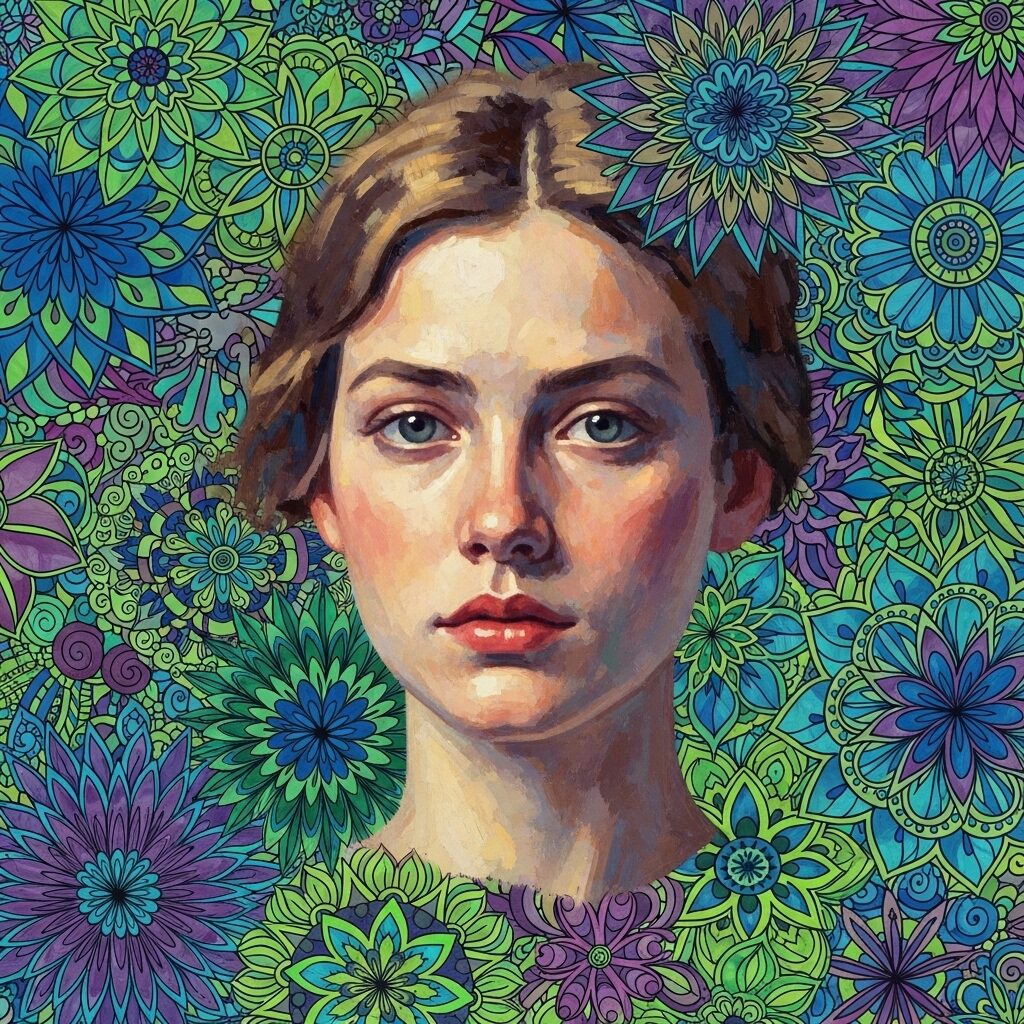
I often think about the “happy accidents” in my watercolor practice—those moments when the paint blooms in unexpected ways. Moving to a digital screen can sometimes feel sterile by comparison, almost like staring at a void. But bringing the mindful rhythms of Zentangle into this space changes everything.
Think of your tablet as a limitless sketchbook. It allows you to layer intricate patterns without the fear of permanent mistakes, much like having a creative safety net. This approach acts as a democratizing tool, lowering the barrier for anyone who feels intimidated by expensive art supplies or the permanence of ink.
You can build complex, textured backgrounds or bold graphic designs, blending the soul of traditional drawing with modern flexibility. It brings me back to that feeling of classroom discovery—finding that whether the tool is a brush or a stylus, the joy of creation is exactly the same.
FAQs: The Art of Zentangle
Q1: What are the benefits of Zentangle?
A: Zentangle offers numerous benefits, including stress reduction, improved focus and concentration, and a sense of accomplishment. It’s a great way to practice mindfulness and find a moment of calm in your day.
Q2: Is Zentangle the same as doodling?
A: While both involve drawing patterns, Zentangle is a more structured and intentional process. It follows a specific method with a focus on mindfulness and well-being, whereas doodling is often a subconscious activity.
Q3: Can I sell Zentangle art?
A: To sell Zentangle art, you must be a Certified Zentangle Teacher (CZT). The Zentangle company, the creators of this art form, has specific guidelines to protect the integrity of the method and brand.
Q4: What’s the best pen for Zentangle?
A: Most people use a black Micron 01 pen, as it’s specifically designed for technical drawing and doesn’t bleed. However, you can start with any pen you have on hand to get a feel for the process.
Q5: How long does a Zentangle drawing take?
A: A Zentangle drawing can be completed in as little as 15-20 minutes, which is one of the reasons it’s so popular. This short timeframe makes it an easy practice to fit into your daily routine.
Recommended Resources
1. Zentangle Official Website
This is the official source created by founders Maria Thomas and Rick Roberts, providing “an easy-to-learn, relaxing, and fun way to create beautiful images by drawing structured patterns”. Perfect for readers who want to explore the authentic method and find official supplies.
2. TanglePatterns.com by Linda Farmer
URL: https://tanglepatterns.com/
This comprehensive resource serves as “a directory and graphic index to online instructions for drawing Zentangle® patterns”. It’s an invaluable reference for both beginners and advanced practitioners looking for step-by-step pattern tutorials.
3. Scientific Research: PubMed Study on Zentangle Benefits
URL: https://pubmed.ncbi.nlm.nih.gov/35943847/
This peer-reviewed research found that “participants who practiced Zentangle for >80 min per week had a significant reduction in anxiety symptoms and an improvement in self-compassion”. This adds scientific credibility to your article’s claims about therapeutic benefits.
4. Neural Perspective Research Study
URL: https://onlinelibrary.wiley.com/doi/full/10.1002/brb3.3628
This 2024 groundbreaking study shows that “Zentangle shows great promise as a mindfulness meditation practice for improving concentration and emotional calmness while simultaneously reducing stress levels”. Provides the latest scientific backing for mental health benefits.
5. Zentangle Studies and Stories Collection
URL: https://zentangle.com/pages/studies-and-stories
This official collection includes research concluding that the Zentangle Method is “an effective alternative treatment approach for older adults with mild to moderate depression”. Great for readers interested in therapeutic applications.
6. Psych Central’s Zentangle Guide
URL: https://psychcentral.com/health/zentangle
This accessible guide explains how Zentangle can help achieve “a zen-like state of meditation, which can help with relaxation, stress reduction, and other health benefits”. Perfect for readers who want to understand the psychological aspects in layman’s terms.