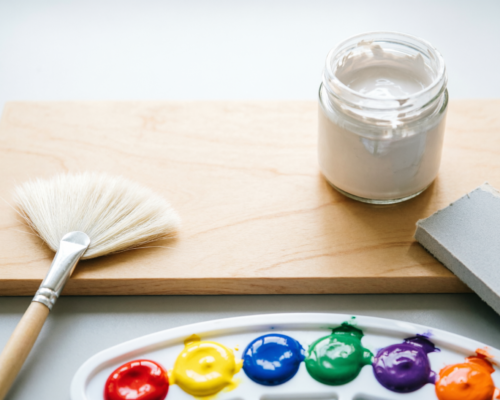
If you want to paint on wood, preparation is everything. This guide covers how to choose the right paints, prep your wood surface, and apply sealants so your artwork lasts. The key takeaway is that sanding and priming prevent paint from soaking into the wood or peeling over time. Grab your brushes and let us get started on your first wooden masterpiece!
Wood offers a beautiful and sturdy surface for art. However, painting on it can feel intimidating for beginners. Perhaps you have tried painting on a scrap piece of wood. You might have watched the colors soak in and lose their vibrancy. Do not worry because this is a common hurdle!
When I first started experimenting with wooden panels, I skipped the prep work completely. I ended up with dull and blotchy results that frustrated me. The secret to a flawless finish lies in how you prepare the surface. Wood is highly porous and contains natural oils.
These oils can ruin your artwork over time if left unchecked. Art educators often point out that properly prepped wood is incredibly durable and will not warp under your paint. In this post, we will walk through the exact steps to prep, prime, and paint on wood. This ensures your colors stay bright and your piece lasts for generations.
Whether you use acrylics or oils, understanding this unique medium unlocks a new level of creativity. If you are still deciding which paint to use, you can compare different painting mediums before we dive in. Let us look at exactly what you need to know.
What Are the Best Types of Wood for Painting?
The best types of wood for painting are smooth and rigid options like birch plywood, maple, and medium-density fiberboard (MDF). These options provide a flat surface with minimal grain texture. You should avoid softwoods like pine because they often contain knots that bleed sap through your paint.
Choosing the right canvas is just as important as choosing your colors. Working on a bad piece of wood will make your painting process much harder. You want a surface that will not warp or bend when it gets wet.
Birch plywood is a favorite among professional artists. Industry suppliers note that birch plywood offers an incredibly stable and smooth painting surface for detailed work. It has a beautiful, subtle grain that looks great if you leave parts of the wood unpainted.
Medium-density fiberboard, or MDF, is another excellent and affordable option. MDF is an engineered wood product. This means it is made from wood fibers pressed together with resin. It has absolutely no grain, which makes it perfect for highly detailed or realistic paintings.
You should generally stay away from softwoods like pine or cedar. These woods are highly absorbent and full of sap. The sap can eventually leak out and cause ugly yellow stains on your finished artwork.
What Is the Best Paint to Use on Wood?
Acrylic paint is the best choice for beginners painting on wood because it dries quickly, stays flexible, and adheres beautifully to primed surfaces. Oil paints also work wonderfully on wood but require a longer drying time and extra surface preparation to prevent rotting.
Acrylics are incredibly forgiving for new artists. You can easily fix mistakes by painting over them once they dry. A complete guide to acrylics will show you just how versatile this medium can be.
Experts explain that acrylics are flexible enough that they will not crack on rigid surfaces like wood over time. They also lack the harsh fumes associated with some oil painting solvents. Furthermore, acrylics are perfect for beginners working on rigid surfaces because they dry quickly and remain stable.
If you prefer a slower pace, oil paints are a fantastic alternative. Oils allow for smooth blending and rich textures. You can work on a single painting for days without the paint drying out.
However, oil paint can literally rot raw wood if it makes direct contact. Linseed oil is the main binder in oil paints. This oil breaks down plant fibers over time. You must seal the wood thoroughly before starting an oil piece to protect the panel.
How Do You Prepare Wood for Painting?
You prepare wood for painting by lightly sanding the surface with 220-grit sandpaper to remove rough spots. After sanding, you must wipe away all the dust with a damp cloth and apply a clear sealant to block natural wood oils from ruining your paint.
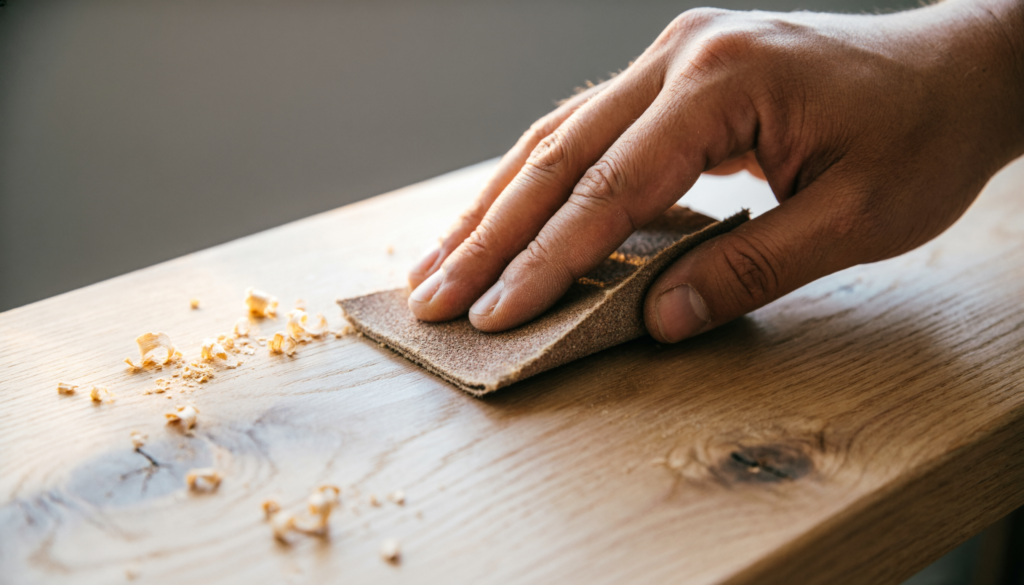
Preparation makes all the difference when working with natural materials. When you compare painting surfaces, you will see that wood requires more initial care than a pre-stretched canvas. Raw wood is thirsty and will drink up your paint if you do not seal it.
Start by sanding in the direction of the wood grain. Art professionals recommend using fine-grit sandpaper to create a smooth surface and improve paint adhesion. Once the surface feels smooth to the touch, you need to clean it.
Use a tack cloth or a slightly damp rag to remove every speck of dust. A tack cloth is a sticky piece of fabric designed to pick up loose particles. If you leave dust on the board, it will mix into your primer and create a bumpy texture.
Next, apply a thin layer of clear acrylic medium or a specialized wood sealer. This step stops the wood from absorbing your gesso and paint layers. Let this sealant dry completely before moving on to the priming stage.
Step-by-Step Guide to Priming and Painting
Once your wood is sealed, you are ready to apply gesso. Gesso acts like a bridge between the sealed wood and your paint. It gives the paint a slightly textured surface to grip onto.
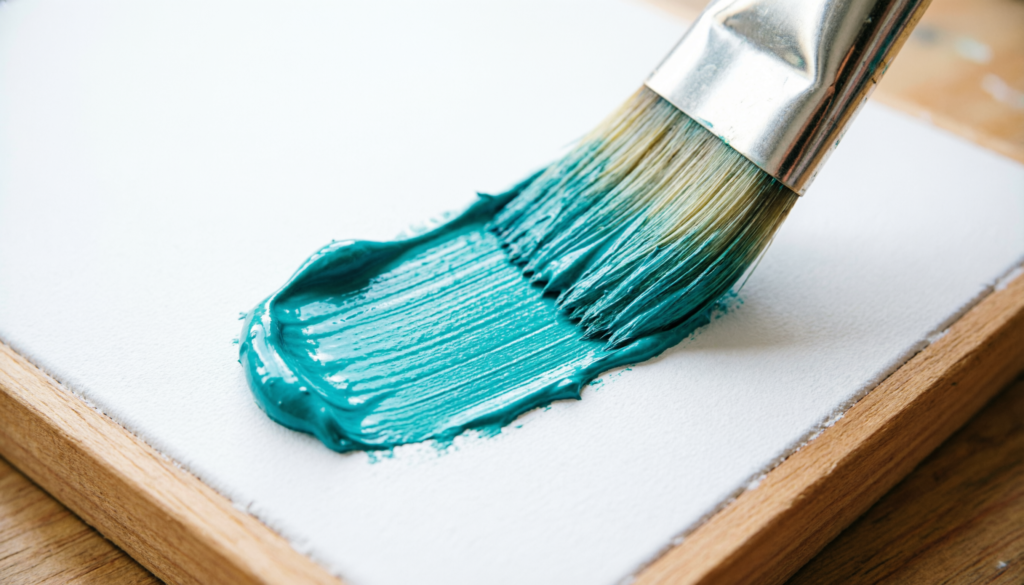
Apply your first coat of gesso using a wide brush. Leading art suppliers note that applying a thin layer of primer seals the wood and ensures lighter colors appear much more vibrant. Let this first coat dry for an hour. Then, lightly sand it again with your 220-grit sandpaper.
Apply a second coat of gesso in the opposite direction of your first coat. This cross-hatching technique creates a solid and even foundation. Industry experts agree that gesso provides the perfect tooth and adhesion for both acrylic and oil paints.
Now you can finally start painting! Begin with thin layers of color to map out your composition. This early stage is called underpainting. It helps you establish the basic shapes and shadows of your artwork.
Build up your mid-tones gradually as you work. Save your thickest paint and brightest highlights for the very end. Working from thin to thick layers ensures your paint dries properly and prevents cracking.
How Do You Fix Mistakes on a Wood Painting?
You can easily fix mistakes on a wood painting by letting the acrylic paint dry completely and simply painting over the error. If the paint is still wet, you can wipe it away with a damp rag or gently scrape it off the sealed surface.
Making mistakes is a normal part of the creative process. The great thing about painting on a rigid surface is how durable it is. You can be much rougher with a wood panel than you can with a stretched canvas.
If you make a mistake with acrylics, patience is your best friend. Wait for the flawed section to dry completely. Once it is dry, you can paint right over it with an opaque color like titanium white or your background color.
If you act quickly, you can fix wet mistakes too. Paint manufacturers explain that you can gently scrape away wet acrylic paint from sealed wood without damaging the panel beneath it. You can use a palette knife or an old credit card for this.
You can also use a slightly damp rag to wipe away fresh paint. Just be careful not to scrub too hard. Scrubbing heavily might lift the gesso primer underneath your painting.
Do You Really Need to Seal Your Wood Painting?
Yes, you really need to seal your wood painting. A final coat of varnish protects your artwork from dust, moisture, and fading caused by UV light. Sealing also evens out the surface finish, ensuring your colors look rich, uniform, and vibrant for years.
Leaving a finished painting unsealed is a risky move. Wood can expand and contract with changes in humidity. A good varnish provides a protective shell that moves gently with the wood.
Conservation specialists warn that proper sealing prevents natural chemicals and tannins from degrading the painting over time. This is especially true if you left parts of the raw wood exposed in your design. Wood tannins can seep up through the paint and cause yellow or brown stains.
Applying a varnish is the final step in your creative journey. You can choose a matte, satin, or gloss finish depending on your personal preference. Gloss varnishes make dark colors look deeper, while matte varnishes reduce unwanted glare.
Make sure your painting is completely dry before you varnish it. For a deeper dive into this process, check out our guide on varnishing your finished painting to protect your hard work.
Essential Tips for Painting on Wood Panels
Working on wood panels feels completely different than working on canvas. The rigid surface provides excellent support for heavy textures and palette knife work. You do not have to worry about the surface bouncing or stretching while you work.
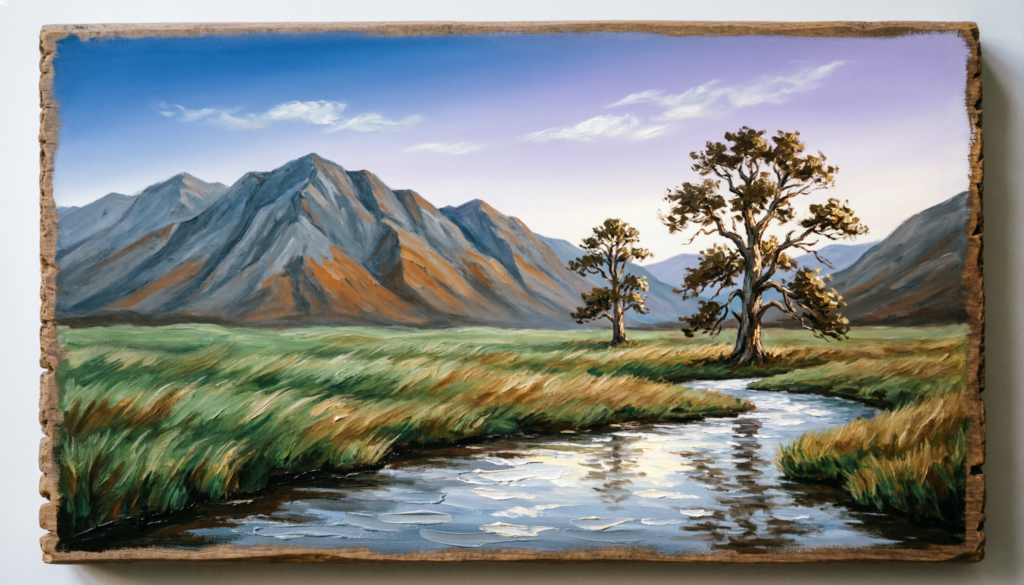
Having the right tools will make your experience much more enjoyable. Finding essential painting supplies like the correct brushes is a great starting point. For example, synthetic bristle brushes are highly recommended for achieving smooth and even strokes on wood.
Do not be afraid to let the natural wood grain show through your painting. You can thin your acrylic paints with water to create transparent washes. This technique allows the beautiful organic patterns of the wood to become part of your artwork.
You can also use painter’s tape to create crisp, sharp lines on a wooden panel. The hard surface allows the tape to seal tightly. This prevents the paint from bleeding underneath the edges. Remember to have fun and embrace the unique qualities of this wonderful medium.
Conclusion
Painting on wood is a rewarding experience that opens up new creative possibilities. The most important lesson is to never skip your preparation steps. Taking the time to sand, seal, and prime your wood will save you from frustration later on. Your paints will glide on smoothly, and your colors will remain vibrant and true.
Remember that every great artist started exactly where you are today. Mistakes are simply stepping stones on your artistic journey. Do not let the fear of a blank wooden panel hold you back from expressing yourself.
Are you ready to start your next creative project? Grab your brushes, pick out a sturdy wooden panel, and begin creating today. If you found this tutorial helpful, explore the rest of our beginner guides to keep building your artistic confidence!
Frequently Asked Questions
- Can you paint directly on raw wood without priming? You can paint directly on raw wood, but it is not recommended for lasting artwork. The wood will absorb the moisture from your paint, leading to dull colors and potential rotting. Always use a sealer and gesso first to protect your piece.
- How many coats of gesso do I need for a wood panel? You should apply at least two to three coats of gesso to a wood panel. Lightly sand the surface between each coat. This process creates a perfectly smooth and durable foundation for your paints.
- What happens if I do not sand the wood before painting? If you skip sanding, your paint will catch on the rough wood fibers and look uneven. Splinters can also break off and ruin your brushwork. Sanding ensures a professional and clean finish for your artwork.
- Is it better to use a brush or roller for priming wood? A foam roller is excellent for applying a smooth, even layer of gesso on large wood panels. However, a wide flat brush works perfectly fine for smaller pieces. It just depends on the size of your project and the texture you want.
- Can I use watercolors on wooden surfaces? Yes, you can use watercolors on wood, but you must use a special watercolor ground instead of regular gesso. Watercolor ground creates an absorbent surface similar to paper. Regular acrylic gesso will cause the watercolors to bead up and slide off.