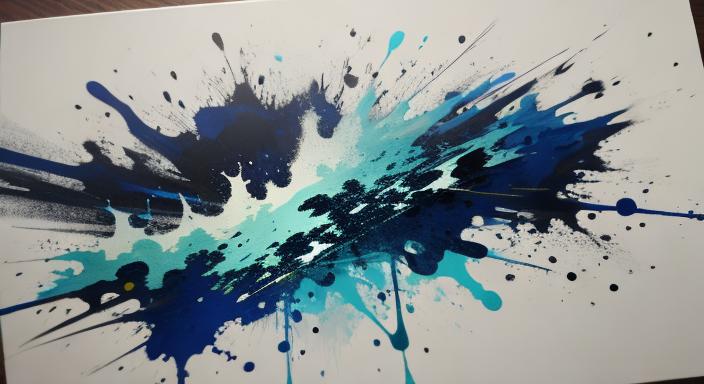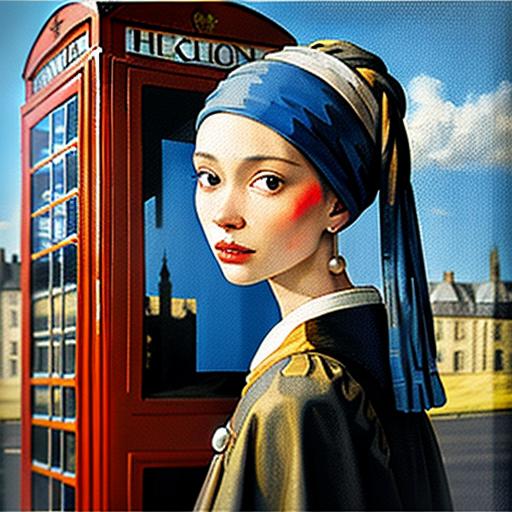
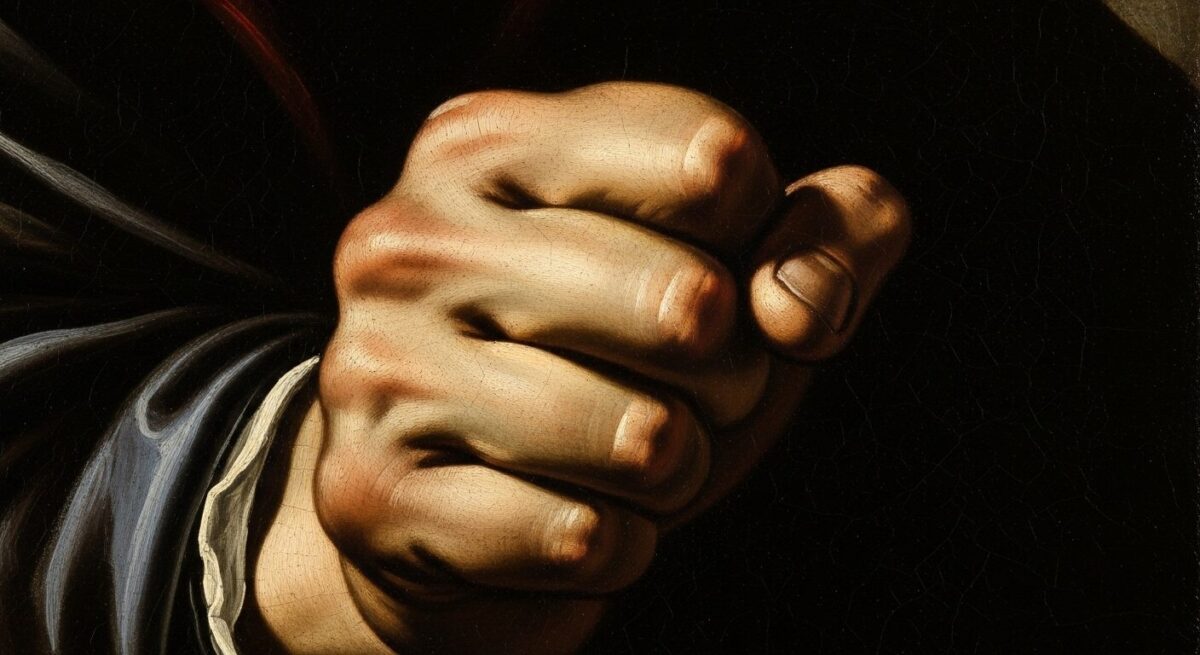
I’ve always been drawn to the way Renoir’s bold colors can make a scene feel alive, or how a soft watercolor wash captures a fleeting moment. You see, art doesn’t just hang on a wall—it reaches out and touches something deep inside us. Have you ever stood in front of a painting and felt a shiver down your spine? If you have, you’ve witnessed something profound (and here’s the thing…): Great Art Has Power Because it speaks the universal language of human emotion. It’s a journey into our own hearts and minds, guided by someone else’s creativity.
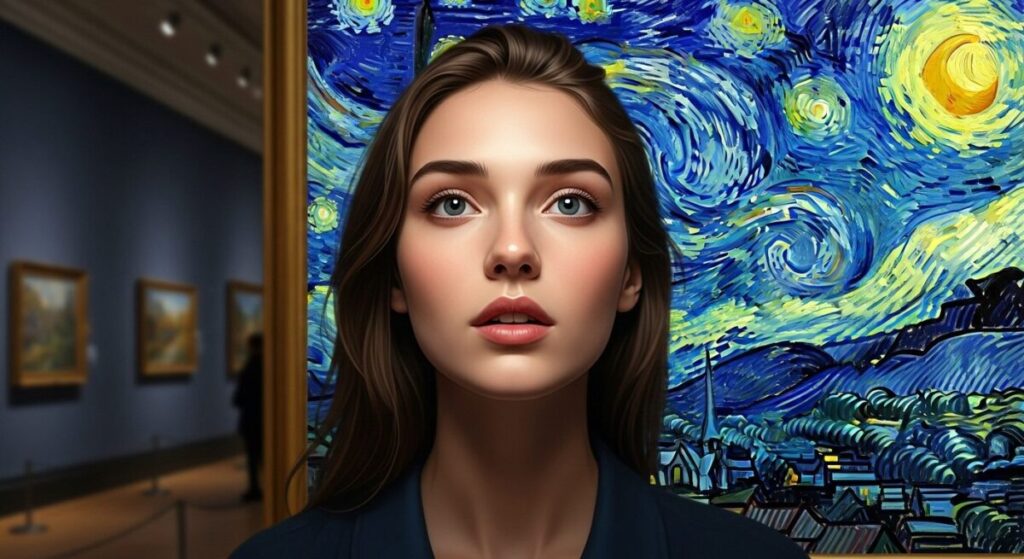
It has an incredible, almost magical ability to communicate feelings, ideas, and stories without saying a single word. From the sudden calm you feel from a serene landscape to the overwhelming rush of excitement from a bold, colorful abstract, art’s power is a real, measurable thing. It’s a journey into our own hearts and minds, guided by someone else’s creativity.
Key Points Summary
- Great art uses color, line, and shape to create a direct emotional response in the viewer.
- The psychological phenomenon of the “Aesthetic Experience” is a core reason great art has power because it evokes unique, powerful feelings in the viewer.
- Viewing and creating art can improve mental health, reduce stress, and promote a sense of well-being, acting as a form of therapy.
- Artists often pour their own feelings into their work, allowing us to connect with a shared human experience.
- Art acts as a mirror, helping us understand and process our own emotions from a safe distance.
- The fact that great art has power because of its emotional impact is a fundamental reason why it has been a part of human culture for thousands of years.
The Secret Life of Color: Art and Psychology
Think about your favorite color. Does it make you feel happy, calm, or energized? The answer is probably yes, and that’s because our brains are wired to react to different colors in specific ways. Artists are like wizards who use these colors as spells to cast moods on us. A bright, sunny yellow can make us feel cheerful and optimistic, while a deep, stormy blue can bring a sense of sadness or peace. This is a core reason art has so much power: it manipulates these sensory inputs to create a feeling.
The combination of colors, along with the lines and shapes in a painting, creates a powerful recipe for feeling. For example, when you look at a painting by Vincent van Gogh, like his famous The Starry Night, the swirling, intense blues and yellows don’t just show a night sky; they make you feel the artist’s own powerful, swirling emotions. He wasn’t just painting what he saw; he was painting what he felt. That powerful connection is why his art still speaks to millions of people today. If you’re curious about the stories behind these artists, you can dive deeper into their lives and work by exploring our Vincent van Gogh artist spotlight.
| Color Group | Common Emotional Response | Example of Use in Art |
| Warm Colors (Reds, Oranges, Yellows) | Excitement, Passion, Anger, Joy | Expressionist and Fauvist paintingsvan gogh |
| Cool Colors (Blues, Greens, Purples) | Calmness, Sadness, Serenity | Landscapes, Seascapes, Impressionist works |
| Earth Tones (Browns, Tans) | Stability, Comfort, Nature | Realist and Academic paintings |
| Black & White | Formality, Drama, Simplicity | Abstract art, classical drawings |
Art as a Mirror: Seeing Ourselves in the Canvas
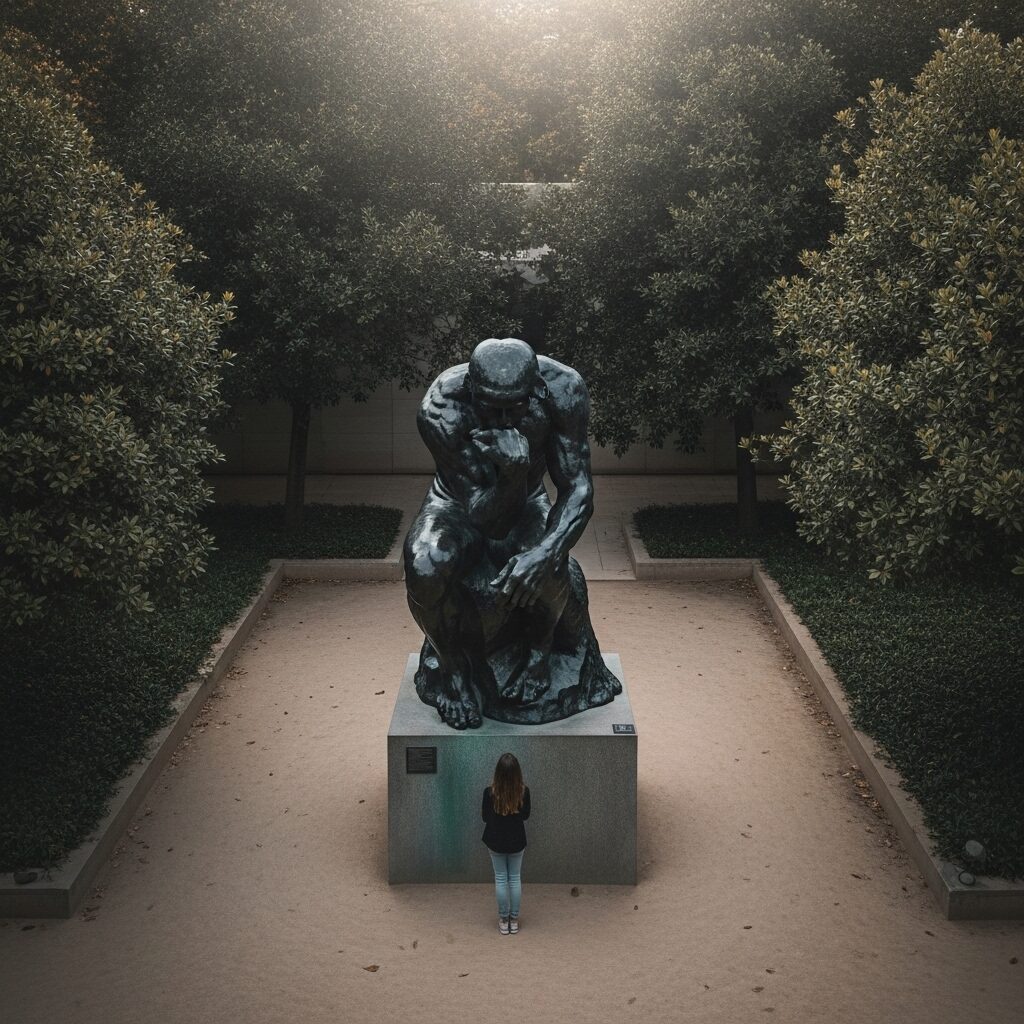
Sometimes, the incredible power of a great painting isn’t just in what it shows us, but in what it helps us see in ourselves. Art can be like a mirror for our feelings. A portrait of a person looking sad might remind us of a time we felt that way. A painting of a vibrant, chaotic scene might perfectly capture the feeling of a busy city or a complex thought in our own minds. This is a key part of the reason great art has power because it helps us identify, understand, and even process our own complex feelings.
This idea is at the heart of what art critics call the “aesthetic experience.” It’s the feeling we get when we stand in front of something beautiful and feel a sense of awe or wonder. It’s a moment of connection to something bigger than ourselves, a feeling of shared humanity. Artists from the Renaissance understood this deeply. They created masterpieces that explored human emotion, spirituality, and intellect. You can learn more about this transformative period in our guide to the history of the Renaissance. The transformative power of art is tied to this ability to reflect our inner world.
The Healing Touch of Art
Beyond just helping us understand our feelings, art can actively make us feel better. Art therapy is a real thing used by doctors and psychologists to help people deal with stress, anxiety, and trauma. The simple act of creating something, whether it’s a detailed sketch or just scribbling on a page, can be a powerful way to express feelings that are too difficult to put into words. This is a huge part of the reason great art has power because it provides a powerful, non-verbal way to express emotions.
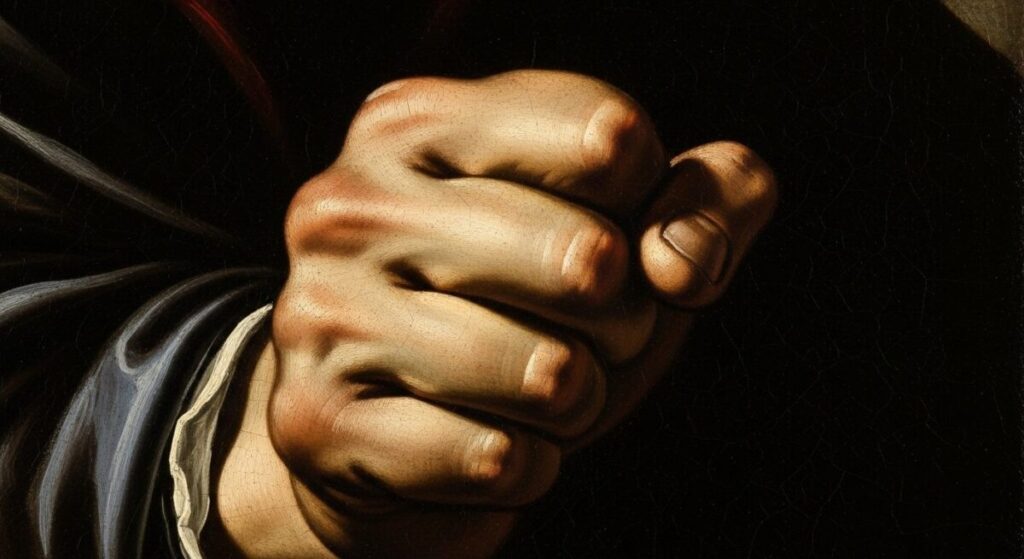
In a world that can often feel confusing and overwhelming, art offers a safe space. It lets us explore challenging ideas and uncomfortable feelings from a safe distance. Think of a painting of a sad event. We can look at it, feel empathy, and process those feelings without being in a real-world dangerous or sad situation. This “aesthetic distance” is a psychological tool art gives us to grow and heal. A lot of modern art, like Impressionism, was focused on capturing fleeting moments and emotions, which is why it can be so calming and transportive. You can discover more about this fascinating movement in our article on the art and feeling of Impressionism.
As Pablo Picasso once said,
“Art washes from the soul the dust of everyday life.”
This powerful quote perfectly sums up how art revitalizes our spirits and gives us a new perspective.
Connecting Through a Shared Experience
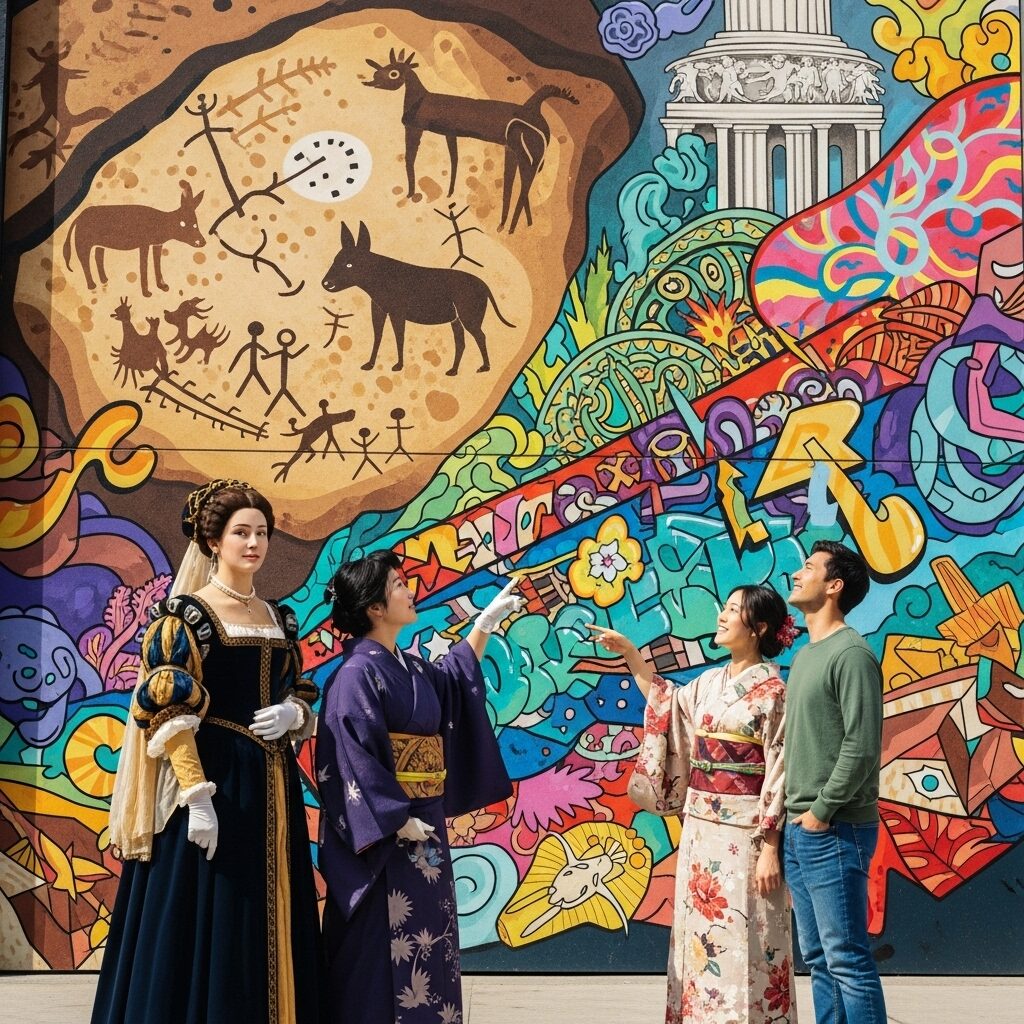
Art is also a powerful tool for connecting with others. When we look at a work of art, we are seeing the world through the artist’s eyes. This helps us build empathy and understand different cultures and perspectives. A painting of a family gathering in Mexico by Frida Kahlo doesn’t just show a scene; it shares the feelings of love, family, and tradition. By looking at her work, we get a glimpse into her personal world and a culture that might be different from our own. This is a core reason great art has power because it bridges cultural divides and fosters a sense of shared humanity. If you want to learn more about this influential artist, we have a detailed look at the art and life of Frida Kahlo.
Art is a conversation across time and space. The stories and emotions expressed in ancient cave paintings are still understandable to us today. This unbroken chain of human expression shows just how fundamental art is to who we are as people. It proves that despite our differences, we all share the same basic feelings of joy, sadness, fear, and love.
You can learn even more about how to find and care for pieces that speak to you personally. The right piece of art can be a lifelong companion, offering comfort, inspiration, and a way to reflect on your journey. Check out our detailed guide on art care and maintenance to keep your collection in top shape.
Beyond just the art itself, the process of bringing a piece into your life and home can also be an emotional journey. From selecting a piece that resonates with your soul to finding the perfect spot for it on your wall, the entire experience is designed to enhance your daily life. And for those just starting their journey, there’s no better place to begin than with our guide on how to buy your first piece of art.
The Final Brushstroke
There’s a specific kind of silence that falls over a classroom when a student finally connects with their work—it’s the same quiet satisfaction I get when I lay down a final, perfect wash of blue and know a piece is finished. That silence speaks volumes. Ultimately, Great Art Has Power Because it transcends language to speak directly to our emotions. It allows us to feel, to heal, and to find bits of ourselves in the brushstrokes of strangers.
So, the next time you find yourself in a museum or gallery, try to turn off your analytical brain for a moment (I know, it’s harder than it sounds!). Don’t just look at the art. Take a moment to really feel it. Let the colors and shapes wash over you, and you might just find that the art changes you a little bit in the process.
People Also Ask
Q: What is the main purpose of art?
A: The main purpose of art is to express ideas, feelings, and beliefs. While it can be for beauty or for communication, at its core, art is a way for people to share their inner world with others.
Q: How does art affect a person’s mood?
A: Art can affect a person’s mood in many ways. Vibrant, dynamic art can create feelings of energy and excitement, while calm, balanced art can promote a sense of peace and relaxation. The specific colors, shapes, and subject matter all play a role in this emotional response.
Q: Why is art so important in life?
A: Art is important because it enriches our lives in countless ways. It helps us understand ourselves and the world, it fosters creativity and critical thinking, and it allows us to connect with people from different cultures and time periods through a shared language of human experience.
Citations
- “Bodily feelings and aesthetic experience of art.” Taylor & Francis Online. Retrieved from https://www.tandfonline.com/doi/full/10.1080/02699931.2023.2183180
- “Emotional Responses to Visual Art and Commercial Stimuli.” Frontiers in Psychology. Retrieved from https://www.frontiersin.org/articles/10.3389/fpsyg.2019.00014/full
- “How Art Can Elicit an Emotional Response.” Collier & Dobson. Retrieved from https://www.collierdobson.com/blogs/news/how-art-can-elicit-an-emotional-response
- “Art and Emotion: Why We Love the Art We Love.” Composition Gallery. Retrieved from https://www.composition.gallery/journal/art-and-emotion-why-we-love-the-art-we-love
- “Aesthetic Emotions Across Arts: A Comparison Between Painting and Music.” PMC (PubMed Central). Retrieved from https://www.ncbi.nlm.nih.gov/pmc/articles/PMC4700299/
- “When Science Meets Art on Instagram.” ResearchGate. Retrieved from https://www.researchgate.net/publication/378022631_When_Science_Meets_Art_on_Instagram_Examining_the_Effects_of_Visual_Art_on_Emotions_Interest_and_Social_Media_Engagement