Have you ever stood in front of a painting and felt like it was telling you a secret? Art is so much more than just a pretty picture on a wall. The most famous masterpieces are often those that have something profound to say about life, history, or the human spirit. These are the paintings with deep meaning, and understanding them is like having a key to a secret world.
Key Point Summary:
- Art’s true power lies in its hidden stories and symbols, not just its visual appeal
- Masterpieces like Leonardo da Vinci’s The Last Supper and Picasso’s Guernica are examples of paintings with deep meaning that reflect historical events and human emotions
- Understanding the artist’s life and the historical context is crucial for decoding the deep meaning in art
- Symbolism, like the melting clocks in Dalí’s The Persistence of Memory, allows artists to explore complex philosophical ideas
- Exploring paintings with deep meaning helps us connect with history, philosophy, and the universal human experience
In this article, we’ll go on a journey to explore some of the world’s most incredible masterpieces, looking past the colors and shapes to uncover the powerful stories and hidden messages they hold. From a famous last meal to a symbol of wartime horror, these paintings with deep meaning have captivated audiences for centuries.
Why Famous Paintings Have Hidden Messages
You might think that looking at a painting is a simple experience, but the truth is, artists are like storytellers. They use symbols, colors, and composition to weave complex narratives. A simple object in a painting might represent an idea, a person, or a feeling. For example, a skull often symbolizes death, while a dove represents peace.
When we talk about paintings with deep meaning, we’re talking about works where these symbols and stories are especially powerful and layered. To truly understand a painting, you need to be a detective, looking for clues left by the artist. These clues are what turn a simple image into a profound statement. Understanding art symbolism is a rewarding experience because it allows you to connect with the artist on a different level.
The Last Supper by Leonardo da Vinci: A Masterpiece of Human Drama
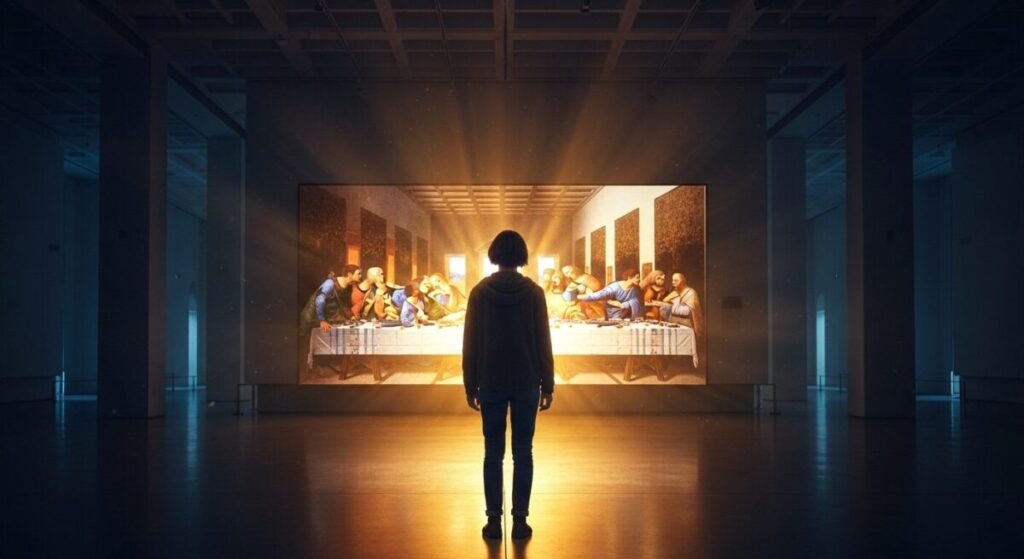
One of the most famous examples of paintings with deep meaning is Leonardo da Vinci’s The Last Supper. While it may seem like a simple image of Jesus and his apostles eating dinner, it’s a moment charged with incredible drama. The painting captures the exact moment Jesus announces that one of his disciples will betray him. The entire room erupts in a mix of shock, fear, and confusion.
Da Vinci masterfully uses body language to tell the story. Each apostle reacts in a unique way, revealing their personality. For example, Judas is shown clutching a small bag of silver—the payment he received for his betrayal. Peter holds a knife, foreshadowing his later defense of Jesus.
The painting’s incredible detail and psychological depth make it a powerful exploration of faith, betrayal, and human nature. You can learn more about the master of this piece and others in our guide to famous Renaissance artists. This is one of the ultimate paintings with deep meaning because it’s not just a religious scene; it’s a study of human emotions at their peak.
Guernica by Pablo Picasso: Art as Protest
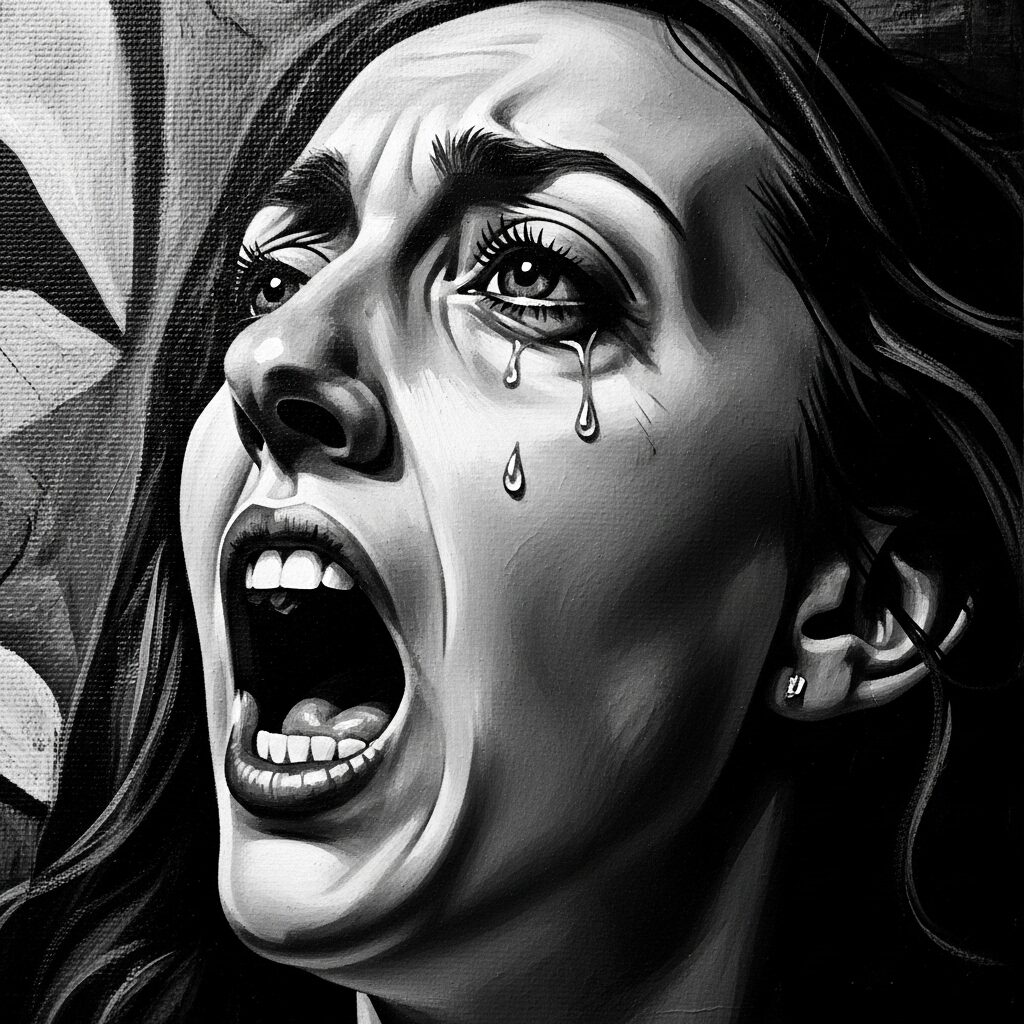
If you’re looking for a painting with an intensely powerful and historical meaning, look no further than Pablo Picasso’s Guernica. This monumental piece is not meant to be beautiful or comforting. It is a powerful protest against war. Created in 1937, it was a direct response to the brutal bombing of the Basque town of Guernica during the Spanish Civil War.
The painting is a chaotic mix of black, white, and gray, which adds to its sense of horror. Distorted figures scream in agony—a terrified mother mourns her dead child, a dismembered soldier lies on the ground, and a horse cries out in pain. The bull, a symbol of Spain, stands stoically, while a light bulb at the top of the painting acts as a sort of “eye,” representing the world’s witness to the atrocity.
Picasso created this work to show the world the suffering of innocent civilians caught in conflict. It’s one of the most famous anti-war paintings with deep meaning because it speaks a universal language of pain and suffering.
“What do you think an artist is? An imbecile who has only eyes if he is a painter, or ears if he is a musician? On the contrary, he is at the same time a political being, constantly aware of the heartbreaking, passionate, or delightful events taking place in the world… No, painting is not made to decorate apartments. It is an instrument of war for attack and defense against the enemy.”
Pablo Picasso
You can read more about this influential artist on our Pablo Picasso artist profile.
The Persistence of Memory by Salvador Dalí: Time Becomes Art

Moving from historical protests to mind-bending philosophy, Salvador Dalí’s The Persistence of Memory is another shining example of paintings with deep meaning. This iconic work from 1931 is a cornerstone of the Surrealism art movement. At first glance, it looks like something from a strange dream: soft, melting clocks drape over tree branches and the edge of a platform.
The painting’s meaning is highly debated, but most art experts agree it’s about the nature of time. The melting clocks suggest that time is not rigid and fixed, but rather fluid and flexible. Dalí was exploring the difference between the “hard” scientific time that a clock measures and the “soft” psychological time that we experience, where an hour can feel like a minute or a minute can feel like an eternity.
The strange, distorted face-like shape in the center is thought to be a self-portrait of the artist, sleeping, which makes the entire scene an image from his subconscious. This artwork is a true head-scratcher, which is what makes it one of the most unique paintings with deep meaning.
More Famous Artworks with Profound Messages
Understanding a painting’s meaning often involves deciphering its symbolism. It’s like learning a secret language that artists use to communicate complex ideas. Here are a few more amazing paintings with deep meaning you should know about:
| Painting | Artist | Main Symbol/Theme | Deep Meaning |
|---|---|---|---|
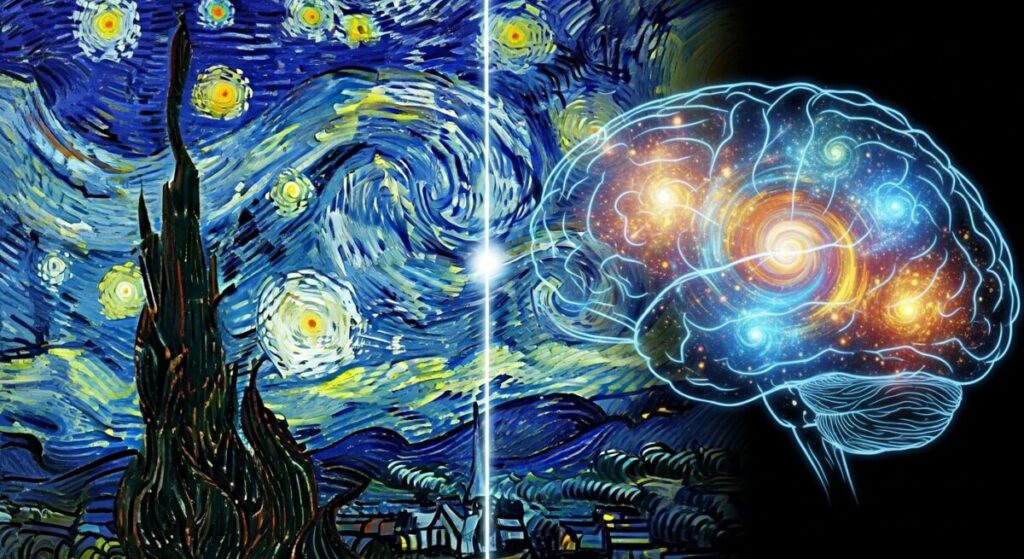
| The Starry Night | Vincent van Gogh | Swirling sky, cypress tree | Van Gogh’s inner turmoil and a hopeful connection to the afterlife |
| The Scream | Edvard Munch | The distorted figure and landscape | The terrifying feeling of anxiety, a “scream” felt through nature |
| American Gothic | Grant Wood | The pitchfork, stern expressions | A representation of the strong, resilient spirit of rural America |
| The Arnolfini Portrait | Jan van Eyck | The mirror, single candle | A detailed legal document of a marriage contract, filled with hidden symbols |
To dive deeper into specific masterpieces, check out our analysis of Van Gogh’s Starry Night or explore the hidden symbolism in Munch’s The Scream.
How to Understand Art’s Hidden Messages
Learning to decode paintings with deep meaning is like becoming an art detective. Here are some tips to help you uncover the secrets:
- Research the historical context – Understanding what was happening in the world when the artist created the work
- Look for recurring symbols – Artists often use the same symbols throughout their career
- Study the artist’s life – Personal experiences often influence artistic choices
- Pay attention to color choices – Colors can carry emotional and symbolic weight
- Notice composition and perspective – How elements are arranged can tell a story
Video: What Makes a Painting a Masterpiece?
This video explores the deeper connections we form with art, highlighting why we are drawn to paintings with deep meaning and how they continue to speak to us across centuries.
The Lasting Impact of Meaningful Art
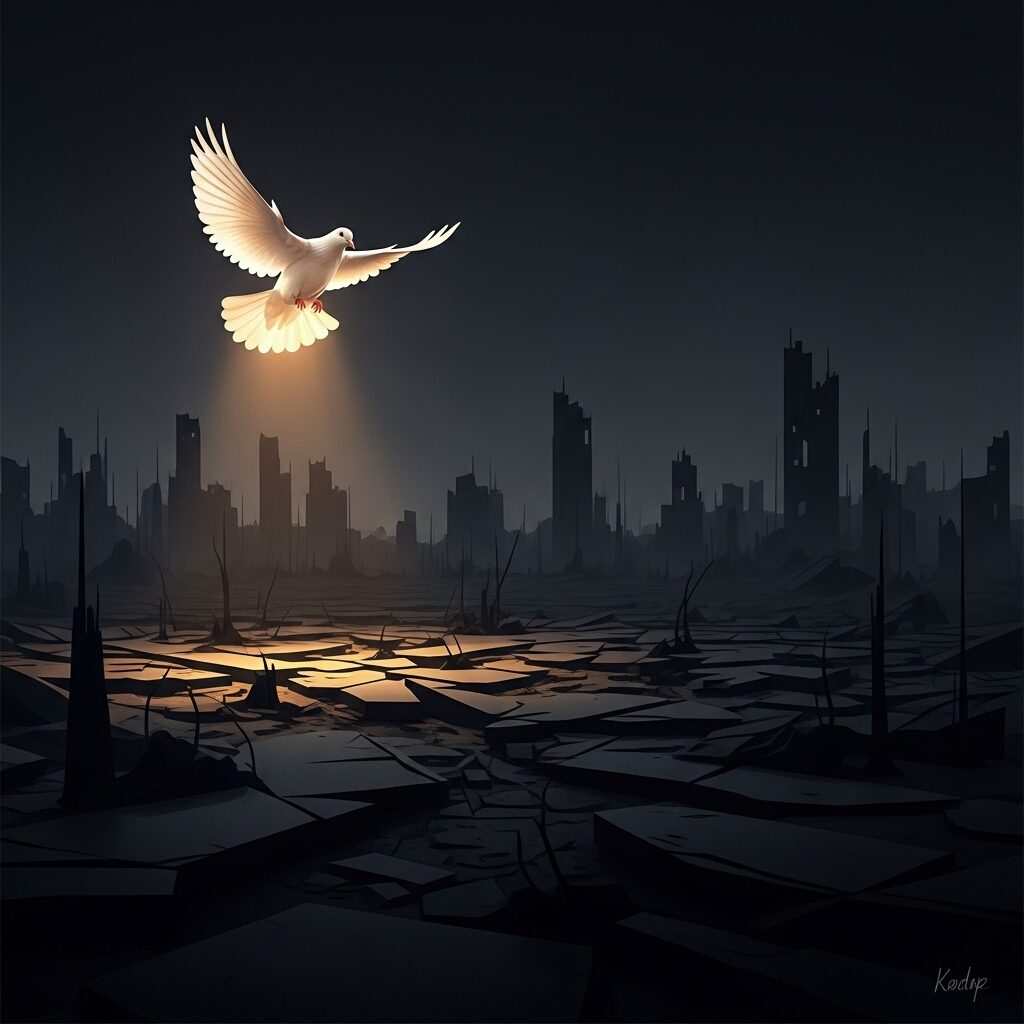
The world’s most famous paintings are not just pretty pictures hanging in museums. They are powerful statements that capture historical events, philosophical ideas, and intense emotions. From the religious drama of The Last Supper to the anti-war message of Guernica, and the surreal exploration of time in The Persistence of Memory, each of these paintings with deep meaning offers a window into the mind of the artist and the society they lived in.
Learning about these hidden meanings makes the experience of looking at art so much richer. It’s what transforms a simple visit to a museum into an incredible adventure. The next time you see a work of art, take a moment to look beyond the surface. Ask yourself, “What is this painting trying to tell me?” You might just discover a secret that has been waiting for centuries to be found, connecting you to the powerful tradition of paintings with deep meaning that continue to inspire and move us today.
Frequently Asked Questions
What is the most meaningful painting of all time? The “most meaningful” painting is subjective, but many consider Pablo Picasso’s Guernica to be one of the most powerful. Its profound anti-war message and visual depiction of human suffering have made it a universal symbol of protest.
How do you identify symbolism in paintings? Look for recurring objects, unusual color choices, religious or mythological references, and elements that seem out of place. Research the artist’s background and the historical period to better understand potential meanings.
Why do artists hide messages in their work? Artists often embed hidden messages to communicate complex ideas, avoid censorship, create multiple layers of meaning, or engage viewers in deeper thinking about important topics.
What makes a painting historically significant? Historical significance comes from documenting important events, reflecting social movements, influencing other artists, or capturing the spirit of a particular time period in a powerful way.
Can modern paintings have deep meaning too? Absolutely! Contemporary artists continue to create works with profound messages about current events, social issues, environmental concerns, and human experiences.
Citations:
1. Last Supper Analysis | Britannica Encyclopedia
Summary: Comprehensive scholarly analysis of Leonardo’s masterpiece, explaining symbolic elements, artistic techniques, and the psychological depth of each apostle’s emotional reaction.
2. Leonardo’s Last Supper | Smarthistory Academic Resource
Summary: Detailed iconographic examination revealing hidden symbols, character identification methods, and Renaissance artistic innovations that make this painting historically significant.
3. Guernica Historical Context | Britannica Encyclopedia
Summary: Authoritative documentation of Picasso’s anti-war masterpiece, including bombing details, creation timeline, and the painting’s journey through political exile.
4. Pablo Picasso’s Guernica | Official Picasso Organization
Summary: Official source establishing Guernica as Picasso’s most powerful political statement, created as immediate reaction to devastating Nazi bombing practices.
5. The Persistence of Memory | Britannica Encyclopedia
Summary: Expert analysis of Dalí’s surrealist techniques, explaining melting clock symbolism, artistic inspiration from hallucinations, and connections to Einstein’s relativity theory.
6. Dalí’s Masterpiece Analysis | Artsper Art Magazine
Summary: Contemporary interpretation connecting Dalí’s work to Freudian psychology, Surrealist movement themes, and exploration of dreams and subconscious imagery.