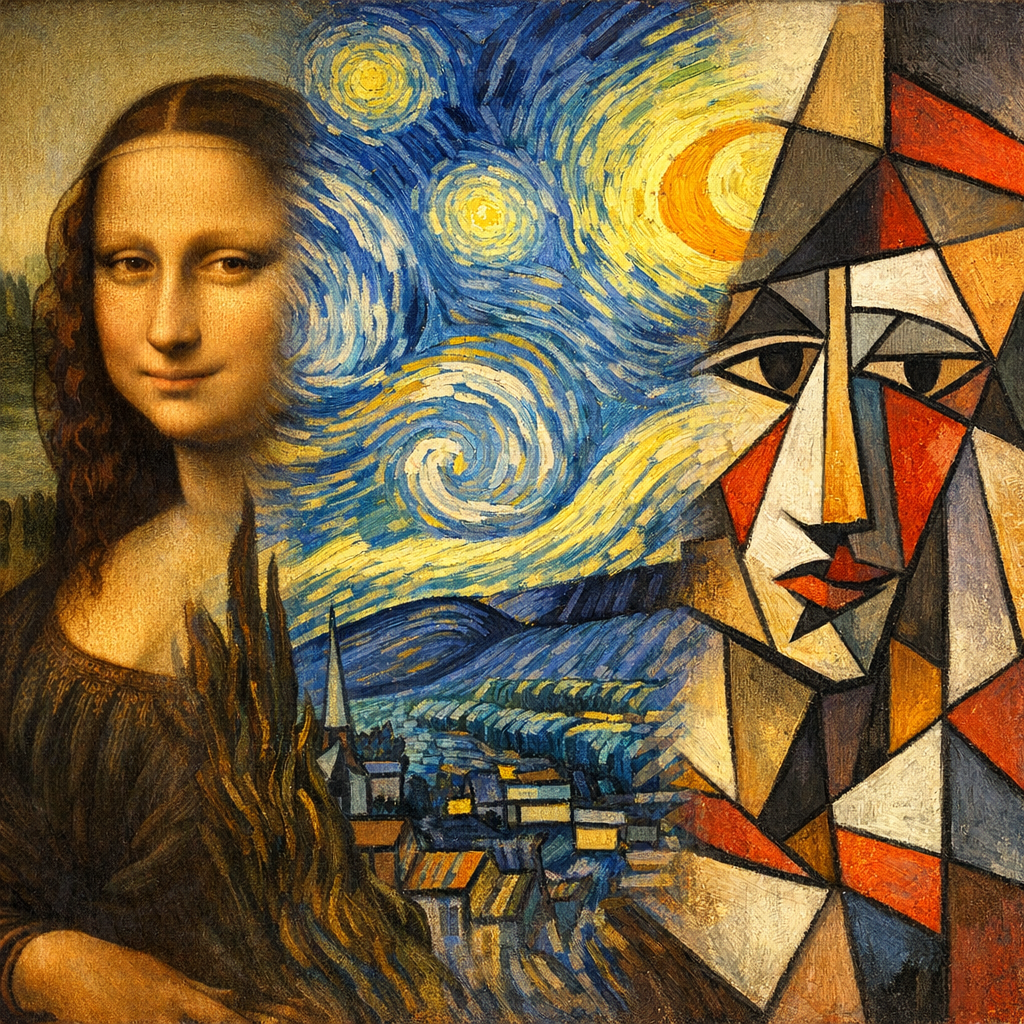
Comparing Leonardo da Vinci, Vincent van Gogh, and Pablo Picasso is a fascinating journey through art history. This post explores their unique styles, their impact on the world, and what makes each of them a genius. By the end, you will understand their differences and learn how to decide who the greatest painter is for yourself. Keep reading to discover their secrets and get inspired to create your own art.
Have you ever wondered who the best artist in history really is? When we talk about the greatest painters, three names always rise to the top. Those names are Leonardo da Vinci, Vincent van Gogh, and Pablo Picasso. Each of these legendary artists changed the way we see the world. But when we compare da Vinci vs van Gogh vs Picasso, it can feel like comparing apples to oranges.
They lived in entirely different eras. They used completely different tools. They even had opposite personalities. As an arts educator with over a decade of teaching experience, I hear this question all the time. Students often feel intimidated by these massive names. They worry they need to understand complex art theory to appreciate them.
You do not need a degree to understand their genius. We are going to look at what makes each of them special. We will explore da Vinci’s scientific mind, van Gogh’s emotional colors, and Picasso’s rule-breaking shapes. By breaking down their styles, we can finally answer the big question about who claims the top spot. Let us dive into the ultimate artistic showdown.
Who Is the Greatest Painter of All Time?
The greatest painter of all time is highly subjective, but Leonardo da Vinci is widely considered the ultimate master for his technical perfection. However, Vincent van Gogh wins for emotional impact, and Pablo Picasso is celebrated as the most inventive artist of the modern era.
People have debated this for centuries. If you look at whether is there a greatest painter ever, you will find that greatness depends on your criteria. Do you value technical skill, emotional connection, or sheer innovation? A recent look at the most famous painters and paintings shows that all three hold permanent spots in the top tier of history. According to a recent art ranking, the Mona Lisa is the most famous painting in the world due to its priceless cultural value. Let us explore their individual strengths.
How Did Leonardo da Vinci Change Art?
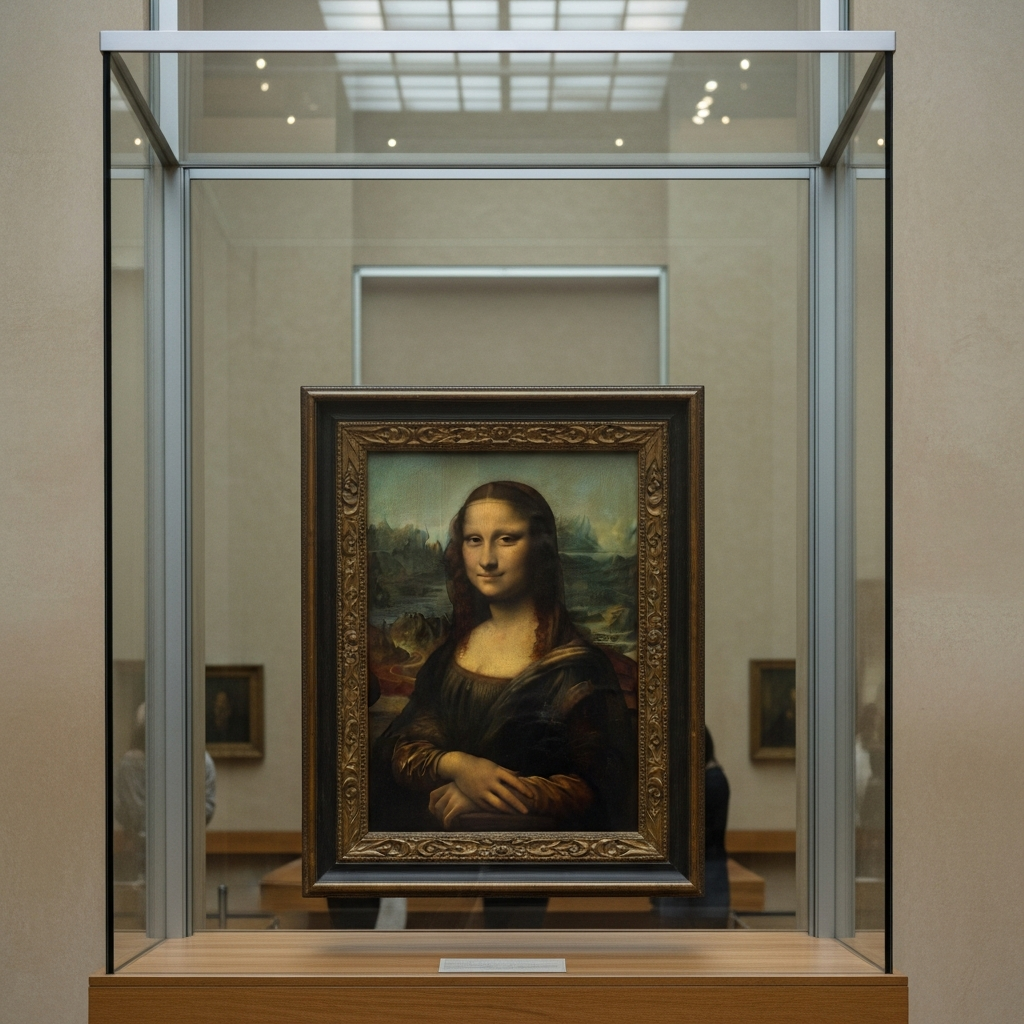
Leonardo da Vinci changed art by blending intense scientific observation with painting. He pioneered techniques like sfumato, which creates soft transitions between colors and shadows. This made his portraits, such as the Mona Lisa, look incredibly lifelike and three-dimensional.
Da Vinci was the ultimate Renaissance man. He did not just paint; he studied anatomy, engineering, and nature. According to the National Gallery in London, Leonardo kept detailed notebooks of his research to perfect his art. His scientific mind helped him understand exactly how light hits the human face. Art experts explain that sfumato was a delicate blending of colors that revealed his absolute genius.
When I teach beginners, we often look at Leonardo da Vinci’s most famous paintings. His work shows us that patience pays off. He was known to carry the Mona Lisa around for years to refine her smile. His triangular composition style is still used today because it is incredibly pleasing to the eye.
Why Do People Love Vincent van Gogh?
People love Vincent van Gogh because his paintings display raw human emotion. He used thick layers of paint, swirling brushstrokes, and incredibly vibrant colors to express his feelings. His work feels deeply personal and connects easily with everyday viewers.

Van Gogh took a totally different path. He was largely self-taught and only started painting seriously in his late twenties. A historical overview notes that he created over 850 paintings in just three years. That is an amazing level of passion. A detailed analysis of art history notes that Van Gogh used energetic techniques to make his art alive, inspiring later Expressionist movements.
Instead of focusing on perfect realism, he focused on feeling. If you want to paint like van Gogh, you have to let go of perfection. You must focus on bold colors and dramatic strokes. He painted Starry Night from the window of an asylum, turning his personal struggles into a glowing, hopeful masterpiece. His vulnerability is exactly why millions of people adore him today.
What Made Pablo Picasso a Revolutionary Artist?
Pablo Picasso was revolutionary because he completely destroyed traditional rules of perspective. He co-created Cubism, a style that breaks objects apart and reassembles them from multiple angles at once. He proved that art does not have to copy reality.
Picasso was a child prodigy who mastered realistic painting early in life. But he got bored with tradition. He famously said that every act of creation begins with an act of destruction. My Modern Met points out that Picasso left behind more than ten thousand pieces of art across seven decades. His massive monochrome mural, Guernica, captures the chaos of war and remains a powerful anti-war message.
He reinvented himself constantly. As a revolutionary artist, he wanted to show you the front, side, and back of a face all at the same time. This bold approach changed the entire trajectory of modern art. He forces us to look at the world like a complex puzzle.
The Verdict on the Greatest Painter
Choosing a winner is like picking a favorite star in the night sky. If we measure greatness by technical mastery and intellectual depth, Leonardo da Vinci takes the crown. If we measure it by emotional resonance and popular love, Vincent van Gogh is the clear winner. If we measure greatness by volume, reinvention, and modern influence, Pablo Picasso stands alone.
When we implemented these different styles in our beginner workshops, we saw students light up at different moments. Some loved the careful blending of da Vinci. Others found freedom in the thick textures of van Gogh. The true greatest is simply the one who inspires you to pick up a brush and try it yourself.
Final Thoughts
Comparing da Vinci, van Gogh, and Picasso reminds us that there is no single right way to create art. The BBC recently held a poll where thousands of people voted for their favorite paintings, proving that art appreciation is incredibly diverse. Da Vinci teaches us to observe the world closely. Van Gogh gives us permission to paint our feelings. Picasso shows us how to break the rules and have fun. They all achieved greatness through completely different methods.
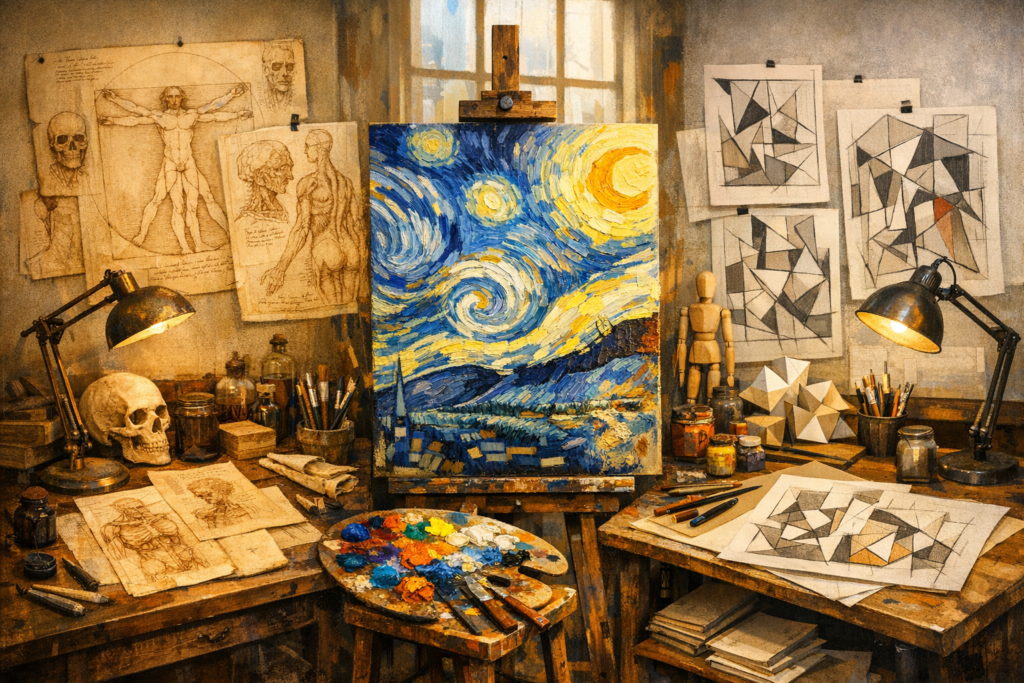
Your own creative journey does not have to look like anyone else’s. The most important step is simply getting started. Grab some basic supplies, pick your favorite artist from this list, and try mimicking their style.
Frequently Asked Questions
Did van Gogh and Picasso ever meet? No, Vincent van Gogh and Pablo Picasso never met. Van Gogh died in 1890 when Picasso was only nine years old. However, a review of modern art history shows Picasso admired Post-Impressionist painters like van Gogh and was heavily inspired by his expressive use of color.
Who sold the most paintings during their lifetime? Pablo Picasso sold the most paintings during his lifetime and became incredibly wealthy. In contrast, historical records show that van Gogh only sold one confirmed painting before his death. Da Vinci worked mostly on commissions for wealthy patrons.
Which of these three artists is the most famous? Leonardo da Vinci is often considered the most famous due to the Mona Lisa. The Louvre Museum reports that millions of people visit the Mona Lisa every single year. However, van Gogh’s Starry Night and Picasso’s Guernica are also universally recognized.
What painting technique did da Vinci invent? Leonardo da Vinci is famous for pioneering a technique called sfumato. This Italian word translates to soft or blurred. It involves layering thin coats of paint to create seamless transitions between light and shadow.
Why is Picasso’s art so distorted? Picasso distorted his art on purpose to show multiple viewpoints at the same time. This bold style is called Cubism. He believed that breaking an image apart gave the viewer a more complete understanding of the subject than a flat copy.