
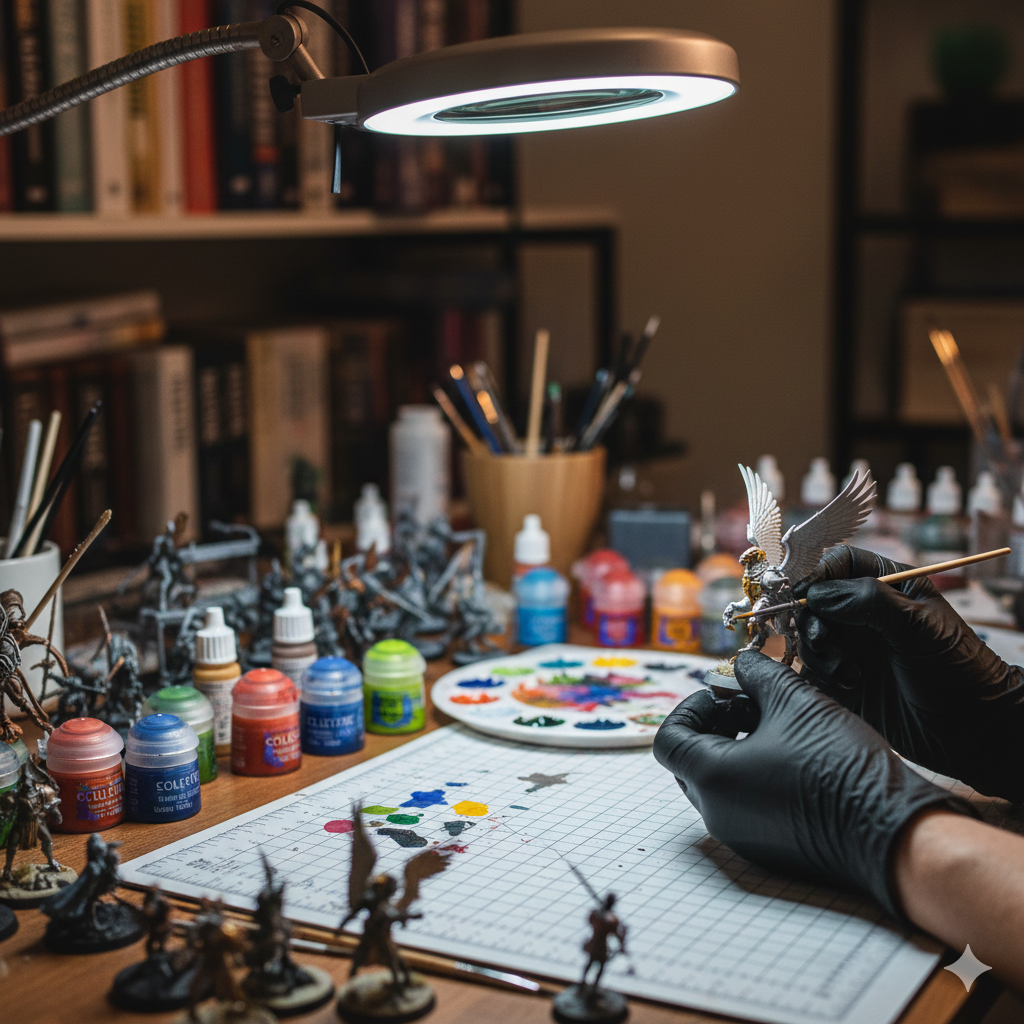
Welcome to the captivating world of miniature painting! If you’ve ever admired beautifully painted models from tabletop games like Warhammer or Dungeons & Dragons, role-playing adventures, or simply display pieces, and wondered how to achieve similar results, you’ve come to the right place. This guide is specifically crafted for absolute beginners, aiming to demystify the process of miniature painting and equip you with the fundamental knowledge and confidence to start your own miniature painting journey.
Key Points:
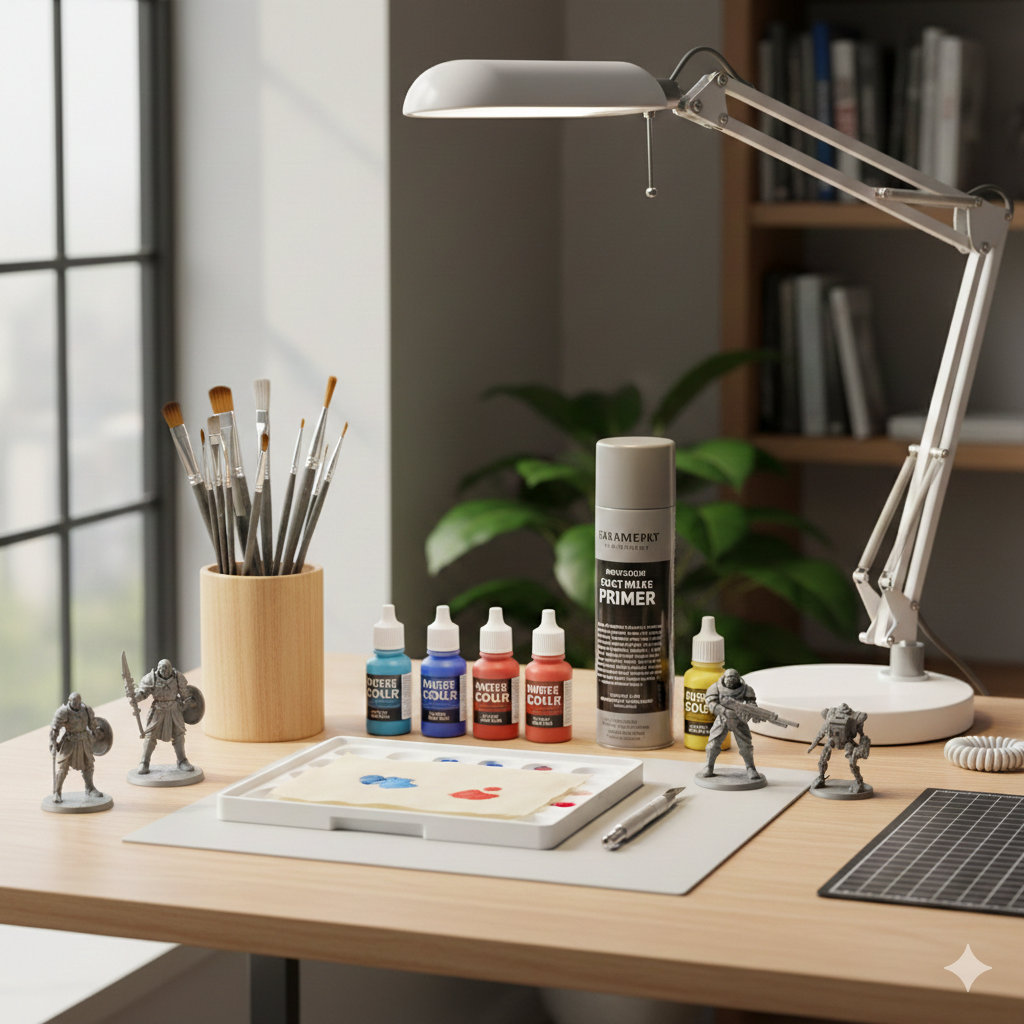
- Miniature painting requires only basic supplies: brushes, acrylic paints, primer, and a palette
- Preparation is crucial – clean your models and apply primer before painting
- Master three fundamental techniques: basecoating, washing, and drybrushing
- Thin coats are always better than thick ones for preserving detail
- Practice and patience lead to impressive results, even for complete beginners
Miniature painting is a rewarding hobby that combines artistry, patience, and a dash of creativity. It’s not just about applying paint to plastic or metal; it’s about bringing tiny characters and creatures to life with color and detail. Forget intimidating professional studios; with the right tools, basic techniques, and a willingness to learn, anyone can create impressive miniature masterpieces. Let’s dive in and unlock your potential!
Gathering Your Arsenal: Essential Tools for Beginners
Before you even think about applying the first stroke of paint, assembling a basic set of tools is crucial. You don’t need to break the bank or buy every specialized item on the market. We’ll focus on the absolute essentials that will get you started without overwhelming your budget or workspace. The mini painting essentials include quality paint brushes, suitable acrylic paints, primer, and a proper palette to work on.
Much like choosing the best paints for beginners in traditional painting, selecting your miniature painting supplies requires understanding what each tool does. The core items you’ll need include:
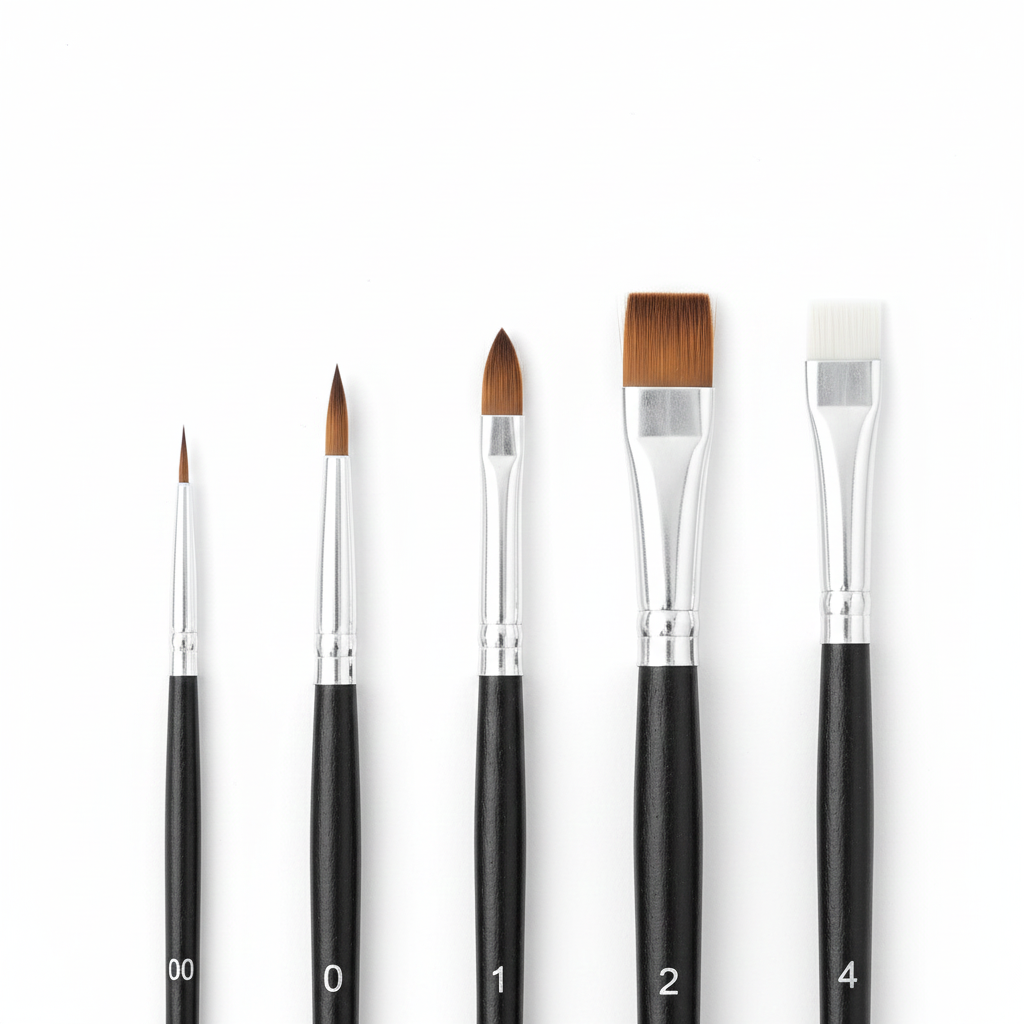
- Paint Brushes: Start with 2-3 brushes of different sizes. A fine detail brush (size 0 or 00) for tiny areas like eyes and buttons, a medium brush (size 1 or 2) for basecoating, and a larger brush for drybrushing. Synthetic brushes work perfectly fine for beginners and cost less than natural hair alternatives.
- Acrylic Paints: Miniature-specific paints like Citadel, Army Painter, or Vallejo are formulated for models, but you can also start with craft store acrylics. Begin with primary colors (red, blue, yellow), black, white, and a few browns and grays. These colors can be mixed to create almost any shade you need, similar to color mixing principles used in traditional painting.
- Primer: This is non-negotiable! Spray primer creates the best even coat. Black, white, or gray primers each offer different advantages. Black creates dramatic shadows, white makes colors appear brighter, and gray offers a middle ground.
- Palette: A wet palette keeps your acrylic paints workable for hours. You can buy one or make your own with a sealed container, damp paper towels, and parchment paper.
Beyond the core paints and brushes, consider a few quality-of-life tools like a cutting mat to protect your surfaces, a hobby knife for cleaning models, and a dedicated workspace with good lighting. Understanding the essential painting supplies and their purposes will save you frustration and improve your results from day one. How to organize your painting tools effectively can also make your hobby time more productive and enjoyable.
Understanding Your Canvas: Preparing Your Miniatures
Even the best painting techniques won’t shine if your miniature isn’t properly prepared. Most miniatures, especially plastic ones from model kits, come with mold lines and flashing – small bits of excess plastic left over from the manufacturing process. Removing these imperfections is vital for a smooth, professional finish. A hobby knife or small file is your best friend here, carefully scraping away any unwanted material along seam lines and raised edges.
After cleaning, examine your miniature figures under good lighting to catch any remaining imperfections. Sand down rough spots gently with fine-grit sandpaper. This preparation stage might seem tedious, but it makes an enormous difference in your final result. Think of it like preparing a canvas before painting – the surface quality directly affects the outcome.
The Critical Step: Priming
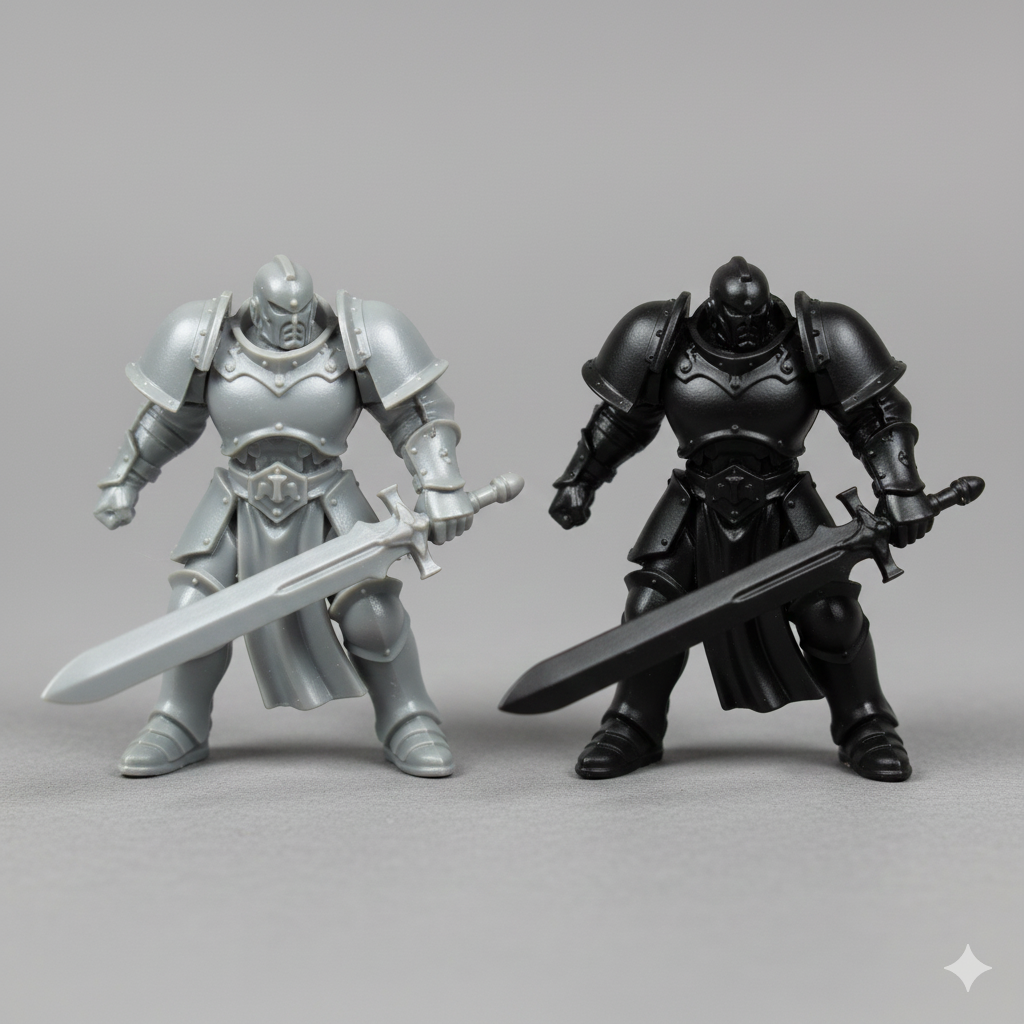
After cleaning, the next critical step is priming. Primer creates a uniform surface for your paint to adhere to, helping colors appear vibrant and preventing chipping. It also provides a darker or lighter base that can influence your final colors. There are different types of primer available:
Spray-On Primer: The most popular choice for beginners. Hold the can 6-8 inches away from your miniature and apply light, sweeping coats. Multiple thin coats are better than one thick coat that obscures details. Work in a well-ventilated area or outdoors.
Brush-On Primer: Useful when you can’t spray (bad weather, indoor limitations). Apply thin, even coats with a large brush. Takes more time but offers precise control.
Airbrush Primer: For those with airbrush equipment. Provides the smoothest finish but requires additional investment in equipment.
Temperature and humidity matter when priming! Ideal conditions are 60-80°F with low humidity. Too cold and the primer can frost; too humid and it may become tacky.
Comparing Common Miniature Paint Types for Beginners
Understanding different paint types helps you choose the right tool for each job. This table outlines the characteristics, pros, and cons of paint types most commonly used and recommended for beginners in miniature painting.
| Paint Type | Description | Pros for Beginners | Cons for Beginners |
|---|---|---|---|
| Acrylic Paints | Water-based, fast-drying, widely available. Ideal for basecoats, layering, and general use. | Easy to clean, non-toxic, wide color range, forgiving (can be re-painted over) | Dries fast (can be tricky for blending), can look ‘flat’ without techniques like washes |
| Washes/Shades | Transparent, thin paints designed to flow into recesses, creating shadows and depth. | Simple to apply, instantly adds depth, makes miniatures look more professional with minimal effort | Can stain flat surfaces if over-applied, limited color range (mostly dark/earth tones) |
| Metallic Paints | Acrylic paints with metallic pigments, giving a shiny, reflective finish for armor, weapons, etc. | Easy to use for realistic metallic effects, good coverage | Can be tricky to thin correctly, may require specific techniques to make them truly shine |
Understanding these paint characteristics helps you make informed decisions about what do i need to start miniature painting and which products serve your specific needs.
Unlocking the World of Miniature Painting: A Guide for Beginners
Now that your workspace is ready and your miniatures are prepped, it’s time to understand the fundamental approach to miniature painting. The beauty of this hobby lies in its accessibility – you don’t need artistic genius to create impressive results. What you need is an understanding of basic miniature painting techniques and the patience to practice them.
Similar to painting techniques for beginners in traditional art, miniature painting relies on building up layers progressively. The key difference is scale – you’re working on surfaces measured in millimeters rather than inches, which requires a steady hand and careful control.
“The secret to great miniature painting isn’t complex techniques – it’s mastering simple techniques and applying them with patience and care.”
Miniac, YouTube Miniature Painting Instructor
The three core techniques every beginner should master are basecoating, washing, and drybrushing. These form the foundation of all miniature painting and can take a model from bare primer to tabletop-ready in just a few hours.
Mastering the Brush: Basic Techniques to Get Started
With your tools ready and miniature prepped, it’s time for the fun part: painting! Starting with basic techniques will build a strong foundation. We’ll cover the essential skills step by step, ensuring you understand not just how to do them, but why they work.
Basecoating: Your First Layer of Color
Basecoating is the first layer of color that establishes the primary hues of your model. This is where you block in the main colors – brown for leather, silver for metal, flesh tone for skin. The key principle to remember is that thin coats are always better than thick ones.
How to Apply Basecoats:
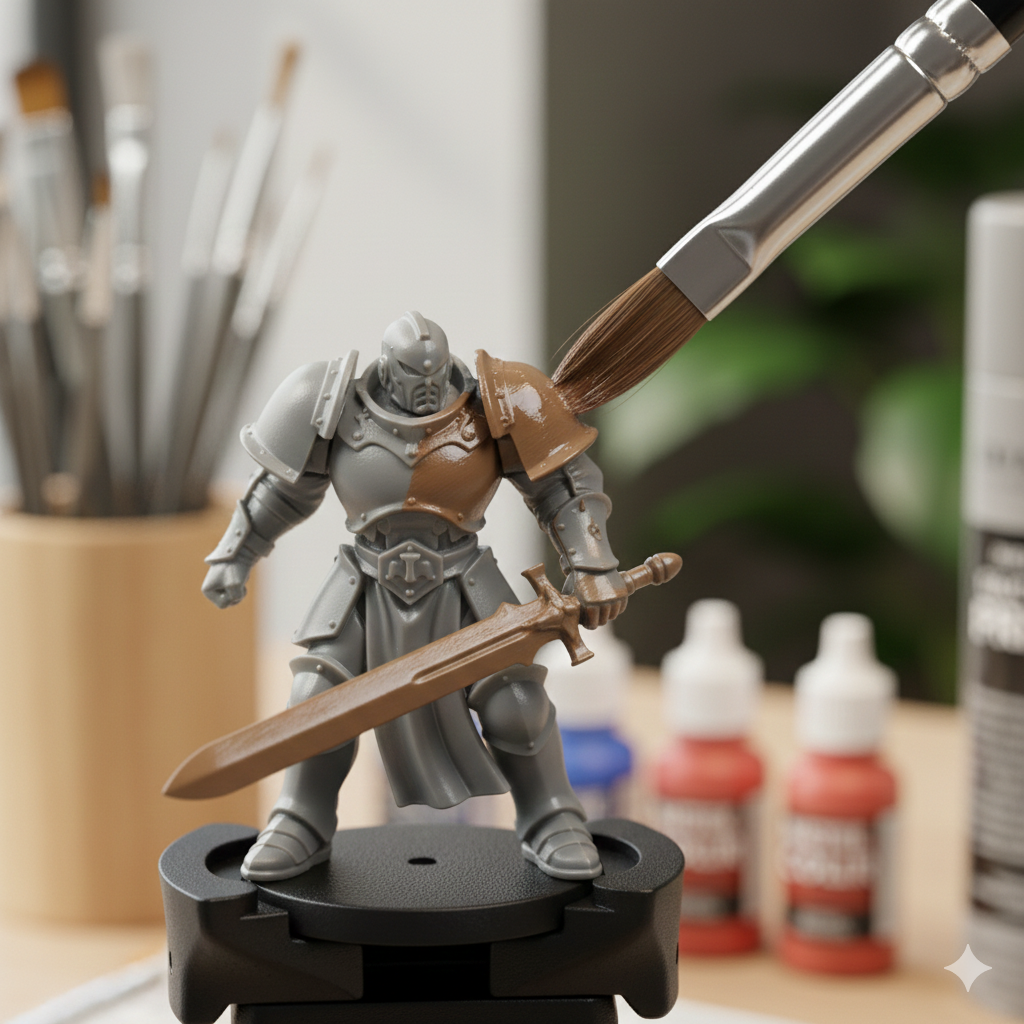
- Thin your paint with water until it reaches a consistency similar to milk. Test it on your palette first.
- Load your brush moderately – not dripping wet, but not too dry.
- Apply smooth, even strokes in one direction where possible.
- Allow the first coat to dry completely before applying a second coat.
- Usually 2-3 thin coats achieve full coverage without obscuring details.
The mistake most beginners make is using paint straight from the bottle. This creates a thick, gloopy layer that fills in fine details like facial features or armor rivets. Multiple thin layers preserve these details while building up solid, even color. This principle is similar to acrylic painting techniques where layering is fundamental.
Washing: Instant Depth and Shadows
Washes are thin paints that flow into recesses, creating instant shadows and definition. They’re often called “liquid talent” because they dramatically improve a miniature’s appearance with minimal skill required. Washes transform flat basecoats into models with depth and dimension.
How to Apply Washes:
- Choose a wash color darker than your basecoat (usually black or brown for most colors).
- Load your brush with wash and apply it generously over the basecoated area.
- The wash will naturally flow into recesses, creases, and panel lines.
- Allow it to dry completely – don’t touch it while drying or you’ll create stains!
- If too much wash pools on flat surfaces, wick it away with a clean, damp brush.
The magic of washes lies in their transparency and low surface tension. They seek out the lowest points on your miniature, creating shadows exactly where they should be naturally. This technique alone can transform a basic paintjob into something that looks professional.
Drybrushing: Catching the Highlights
Drybrushing is a technique where you apply a very small amount of paint to a nearly dry brush, then lightly brush it over raised areas to catch edges and highlights. It’s the opposite of washing – where washing adds shadows, drybrushing adds light.
How to Drybrush:
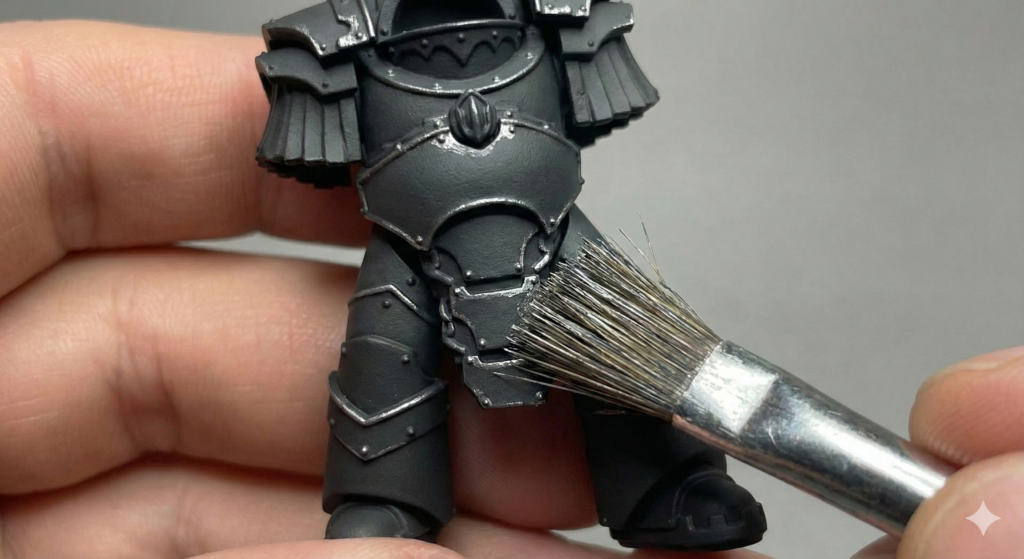
- Choose a paint lighter than your basecoat.
- Load your brush with paint, then wipe almost all of it off on a paper towel.
- Lightly brush across the raised surfaces of your miniature.
- The paint should only catch on the highest points – edges, muscles, textures.
- Build up gradually with multiple light passes rather than one heavy pass.
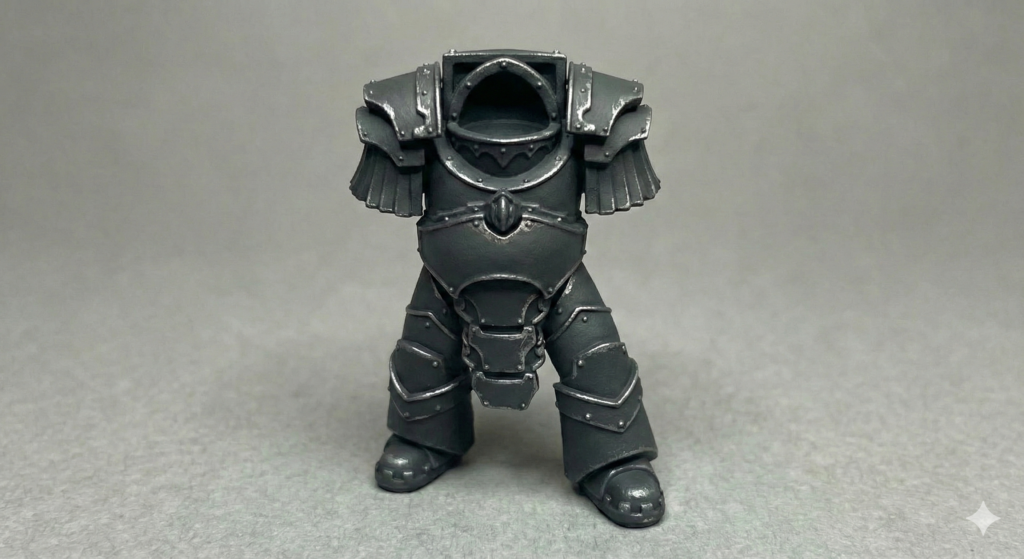
Drybrushing works beautifully for textures like fur, stone, chainmail, or wood. It’s fast, effective, and forgiving. Combined with washing, these two techniques alone can create stunning results with minimal effort, making them essential for beginner friendly miniature painting tutorials.
Beyond the Basics: Adding Detail and Finishing Touches
Once you’re comfortable with basecoats, washes, and drybrushing, you can start experimenting with more refined techniques. These advanced methods take more practice but add professional polish to your miniatures. Similar to how artists develop their skills progressively, miniature painting rewards patience and gradual improvement.
Layering for Smooth Transitions
Layering involves gradually building up lighter colors over a basecoat to create smooth transitions and highlights. This adds depth and makes your miniature pop, moving it beyond a simple ‘tabletop ready’ look toward display quality. The technique shares similarities with blending techniques used in traditional painting.
Basic Layering Process:
- Start with your darkest basecoat color.
- Mix in a small amount of a lighter color (or white).
- Paint this slightly lighter mix, leaving the darkest color visible in recesses.
- Repeat with progressively lighter mixes, each time covering less area.
- End with the lightest highlights only on the most prominent raised areas.
Layering requires patience – you might use 3-5 progressive shades to achieve smooth gradients. But the result is stunning depth that makes your miniature’s surfaces look three-dimensional and realistic.
Edge Highlighting
Edge highlighting is a simplified version of layering where you paint a thin line of lighter color along edges only. It’s faster than full layering and creates a stylized, graphic look popular on Warhammer miniatures.
Apply a light color carefully along sharp edges like armor plates, capes, or weapon blades. Use the side of your brush tip rather than the point for more control. This technique emphasizes the miniature’s shape and makes details stand out at tabletop viewing distance.
Painting Small Details
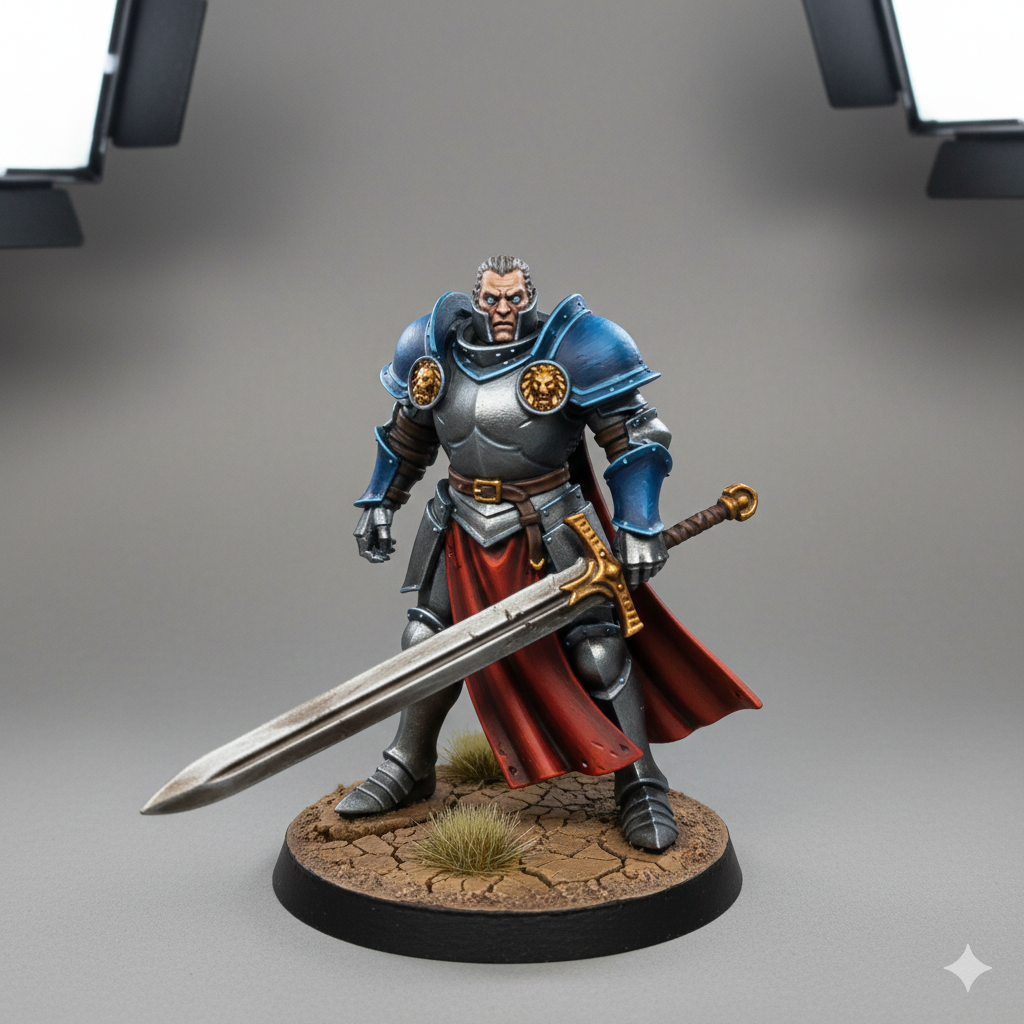
Details like eyes, gems, buttons, or small iconography can dramatically enhance your model’s character. These require a steady hand and practice:
- Eyes: The classic method is white dots for eyeballs, then a tiny black dot for pupils, then a dot of lighter color for a highlight. Or simply paint the recesses with a dark color – eye sockets don’t need actual eyeballs!
- Gems: Start with a dark basecoat, add progressively lighter colors toward one side, then add a bright white or light color dot on the opposite side for a reflection effect.
- Metallics: For the best metallic effects, start with a dark metallic basecoat, apply a black wash, then drybrush with a lighter metallic for that shiny armor look.
Understanding color theory basics helps you make better decisions about which colors work together and how to create harmonious paint schemes.
Essential Tips for Miniature Success
As you develop your skills in how to paint tabletop miniatures, keep these crucial tips in mind:
Thin Your Paints: This cannot be emphasized enough. The most common beginner mistake is using paint too thick. Aim for a consistency like milk – it should flow smoothly but not be watery. Multiple thin coats always beat one thick coat.
Clean Your Brushes: After every painting session, clean your brushes thoroughly with brush soap or gentle dish soap. Dried paint in the ferrule (the metal part) will ruin brushes permanently. Learn how to clean miniature paint brushes properly to extend their life.
Work in Good Lighting: Natural daylight is ideal, but a daylight-spectrum desk lamp works great too. Poor lighting makes it impossible to see what you’re actually painting. Many experienced painters use magnifying lamps for detail work.
Take Breaks: Your eyes and hands get tired. Paint for 30-45 minutes, then take a break. You’ll avoid mistakes and maintain better brush control.
Practice on Cheap Models: Don’t start with expensive centerpiece miniatures. Buy cheap board game miniatures or basic model kits to practice techniques. Once you’re confident, move to your prized models.
Join the Community: The miniature painting community is incredibly welcoming. Share your work on Reddit’s r/minipainting, follow beginner miniature painting tutorials on YouTube, and don’t be afraid to ask for advice. Similar to finding art inspiration, connecting with other hobbyists fuels creativity.
Protecting Your Hard Work: Varnishing
Once your paint is fully dry (wait at least 24 hours), applying a protective varnish will shield your hard work from wear and tear, ensuring your miniature looks great for years to come. Varnish also unifies the finish, eliminating unwanted shine from acrylic paints or adjusting the glossiness of metallic areas.
Varnish Types:
- Matte Varnish: Creates a flat, non-reflective finish. Most miniature painters prefer this for a realistic look.
- Gloss Varnish: Shiny finish, useful for wet-looking effects like blood, water, or slime, or to make gems sparkle.
- Satin Varnish: Middle ground between matte and gloss, providing subtle sheen without too much shine.
Application Methods:
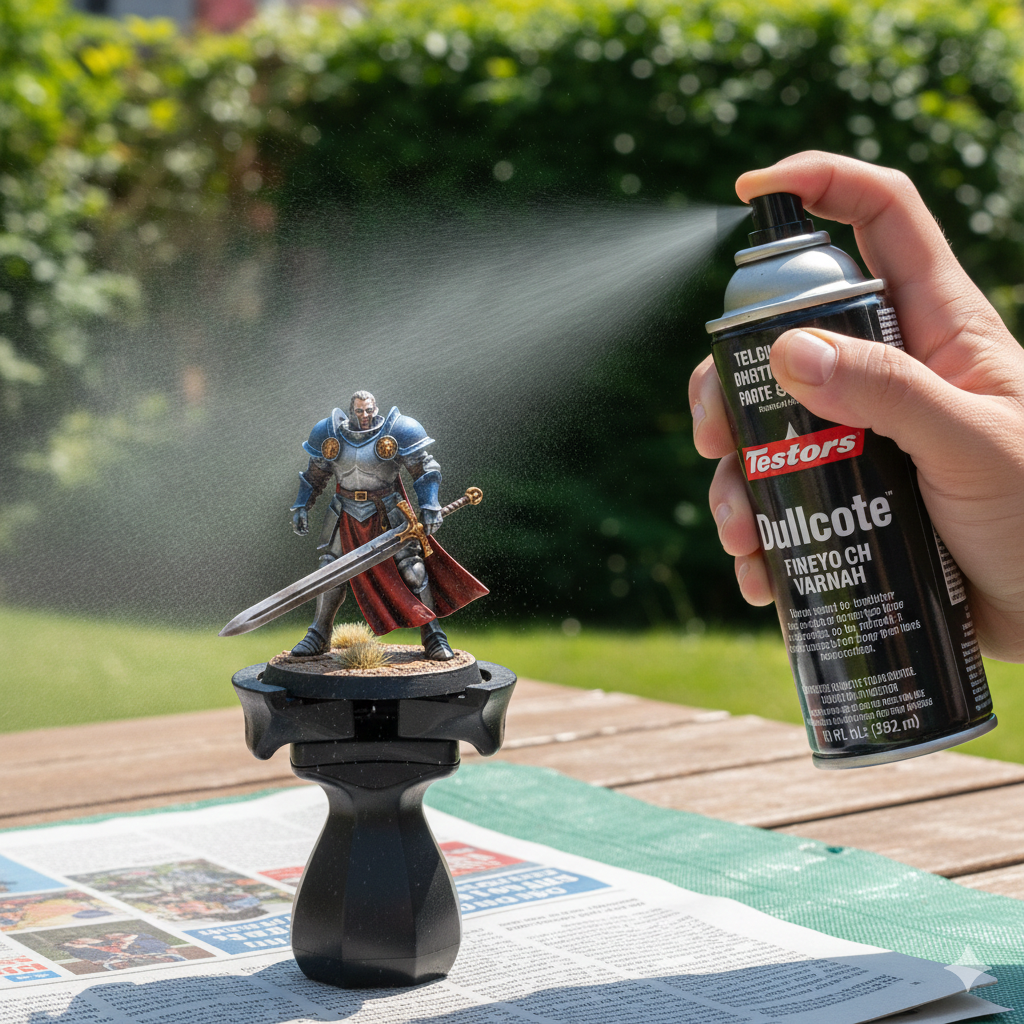
Spray varnish is fastest and most even but requires good weather conditions (warm, dry, low humidity). Apply in thin coats from 6-8 inches away. Brush-on varnish offers more control but can show brush strokes if applied too thick. Thin it slightly with water and apply 2-3 thin coats.
Some painters apply gloss varnish first (for maximum protection), then finish with matte varnish (for the desired look). This provides strong protection while maintaining a realistic appearance. The principles are similar to framing and varnishing finished paintings in traditional art.
Where to Buy Miniature Painting Supplies
Finding affordable miniature painting supplies doesn’t have to be difficult. Here are the best places to start:
Online Retailers:
- Amazon: Wide selection, competitive prices, fast shipping
- Miniature Market: Specialized hobby retailer with extensive paint ranges
- CoolStuffInc: Great deals on paint sets and starter kits
- Direct from Manufacturers: Citadel (Games Workshop), Army Painter, Vallejo all sell directly
Local Stores:
- Hobby shops often carry miniature paints and supplies
- Craft stores like Michael’s or Hobby Lobby stock basic acrylic paints and brushes
- Game stores that sell Warhammer or Dungeons & Dragons usually stock painting supplies
Starter Sets: Many companies offer beginner miniature painting kits that include paints, brushes, and sometimes miniatures. Army Painter’s “Mega Paint Set” and Citadel’s “Paint + Tools Set” are excellent starting points, providing everything you need except the models themselves.
For the best value on where to buy miniature painting supplies, watch for sales at hobby retailers or buy paints in sets rather than individually. Affordable art supplies principles apply here too – start with essentials, then expand your collection as you learn what you actually need.
Learning Resources and Tutorials
The miniature painting community has created an incredible wealth of free learning resources. Here are the best places to continue your education:
YouTube Channels:
- Miniac: Excellent beginner-friendly tutorials, entertaining presentation
- Squidmar Miniatures: Professional techniques explained clearly
- Warhammer TV: Official Games Workshop channel with step-by-step painting guides
- Goobertown Hobbies: In-depth technique explanations with humor
- Sorastro’s Painting: Detailed project-based tutorials
Websites:
- Warhammer Community: Official beginner guides from Games Workshop
- The Army Painter Guides: Free painting guides and color recipes
- Cool Mini or Not: Gallery of painted miniatures for inspiration
- DakkaDakka: Forums with helpful community feedback
Reddit Communities:
- r/minipainting: Welcoming community for all skill levels
- r/Warhammer40k: Focused on Warhammer 40k miniatures
- r/DnD: For fantasy miniatures and D&D characters
Books:
- “How to Paint Citadel Miniatures” by Games Workshop
- “Painting Miniatures from A to Z” by Angel Giraldez
Learning basic miniature painting techniques step by step becomes much easier when you have quality tutorials to follow. Many painters also find that watching painting demonstration videos helps them understand techniques better than still images alone.
Common Beginner Mistakes to Avoid
Learning from others’ mistakes saves time and frustration. Here are the most common pitfalls beginners encounter when they start miniature painting:
Using Paint Too Thick: The number one beginner mistake. Paint straight from the bottle obscures details. Always thin your paints to a milk-like consistency.
Not Cleaning Mold Lines: Those visible seam lines scream “amateur.” Take the extra 10 minutes to clean your miniatures properly before priming.
Poor Lighting: Trying to paint in dim conditions makes it impossible to see what you’re doing. Invest in a good lamp with daylight-spectrum bulbs.
Rushing: Miniature painting rewards patience. Trying to finish in one session often leads to mistakes. Allow proper drying time between stages.
Comparing to Experts: Don’t compare your first miniature to someone’s 500th. Everyone starts somewhere. Focus on improving from your last model, not matching professionals.
Neglecting Brush Care: Letting paint dry in your brushes destroys them. Clean thoroughly after every session. Quality brushes are an investment worth protecting.
Skipping Primer: Thinking you can paint directly on plastic. Primer is essential for paint adhesion and even color.
Giving Up Too Soon: Your first few miniatures won’t be perfect – that’s okay! Every painter has a rough start. Stick with it, and you’ll see rapid improvement. Just as with fixing painting mistakes, miniature painting errors are learning opportunities.
Understanding common painting mistakes beginners make in traditional art can help you avoid similar issues in miniature painting.
Building Your Miniature Collection
As you progress in your miniature painting hobby, you’ll want to build a diverse collection of models to paint. Here’s smart advice for growing your collection:
Start with Simple Models: Board games like Zombicide or Descent offer multiple simple miniatures at low per-model cost. These are perfect for practicing basic techniques.
Warhammer and D&D Miniatures: Games Workshop’s Warhammer ranges offer high-quality miniatures with excellent detail. Dungeons & Dragons miniatures from WizKids are more affordable and perfect for fantasy themes.
3D Printed Miniatures: If you have access to a 3D printer or know someone who does, thousands of free and paid miniature files are available online. This dramatically reduces the cost per model.
Kickstarter Projects: Many miniature Kickstarters offer excellent value, providing dozens of miniatures for reasonable prices. Research the company’s reputation before backing.
Reaper Bones: Reaper’s Bones line offers inexpensive plastic miniatures perfect for beginners. The plastic is softer than Games Workshop miniatures but provides great detail for the price.
Model Complexity: Start with miniatures that have larger, more defined features. Avoid tiny 15mm scale or highly detailed character models until you’ve built confidence with simpler figures.
As your skills grow, you might explore creating custom pieces or even from sketch to first painting your own miniature concepts.
Conclusion: Your Journey Has Just Begun!
You’ve taken the first exciting steps into the world of miniature painting! From gathering your essential tools and preparing your figures to mastering fundamental techniques like basecoating, washing, and drybrushing, you now have a solid foundation in miniature painting for beginners. Remember, practice is key, and every brushstroke is a step towards improvement.
Don’t be afraid to experiment, make mistakes, and most importantly, have fun bringing your miniature worlds to vibrant life. The miniature painting community is vast and welcoming – share your creations, learn from others, and continue to explore the endless possibilities of this incredible hobby. Whether you’re painting Warhammer armies, Dungeons & Dragons characters, or display models, the skills you’ve learned here will serve you well.
Your first miniatures might not look perfect, and that’s completely normal. Every experienced painter started exactly where you are now. The key is to keep practicing, try new techniques, and enjoy the meditative, creative process. Before you know it, you’ll look back at your early work and be amazed at how far you’ve come.
So grab your brushes, thin those paints, and start creating your own tiny masterpieces. The miniature painting world awaits, and your unique artistic voice will add something special to this vibrant hobby community!
Frequently Asked Questions (FAQs)
What’s the absolute minimum I need to start miniature painting?
You’ll need at least one miniature, a basic set of acrylic paints (red, blue, yellow, black, white), a couple of brushes (a fine detail and a slightly larger basecoating brush), and a can of spray primer. You can even use a paper plate as a palette to start. This minimal setup costs around $30-40 and lets you begin painting immediately.
How do I thin my paints correctly?
Most miniature acrylic paints need to be thinned with a tiny bit of water. Aim for a consistency similar to milk – it should flow smoothly off your brush but not be watery or translucent. It’s better to add too little water and gradually increase it, applying several thin coats instead of one thick one. Test on your palette or a scrap piece first.
My paint is drying too fast on my palette. What can I do?
Consider using a wet palette! It’s a simple setup (often just a sealed container with a damp sponge and parchment paper) that keeps your paints moist for much longer, allowing for smoother blending and less wasted paint. You can buy commercial wet palettes or make your own for just a few dollars. The constant moisture keeps your paints workable for hours or even days.
How long does miniature paint take to dry?
Most acrylic miniature paints are touch-dry within minutes (5-15 minutes depending on thickness and humidity). However, it’s best to wait at least 1-2 hours before applying another layer or technique, and overnight before applying a varnish or heavy handling to ensure complete curing and prevent smudging. Rushing this step leads to messy results.
How do I paint Warhammer miniatures for beginners?
Start with the official Warhammer painting guides available on Warhammer Community. Choose a paint scheme you like, then follow these steps: clean and prime your miniature, apply basecoats to all areas, use washes to add shadows, drybrush highlights, paint details, and seal with varnish. Games Workshop provides excellent step-by-step tutorials for their miniatures.
Can I use regular craft store acrylic paints for miniature painting?
Yes! While miniature-specific paints like Citadel or Vallejo are formulated for models, craft store acrylics from brands like Apple Barrel or Craft Smart work fine for beginners. The main difference is coverage and pigment density – you might need more coats with craft paints. They’re perfect for learning basic techniques before investing in more expensive hobby paints.
Where can I buy affordable miniature painting supplies?
Online retailers like Amazon, Miniature Market, and CoolStuffInc offer competitive prices. Local craft stores carry brushes and basic paints. Game stores that sell Warhammer or D&D often stock miniature painting supplies. Starter sets from Army Painter or Citadel provide good value, giving you multiple colors and brushes in one package. Wait for sales or buy paint sets rather than individual bottles for the best deals.
How do I clean miniature paint brushes properly?
After each painting session, rinse your brushes in water, then work brush soap or gentle dish soap into the bristles, working from ferrule to tip. Rinse thoroughly and reshape the tip. Never let paint dry in the bristles or ferrule (the metal part), as this permanently damages brushes. For stubborn dried paint, specialty brush cleaners can help, but prevention is better than cure.
What’s the best way to hold a miniature while painting?
Most painters hold miniatures by the base or temporarily attach them to a painting handle – a cork, bottle cap, or specialized miniature holder using poster tack or mounting putty. This keeps paint off your fingers and gives you better control. Avoid touching painted areas until fully dry. Some painters attach multiple miniatures to tongue depressors or popsicle sticks for batch painting.
How long does it take to paint a miniature?
For beginners, expect 2-4 hours for a basic tabletop-quality miniature using simple techniques (basecoat, wash, drybrush). More detailed miniatures with advanced techniques like layering and edge highlighting can take 6-10 hours or more. Display-quality miniatures might require 20+ hours. Speed increases with experience – eventually, you’ll paint simple miniatures in under an hour.
Citations
- Warhammer Community. “Painting for Beginners.” Accessed December 4, 2025.
- Miniac. “Beginner’s Guides.” YouTube Channel.
- The Army Painter. “Painting Guides.”