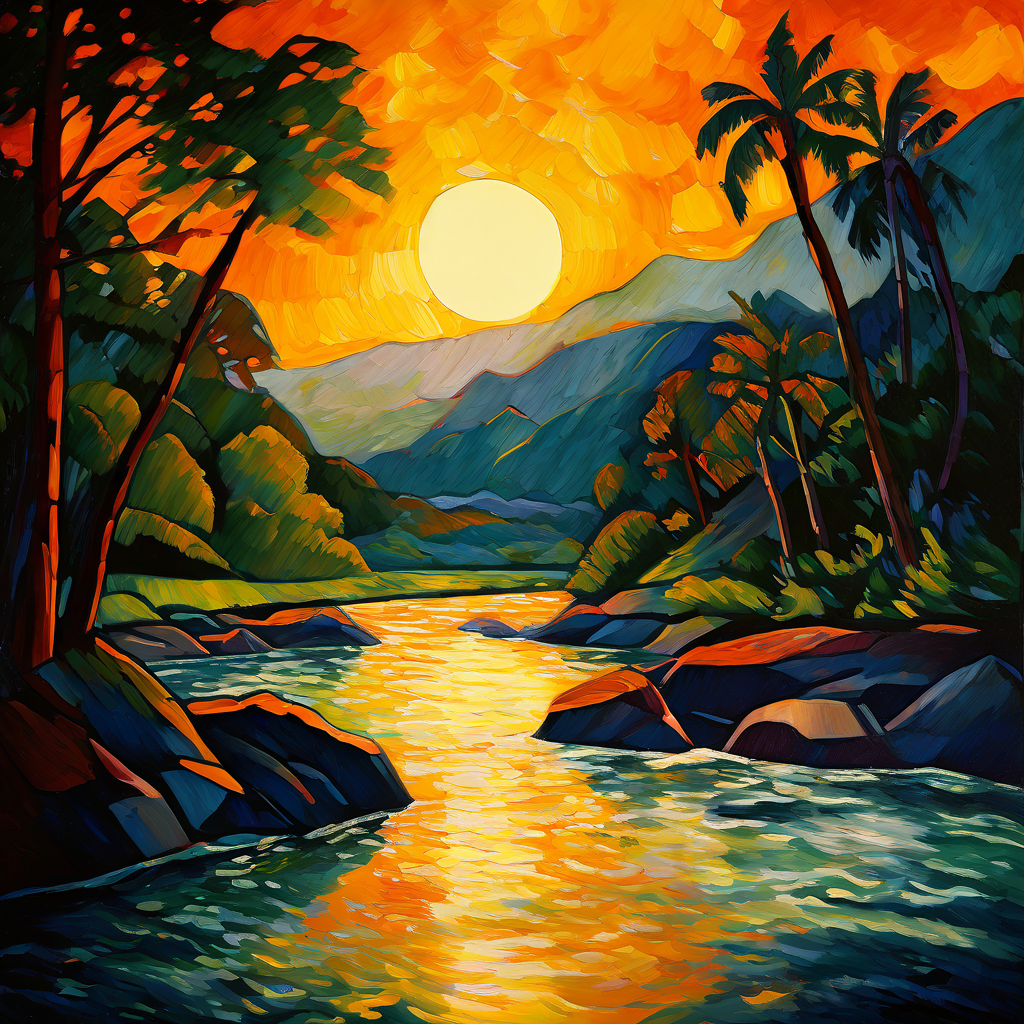
While names like Van Gogh and Cézanne dominate art history, the real magic of painting often happened in the margins. This guide explores five little known post impressionist painters who revolutionized color, shape, and emotion on the canvas. Whether you are a beginner looking for fresh inspiration or an art lover wanting to learn more, discovering these hidden masters will give you a completely new perspective on how to approach your own creative practice.
It is easy to feel intimidated when you look at famous museum paintings. A recent study shows that interest in Impressionist art surged by 80.4 percent as people seek historically validated works. However, the most fascinating stories actually belong to the artists who rarely make the headlines. Today, we are going to look at five little known post impressionist painters who broke all the rules.
Post-Impressionism is a wonderful era to study if you want to grow as an artist. These creators stopped trying to paint exactly what they saw. Instead, they focused on painting how a scene made them feel.
If you want a deeper dive later, you can check out our full guide on post-impressionist artists. For now, let us explore some unsung heroes who can inspire your next blank canvas.
What Is Post-Impressionism in Simple Terms?
Post-Impressionism is an art movement from the late 1800s where artists focused on expressing their emotions rather than just capturing light. They achieved this by using bold colors, thick brushstrokes, and simplified shapes to show their personal view of the world.
This movement started as a reaction against traditional Impressionism. Artists wanted more structure and meaning in their work. Instead of just painting a beautiful sunset, they wanted you to feel the heat and energy of the sun.
This shift gave painters the freedom to experiment. It paved the way for modern art as we know it today.
Émile Bernard and the Power of Outlines
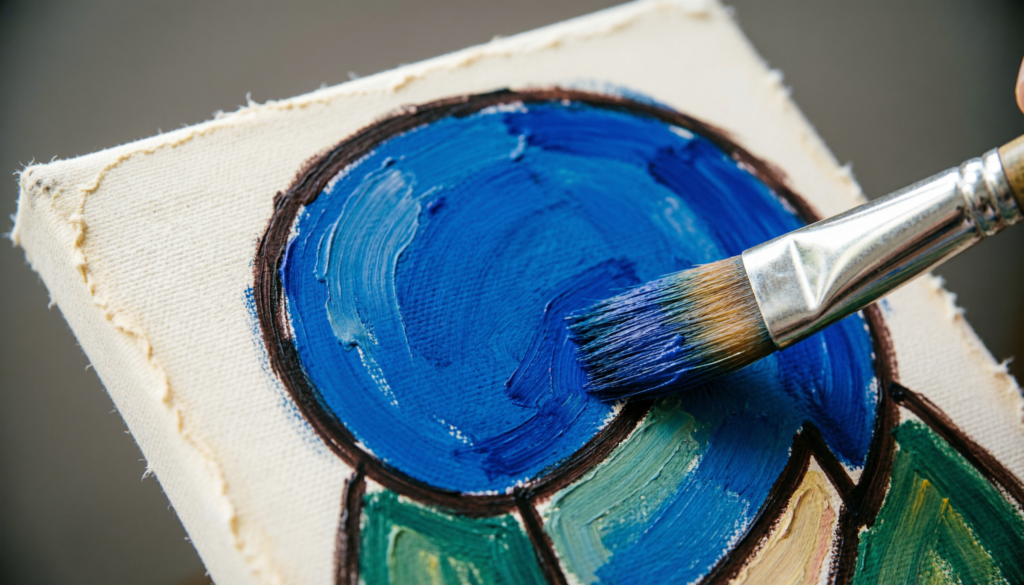
Émile Bernard was a teenage prodigy who helped change the course of art history. He is often overshadowed by his famous friend Paul Gauguin. However, Bernard was actually the one who developed the use of flat areas of color inside strong dark outlines.
This technique is called Synthetism. The goal was to combine the natural world with the artists own feelings about the subject.
For beginners, Bernard is a fantastic role model. His style proves that you do not need perfect shading to make a powerful painting. You can just use bold lines and flat colors to make your artwork pop.
Who Was Suzanne Valadon?
Suzanne Valadon was a groundbreaking French painter who became the first self-taught woman admitted to the prestigious Société Nationale des Beaux-Arts in 1894. She is celebrated for her bold colors and highly realistic, unidealized portraits of the human body.
Valadon had a fascinating start in the art world. She actually spent ten years working as an artist’s model before deciding to pick up a brush herself. Because she was entirely self-taught, she did not follow the strict rules of the academic art schools.
She painted people exactly as they were. This makes her one of the most important famous women artists of her era. Her story is a great reminder that you do not need a fancy art degree to create something meaningful.
Paul Sérusier and the Nabis Group
Paul Sérusier is a name you might not know, but his impact was massive. In 1888, he painted a tiny landscape on the lid of a wooden cigar box called The Talisman. This small artwork rejected strict realism in favor of pure color and simple shapes.
This single painting inspired a secret society of artists called the Nabis. These young painters abandoned the illusion of depth to focus entirely on how colors could communicate pure emotion.
If you ever feel stuck trying to make a painting look perfectly three-dimensional, remember Sérusier. Sometimes flat shapes and bright colors are all you need to capture a mood.
What Made Maximilien Luce Unique?
Maximilien Luce was unique because he used the delicate Pointillist technique to paint ordinary working-class people and gritty industrial landscapes. While other artists painted wealthy leisure scenes, Luce focused on the honest reality of everyday life and labor.
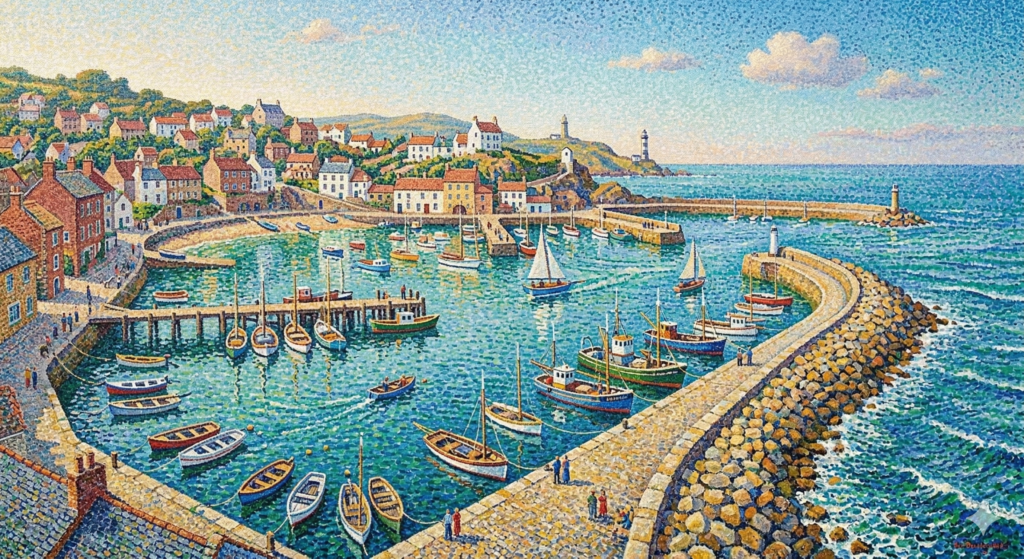
Pointillism is a technique where you paint using tiny individual dots of color instead of long brushstrokes. Luce was a key figure in this radical new style of painting that took over France in the late 1800s.
His work proves that any subject can be beautiful if you paint it with passion. You do not need to live near a fancy garden or a grand mountain to make great art. You can paint your local street corner, your kitchen, or your daily commute.
Henri-Edmond Cross and Color Chemistry
Henri-Edmond Cross started his career painting in dark and moody tones. Over time, he completely transformed his style. He began applying bright, unmixed colors directly onto his canvas. This created a shimmering effect that dazzled the eyes of anyone who looked at it.
His scientific approach to placing contrasting dots next to each other is a perfect example of color theory basics in action. Cross eventually used larger, blocky brushstrokes to create his landscapes. This bold method directly inspired the Fauvism movement, which was famous for its wild and unnatural colors.
| Artist | Key Technique | Best For Beginners To Try |
| Émile Bernard | Synthetism (flat colors, dark outlines) | Using markers or ink outlines before painting |
| Suzanne Valadon | Raw realism | Painting without idealizing the subject |
| Paul Sérusier | Emotional color blocking | Focusing on mood instead of tiny details |
| Maximilien Luce | Pointillism (tiny dots) | Building patience with dotting techniques |
| Henri-Edmond Cross | Scientific color placement | Placing contrasting colors side-by-side |
Why Should Beginners Study Lesser-Known Artists?
Beginners should study lesser-known artists because it removes the heavy pressure to paint a perfect masterpiece. Seeing a wider variety of unique techniques helps new painters feel more confident to experiment and ultimately discover their own personal creative voice.
Over my decade of teaching art classes, I have noticed a clear pattern. When I show students works by famous masters, they often freeze up. But when I share these hidden gems, the intimidation fades away. My students finally relax and enjoy the process.
Studying different approaches is the best way to find your painting style. You can borrow an outline technique from Bernard today and try Sérusier’s flat colors tomorrow. There are no strict rules in art, only tools for you to use.
Conclusion
The Post-Impressionist era was full of rebels who decided to paint the world their own way. By looking beyond the most famous names, we can find endless inspiration for our own canvases. Whether you love the bold outlines of Émile Bernard or the gritty realism of Suzanne Valadon, there is a technique here for everyone to try.
Art is a personal journey, and your voice matters just as much as the masters who came before you. If you are ready to take the next step, check out our introduction to painting guide to get started. Grab your brushes, pick one new technique from this list, and see what you can create today!
Frequently Asked Questions
What is the difference between Impressionism and Post-Impressionism?
Impressionism focused on capturing the quick, fleeting effects of natural light in a scene. Post-Impressionism reacted against this by focusing on the artist’s internal emotions. Post-Impressionists used more structured shapes and bold, unnatural colors.
Why is Émile Bernard not as famous as Paul Gauguin?
Gauguin was highly skilled at promoting his own work and often took credit for ideas they developed together. History tends to favor artists with louder personalities. However, art historians now recognize Bernard as the true pioneer of the Synthetism style.
Did Suzanne Valadon have formal art training?
No, Suzanne Valadon was entirely self-taught. She learned how to paint by observing the famous artists she modeled for, such as Renoir and Degas. Her lack of formal training allowed her to develop a totally unique and honest style.
What does the term “Nabis” mean in art?
The term “Nabis” comes from the Hebrew and Arabic word for “prophet”. This group of young artists believed they were the prophets of a new style of modern art. They focused on how colors and flat shapes could express deep spiritual feelings.
How can beginners practice Post-Impressionist techniques?
Beginners can start by turning off the pressure to make things look completely realistic. Try painting a simple apple using bold, unnatural colors that represent how you feel. You can also experiment with strong dark outlines to make your shapes stand out clearly.