Have you ever looked at a painting and wondered about the secret life of its creator? We often see artists as solitary figures, dedicated only to their craft. But what if the hand that held the paintbrush also passed secret messages or gathered intelligence? The worlds of art and espionage, though seemingly opposite, have collided more often than you might think. This post uncovers the astonishing stories of famous artists who were spies, using their creative careers as the perfect cover for a life of intrigue and deception. Prepare to see these masters in a completely new light.
Key Points: Artists as Spies
- The life of an artist, with its requirements for travel, access to influential people, and a keen eye for detail, provides an excellent cover for espionage.
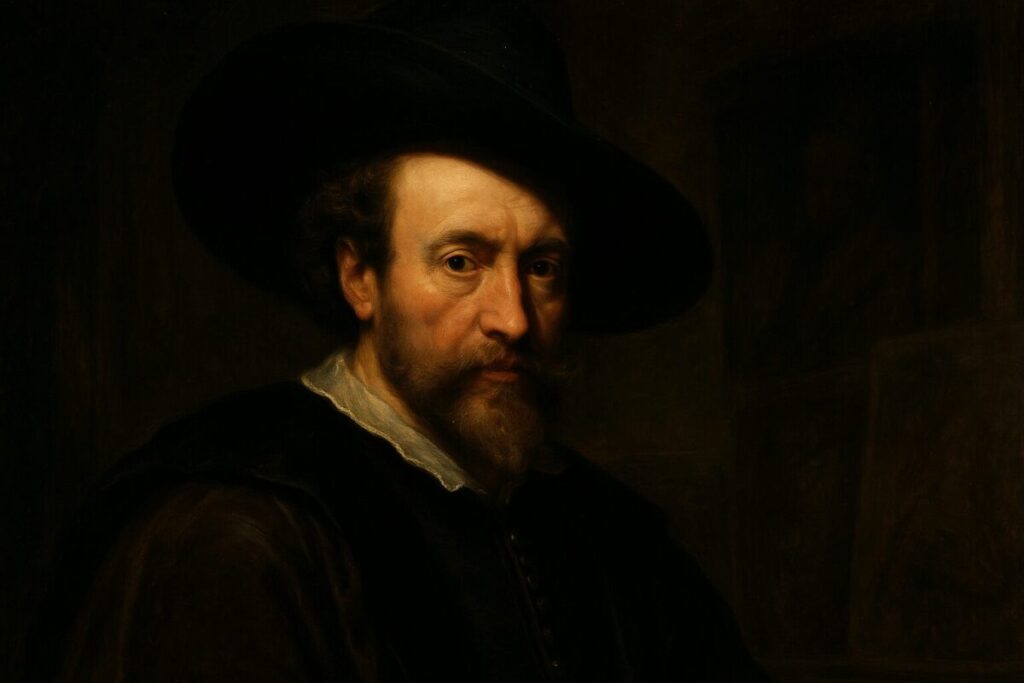
- Peter Paul Rubens, a master of the Baroque period, was a highly successful diplomat and spy for the Spanish Netherlands, using his artistic commissions to engage in sensitive political negotiations.
- Pop Art icon Andy Warhol was the subject of an extensive FBI file, and his art and films often explored themes of surveillance and power, blurring the lines between observer and the observed.
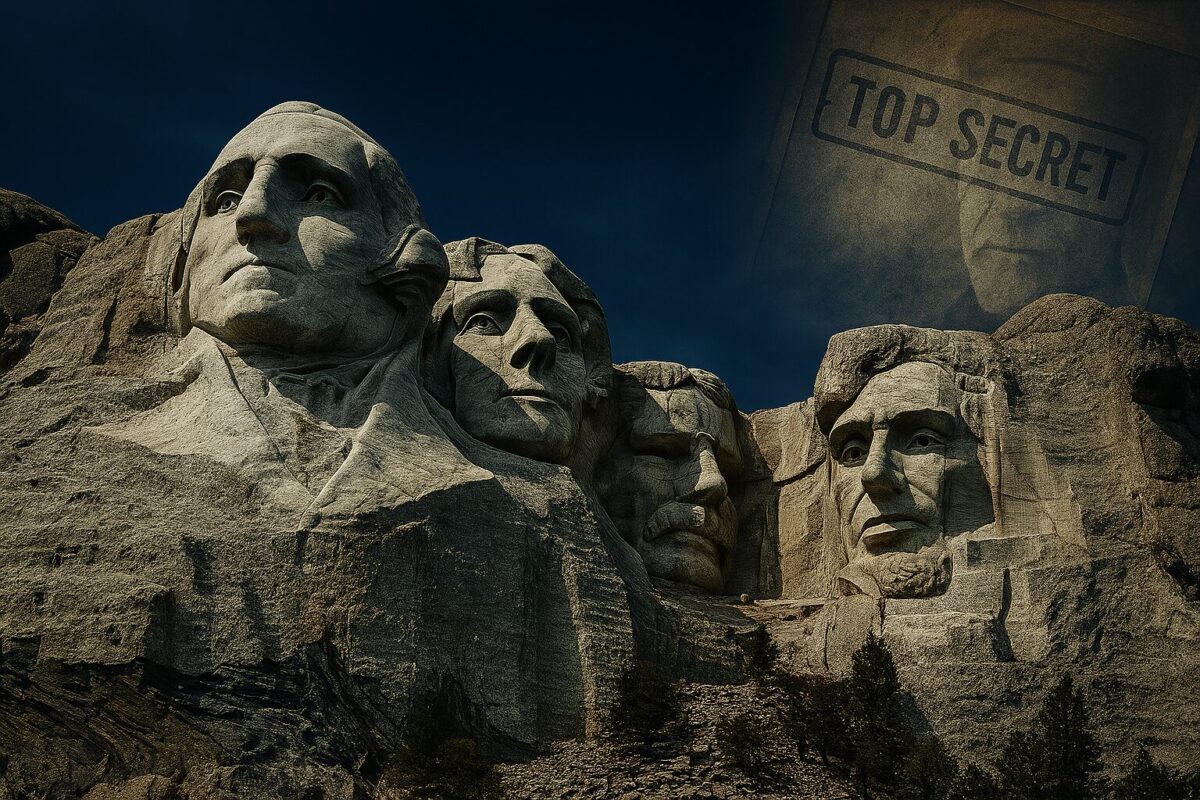
- Sculptor and creator of Mount Rushmore, Gutzon Borglum, used his travels in the 1920s to report on political situations in Europe for the U.S. government.
- The connection between creativity and espionage is not new; historical figures have long used artistic professions to mask clandestine activities, revealing a hidden layer to art history.
Peter Paul Rubens: The Diplomat in the Studio
Peter Paul Rubens was more than just a giant of Baroque art; he was a master of diplomacy and a trusted spy. In the 17th century, Europe was a complex web of political alliances and religious conflict. Rubens, with his charm, intelligence, and international fame, was perfectly positioned to navigate this treacherous landscape. While traveling across Europe for high-profile commissions from royalty and nobility, he acted as an agent for the Spanish Netherlands.
His studio was not just a place of creation but a hub of information. He used his artistic missions as a pretext to meet with kings, dukes, and influential courtiers, gathering intelligence and conducting secret negotiations. His letters, often written in code, relayed crucial information that shaped European politics. He played a key role in negotiating a peace treaty between England and Spain, a testament to his skill in both art and statecraft. For Rubens, a portrait commission was a chance to study a subject in more ways than one. This dual role adds another layer of meaning to his work and complicates our understanding of what makes paintings valuable, as his were intertwined with the fate of nations.
Andy Warhol: Pop Art and the FBI’s Watchful Eye
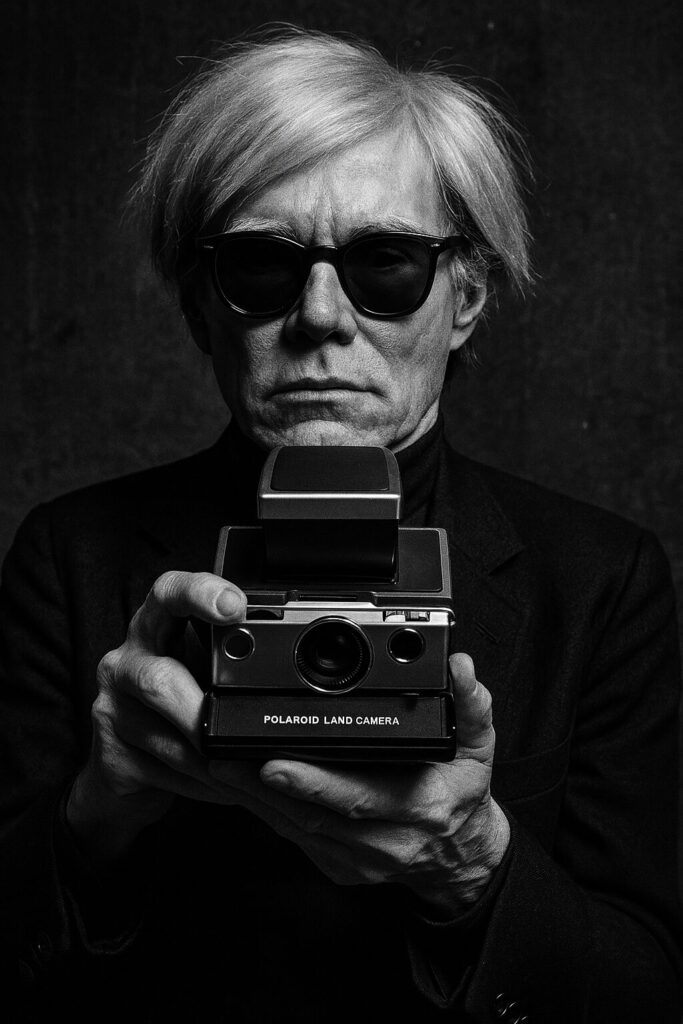
Jumping forward to the 20th century, the story of Andy Warhol presents a different kind of artistic intrigue. While not a spy in the traditional sense like Rubens, Warhol’s life and work were deeply entangled with themes of surveillance and intelligence gathering. The FBI maintained a surprisingly thick file on him, monitoring his activities, his controversial films, and his association with counter-culture figures.
Warhol himself was obsessed with observation. His art, from the repetitive silkscreens of celebrities to his candid Polaroid snapshots, was a form of data collection on the world around him. He turned his camera and tape recorder on everyone, blurring the lines between art and life, documentation and voyeurism. Some historians argue that his neutral, detached persona was the perfect “blank screen” for a modern informant, though concrete evidence of him working for an agency remains elusive. His work can be seen as a reflection on a society grappling with new forms of media and surveillance, a theme that is more relevant today than ever. His unique approach forever influenced Pop Art, reflecting the influence of earlier artists while being intensely contemporary.
“The secret of my influence has always been that it remained secret.”
Salvador Dalí
Gutzon Borglum: The Sculptor of Democracy and a Patriot Spy
The man who carved the faces of four American presidents into the granite of Mount Rushmore also had a clandestine career. Gutzon Borglum, a larger-than-life figure with a fiery personality, was a passionate patriot who used his status as a world-renowned sculptor to serve his country. During the 1920s, as political tensions simmered in Europe, Borglum traveled extensively for his work.
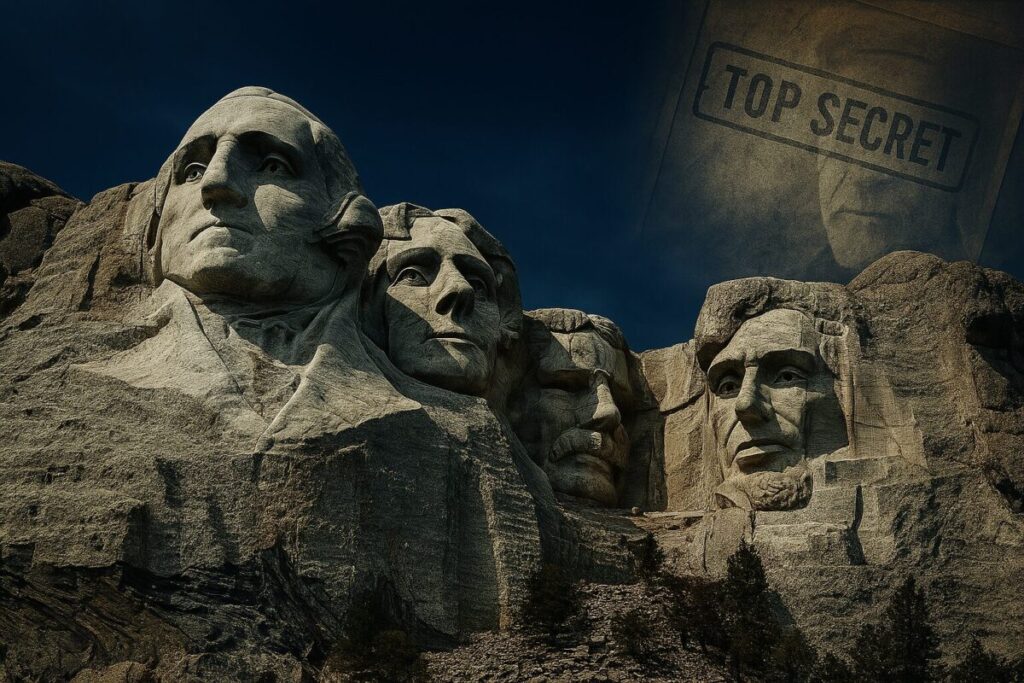
He used these trips to gather information for the U.S. government, reporting on the political climate and the rise of new ideologies. His ability to mingle with the European elite gave him unique access and insights. While he is celebrated for creating one of America’s most iconic monuments, his secret work as an intelligence operative is a lesser-known aspect of his legacy. His life shows that even artists working on the grandest, most public scales can have hidden motivations, a fascinating thought when considering the broader history of famous artists and their styles.
The Artist’s Perfect Cover
Why were so many famous artists who were spies so successful? The profession itself provides the perfect disguise. An artist’s life often involves:
- Travel: Commissions and exhibitions require international travel, which is a natural cover for moving between countries.
- Access: Famed artists are invited into the highest circles of society, giving them direct access to powerful and influential people.
- Observation: Artists are trained to be keen observers, noticing details and nuances that others might miss—a critical skill for any spy.
- Plausible Deniability: Who would suspect a painter or sculptor of being involved in espionage? Their creative work provides a constant and credible alibi.
Profile of an Artist Spy
| Artist | Art Movement/Style | Alleged Spy Affiliation | Era | Notable For |
| Peter Paul Rubens | Baroque | Spanish Netherlands | 17th Century | Using diplomatic missions as spy cover |
| Andy Warhol | Pop Art | Monitored by the FBI | 20th Century | Art focused on surveillance and observation |
| Gutzon Borglum | American Realism | United States Government | Early 20th Cent. | Gathered intelligence in Europe |
| Christopher Marlowe | – (Playwright) | Elizabethan England (Queen Elizabeth I) | 16th Century | A contemporary of Shakespeare, stabbed mysteriously |
| Roald Dahl | – (Author) | British MI6 | World War II | Gathered intelligence in Washington D.C. |
The stories of these artists remind us that history is never as simple as it seems. The beautiful canvases and monumental sculptures we admire might hold secrets we can only imagine. They force us to look beyond the frame and consider the complex, and sometimes dangerous, lives of their creators. This intersection of art and espionage provides a fascinating lens through which to view the entire evolution of art movements, where political intrigue may have subtly shaped creative expression.
FAQs About Artists Who Were Spies
Why would an artist become a spy? Artists often became spies out of patriotism, a desire for adventure, or because they were coerced or recruited by governments. Their profession gave them unique access to influential people and a plausible reason for international travel, making them ideal candidates for intelligence work. The skills required for art—keen observation, attention to detail, and understanding human nature—are also highly valuable for a spy.
Was Leonardo da Vinci a spy? While Leonardo da Vinci worked as a military engineer and inventor for patrons like the Duke of Milan and Cesare Borgia, there is no direct evidence to suggest he was a spy in the modern sense. He created designs for weapons and fortifications, which was a role many Renaissance artists and engineers took on. His work was more about military science than covert intelligence gathering. To learn more about his work, you can explore guides to Renaissance art.
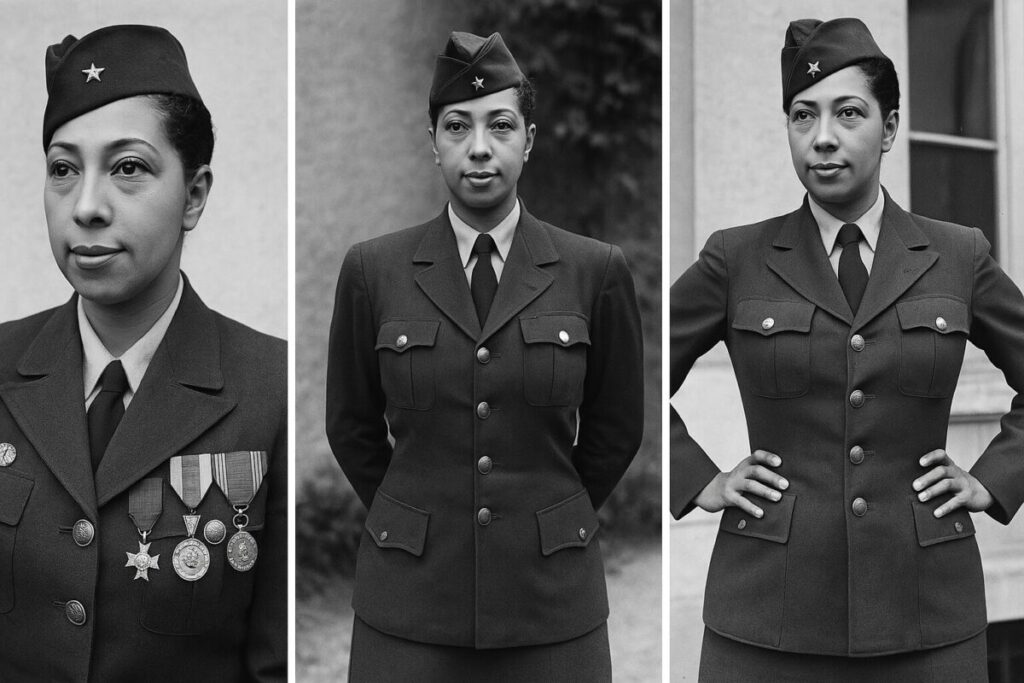
Are there any female artists who were spies? Yes, though they are often less documented. Josephine Baker, the famous American-born French entertainer, was a notable spy for the French Resistance during World War II. She used her celebrity status to attend parties with high-ranking officials, gathering information which she would write in invisible ink on her sheet music. While more of a performing artist, her story is a powerful example. The history of women in art is full of figures who broke conventions in many ways.
What is the connection between the CIA and modern art? There is a well-documented history of the CIA secretly promoting American Abstract Expressionist artists like Jackson Pollock and Willem de Kooning during the Cold War. The goal was to showcase the cultural freedom and creativity of the United States in contrast to the rigid socialist realism of the Soviet Union. This initiative, known as “cultural propaganda,” positioned American modern art as a weapon in the Cold War.
Resources
- CIA. “The CIA and the Cultural Cold War.” A declassified look at the agency’s use of art for political purposes. https://www.cia.gov/readingroom/docs/DOC_0000282138.pdf
- The Independent. “Was Andy Warhol a spy? The pop artist’s curious links to the FBI.” An article exploring the relationship between Warhol and U.S. intelligence. https://www.independent.co.uk/arts-entertainment/art/features/was-andy-warhol-a-spy-the-pop-artist-s-curious-links-to-the-fbi-a8570226.html
- History.com. “The Diplomat, Artist and Spy Who Inspired a Masterpiece.” A look at the multifaceted life of Peter Paul Rubens. https://www.history.com/news/the-diplomat-artist-and-spy-who-inspired-a-masterpiece
- National Park Service. “Gutzon Borglum’s Story.” The official biography from the stewards of Mount Rushmore, which touches on his full life. https://www.nps.gov/moru/learn/historyculture/gutzon-borglums-story.htm
- Saunders, Frances Stonor. “The Cultural Cold War: The CIA and the World of Arts and Letters.” A comprehensive book detailing the CIA’s secret involvement in the arts. (General reference to a key text in this field).
- The Art Newspaper. “Rubens the spy: how the artist used his studio as a base for espionage.” An article detailing the specifics of Rubens’ intelligence work. https://www.theartnewspaper.com/2020/02/10/rubens-the-spy-how-the-artist-used-his-studio-as-a-base-for-espionage