
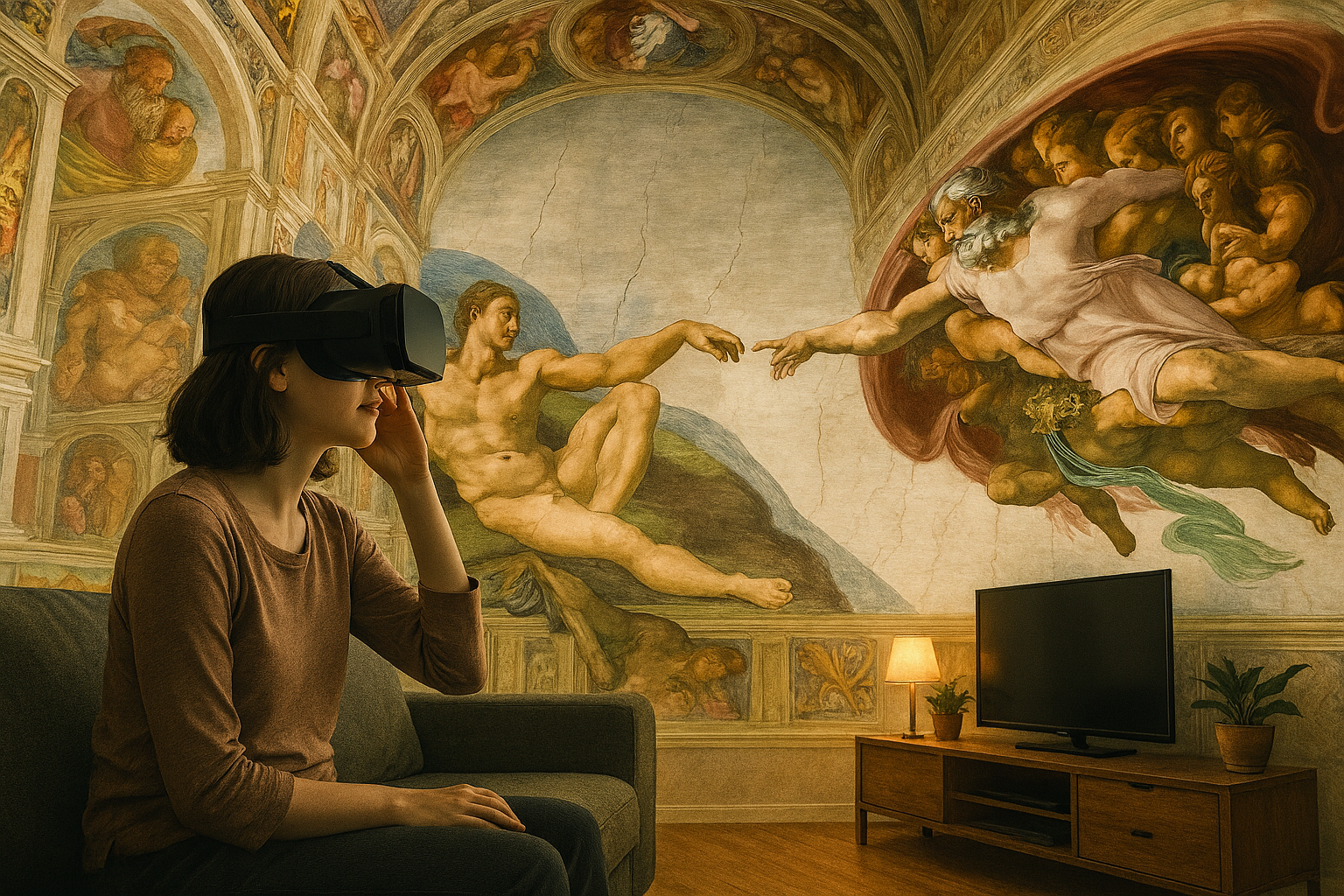
Imagine standing alone in the Sistine Chapel, zooming in on a single brushstroke of Michelangelo’s ceiling without a security guard yelling, “No photos!” Or walking through Frida Kahlo’s garden in Mexico City while sitting on your couch in pajamas. Welcome to the future of art appreciation. The best virtual art tours have evolved from clunky slideshows into fully immersive, high-definition experiences that rival the real thing.
As we move into 2026, technology like the Google Art Camera and VR headsets has transformed how we consume culture. Whether you are a student, an artist looking for inspiration, or a traveler grounded at home, the digital museum doors are open.
Key Takeaways from This Guide:
- Access the “Big Five”: How to virtually visit the Louvre, Met, and Vatican for free.
- Gigapixel Technology: Discover tours that let you zoom in 100x closer than the human eye allows.
- 2026 Exhibitions: Specific details on upcoming digital shows like Smithsonian’s ‘The Outwin 2025’.
- Tech Tips: How to view these on browsers vs. VR headsets like the Oculus Quest.
The Evolution of Virtual Art Tourism (2024-2026)
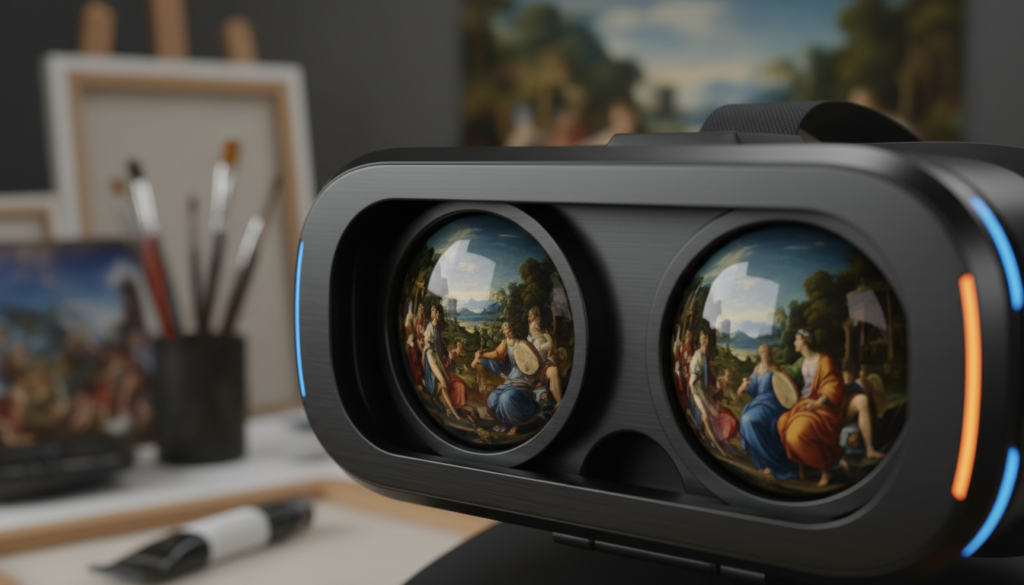
The days of clicking through a static gallery of low-resolution JPEGs are over. Between 2024 and 2026, we have seen a massive shift toward “digital twins.” Museums are now scanning their halls using photogrammetry and LiDAR technology to create 3D spaces you can walk through, just like Google Street View.
From Simple Slideshows to Immersive VR
Early virtual tours were frustrating. You clicked “Next,” waited for a page to load, and looked at a tiny picture. Today, platforms like Matterport and Sketchfab allow for seamless navigation. You can look up at the ceiling, check the texture of the floor, and read the placards on the wall. For those with VR headsets, the experience is even more profound, offering a sense of scale that computer monitors simply cannot convey.
Key Statistics: The Boom of Digital Museums
The numbers don’t lie – digital art consumption is not just a fad; it is a booming industry.
| Statistic Category | Data / Figure | Significance |
|---|---|---|
| Market Growth | $11.7 Billion (Projected by 2030) | The virtual tour market was $1.96B in 2024, growing at a massive 31.7% CAGR. |
| Satisfaction | 73% Satisfaction Rate | Users report enjoying virtual tours nearly as much as physical visits. |
| Format Preference | 43.9% Market Share | 360-degree tours are the dominant format, beating out static video or photo galleries. |
| Traffic Spike | 4000% Growth | During peak demand periods, online exhibit viewership skyrocketed. |
| Tech Detail | 1 Billion+ Pixels | Google’s “Gigapixel” cameras can scan a 1×1 meter painting in 30 minutes, revealing canvas weave. |
The “Big Five”: World-Class Museums You Must Visit Virtually
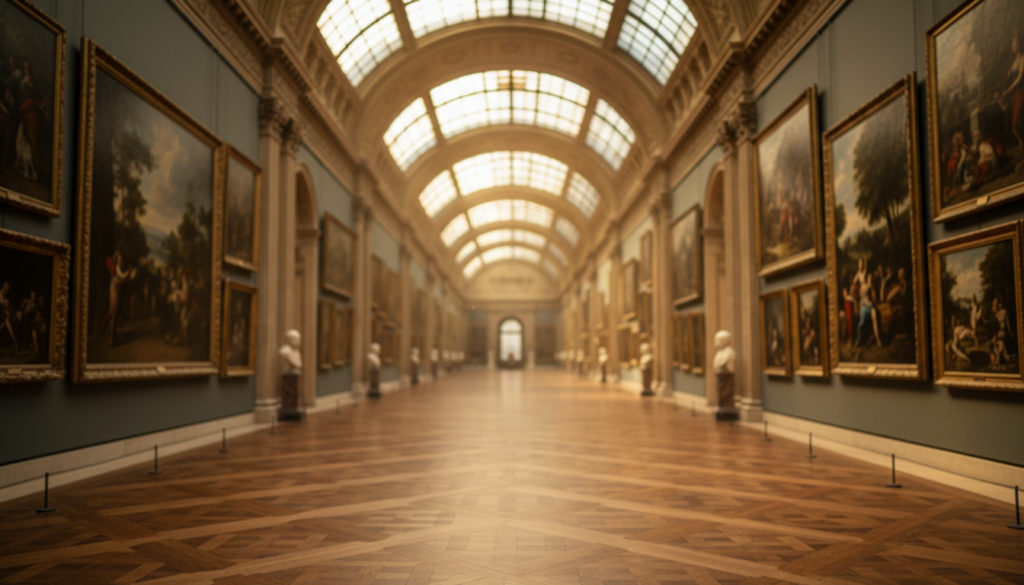
If you only have time for a few stops, start with the giants. These institutions have invested heavily in creating the best virtual art tours available today.
1. The Louvre, Paris (Petite Galerie & Egyptian Antiquities)
The Louvre offers several distinct virtual tours. The most impressive is the Petite Galerie, which is curated specifically for digital visitors. You can also explore the Egyptian Antiquities department. The interface allows you to click on information points to learn about the artifacts. It’s a fantastic resource if you are interested in Top 10 Museum Paintings without fighting the crowds for a glimpse of the Mona Lisa.
2. The Vatican Museums, Rome (Sistine Chapel 360)
This is arguably the most famous virtual tour on the planet. The Vatican offers a high-definition 360-degree view of the Sistine Chapel. You can tilt your screen up to gaze at Michelangelo’s The Creation of Adam. The zoom capability here is decent, allowing you to appreciate the scale of the frescoes that defined the Renaissance.
3. The British Museum, London (Museum of the World Timeline)
The British Museum took a different approach. Instead of a walking tour, they partnered with Google to create the “Museum of the World.” It is an interactive timeline where you slide through history, connecting artifacts from across the globe based on their time period. It connects perfectly with learning about Cultural Influences in Modern Art.
4. The Metropolitan Museum of Art, NYC (The Met 360° Project)
The Met 360° Project is a series of six award-winning videos that allow you to explore the Great Hall, The Cloisters, and the Temple of Dendur. This is 360-degree video, meaning you don’t control the walking speed, but you can look around in all directions while the camera moves.
5. Rijksmuseum, Amsterdam (Operation Night Watch & 2025 Exhibitions)
The Rijksmuseum has set the gold standard with “Operation Night Watch.” They created an ultra-high-resolution scan of Rembrandt’s masterpiece. You can engage with the painting on a molecular level. As we head into 2026, keep an eye out for their new digital expansions focusing on Dutch Masters, perfect for fans of Oil Painting.
Best Immersive & 360-Degree Artist Homes
Sometimes, seeing the art isn’t enough; you want to see where it was made. These tours offer an intimate look at the lives of the masters.
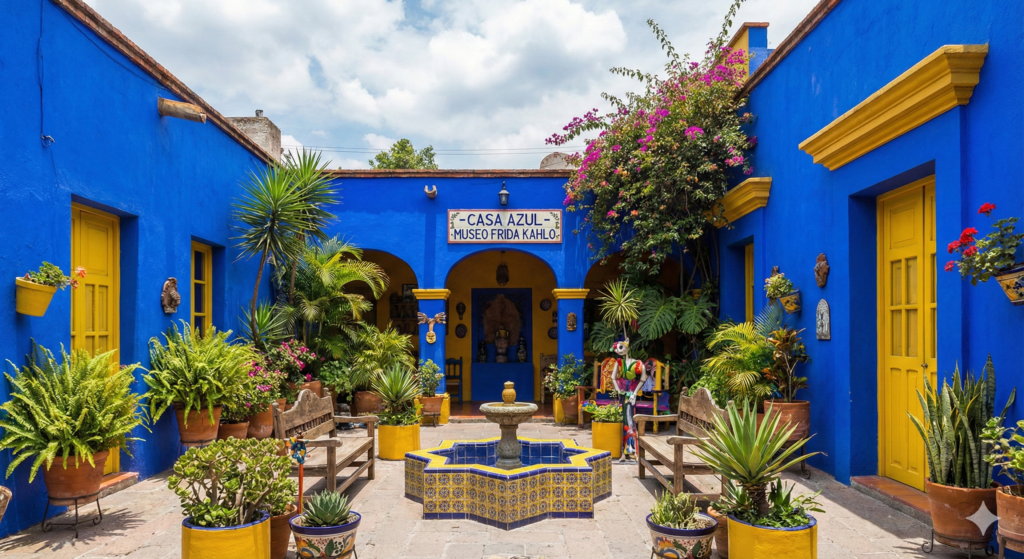
6. Frida Kahlo Museum (Casa Azul), Mexico City
The “Blue House” is where Frida Kahlo was born, lived, and died. The virtual tour is fully navigable (Matterport style). You can see her studio, her wheelchair, and her paints exactly where she left them. It provides incredible context for Frida Kahlo’s Most Iconic Paintings.
7. Dalí Theatre-Museum, Spain (Mae West Room & 2026 Returns)
Salvador Dalí designed this museum himself, so the building is as much an artwork as the paintings inside. The virtual tour lets you stand in the famous “Mae West Room,” where furniture is arranged to look like the actress’s face when viewed from a specific angle. It is a masterclass in Surrealism.
8. Claude Monet’s House, Giverny
If you love Impressionism, this tour is a dream. You can virtually walk through the house and the famous gardens that inspired the Water Lilies series. Seeing the real Japanese bridge helps you understand the light and color Monet captured.
Best for Modern & Contemporary Art
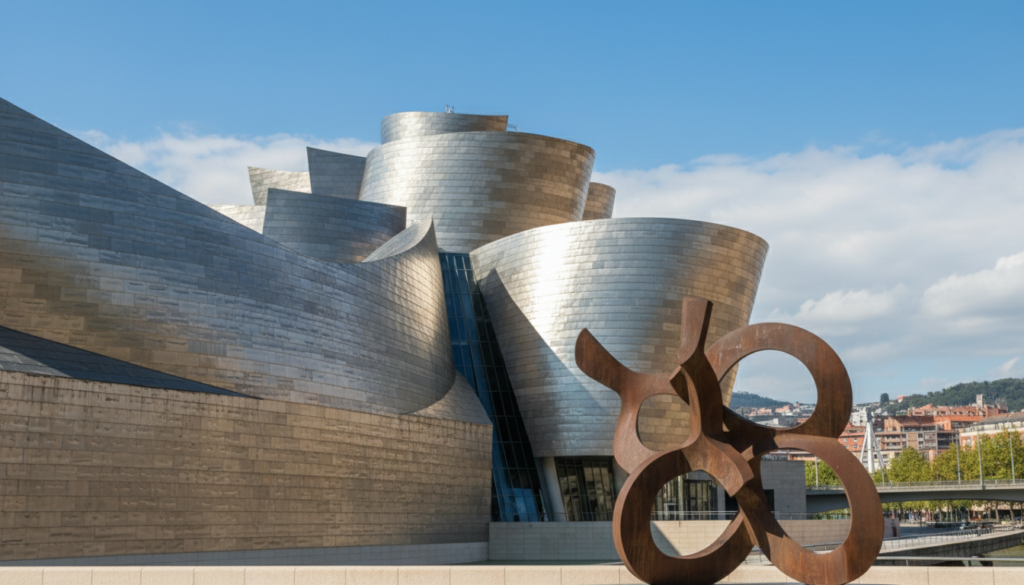
For those who prefer Abstract Art and avant-garde installations, these museums offer the best digital experiences.
9. Guggenheim Bilbao (Frank Gehry Architecture Tour)
The building, designed by Frank Gehry, is a marvel of titanium and glass. The virtual tour allows you to explore the curves of the architecture and the massive sculptures outside, including Jeff Koons’ giant floral puppy.
10. MoMA, New York (Virtual Views & Sophie Taeuber-Arp)
MoMA’s “Virtual Views” series opens up the museum to the world. They offer deep dives into specific artists. Their collection is the ultimate resource for understanding the difference between Modern vs Contemporary Art.
11. Tate Modern, London (Andy Warhol & Infinity Rooms)
The Tate offers 360-degree room-by-room walkthroughs. Their Andy Warhol retrospective is available online, as are glimpses into Yayoi Kusama’s “Infinity Mirror Rooms.” These tours are excellent for studying Pop Art.
12. MMCA, Seoul (6 Floors of Korean Contemporary Art)
The National Museum of Modern and Contemporary Art in Seoul offers a Google Arts & Culture tour that spans six floors. It is a hidden gem for discovering Asian contemporary art movements.
13. MASP, São Paulo (The Crystal Easels Experience)
MASP is famous for its “crystal easels” – glass panes that make the artwork appear to be floating in mid-air. The virtual tour captures this unique display method perfectly, offering a very different vibe from traditional European museums.
Hidden Gems: Unique & Niche Collections
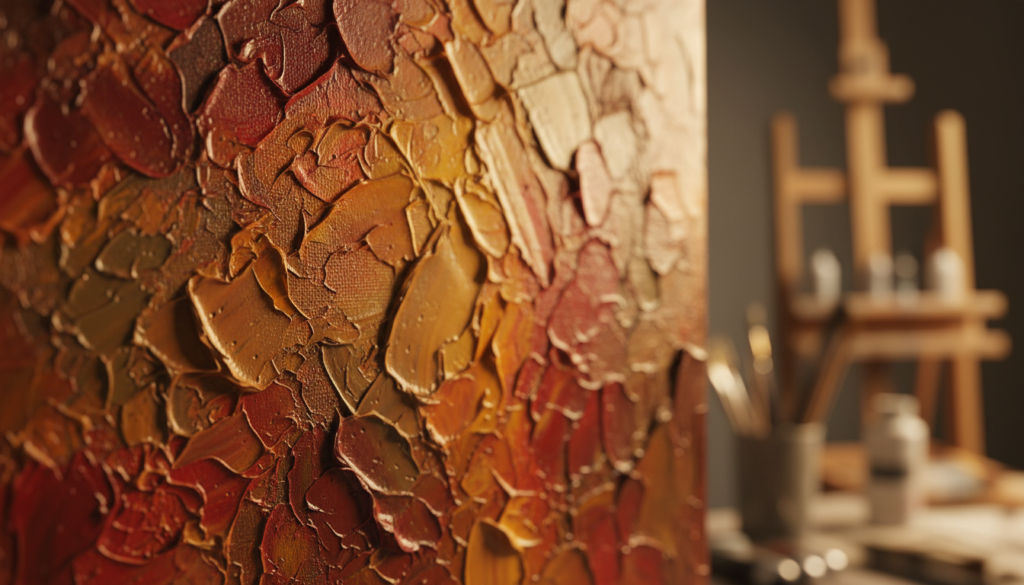
These are the tours that often get overlooked but offer some of the highest quality technology and unique content.
14. Thyssen-Bornemisza, Madrid (Gigapixel Tours & ‘Terraphilia’ 2025)
This is a critical addition for any serious art lover. The Thyssen has some of the best “Gigapixel” tours available. You can zoom in until you see the cracks in the varnish. Look out for their ‘Terraphilia’ exhibition, running through July 2025, which explores the relationship between nature and art – a great study for those interested in Landscapes.
15. The Courtauld Gallery, London (Virtual Tour with Zoom)
The Courtauld offers a virtual tour that uses high-resolution photography. The zoom function is smoother than most, making it easy to study the brushwork of Manet and Van Gogh.
16. National Palace Museum, Taipei (Ancient Chinese Artifacts)
Home to one of the largest collections of ancient Chinese artifacts, this museum offers a slick virtual tour. You can see the famous Jadeite Cabbage up close.
17. Detroit Institute of Arts (Van Gogh in America)
Detroit offers an excellent virtual look at their collection. They recently highlighted “Van Gogh in America,” which is a great resource if you are researching Post-Impressionism.
The Google Arts & Culture “Gigapixel” List (Best for Detail)
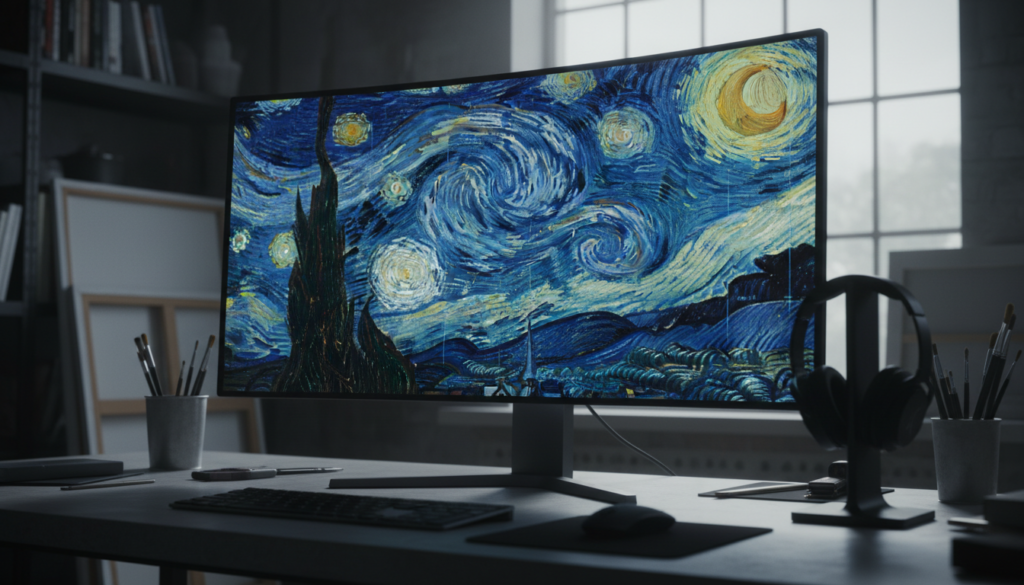
Google Arts & Culture is the backbone of many virtual tours, but their Art Camera project is special. These aren’t just photos; they are data-rich scans.
18. The Google Art Camera Project (Top 5 Works to Zoom Into)
The Art Camera captures gigapixel images (over 1 billion pixels). This allows you to see the “impasto” (thick paint) texture. It is the best way to learn about the Impasto Technique without touching the canvas.
19. Uffizi Gallery, Florence (Botticelli in 4K)
While the Uffizi has a “street view” tour, the highlight is the high-res scans of Botticelli’s The Birth of Venus. You can see the individual strands of hair painted by the master.
20. Musée d’Orsay, Paris (Impressionist Masterpieces)
Housed in an old railway station, the building is stunning. The digital collection features the world’s best Impressionist Artists, including Renoir and Monet, in stunning detail.
Specialized & Interactive History Tours
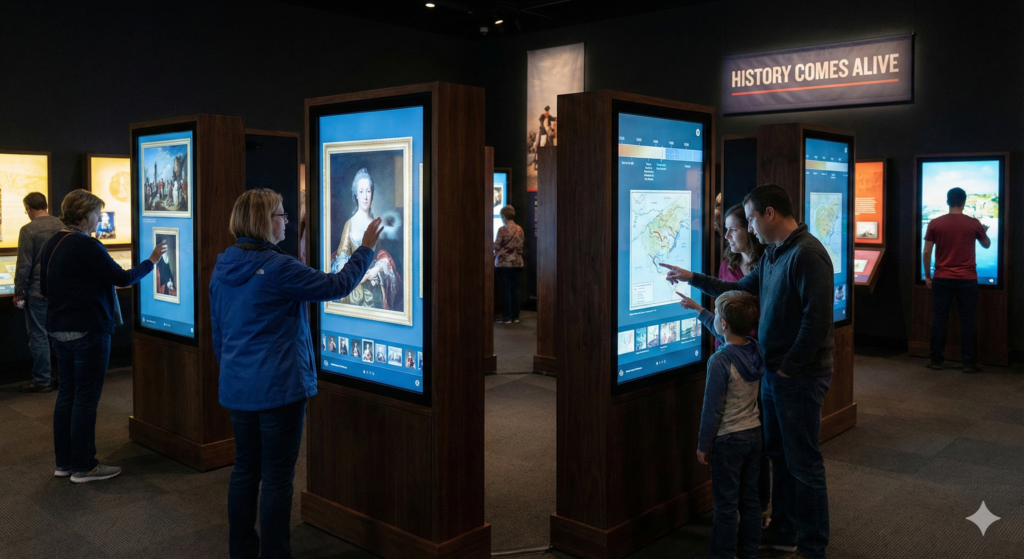
21. Smithsonian National Portrait Gallery (The Outwin 2025)
The Smithsonian is a leader in digital curation. A major upcoming virtual event is ‘The Outwin 2025: American Portraiture Today’, which runs from December 2025 through August 2026. This triennial competition showcases the best in contemporary portraiture. It’s a must-see for anyone interested in Portraits.
22. Pergamon Museum, Berlin (Ancient Architecture)
This museum actually contains massive architectural structures like the Pergamon Altar and the Ishtar Gate of Babylon. The virtual tour lets you stand in front of these ancient blue tiles.
23. National Museum of Anthropology, Mexico City
Explore the history of pre-Columbian Mexico. The famous Aztec Sun Stone is viewable in high definition.
24. Anne Frank House (VR Experience)
This is a powerful, emotional experience. The Anne Frank House offers a VR tour that guides you through the Secret Annex, furnished as it was during the war.
25. National Gallery of Victoria, Australia
The NGV offers excellent virtual tours of their temporary exhibitions, ensuring that even if you miss the dates, you can still see the art.
10 More Worthy Mentions
If you are still hungry for more culture, check out these prestigious institutions:
- J. Paul Getty Museum, LA: Great for Greek and Roman antiquities.
- National Gallery, London: Home to Van Gogh’s Sunflowers.
- Broad Museum, LA: Famous for contemporary art and “Infinity Rooms.”
- Hermitage Museum, St. Petersburg: A massive collection in a palace setting.
- Benaki Museum, Athens: Greek culture through the ages.
- Picasso Museum, Barcelona: Dedicated to the master of Cubism.
- Georgia O’Keeffe Museum, Santa Fe: Explore the works of an American icon. (Read more on Georgia O’Keeffe’s Legacy).
- High Museum of Art, Atlanta: Known for its distinct white architecture.
- Museum of Fine Arts, Houston: One of the largest museums in the US.
- Art Institute of Chicago: Famous for American Gothic and Nighthawks.
Technical Guide: How to Optimize Your Viewing

To get the most out of these best virtual art tours, you need the right setup.
Browser vs. VR Headset (Oculus/Meta Quest)
Most tours work perfectly in a standard web browser (Chrome or Firefox). However, for a truly immersive experience, a VR headset like the Meta Quest 3 is a game-changer. Apps like Wander or dedicated museum apps allow you to “stand” in the gallery.
- Browser: Best for zooming into high-res images and reading text.
- VR Headset: Best for “feeling” the space and architecture.
Using Google Cardboard for Budget Immersion
You don’t need to spend $500. Google Cardboard allows you to turn your smartphone into a basic VR headset for under $15. Many Google Arts & Culture tours have a “VR” button that splits the screen for this exact purpose. It’s a great way to introduce kids to Virtual Art Galleries.
FAQs:
Are these virtual tours free?
Yes, the vast majority of the tours listed here, including the Louvre, Met, and British Museum, are 100% free. Some museums may charge a small fee for special guided Zoom tours with a live curator, but the self-guided exploration is generally free.
Which museum has the best VR experience?
For pure image quality and “Gigapixel” detail, the Rijksmuseum and Thyssen-Bornemisza are top-tier. For the feeling of walking through a space, the Smithsonian National Museum of Natural History and the Vatican Museums offer the best 360-degree navigation.
Can I take these tours on a smartphone?
Absolutely. Most tours are mobile-responsive. However, downloading the Google Arts & Culture app provides a much smoother experience than using a mobile browser.
How do virtual tours help students?
They are incredible tools for education. Students can visually analyze Elements of Composition or verify historical facts without the cost of travel.
Conclusion
The world of art is no longer confined by geography or ticket prices. As we head into 2026, the best virtual art tours offer an accessible, high-tech gateway to human creativity. Whether you are zooming into a Van Gogh until you see the canvas weave or walking through the halls of the Vatican in your pajamas, these digital experiences are vital for keeping culture alive and accessible. So, fire up your browser, put on your headset, and start exploring the masterpieces of the world today.