Welcome to the exciting world of abstract painting! Many beginners feel intimidated by art, but abstract painting is surprisingly liberating and accessible. It’s about expressing emotions, colors, and shapes without needing to perfectly represent reality. If you’ve ever thought about picking up a brush but didn’t know where to start, you’re in the right place with these easy abstract painting ideas for beginners.
Key Takeaways:
- Abstract painting is perfect for beginners because it focuses on expression over perfection
- You only need basic, affordable supplies to get started
- Simple techniques like layering, scraping, and color blocking create stunning results
- There are no mistakes in abstract art—only happy accidents and opportunities
- Starting with 2-3 colors helps build confidence without overwhelming you
Gather Your Tools: Essential Supplies for Beginner Abstract Painting
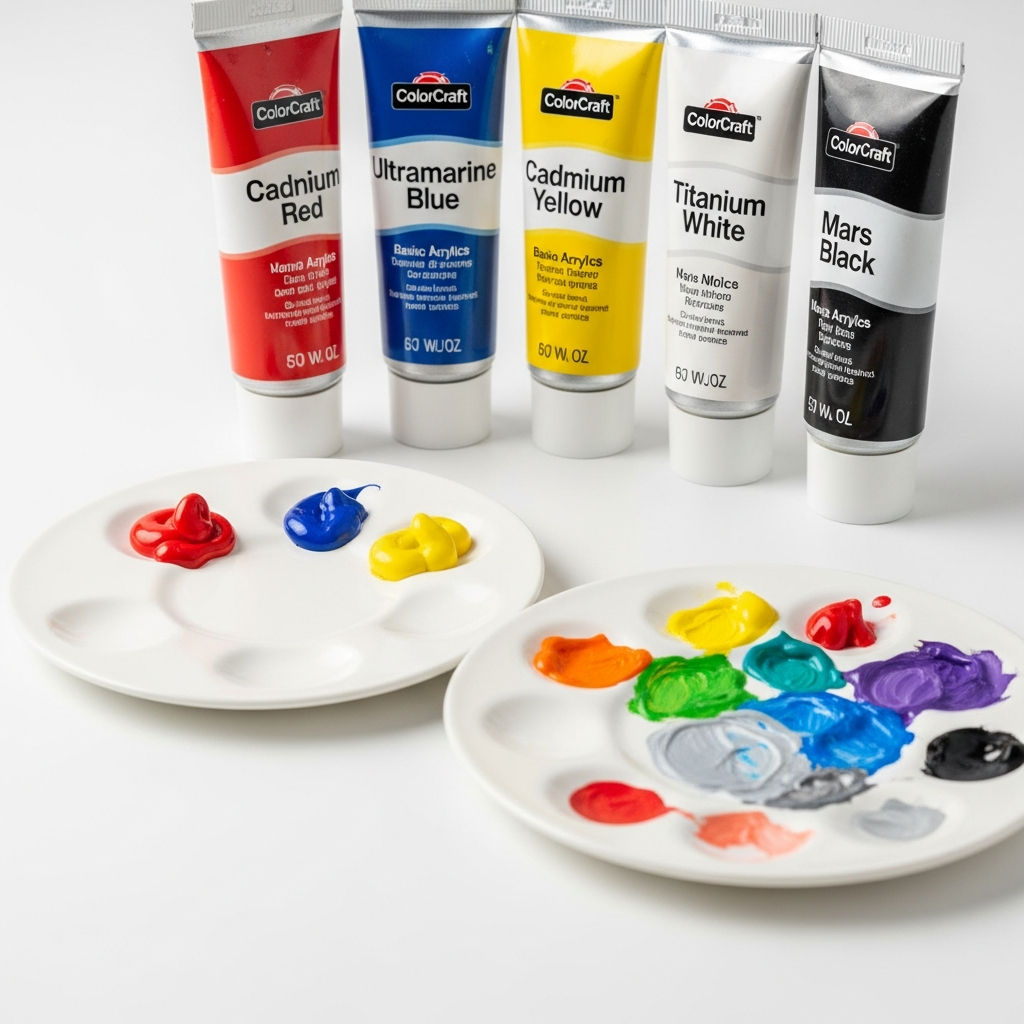
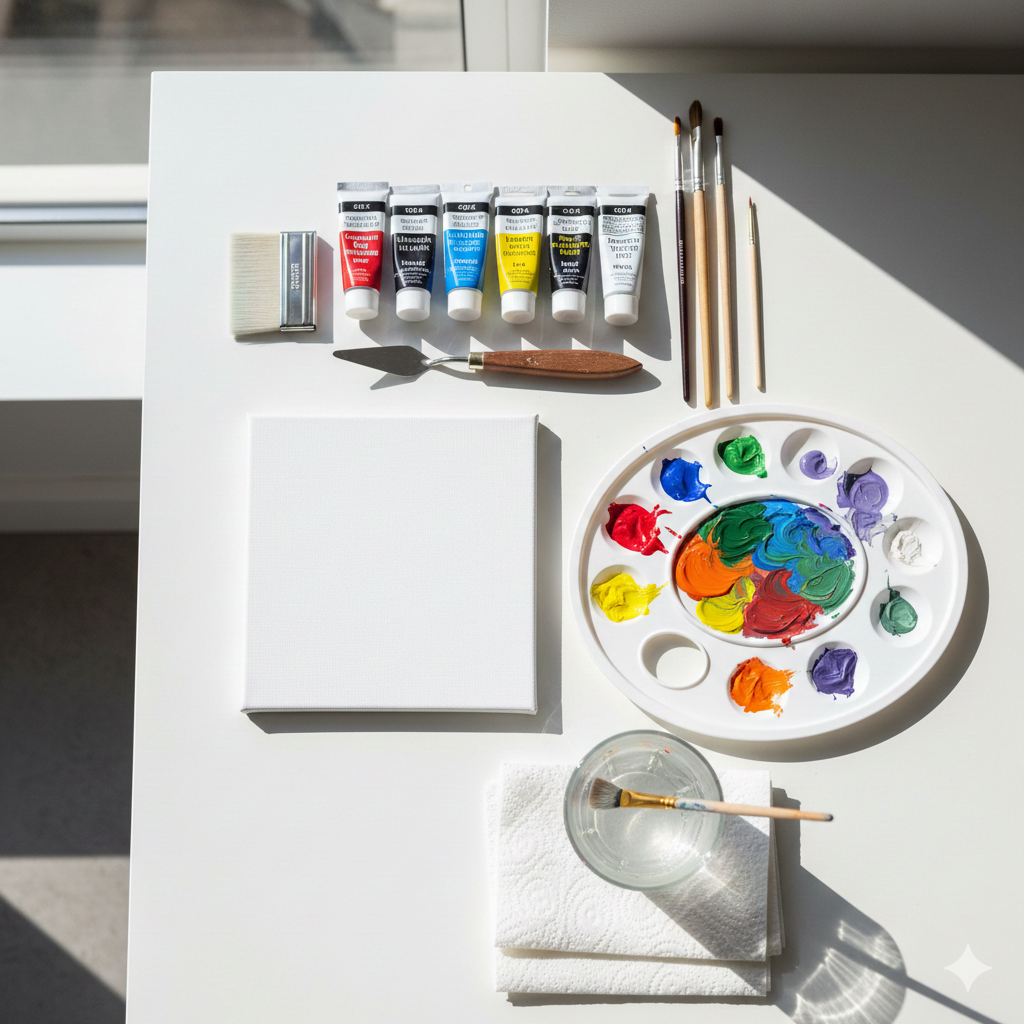
Before diving into painting, let’s talk about supplies. Don’t worry, you don’t need to break the bank! For abstract art, a few basic items are more than enough to get started. Acrylic paints are highly recommended for beginners because they dry quickly, are water-soluble (easy cleanup!), and are versatile. You can find starter sets at any craft store.
Besides paints, you’ll need surfaces like canvases (small ones are great for practice), canvas boards, or even thick paper. A few brushes in different sizes (flat and round), a palette knife for texture, and a palette (a simple plate works!) are also useful. Don’t forget water containers for cleaning brushes and old rags or paper towels.
When selecting your materials, focus on quality basics rather than quantity. As covered in our essential guide to painting supplies, starting with student-grade acrylics allows you to learn fundamental techniques without the pressure of expensive materials. Remember, less is often more when you’re just beginning.
Beyond the Brush: Easy Abstract Painting Techniques for Beginners
Abstract art isn’t just about painting ‘something.’ It’s about how you apply paint, the textures you create, and the movements you make. For beginners, simple techniques can yield stunning results. Try layering colors, where you apply one color, let it dry, and then add another on top, allowing the bottom layer to peek through. This builds depth effortlessly.
Another fantastic technique is scraping. Apply a blob of paint to your canvas, then use an old credit card, a palette knife, or even cardboard to scrape the paint across the surface. This creates interesting lines and textures. Don’t be afraid to experiment with splattering paint (cover your workspace!), dabbing with sponges, or even painting with your fingers for a truly tactile experience.
Abstract painting techniques like wet-on-wet blending, where you apply wet paint onto wet paint, create beautiful organic transitions perfect for beginners. The key is embracing spontaneity and letting the paint guide you rather than trying to control every outcome.
5 Simple Abstract Painting Ideas for Your First Attempt
A quick guide to different beginner-friendly abstract techniques and what you need to try them.
| Idea/Technique | What It Is | Key Supplies | Why It’s Great for Beginners |
|---|---|---|---|
| Color Blocking | Applying distinct blocks or shapes of solid color next to each other | Acrylic paints, flat brushes, masking tape (optional) | Focuses on color relationships and sharp edges; no blending needed |
| Textured Layers | Building up multiple layers of paint, sometimes with mediums, to create visual depth | Acrylic paints, palette knife, texture paste (optional), sponges | Adds dimension and interest; encourages experimentation with tools beyond brushes |
| Drip & Pour | Allowing diluted paint to drip, flow, or be poured onto the canvas | Fluid acrylics or diluted acrylics, droppers, cups, tilted canvas | Unpredictable and organic results; minimal brush control required |
| Scrape & Drag | Spreading paint across the canvas using a flat edge like a credit card or palette knife | Acrylic paints, old credit cards/palette knives, canvas | Creates unique lines and patterns; great for bold, expressive strokes |
| Mixed Media Collage | Incorporating paper scraps, fabric, or other items with paint to add texture and story | Acrylic paints, glue, old magazines/paper, canvas | Combines painting with crafting; encourages resourcefulness and imaginative composition |
15 Easy Abstract Painting Ideas for Beginners
1. Sunset Gradient Blending
Start with warm colors—yellows, oranges, reds—and blend them horizontally across your canvas. This simple gradient technique teaches color transitions while creating a beautiful result that looks like a sunset or sunrise.
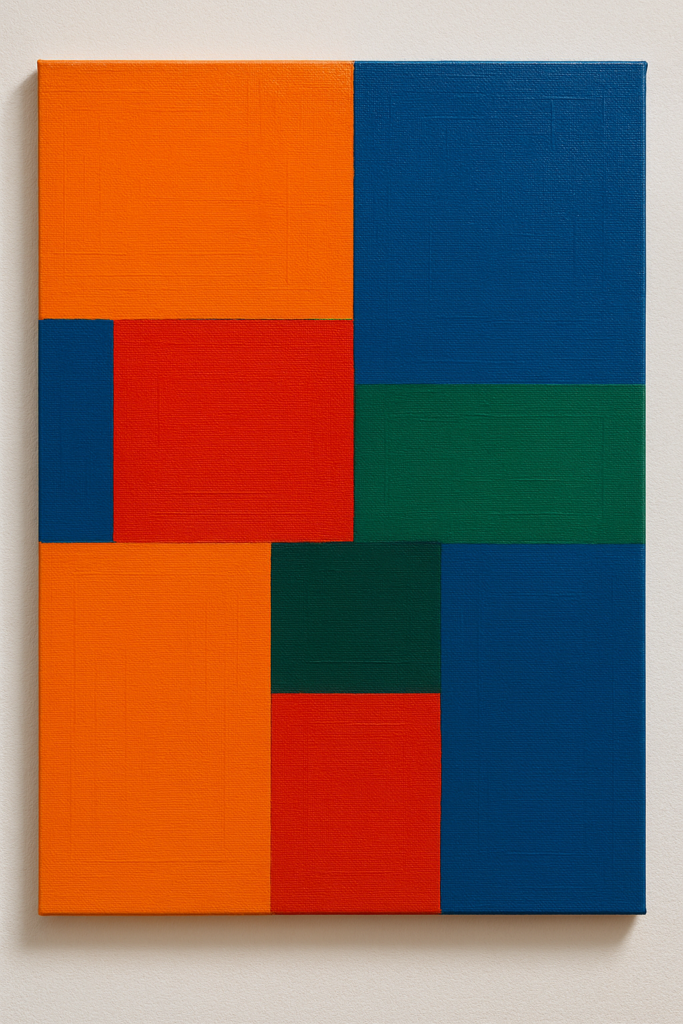
2. Geometric Shapes with Tape
Use painter’s tape to create geometric sections on your canvas. Paint each section a different color, then carefully remove the tape when dry. The crisp lines create a modern, professional-looking abstract piece.
3. Sponge Texture Exploration
Cut kitchen sponges into different shapes and dab them in paint. Layer different colors and textures to create an organic, textured surface. This technique is forgiving and produces interesting depth.
4. Two-Color Contrast Study
Choose two complementary colors (like blue and orange, or purple and yellow) and explore how they interact. Understanding color theory helps you create visual harmony even in abstract work.
5. Circle Composition
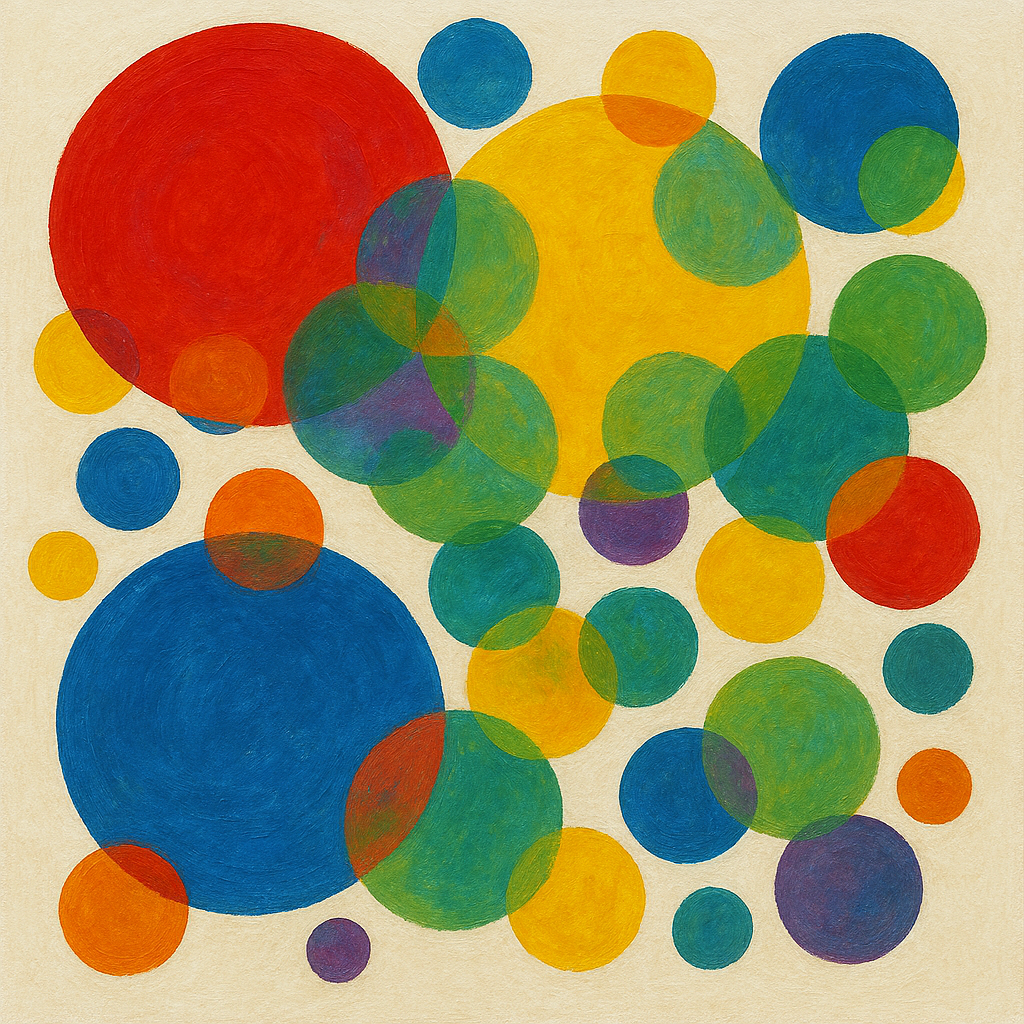
Use circular objects like cups, lids, or stencils to create overlapping circles in various sizes. Fill them with different colors and watch how the overlapping areas create new shades and visual interest.
6. Palette Knife Impressions
Load your palette knife with thick paint and make bold, impasto strokes across the canvas. The raised texture catches light beautifully and adds a three-dimensional quality to your work.
7. Water-Diluted Wash Layers
Thin your acrylic paint with water to create transparent washes. Layer these washes in different colors, allowing each to dry before adding the next. This creates luminous, atmospheric effects.
8. Splatter and Drip Energy
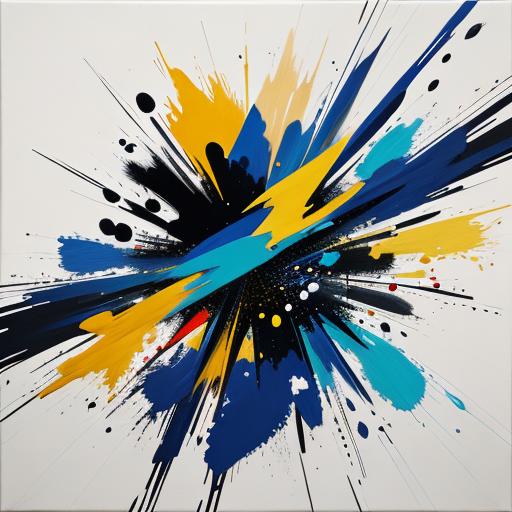
Channel your inner Jackson Pollock! Protect your workspace, then flick, drip, and splatter paint onto your canvas. This energetic approach is perfect for releasing tension and creating dynamic compositions.
9. Nature-Inspired Texture
Press natural objects like leaves, bark, or fabric into wet paint to create unique textures. This mixed media approach adds organic interest to your abstract work.
10. Monochromatic Exploration
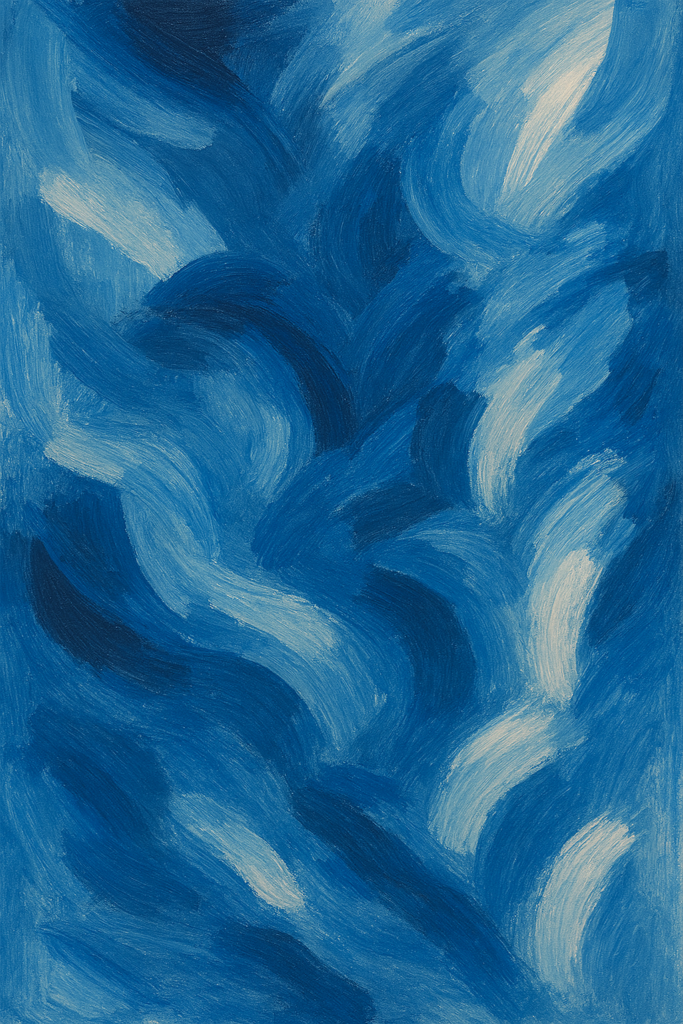
Choose one color and explore all its shades by mixing it with white (tints) and black (shades). This exercise teaches value control while creating a sophisticated, cohesive piece.
11. Linear Movement
Use a flat brush or palette knife to create bold, sweeping lines across your canvas. Vary the direction, thickness, and color of your lines to create rhythm and movement.
12. Stamp Printing Patterns
Create stamps from cut potatoes, foam, or found objects. Dip them in paint and stamp repeated patterns across your canvas, varying colors and rotation for interest.
13. Emotion in Color
Choose colors based on how you’re feeling. Angry? Try bold reds and blacks. Calm? Soft blues and greens. Let your emotions guide your color choices and brushstrokes without overthinking.
14. Minimalist Three-Element
Challenge yourself to create a complete composition using only three elements—perhaps three shapes, three colors, or three marks. Minimalist approaches teach you that sometimes less really is more.
15. Magazine Collage Base
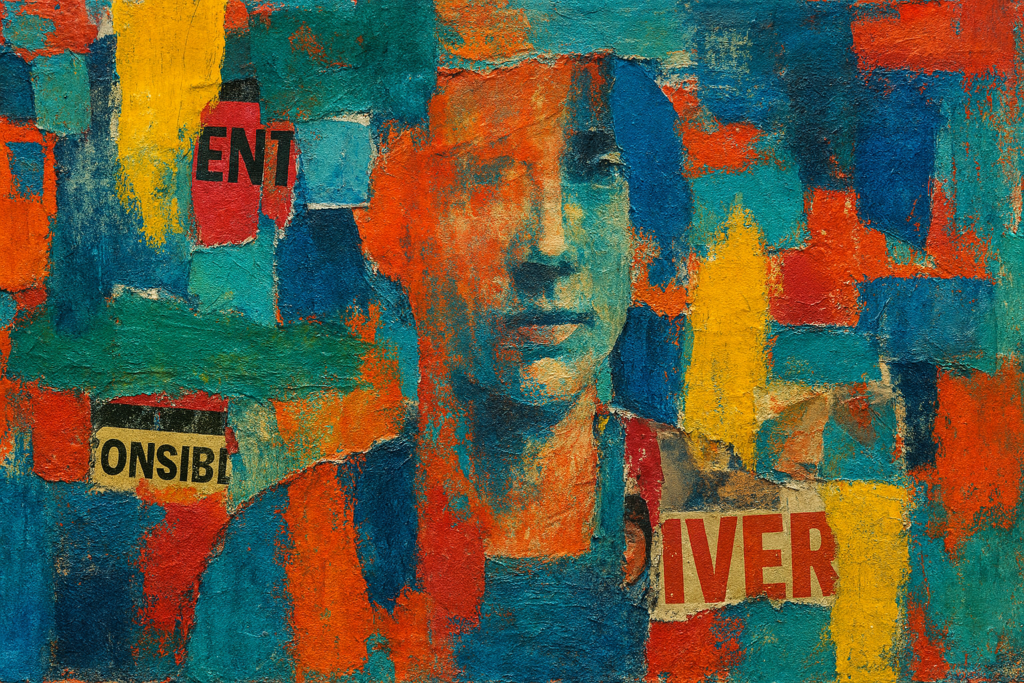
Tear pages from old magazines and glue them to your canvas as a base layer. Once dry, paint over them partially, allowing some text and images to peek through for added depth and storytelling.
Unlocking Creativity: The Power of Color and Composition in Abstract Art
While abstract art doesn’t represent reality, it still benefits from thoughtful use of color and composition. Don’t overthink it, especially when starting. Try a limited color palette—maybe 2-3 colors plus white or black. This helps create harmony without overwhelming you. Think about warm colors (reds, yellows, oranges) versus cool colors (blues, greens, purples) and how they feel together.
For composition, consider balance. Does one side of your painting feel heavier than the other? You can balance it by adding a splash of color or a shape elsewhere. Also, think about “focal points.” Even in abstract art, your eye is drawn to certain areas. You can create these with contrasting colors, bolder strokes, or a unique texture.
Color mixing and color theory provide a foundation for creating mood and visual interest in your work. Understanding how colors interact—through complementary pairs, analogous harmonies, or monochromatic schemes—gives you tools to create intentional emotional responses in viewers.
“The artist must train not only his eye but also his soul, so that it can weigh colors in its own scale and thus become a determinant in artistic creation.”
Wassily Kandinsky
There are no strict rules, just guidelines to help you create a visually engaging piece. As you explore different abstract painting ideas, you’ll develop an intuitive sense for what works.

Overcoming Fear: Embrace Imperfection and Enjoy Your Abstract Art Journey
The biggest hurdle for many beginners is the fear of making a mistake. In abstract painting, there are no mistakes, only opportunities for discovery! If you don’t like a color, paint over it. If a brushstroke feels wrong, integrate it into a new layer or texture. Every mark you make adds to the unique story of your artwork.
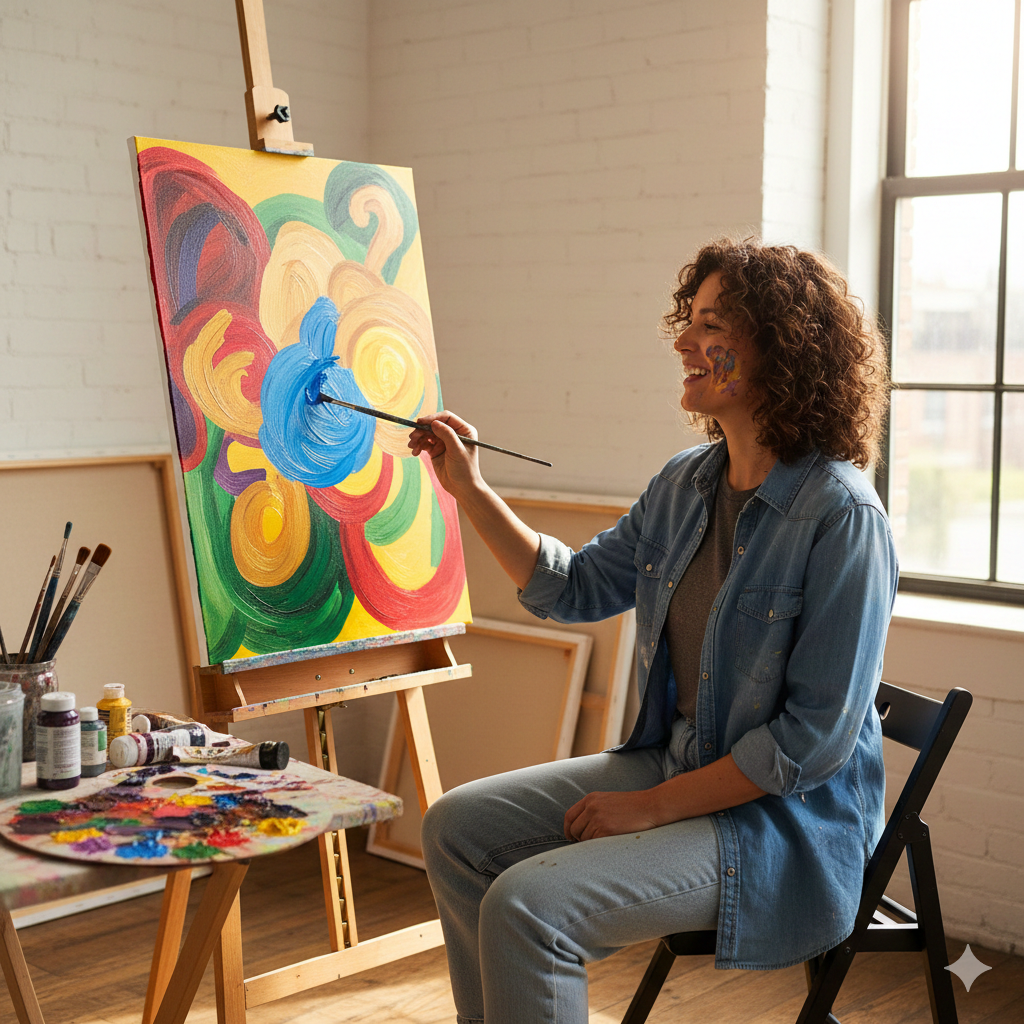
Remember that art is a journey, not a destination. Your first few pieces might not be masterpieces, and that’s perfectly okay. The goal is to explore, experiment, and enjoy the process. Hang your early works proudly, not as perfect creations, but as proof of your courage to begin.
As discussed in our guide to starting your painting journey, consistent practice beats perfection. The more you paint, the more confident and skilled you’ll become. Many successful artists who create beautiful abstract works started exactly where you are now.
Consider keeping an art journal where you try one new technique each week. Document what you learn, what you love, and what you’d like to try next. This reflective practice helps build your skills systematically while keeping the joy of discovery alive.
Conclusion: Keep Exploring, Keep Creating with Easy Abstract Painting Ideas for Beginners!
You’ve taken the first exciting steps into the world of easy abstract painting ideas for beginners! We’ve covered essential supplies, explored a variety of techniques from color blocking to mixed media, and discussed how to approach color and composition without stress. Remember, the true beauty of abstract art lies in its freedom and the personal expression it allows.
Don’t be afraid to experiment, make “mistakes,” and simply enjoy the creative process. Your unique artistic voice is waiting to be discovered. Whether you start with simple color gradients, bold palette knife strokes, or experimental splattering techniques, each painting teaches you something new. Grab your paints, pick an idea from this guide, and start creating something wonderfully abstract today!
As you continue your artistic journey, explore more painting techniques for beginners and remember that every famous abstract artist started with their first brushstroke. Your creative adventure begins now.
Frequently Asked Questions (FAQs)
What’s the best type of paint for easy abstract painting ideas for beginners?
Acrylic paints are highly recommended for beginners. They are easy to use, dry quickly, clean up with water, are very versatile, and work on multiple surfaces. Student-grade acrylics provide excellent quality at an affordable price point.
Do I need expensive art supplies to start abstract painting?
Absolutely not! You can start with very affordable basic supplies like a starter set of acrylics, small canvases or thick paper, and a few brushes. Focus on a limited color palette and basic tools rather than expensive professional-grade materials.
How do I know if my abstract painting is “good”?
Abstract art is very subjective. Instead of “good,” focus on whether you enjoyed the process and if the painting evokes any feeling or visual interest for you. There are no right or wrong answers in abstract art—it’s about personal expression and exploration.
What if I run out of ideas or feel stuck?
Look at other abstract artists’ work for inspiration, but don’t copy. Try a new technique from our list, or simply start by putting down colors you love and see where they lead you. Experimentation is key! Sometimes stepping away for a day and returning with fresh eyes helps too.
Can I use household items for abstract painting?
Yes! Old credit cards make excellent scraping tools, sponges create interesting textures, and everyday objects can be used for stamping. Magazine pages, fabric scraps, and even kitchen utensils can become creative tools for abstract painting.
How long should I let acrylic paint dry between layers?
Acrylics typically dry to the touch in 15-30 minutes, but for layering techniques, waiting 30-60 minutes ensures the previous layer won’t lift or mix. Thicker applications may need several hours. Test a corner before adding the next layer.
Should I sketch before starting an abstract painting?
It’s completely optional! Some artists prefer loose sketches to plan composition and color placement, while others dive right in without any plan. Both approaches are valid—try each and see what feels right for you.
What size canvas should beginners start with?
Start with smaller canvases like 8×10 inches or 11×14 inches. These sizes are less intimidating, less expensive, and allow you to complete paintings in one session, which builds confidence quickly.
Citations
- Julia Cameron – The Artist’s Way: Cameron’s groundbreaking work on creative recovery has helped millions of artists overcome creative blocks and embrace their artistic journey. The Artist’s Way
- Smithsonian American Art Museum – What is Abstract Art?: The Smithsonian provides comprehensive educational resources explaining abstract art’s definition, history, and significance in the art world. Abstract Art Definition
- Golden Artist Colors – Beginner’s Guide to Acrylics: Golden provides technical information about acrylic paints, mediums, and techniques directly from one of the leading manufacturers of professional art materials. Acrylic Paint Guide
- ProminentPainting.com Resources: Comprehensive guides covering painting techniques, color theory, and beginner resources for aspiring artists at all levels. Prominent Painting Guides